Aïn Tounga
1–50 of 85 · page 1/2
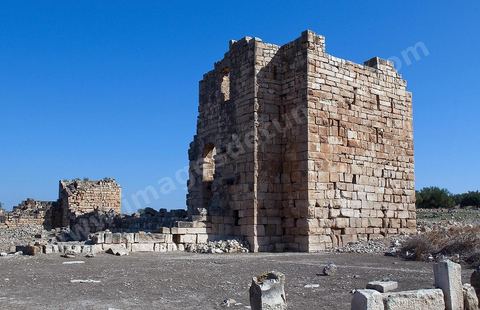
A trapezoidal Byzantine fortress, the citadel features five square towers. In the small village of Aïn Tounga lies the ancient archaeological site of Thignica, a Roman municipality dating from the early 3rd century.
B21-001 · 2008
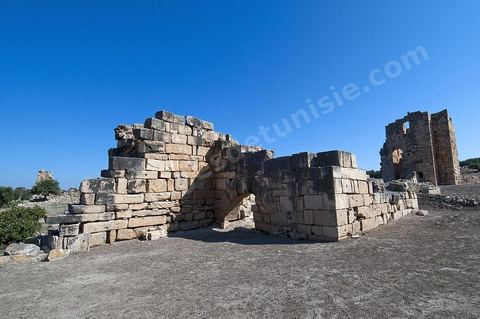
A trapezoidal Byzantine fortress, the citadel features five square towers. In the small village of Aïn Tounga lies the ancient archaeological site of Thignica, a Roman municipality dating from the early 3rd century.
B21-002 · 2008
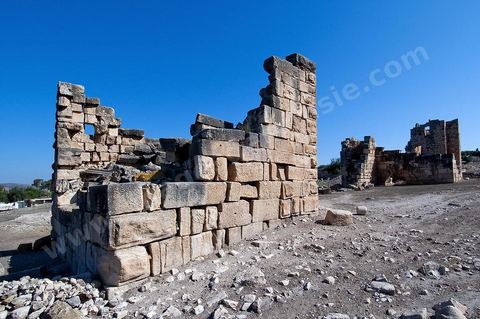
A trapezoidal Byzantine fortress, the citadel features five square towers. In the small village of Aïn Tounga lies the ancient archaeological site of Thignica, a Roman municipality dating from the early 3rd century.
B21-003 · 2008
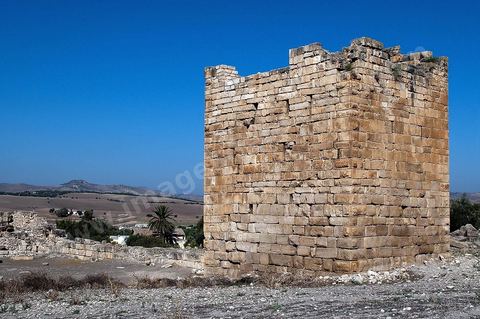
A trapezoidal Byzantine fortress, the citadel features five square towers. In the small village of Aïn Tounga lies the ancient archaeological site of Thignica, a Roman municipality dating from the early 3rd century.
B21-004 · 2008
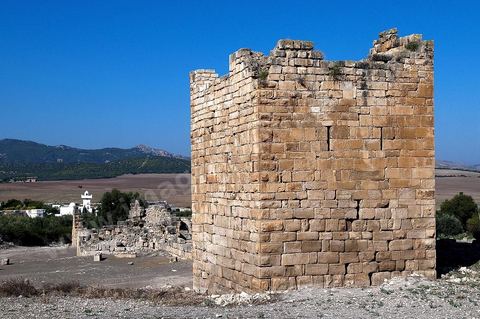
A trapezoidal Byzantine fortress, the citadel features five square towers. In the small village of Aïn Tounga lies the ancient archaeological site of Thignica, a Roman municipality dating from the early 3rd century.
B21-005 · 2008
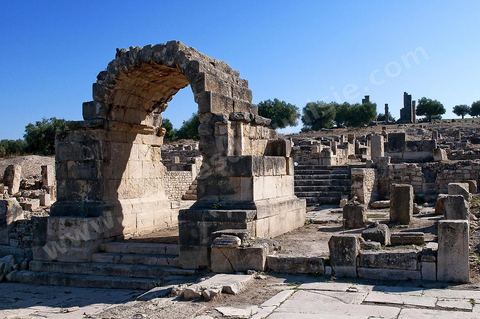
A triumphal arch marks the entrance to the excavation site of the ancient Roman city and its neighborhood of Roman houses. In the small village of Aïn Tounga lies the ancient archaeological site of Thignica, a Roman municipality dating from the early 3rd century.
B21-006 · 2008
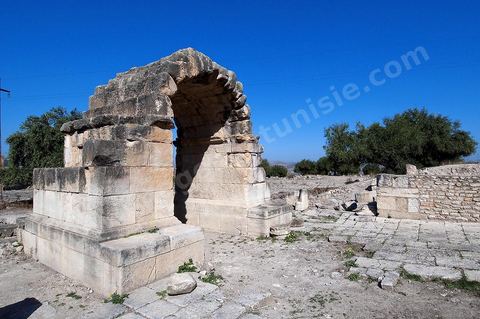
A triumphal arch marks the entrance to the excavation site of the ancient Roman city and its neighborhood of Roman houses. In the small village of Aïn Tounga lies the ancient archaeological site of Thignica, a Roman municipality dating from the early 3rd century.
B21-007 · 2008
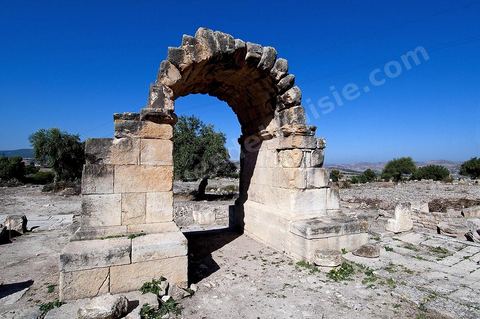
A triumphal arch marks the entrance to the excavation site of the ancient Roman city and its neighborhood of Roman houses. In the small village of Aïn Tounga lies the ancient archaeological site of Thignica, a Roman municipality dating from the early 3rd century.
B21-008 · 2008
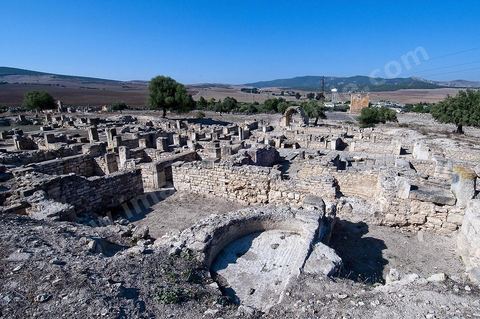
A triumphal arch marks the entrance to the excavation site of the ancient Roman city and its neighborhood of Roman houses. In the small village of Aïn Tounga lies the ancient archaeological site of Thignica, a Roman municipality dating from the early 3rd century.
B21-009 · 2008
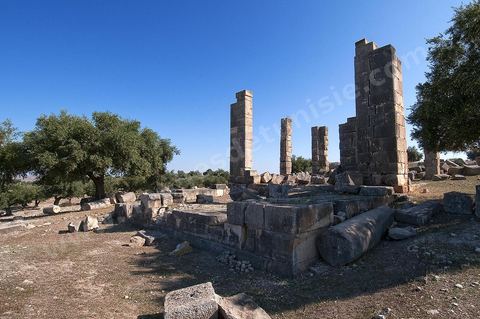
Remains of the great Roman temple of Thignica. In the modest village of Aïn Tounga lies the ancient archaeological site of Thignica, a Roman municipium dating from the early 3rd century.
B21-010 · 2008
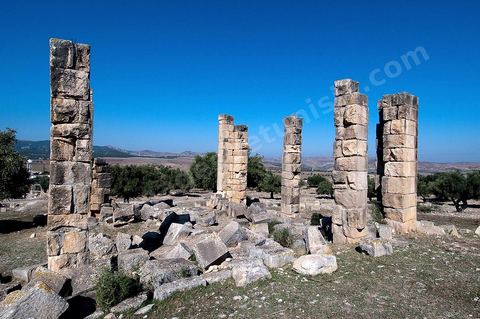
Remains of the great Roman temple of Thignica. In the modest village of Aïn Tounga lies the ancient archaeological site of Thignica, a Roman municipium dating from the early 3rd century.
B21-011 · 2008
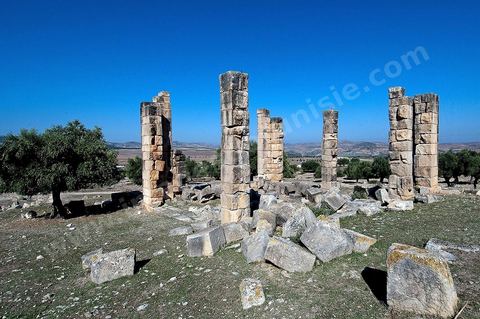
Remains of the great Roman temple of Thignica. In the modest village of Aïn Tounga lies the ancient archaeological site of Thignica, a Roman municipium dating from the early 3rd century.
B21-012 · 2008
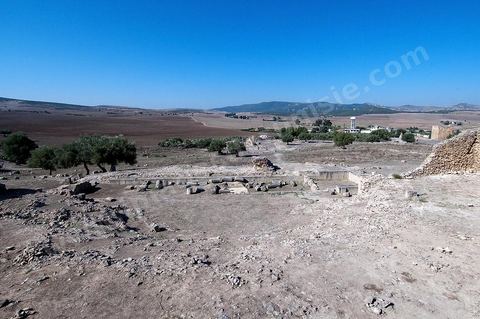
Remains of the Roman theater at Thignica. In the small village of Aïn Tounga lies the ancient archaeological site of Thignica, a Roman municipality dating from the early 3rd century.
B21-013 · 2008
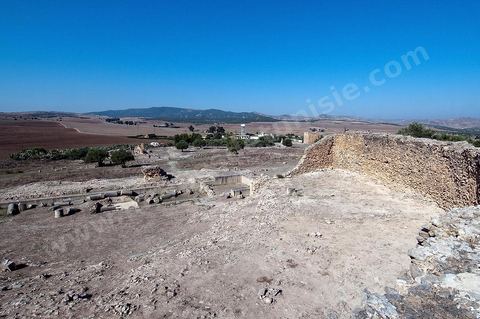
Remains of the Roman theater at Thignica. In the small village of Aïn Tounga lies the ancient archaeological site of Thignica, a Roman municipality dating from the early 3rd century.
B21-014 · 2008
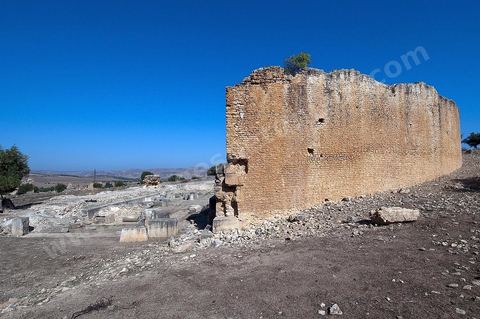
Remains of the Roman theater at Thignica. In the small village of Aïn Tounga lies the ancient archaeological site of Thignica, a Roman municipality dating from the early 3rd century.
B21-015 · 2008
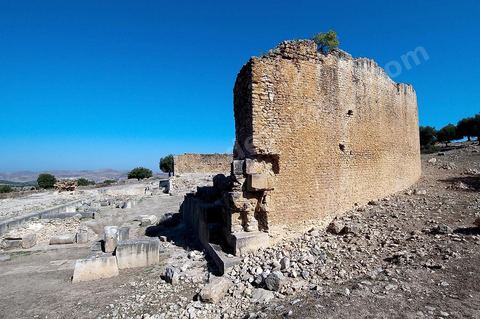
Remains of the Roman theater at Thignica. In the small village of Aïn Tounga lies the ancient archaeological site of Thignica, a Roman municipality dating from the early 3rd century.
B21-016 · 2008
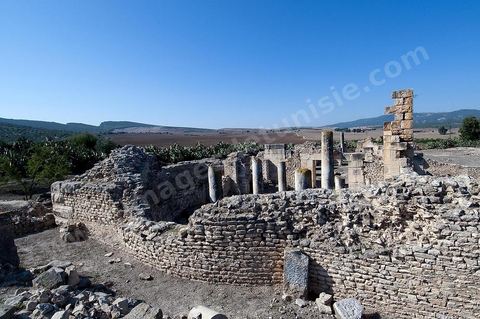
Ruins of the Great Baths of Thignica. In the small village of Aïn Tounga lies the ancient archaeological site of Thignica, a Roman municipality dating from the early 3rd century.
B21-017 · 2008
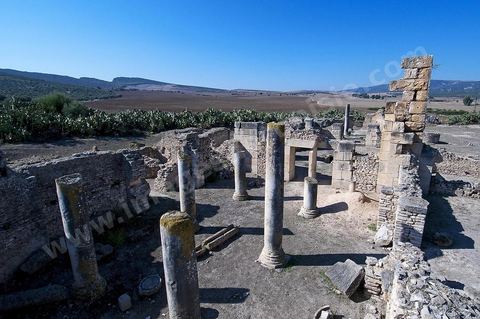
Ruins of the Great Baths of Thignica. In the small village of Aïn Tounga lies the ancient archaeological site of Thignica, a Roman municipality dating from the early 3rd century.
B21-018 · 2008
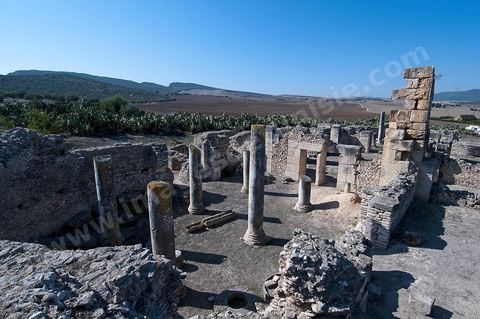
Ruins of the Great Baths of Thignica. In the small village of Aïn Tounga lies the ancient archaeological site of Thignica, a Roman municipality dating from the early 3rd century.
B21-019 · 2008
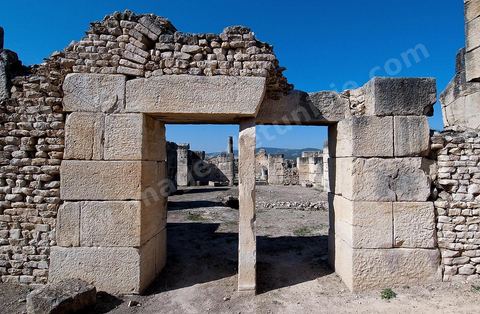
Ruins of the Great Baths of Thignica. In the small village of Aïn Tounga lies the ancient archaeological site of Thignica, a Roman municipality dating from the early 3rd century.
B21-020 · 2008
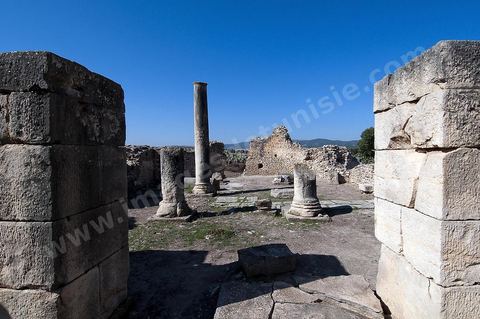
Ruins of the Great Baths of Thignica. In the small village of Aïn Tounga lies the ancient archaeological site of Thignica, a Roman municipality dating from the early 3rd century.
B21-021 · 2008

The landscape surrounding the Roman and Byzantine archaeological site of Aïn Tounga, formerly known as Thignica, is located about 20 km from Dougga. It is one of many examples of major archaeological sites in Tunisia that receive no protection; situated in the middle of a village, the site is neither fenced off nor guarded and is therefore at risk of deterioration and disappearance.
B21-022 · 2018
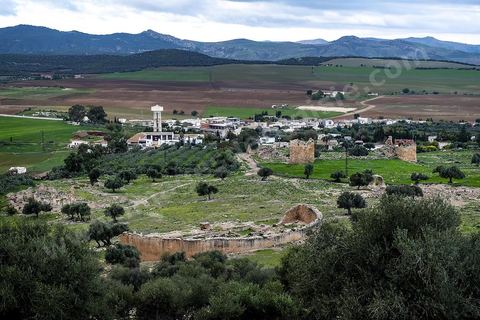
The Roman and Byzantine archaeological site of Aïn Tounga, formerly known as Thignica, is located about 20 km from Dougga. It is one of many examples of major archaeological sites in Tunisia that receive no protection; situated in the middle of a village, this site is neither fenced off nor guarded and is therefore at risk of deterioration and disappearance.
B21-023 · 2018
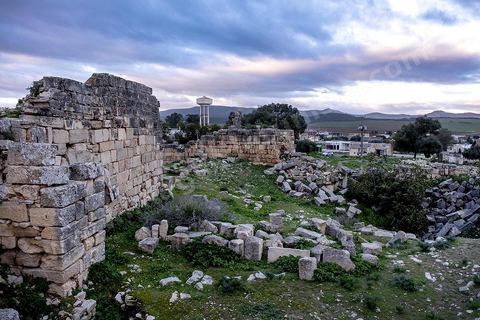
The Byzantine fortress at the Roman and Byzantine archaeological site of Aïn Tounga, formerly Thignica, is located about 20 km from Dougga. It is one of many examples of major archaeological sites in Tunisia that receive no protection; situated in the middle of a village, this site is neither fenced off nor guarded and is therefore at risk of deterioration and disappearance.
B21-024 · 2018
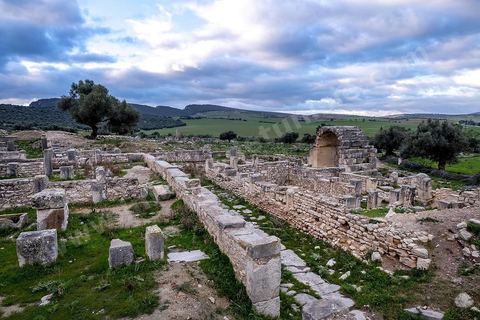
The Roman villa district at the Roman and Byzantine Archaeological Site of Aïn Tounga, formerly known as Thignica, is located about 20 km from Dougga. It is one of many examples of major archaeological sites in Tunisia that receive no protection; situated in the middle of a village, this site is neither fenced off nor guarded and is therefore at risk of deterioration and disappearance.
B21-025 · 2018
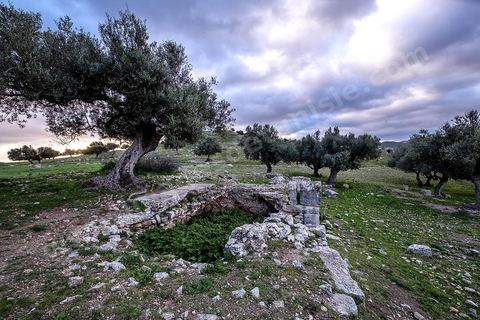
Roman cisterns beneath the olive trees The Roman and Byzantine archaeological site of Aïn Tounga, formerly Thignica, is located about 20 km from Dougga. It is one of many examples of major archaeological sites in Tunisia that receive no protection; situated in the middle of a village, this site is neither fenced off nor guarded and is therefore at risk of deterioration and disappearance.
B21-026 · 2018
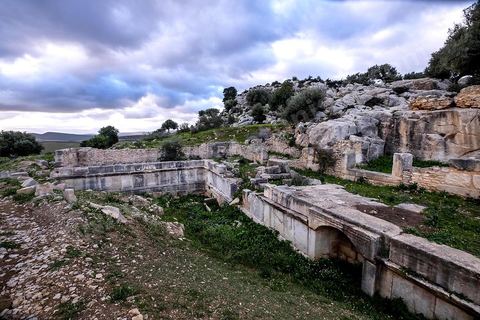
The Temple of the Waters, located on the heights above the Roman and Byzantine archaeological site of Aïn Tounga (formerly Thignica), is situated about 20 km from Dougga. It is one of many examples of major archaeological sites in Tunisia that receive no protection; situated in the middle of a village, this site is neither fenced off nor guarded and is therefore at risk of deterioration and disappearance.
B21-027 · 2018
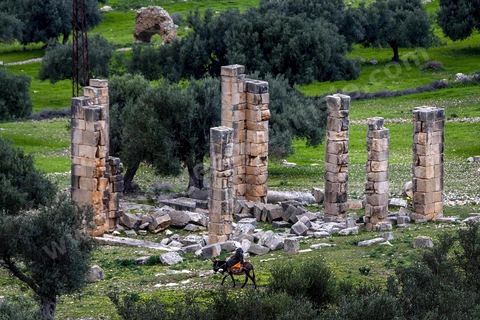
The temple at the Roman and Byzantine archaeological site of Aïn Tounga, formerly known as Thignica, is located about 20 km from Dougga. It is one of many examples of major archaeological sites in Tunisia that receive no protection; situated in the middle of a village, this site is neither fenced off nor guarded and is therefore at risk of deterioration and disappearance.
B21-028
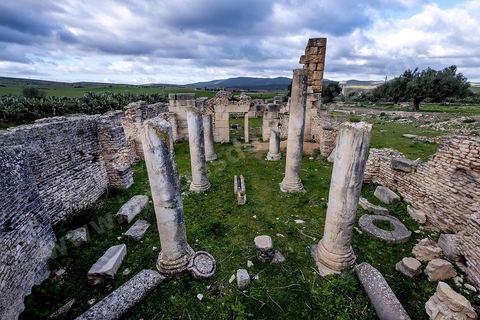
Thermes sur le Site archéologique romain et byzantin de Aïn Tounga, anciennement Thignica, se situe à une vingtaine de km de Dougga. il est un des nombreux exemples de grands sites archéologiques en Tunisie qui ne bénéficie d'aucune protection, au milieu d'un village ce site n'est ni cloturé, ni gardé et donc menancé de dégradations et de disparition.
B21-029 · 2018
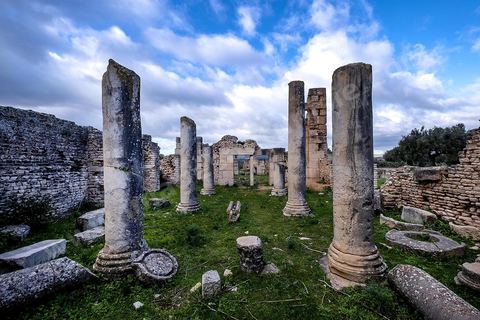
Thermes sur le Site archéologique romain et byzantin de Aïn Tounga, anciennement Thignica, se situe à une vingtaine de km de Dougga. il est un des nombreux exemples de grands sites archéologiques en Tunisie qui ne bénéficie d'aucune protection, au milieu d'un village ce site n'est ni cloturé, ni gardé et donc menancé de dégradations et de disparition.
B21-030 · 2018
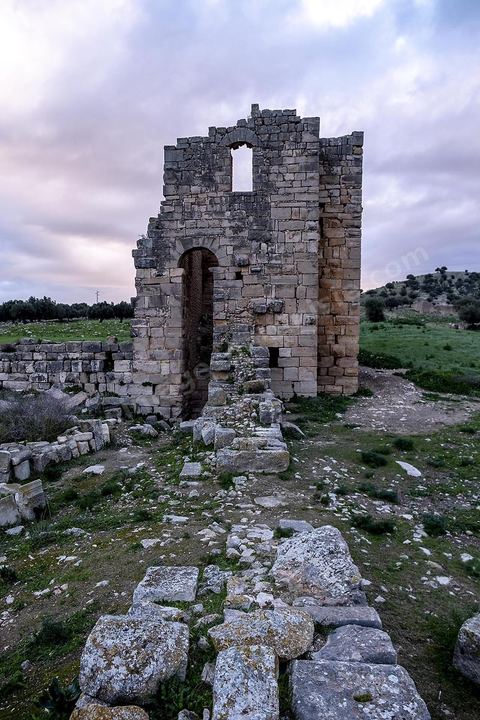
The Byzantine fortress at the Roman and Byzantine archaeological site of Aïn Tounga, formerly Thignica, is located about 20 km from Dougga. It is one of many examples of major archaeological sites in Tunisia that receive no protection; situated in the middle of a village, this site is neither fenced off nor guarded and is therefore at risk of deterioration and disappearance.
B21-031 · 2018
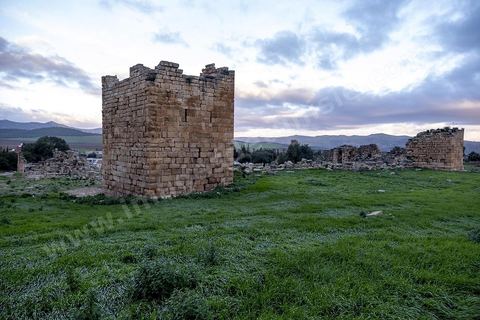
The Byzantine fortress at the Roman and Byzantine archaeological site of Aïn Tounga, formerly Thignica, is located about 20 km from Dougga. It is one of many examples of major archaeological sites in Tunisia that receive no protection; situated in the middle of a village, this site is neither fenced off nor guarded and is therefore at risk of deterioration and disappearance.
B21-032 · 2018
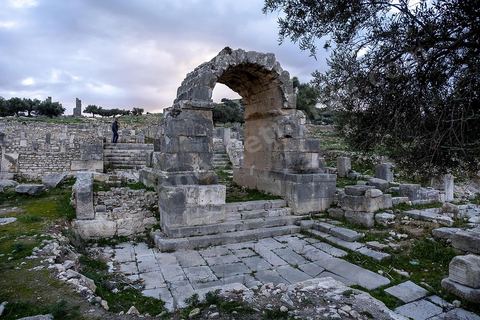
The Roman and Byzantine archaeological site of Aïn Tounga, formerly known as Thignica, is located about 20 km from Dougga. It is one of many examples of major archaeological sites in Tunisia that receive no protection; situated in the middle of a village, this site is neither fenced off nor guarded and is therefore at risk of deterioration and disappearance.
B21-033 · 2018
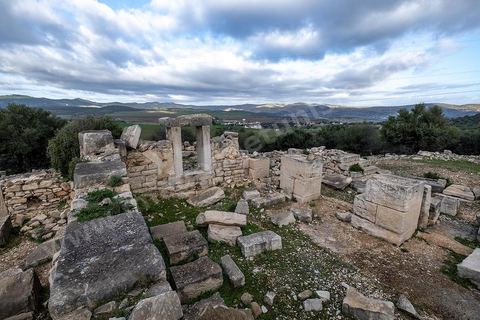
The Roman and Byzantine archaeological site of Aïn Tounga, formerly known as Thignica, is located about 20 km from Dougga. It is one of many examples of major archaeological sites in Tunisia that receive no protection; situated in the middle of a village, this site is neither fenced off nor guarded and is therefore at risk of deterioration and disappearance.
B21-034 · 2018
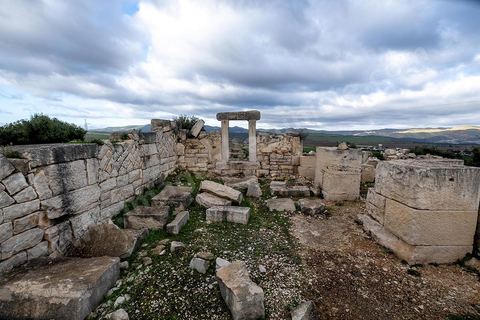
The Roman and Byzantine archaeological site of Aïn Tounga, formerly known as Thignica, is located about 20 km from Dougga. It is one of many examples of major archaeological sites in Tunisia that receive no protection; situated in the middle of a village, this site is neither fenced off nor guarded and is therefore at risk of deterioration and disappearance.
B21-035 · 2018
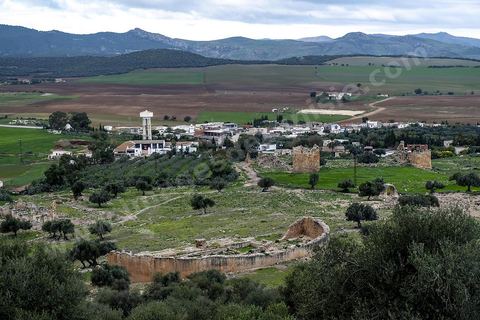
The Roman and Byzantine archaeological site of Aïn Tounga, formerly known as Thignica, is located about 20 km from Dougga. It is one of many examples of major archaeological sites in Tunisia that receive no protection; situated in the middle of a village, this site is neither fenced off nor guarded and is therefore at risk of deterioration and disappearance.
B21-036 · 2018
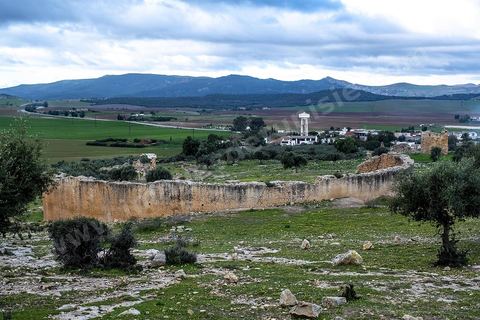
The Roman and Byzantine archaeological site of Aïn Tounga, formerly known as Thignica, is located about 20 km from Dougga. It is one of many examples of major archaeological sites in Tunisia that receive no protection; situated in the middle of a village, this site is neither fenced off nor guarded and is therefore at risk of deterioration and disappearance.
B21-037 · 2018
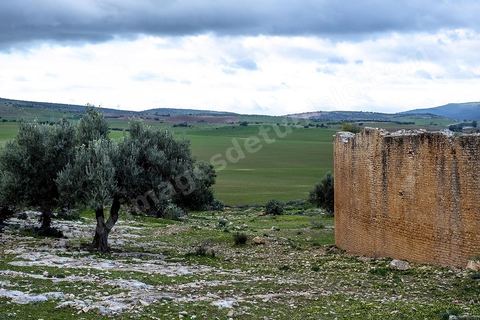
The Roman and Byzantine archaeological site of Aïn Tounga, formerly known as Thignica, is located about 20 km from Dougga. It is one of many examples of major archaeological sites in Tunisia that receive no protection; situated in the middle of a village, this site is neither fenced off nor guarded and is therefore at risk of deterioration and disappearance.
B21-038 · 2018
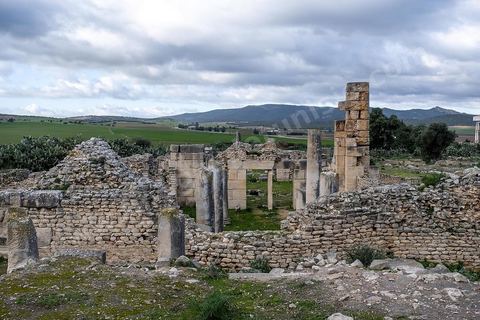
The Roman and Byzantine archaeological site of Aïn Tounga, formerly known as Thignica, is located about 20 km from Dougga. It is one of many examples of major archaeological sites in Tunisia that receive no protection; situated in the middle of a village, this site is neither fenced off nor guarded and is therefore at risk of deterioration and disappearance.
B21-039 · 2018
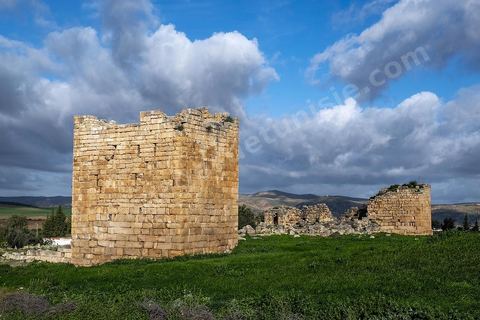
The Byzantine fortress at the Roman and Byzantine archaeological site of Aïn Tounga, formerly Thignica, is located about 20 km from Dougga. It is one of many examples of major archaeological sites in Tunisia that receive no protection; situated in the middle of a village, this site is neither fenced off nor guarded and is therefore at risk of deterioration and disappearance.
B21-040 · 2018
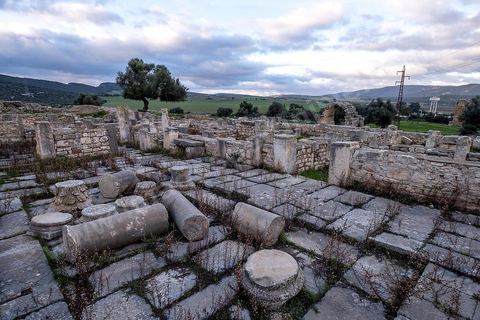
The Roman and Byzantine archaeological site of Aïn Tounga, formerly known as Thignica, is located about 20 km from Dougga. It is one of many examples of major archaeological sites in Tunisia that receive no protection; situated in the middle of a village, this site is neither fenced off nor guarded and is therefore at risk of deterioration and disappearance.
B21-041 · 2018
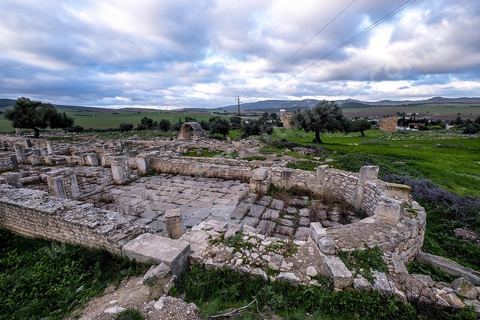
The Roman and Byzantine archaeological site of Aïn Tounga, formerly known as Thignica, is located about 20 km from Dougga. It is one of many examples of major archaeological sites in Tunisia that receive no protection; situated in the middle of a village, this site is neither fenced off nor guarded and is therefore at risk of deterioration and disappearance.
B21-042 · 2018
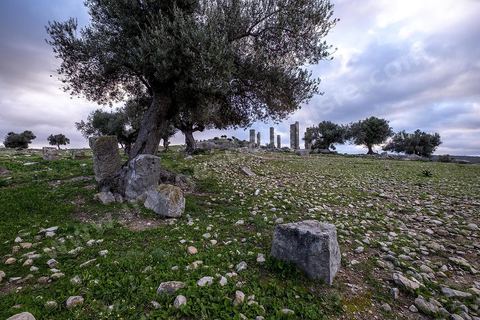
The Roman and Byzantine archaeological site of Aïn Tounga, formerly known as Thignica, is located about 20 km from Dougga. It is one of many examples of major archaeological sites in Tunisia that receive no protection; situated in the middle of a village, this site is neither fenced off nor guarded and is therefore at risk of deterioration and disappearance.
B21-043 · 2018
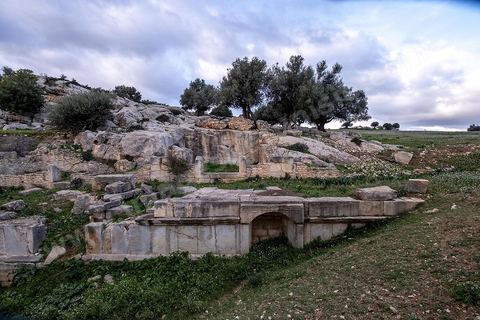
The Roman and Byzantine archaeological site of Aïn Tounga, formerly known as Thignica, is located about 20 km from Dougga. It is one of many examples of major archaeological sites in Tunisia that receive no protection; situated in the middle of a village, this site is neither fenced off nor guarded and is therefore at risk of deterioration and disappearance.
B21-044 · 2018
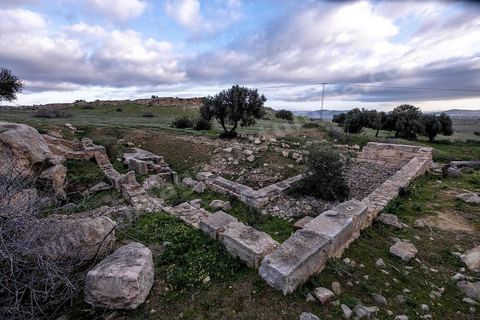
The Roman and Byzantine archaeological site of Aïn Tounga, formerly known as Thignica, is located about 20 km from Dougga. It is one of many examples of major archaeological sites in Tunisia that receive no protection; situated in the middle of a village, this site is neither fenced off nor guarded and is therefore at risk of deterioration and disappearance.
B21-045 · 2018
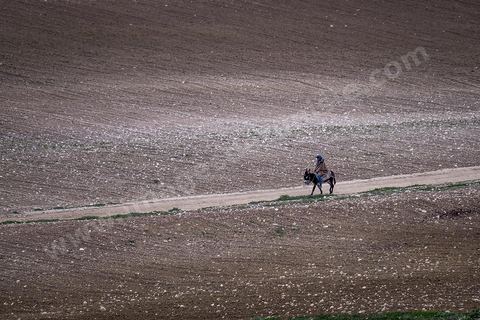
The Roman and Byzantine archaeological site of Aïn Tounga, formerly known as Thignica, is located about 20 km from Dougga. It is one of many examples of major archaeological sites in Tunisia that receive no protection; situated in the middle of a village, this site is neither fenced off nor guarded and is therefore at risk of deterioration and disappearance.
B21-046 · 2018
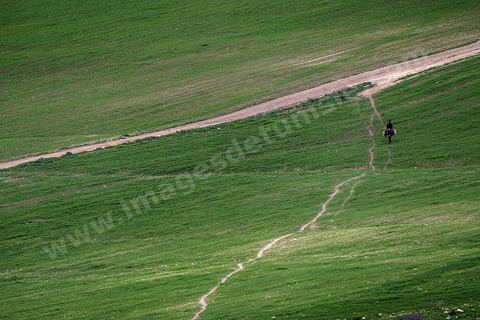
The Roman and Byzantine archaeological site of Aïn Tounga, formerly known as Thignica, is located about 20 km from Dougga. It is one of many examples of major archaeological sites in Tunisia that receive no protection; situated in the middle of a village, this site is neither fenced off nor guarded and is therefore at risk of deterioration and disappearance.
B21-047 · 2018
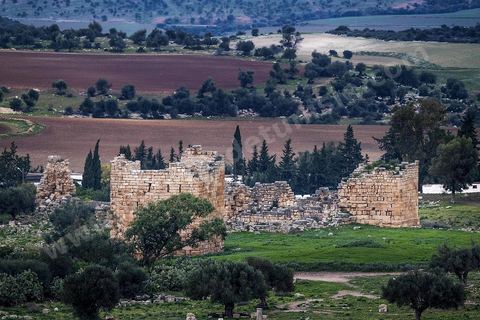
The Byzantine fortress at the Roman and Byzantine archaeological site of Aïn Tounga, formerly Thignica, is located about 20 km from Dougga. It is one of many examples of major archaeological sites in Tunisia that receive no protection; situated in the middle of a village, this site is neither fenced off nor guarded and is therefore at risk of deterioration and disappearance.
B21-048 · 2018
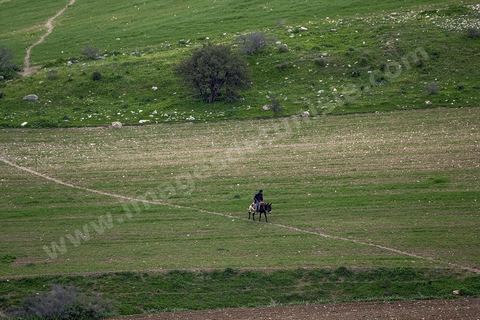
The Roman and Byzantine archaeological site of Aïn Tounga, formerly known as Thignica, is located about 20 km from Dougga. It is one of many examples of major archaeological sites in Tunisia that receive no protection; situated in the middle of a village, this site is neither fenced off nor guarded and is therefore at risk of deterioration and disappearance.
B21-049 · 2018
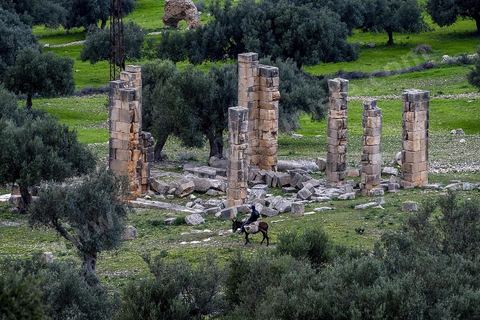
The Roman and Byzantine archaeological site of Aïn Tounga, formerly known as Thignica, is located about 20 km from Dougga. It is one of many examples of major archaeological sites in Tunisia that receive no protection; situated in the middle of a village, this site is neither fenced off nor guarded and is therefore at risk of deterioration and disappearance.
B21-050 · 2018