El Djem
1–100 of 190 · page 2/4
XPR21826
XPR21826 · 2018
XPR21824
XPR21824 · 2018
XPR21822
XPR21822 · 2018
DSCF4364
DSCF4364 · 2018
XPR21818
XPR21818 · 2018
XPR21815
XPR21815 · 2018
XPR21812
XPR21812 · 2018
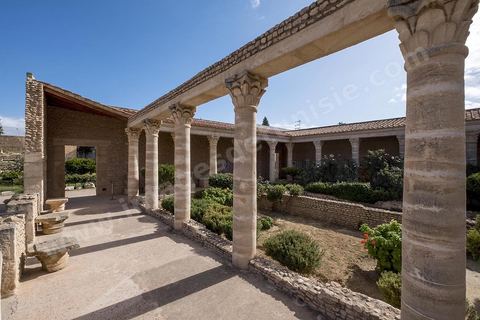
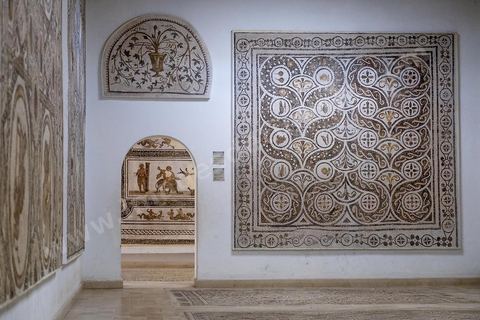
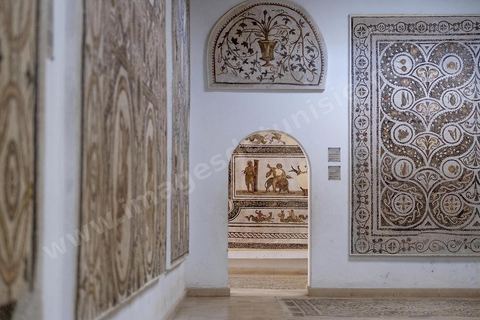
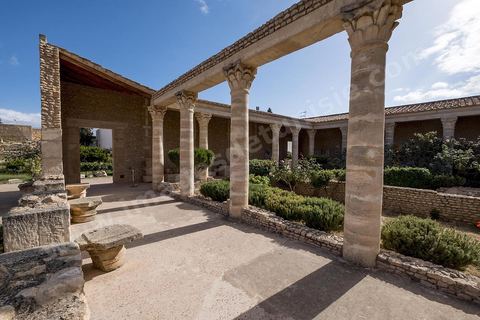
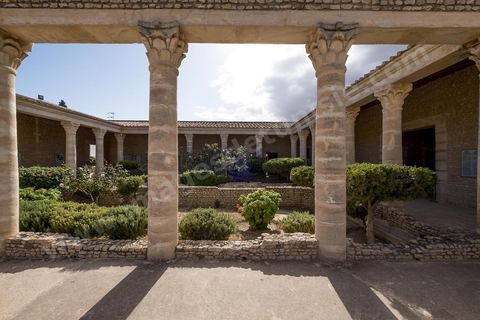
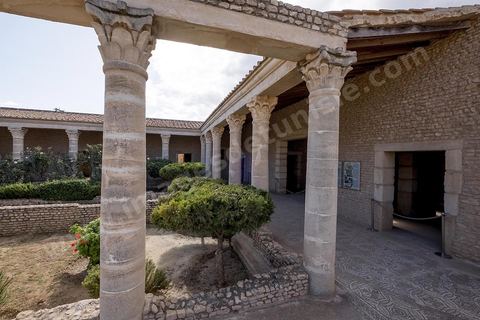
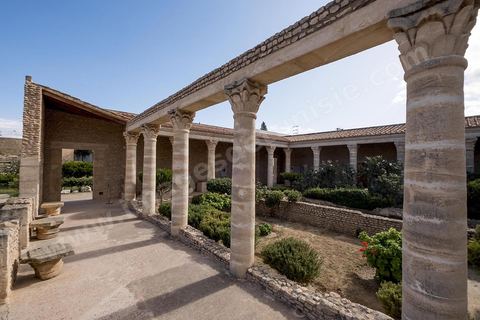
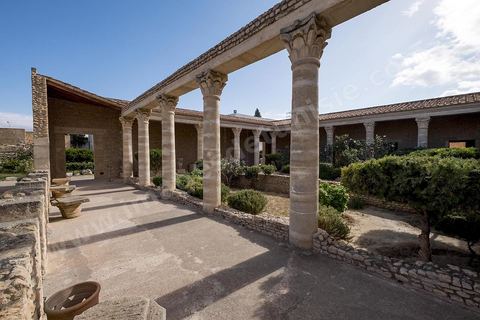
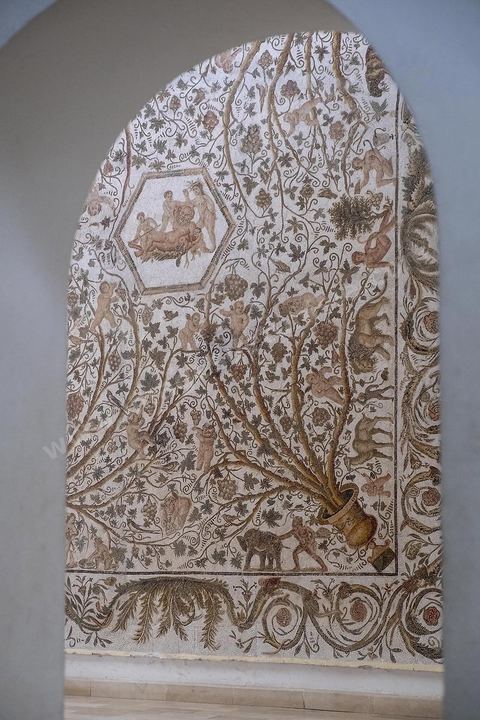
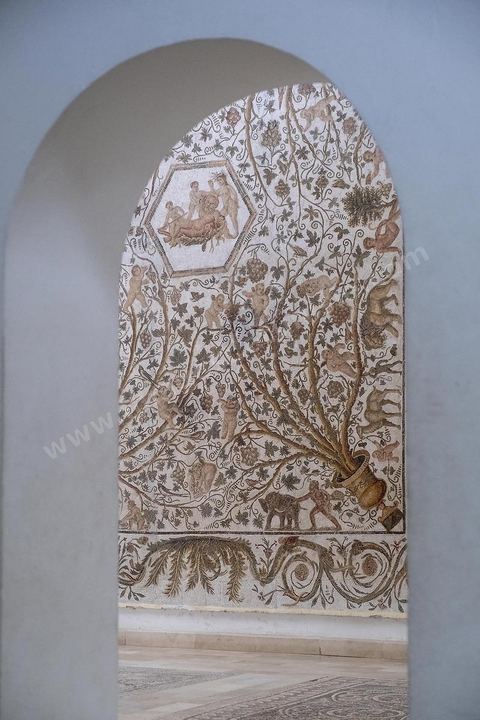
At the heart of the archaeological museum in El Djem, the ancient city of Thysdrus, a full-scale reconstruction of “the House of Africa” has been completed. This sumptuous aristocratic residence was built around 170 A.D. It was discovered by chance in the 1990s and takes its name from two mosaic panels whose central medallions depict, respectively, the goddess Africa and the province of Africa—the only known representations of the African continent.
El_Djem_32 · 2018
XPR21806
XPR21806 · 2018
XPR21803
XPR21803 · 2018
XPR21800
XPR21800 · 2018
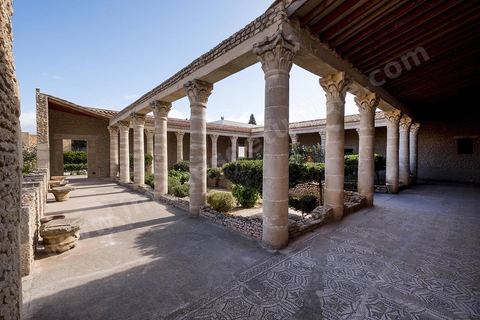
At the heart of the archaeological museum in El Djem, the ancient city of Thysdrus, a full-scale reconstruction of “the House of Africa” has been completed. This sumptuous aristocratic residence was built around 170 A.D. It was discovered by chance in the 1990s and takes its name from two mosaic panels whose central medallions depict, respectively, the goddess Africa and the province of Africa—the only known representations of the African continent.
El_Djem_31 · 2018
XPR21791
XPR21791 · 2018
XPR21788
XPR21788 · 2018
XPR21779
XPR21779 · 2018
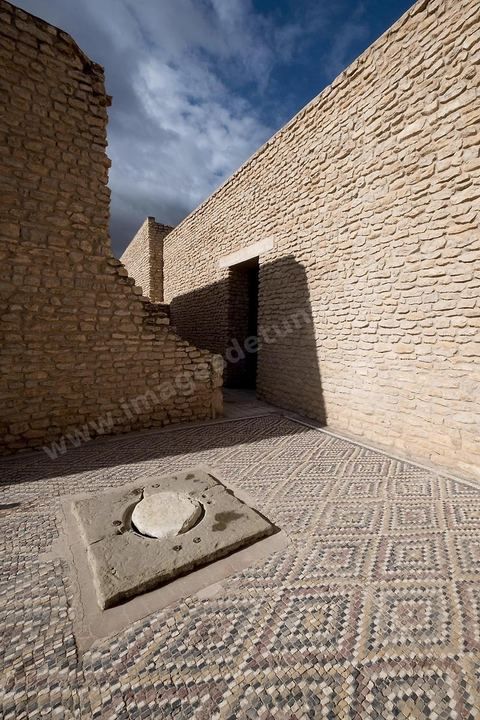
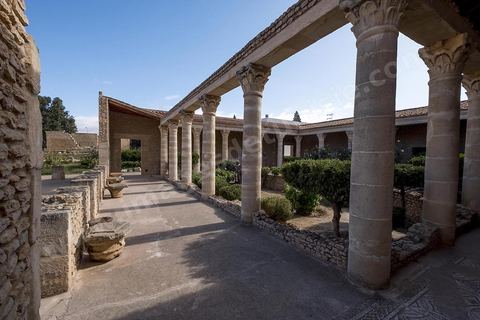
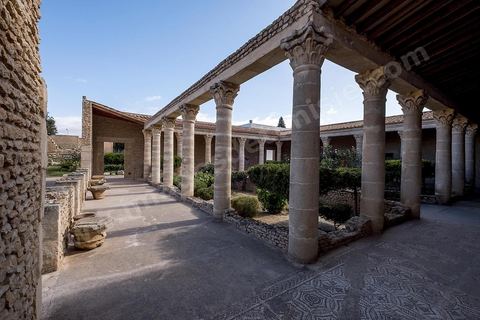
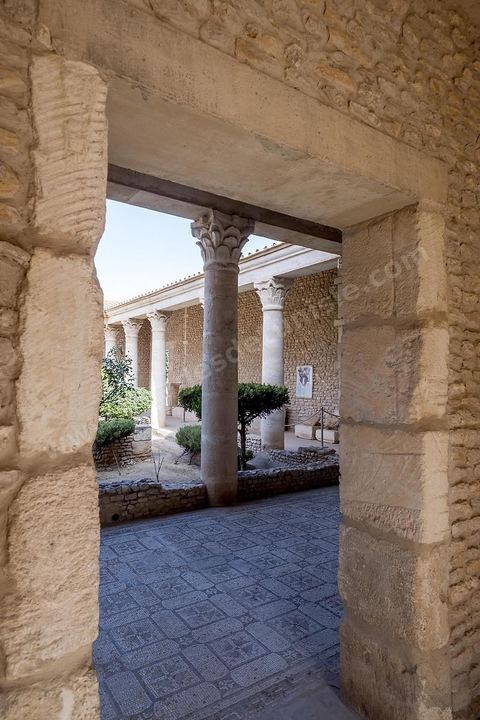
At the heart of the archaeological museum in El Djem, the ancient city of Thysdrus, a full-scale reconstruction of “the House of Africa” has been completed. This sumptuous aristocratic residence was built around 170 A.D. It was discovered by chance in the 1990s and takes its name from two mosaic panels whose central medallions depict, respectively, the goddess Africa and the province of Africa—the only known representations of the African continent.
El_Djem_30 · 2018
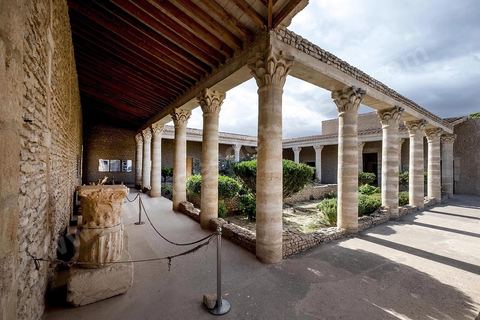
At the heart of the archaeological museum in El Djem, the ancient city of Thysdrus, a full-scale reconstruction of “the House of Africa” has been completed. This sumptuous aristocratic residence was built around 170 A.D. It was discovered by chance in the 1990s and takes its name from two mosaic panels whose central medallions depict, respectively, the goddess Africa and the province of Africa—the only known representations of the African continent.
El_Djem_29 · 2018
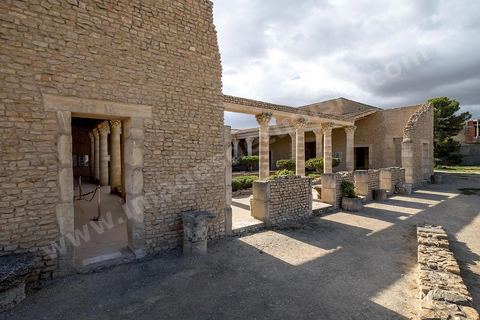
XPR21761
XPR21761 · 2018
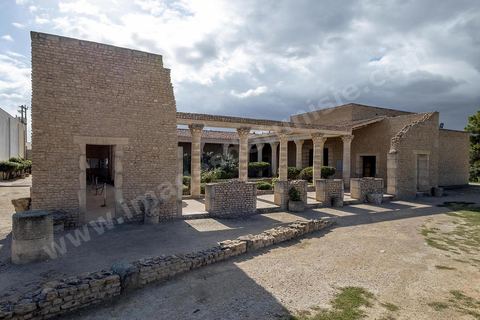
XPR21758
XPR21758 · 2018
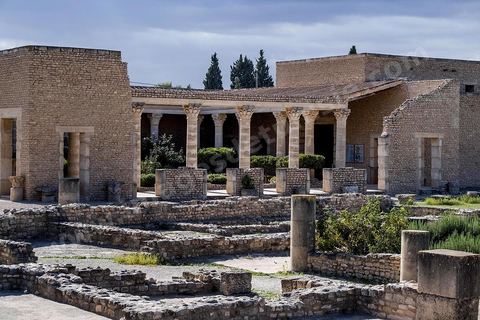
At the heart of the archaeological museum in El Djem, the ancient city of Thysdrus, a full-scale reconstruction of “the House of Africa” has been completed. This sumptuous aristocratic residence was built around 170 A.D. It was discovered by chance in the 1990s and takes its name from two mosaic panels whose central medallions depict, respectively, the goddess Africa and the province of Africa—the only known representations of the African continent.
El_Djem_28 · 2018
DSCF4346
DSCF4346 · 2018
DSCF4342
DSCF4342 · 2018
DSCF4334
DSCF4334 · 2018
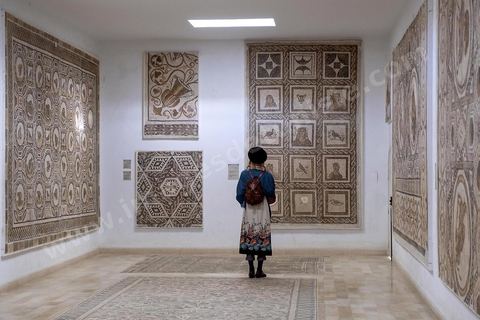
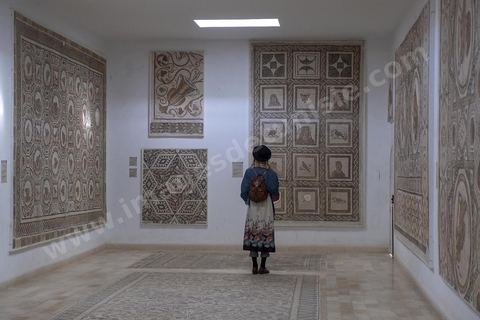
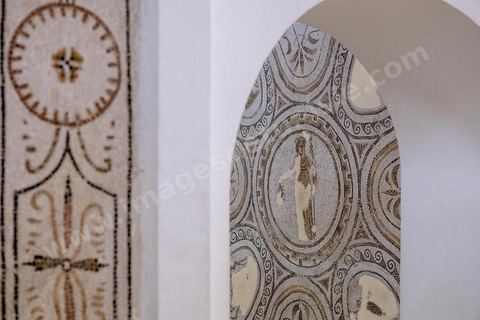
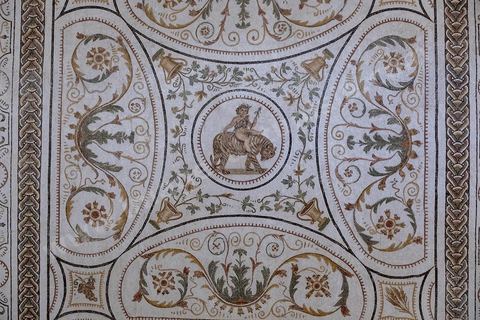
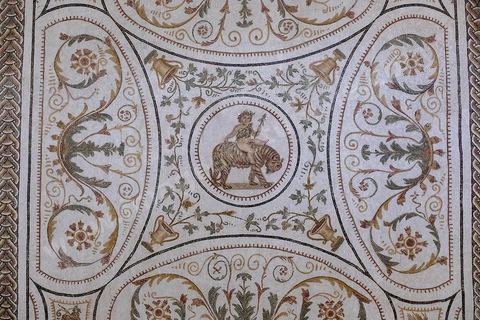
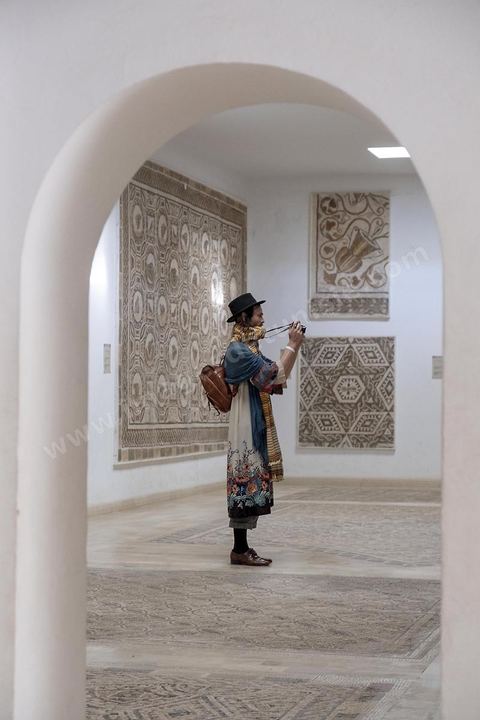
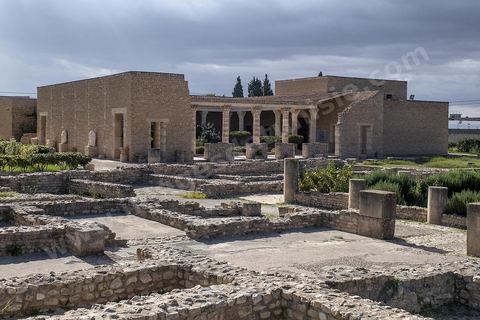
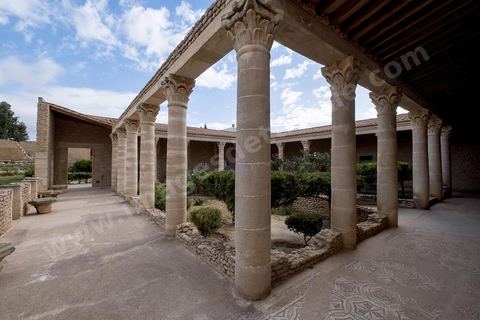
The Archaeological Museum of El Djem, the ancient city of Thysdrus, was built on the site of a Roman villa, whose spatial layout it recreates: a central courtyard surrounded by a peristyle—an open-air portico—that provides access to the rooms. On display there are artifacts—sculptures, mosaics, ceramics, and more—from excavations conducted in Thysdrus as well as in the surrounding area.
El_Djem_06 · 2018
DSCF4328
DSCF4328 · 2018
DSCF4326
DSCF4326 · 2018
DSCF4324
DSCF4324 · 2018
DSCF4317
DSCF4317 · 2018
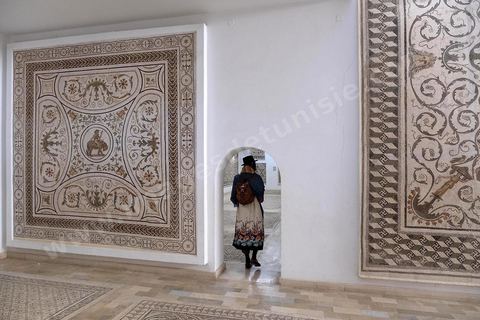
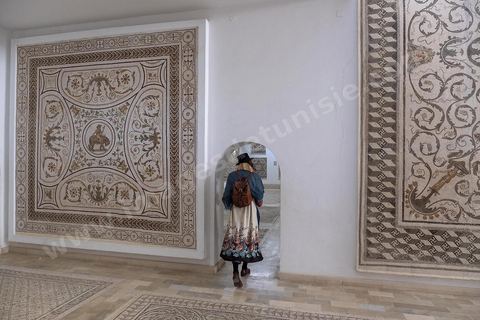
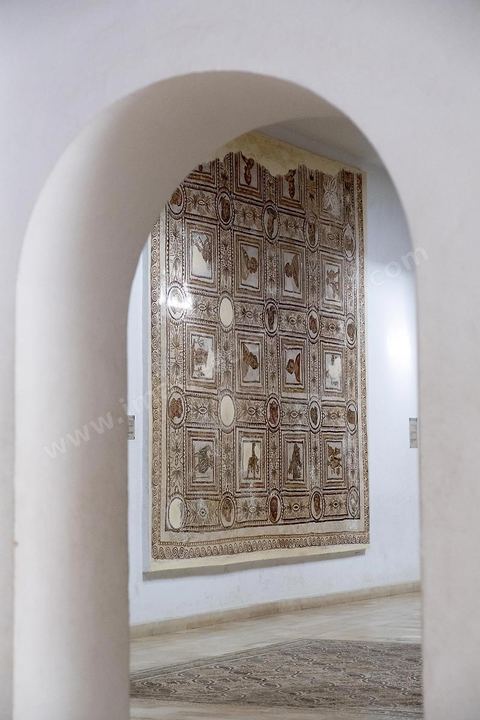
The Archaeological Museum of El Djem, the ancient city of Thysdrus, was built on the site of a Roman villa, whose spatial layout it recreates: a central courtyard surrounded by a peristyle—an open-air portico—that provides access to the rooms. On display there are artifacts—sculptures, mosaics, ceramics, and more—from excavations conducted in Thysdrus as well as in the surrounding area.
El_Djem_05 · 2018
DSCF4309
DSCF4309 · 2018
DSCF4305
DSCF4305 · 2018
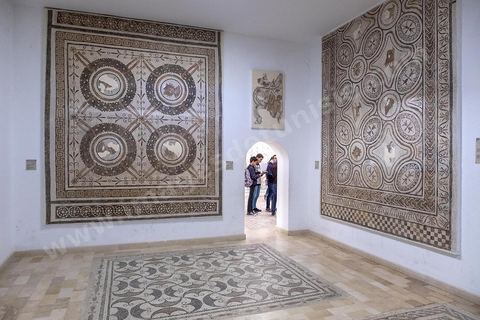
The Archaeological Museum of El Djem, the ancient city of Thysdrus, was built on the site of a Roman villa, whose spatial layout it recreates: a central courtyard surrounded by a peristyle—an open-air portico—that provides access to the rooms. On display there are artifacts—sculptures, mosaics, ceramics, and more—from excavations conducted in Thysdrus as well as in the surrounding area.
El_Djem_04 · 2018
DSCF4288
DSCF4288 · 2018
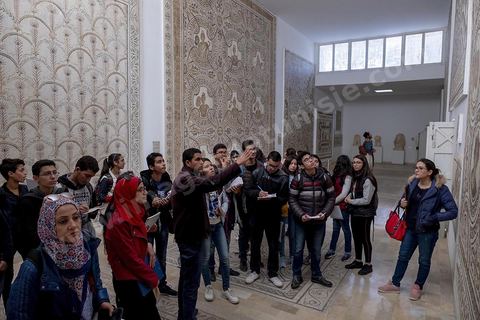
The Archaeological Museum of El Djem, the ancient city of Thysdrus, was built on the site of a Roman villa, whose spatial layout it recreates: a central courtyard surrounded by a peristyle—an open-air portico—that provides access to the rooms. On display there are artifacts—sculptures, mosaics, ceramics, and more—from excavations conducted in Thysdrus as well as in the surrounding area.
El_Djem_03 · 2018
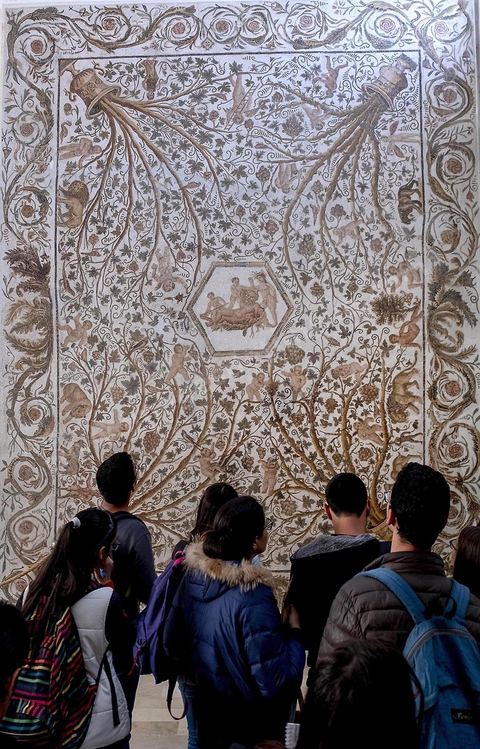
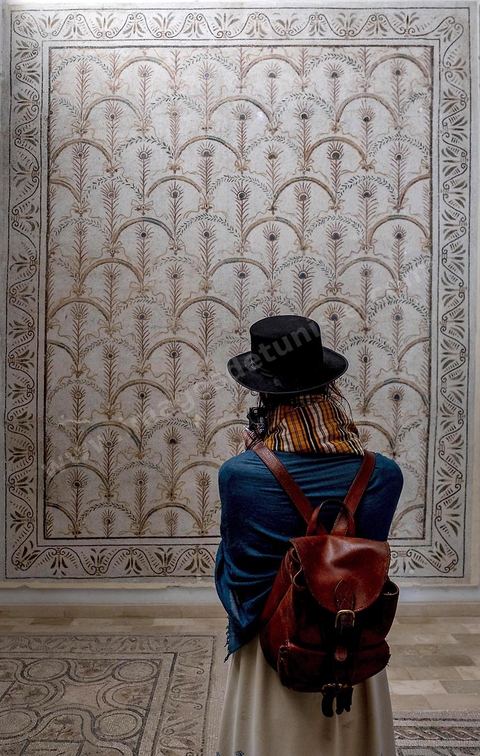
The Archaeological Museum of El Djem, the ancient city of Thysdrus, was built on the site of a Roman villa, whose spatial layout it recreates: a central courtyard surrounded by a peristyle—an open-air portico—that provides access to the rooms. On display there are artifacts—sculptures, mosaics, ceramics, and more—from excavations conducted in Thysdrus as well as in the surrounding area.
El_Djem_02 · 2018
DSCF4264
DSCF4264 · 2018
DSCF4253
DSCF4253 · 2018
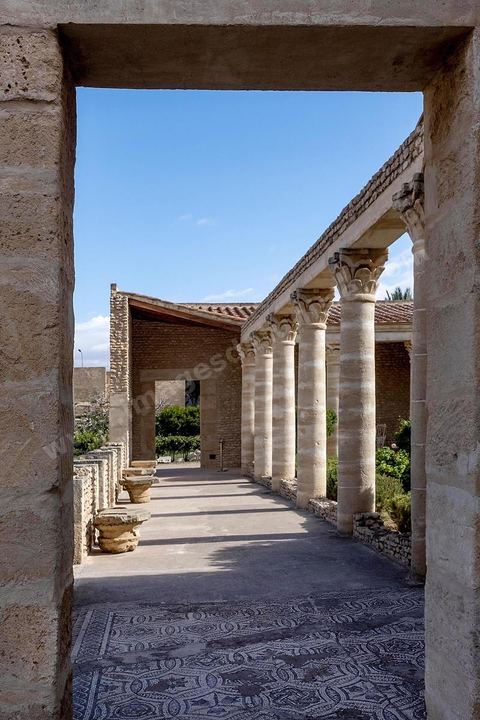
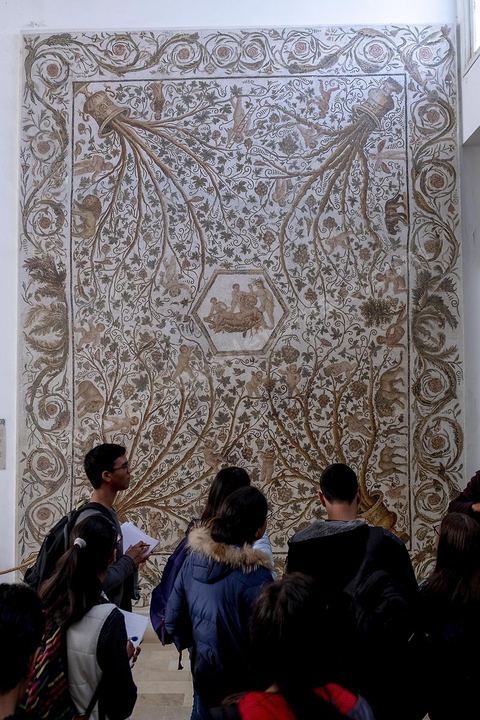
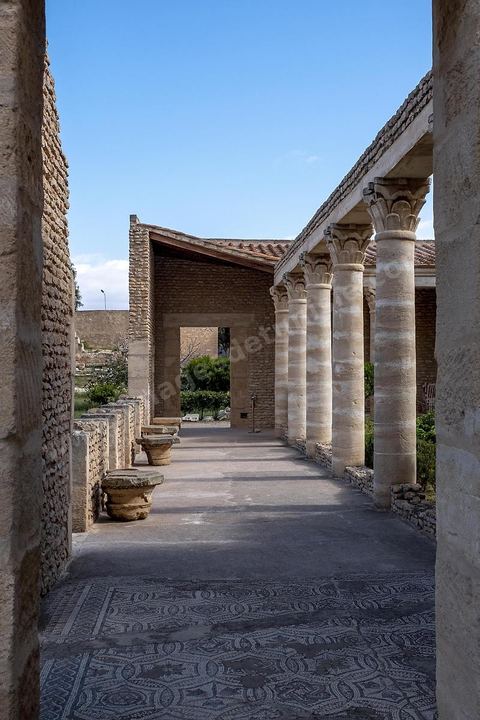
At the heart of the archaeological museum in El Djem, the ancient city of Thysdrus, a full-scale reconstruction of “the House of Africa” has been completed. This sumptuous aristocratic residence was built around 170 A.D. It was discovered by chance in the 1990s and takes its name from two mosaic panels whose central medallions depict, respectively, the goddess Africa and the province of Africa—the only known representations of the African continent.
El_Djem_21 · 2018
XPR21747
XPR21747 · 2018
XPR21737
XPR21737 · 2018
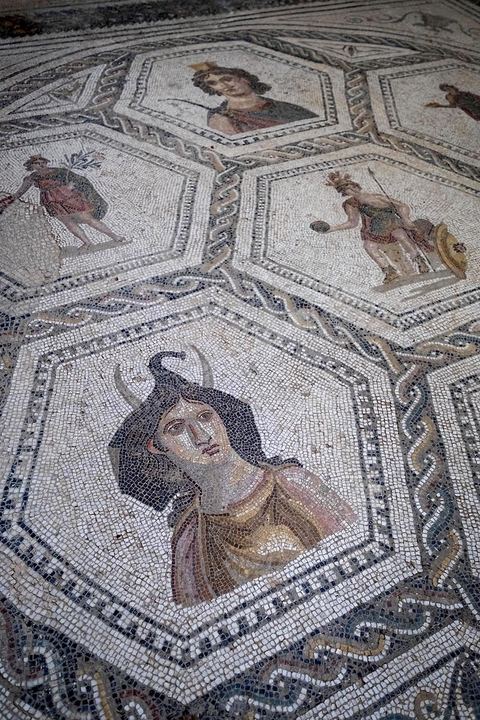
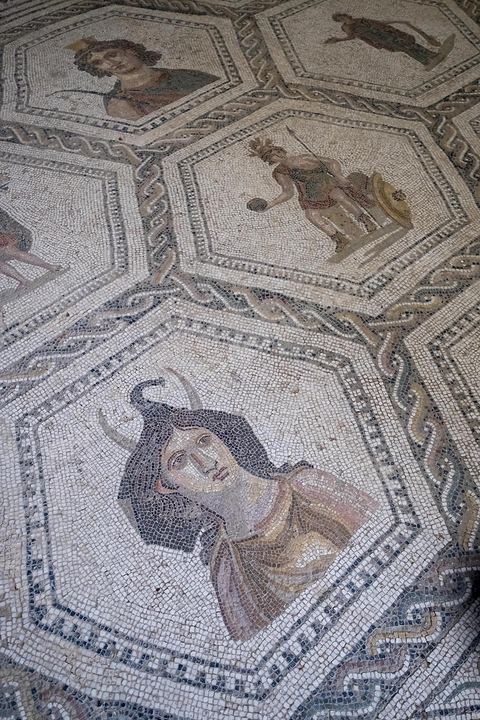
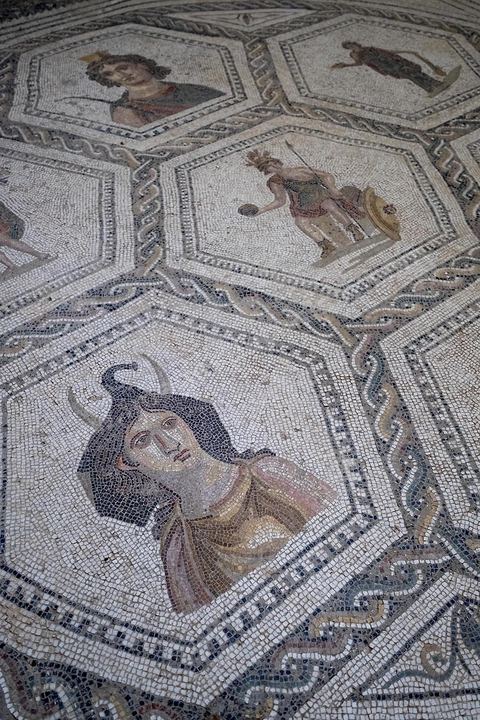
Details of the mosaic depicting Rome and its Provinces, mid-2nd century AD. In the heart of the Archaeological Museum of El Djem, the ancient city of Thysdrus, a full-scale reconstruction of “the House of Africa” has been created. This sumptuous aristocratic residence was built around 170 AD It was discovered by chance in the 1990s and takes its name from two mosaic panels, each featuring in its central medallion—one the goddess Africa, the other the province of Africa—the only known depictions of the African continent.
El_Djem_27 · 2018
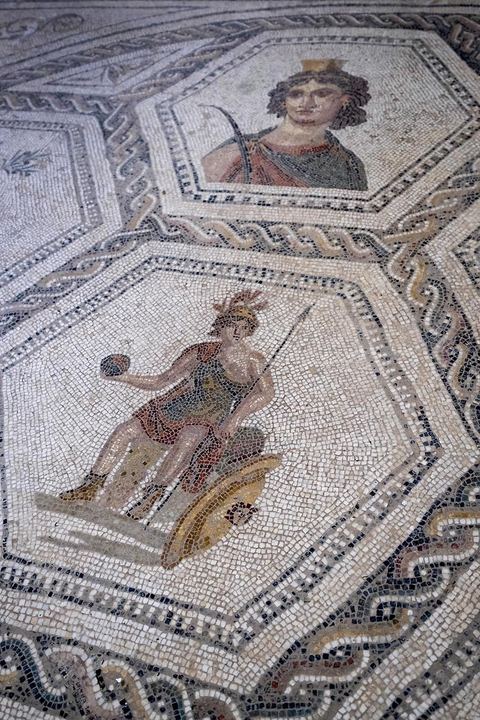
Details of the mosaic depicting Rome and its Provinces, mid-2nd century AD. In the heart of the Archaeological Museum of El Djem, the ancient city of Thysdrus, a full-scale reconstruction of “the House of Africa” has been created. This sumptuous aristocratic residence was built around 170 AD It was discovered by chance in the 1990s and takes its name from two mosaic panels, each featuring in its central medallion—one the goddess Africa, the other the province of Africa—the only known depictions of the African continent.
El_Djem_26 · 2018
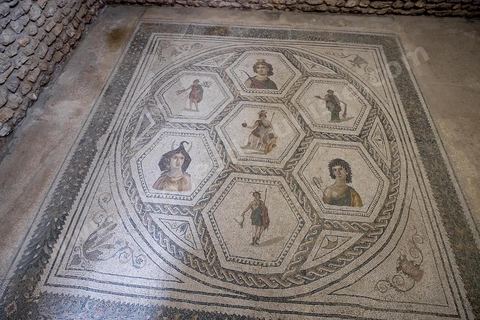
XPR21712
XPR21712 · 2018
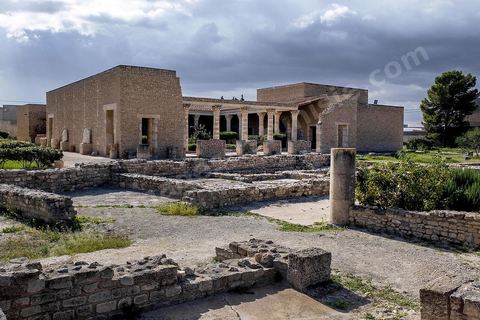
At the heart of the archaeological museum in El Djem, the ancient city of Thysdrus, a full-scale reconstruction of “the House of Africa” has been completed. This sumptuous aristocratic residence was built around 170 A.D. It was discovered by chance in the 1990s and takes its name from two mosaic panels whose central medallions depict, respectively, the goddess Africa and the province of Africa—the only known representations of the African continent.
El_Djem_20 · 2018
DSCF4239
DSCF4239 · 2018
XPR21690
XPR21690 · 2018
XPR21644
XPR21644 · 2018
XPR21614
XPR21614 · 2018
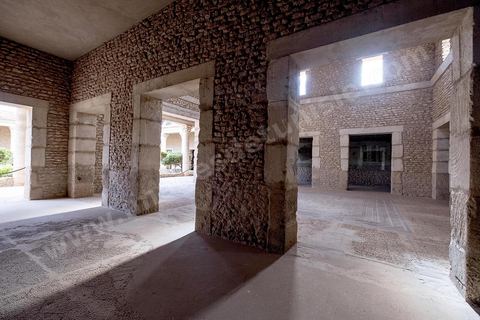
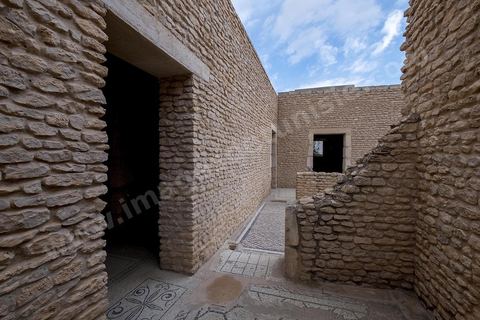
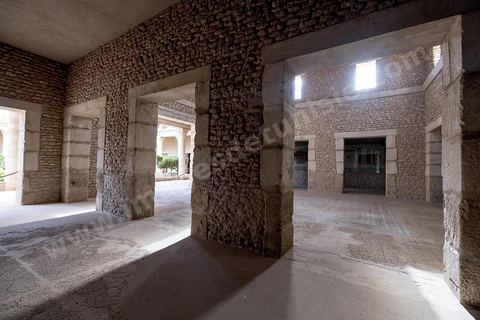
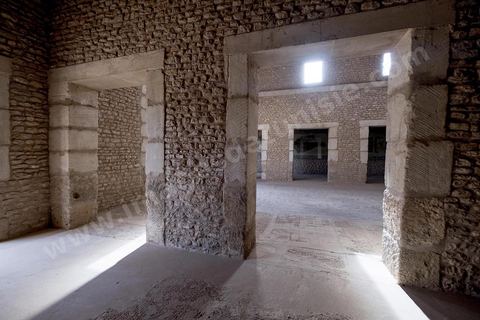
At the heart of the archaeological museum in El Djem, the ancient city of Thysdrus, a full-scale reconstruction of “the House of Africa” has been completed. This sumptuous aristocratic residence was built around 170 A.D. It was discovered by chance in the 1990s and takes its name from two mosaic panels whose central medallions depict, respectively, the goddess Africa and the province of Africa—the only known representations of the African continent.
El_Djem_25 · 2018
XPR21600
XPR21600 · 2018