L06-600 Mohamed de Regueb
1–54 of 77 · page 2/2
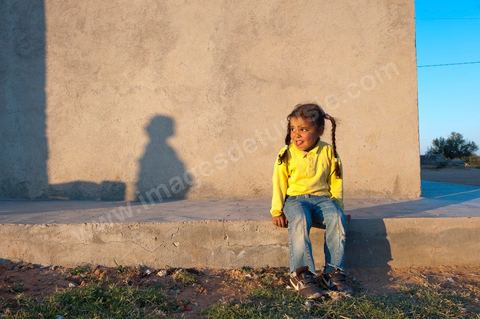
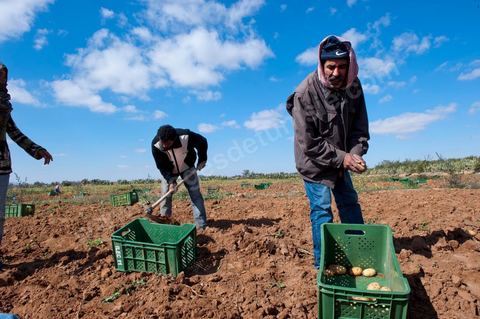
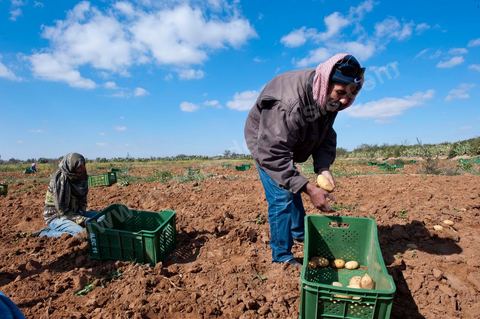
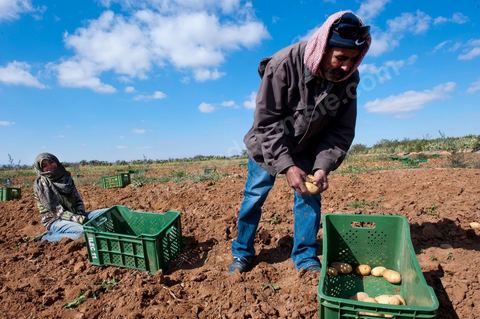
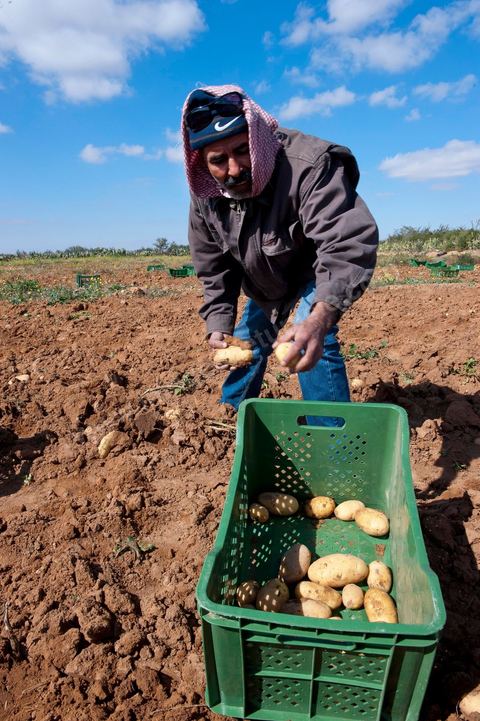
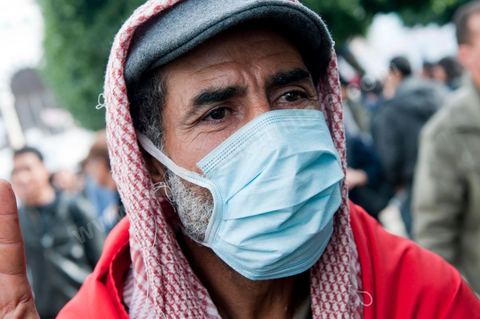
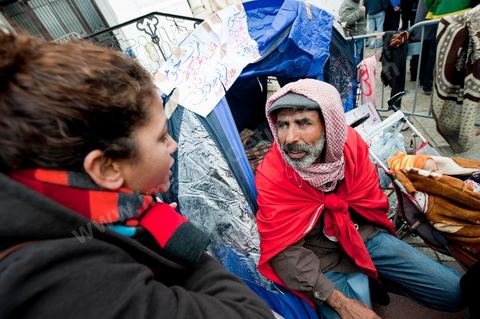
Mohamend Ayoun lives and works in Regueb, a town 30 km from Sidi Bouzid. Regueb was the birthplace and epicenter of the riots and protest movements calling for democracy, where the population engaged in violent clashes with the police of the Ben Ali regime, resulting in seven deaths and about fifty injuries. Mohamed, a veteran who served for 20 years in Lebanon and Palestine, returned home to Regueb, where he started a family and works as a seasonal farm laborer. His experience as a revolutionary in the Arab world has made him a leader in this Tunisian popular revolution in his town, guiding and supporting the young people at the heart of the uprising. I met him during the Caravan of Liberation at Kasbah Square in Tunis, where, during his six-day sit-in, he went on a hunger strike to demand the removal of former Ben Ali loyalists from the first transitional government. A few days later, I met up with Mohamed again in Regueb and spent two days learning about his life and getting to know the people of that region.
L06-670 · 2011
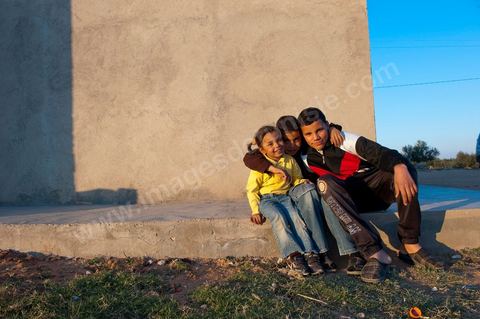
Mohamend Ayoun lives and works in Regueb, a town 30 km from Sidi Bouzid. Regueb was the birthplace and epicenter of the riots and protest movements calling for democracy, where the population engaged in violent clashes with the police of the Ben Ali regime, resulting in seven deaths and about fifty injuries. Mohamed, a veteran who served for 20 years in Lebanon and Palestine, returned home to Regueb, where he started a family and works as a seasonal farm laborer. His experience as a revolutionary in the Arab world has made him a leader in this Tunisian popular revolution in his town, guiding and supporting the young people at the heart of the uprising. I met him during the Caravan of Liberation at Kasbah Square in Tunis, where, during his six-day sit-in, he went on a hunger strike to demand the removal of former Ben Ali loyalists from the first transitional government. A few days later, I met up with Mohamed again in Regueb and spent two days learning about his life and getting to know the people of that region.
L06-669 · 2011
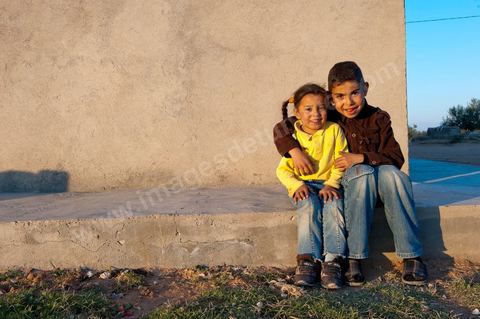
Mohamend Ayoun lives and works in Regueb, a town 30 km from Sidi Bouzid. Regueb was the birthplace and epicenter of the riots and protest movements calling for democracy, where the population engaged in violent clashes with the police of the Ben Ali regime, resulting in seven deaths and about fifty injuries. Mohamed, a veteran who served for 20 years in Lebanon and Palestine, returned home to Regueb, where he started a family and works as a seasonal farm laborer. His experience as a revolutionary in the Arab world has made him a leader in this Tunisian popular revolution in his town, guiding and supporting the young people at the heart of the uprising. I met him during the Caravan of Liberation at Kasbah Square in Tunis, where, during his six-day sit-in, he went on a hunger strike to demand the removal of former Ben Ali loyalists from the first transitional government. A few days later, I met up with Mohamed again in Regueb and spent two days learning about his life and getting to know the people of that region.
L06-668 · 2011
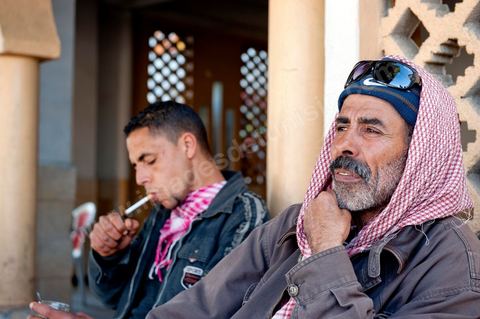
Mohamend Ayoun lives and works in Regueb, a town 30 km from Sidi Bouzid. Regueb was the birthplace and epicenter of the riots and protest movements calling for democracy, where the population engaged in violent clashes with the police of the Ben Ali regime, resulting in seven deaths and about fifty injuries. Mohamed, a veteran who served for 20 years in Lebanon and Palestine, returned home to Regueb, where he started a family and works as a seasonal farm laborer. His experience as a revolutionary in the Arab world has made him a leader in this Tunisian popular revolution in his town, guiding and supporting the young people at the heart of the uprising. I met him during the Caravan of Liberation at Kasbah Square in Tunis, where, during his six-day sit-in, he went on a hunger strike to demand the removal of former Ben Ali loyalists from the first transitional government. A few days later, I met up with Mohamed again in Regueb and spent two days learning about his life and getting to know the people of that region.
L06-642 · 2011
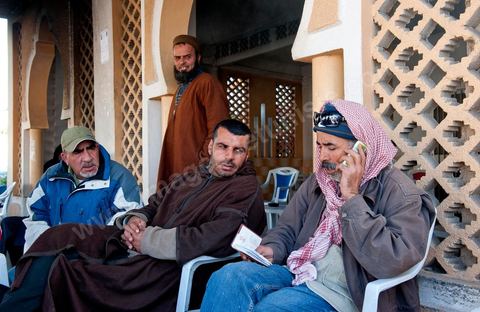
Mohamend Ayoun lives and works in Regueb, a town 30 km from Sidi Bouzid. Regueb was the birthplace and epicenter of the riots and protest movements calling for democracy, where the population engaged in violent clashes with the police of the Ben Ali regime, resulting in seven deaths and about fifty injuries. Mohamed, a veteran who served for 20 years in Lebanon and Palestine, returned home to Regueb, where he started a family and works as a seasonal farm laborer. His experience as a revolutionary in the Arab world has made him a leader in this Tunisian popular revolution in his town, guiding and supporting the young people at the heart of the uprising. I met him during the Caravan of Liberation at Kasbah Square in Tunis, where, during his six-day sit-in, he went on a hunger strike to demand the removal of former Ben Ali loyalists from the first transitional government. A few days later, I met up with Mohamed again in Regueb and spent two days learning about his life and getting to know the people of that region.
L06-641 · 2011
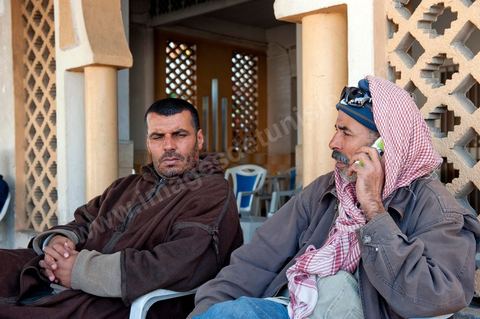
Mohamend Ayoun lives and works in Regueb, a town 30 km from Sidi Bouzid. Regueb was the birthplace and epicenter of the riots and protest movements calling for democracy, where the population engaged in violent clashes with the police of the Ben Ali regime, resulting in seven deaths and about fifty injuries. Mohamed, a veteran who served for 20 years in Lebanon and Palestine, returned home to Regueb, where he started a family and works as a seasonal farm laborer. His experience as a revolutionary in the Arab world has made him a leader in this Tunisian popular revolution in his town, guiding and supporting the young people at the heart of the uprising. I met him during the Caravan of Liberation at Kasbah Square in Tunis, where, during his six-day sit-in, he went on a hunger strike to demand the removal of former Ben Ali loyalists from the first transitional government. A few days later, I met up with Mohamed again in Regueb and spent two days learning about his life and getting to know the people of that region.
L06-640 · 2011
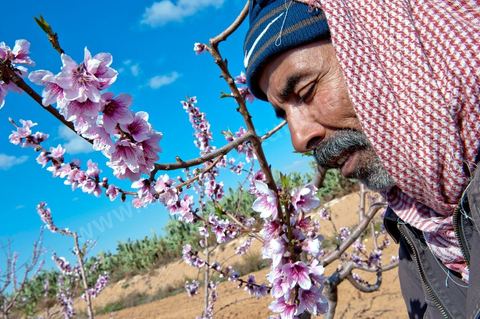
Mohamend Ayoun lives and works in Regueb, a town 30 km from Sidi Bouzid. Regueb was the birthplace and epicenter of the riots and protest movements calling for democracy, where the population engaged in violent clashes with the police of the Ben Ali regime, resulting in seven deaths and about fifty injuries. Mohamed, a veteran who served for 20 years in Lebanon and Palestine, returned home to Regueb, where he started a family and works as a seasonal farm laborer. His experience as a revolutionary in the Arab world has made him a leader in this Tunisian popular revolution in his town, guiding and supporting the young people at the heart of the uprising. I met him during the Caravan of Liberation at Kasbah Square in Tunis, where, during his six-day sit-in, he went on a hunger strike to demand the removal of former Ben Ali loyalists from the first transitional government. A few days later, I met up with Mohamed again in Regueb and spent two days learning about his life and getting to know the people of that region.
L06-639 · 2011
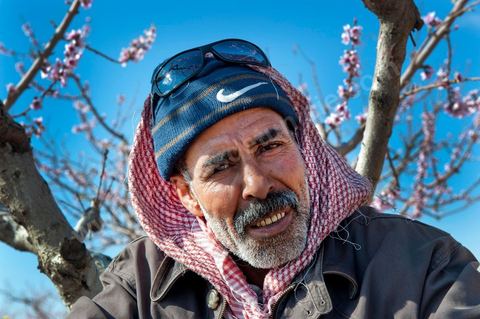
Mohamend Ayoun lives and works in Regueb, a town 30 km from Sidi Bouzid. Regueb was the birthplace and epicenter of the riots and protest movements calling for democracy, where the population engaged in violent clashes with the police of the Ben Ali regime, resulting in seven deaths and about fifty injuries. Mohamed, a veteran who served for 20 years in Lebanon and Palestine, returned home to Regueb, where he started a family and works as a seasonal farm laborer. His experience as a revolutionary in the Arab world has made him a leader in this Tunisian popular revolution in his town, guiding and supporting the young people at the heart of the uprising. I met him during the Caravan of Liberation at Kasbah Square in Tunis, where, during his six-day sit-in, he went on a hunger strike to demand the removal of former Ben Ali loyalists from the first transitional government. A few days later, I met up with Mohamed again in Regueb and spent two days learning about his life and getting to know the people of that region.
L06-638 · 2011
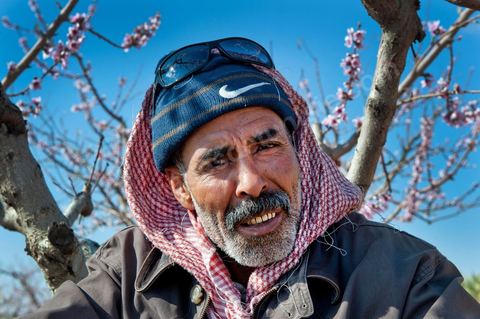
Mohamend Ayoun lives and works in Regueb, a town 30 km from Sidi Bouzid. Regueb was the birthplace and epicenter of the riots and protest movements calling for democracy, where the population engaged in violent clashes with the police of the Ben Ali regime, resulting in seven deaths and about fifty injuries. Mohamed, a veteran who served for 20 years in Lebanon and Palestine, returned home to Regueb, where he started a family and works as a seasonal farm laborer. His experience as a revolutionary in the Arab world has made him a leader in this Tunisian popular revolution in his town, guiding and supporting the young people at the heart of the uprising. I met him during the Caravan of Liberation at Kasbah Square in Tunis, where, during his six-day sit-in, he went on a hunger strike to demand the removal of former Ben Ali loyalists from the first transitional government. A few days later, I met up with Mohamed again in Regueb and spent two days learning about his life and getting to know the people of that region.
L06-637 · 2011
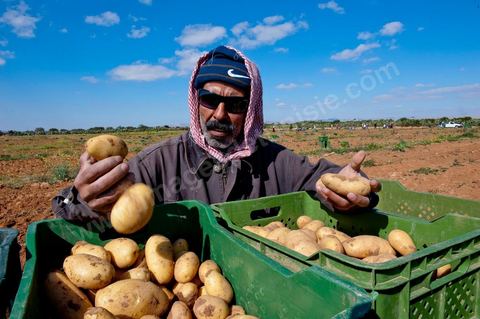
Mohamend Ayoun lives and works in Regueb, a town 30 km from Sidi Bouzid. Regueb was the birthplace and epicenter of the riots and protest movements calling for democracy, where the population engaged in violent clashes with the police of the Ben Ali regime, resulting in seven deaths and about fifty injuries. Mohamed, a veteran who served for 20 years in Lebanon and Palestine, returned home to Regueb, where he started a family and works as a seasonal farm laborer. His experience as a revolutionary in the Arab world has made him a leader in this Tunisian popular revolution in his town, guiding and supporting the young people at the heart of the uprising. I met him during the Caravan of Liberation at Kasbah Square in Tunis, where, during his six-day sit-in, he went on a hunger strike to demand the removal of former Ben Ali loyalists from the first transitional government. A few days later, I met up with Mohamed again in Regueb and spent two days learning about his life and getting to know the people of that region.
L06-632 · 2011
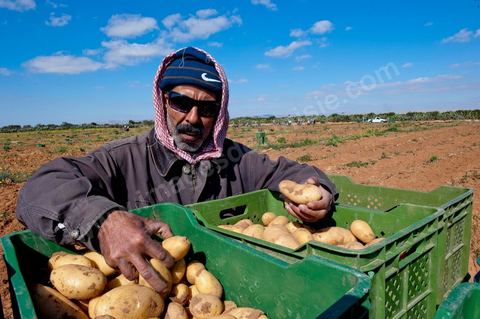
Mohamend Ayoun lives and works in Regueb, a town 30 km from Sidi Bouzid. Regueb was the birthplace and epicenter of the riots and protest movements calling for democracy, where the population engaged in violent clashes with the police of the Ben Ali regime, resulting in seven deaths and about fifty injuries. Mohamed, a veteran who served for 20 years in Lebanon and Palestine, returned home to Regueb, where he started a family and works as a seasonal farm laborer. His experience as a revolutionary in the Arab world has made him a leader in this Tunisian popular revolution in his town, guiding and supporting the young people at the heart of the uprising. I met him during the Caravan of Liberation at Kasbah Square in Tunis, where, during his six-day sit-in, he went on a hunger strike to demand the removal of former Ben Ali loyalists from the first transitional government. A few days later, I met up with Mohamed again in Regueb and spent two days learning about his life and getting to know the people of that region.
L06-631 · 2011
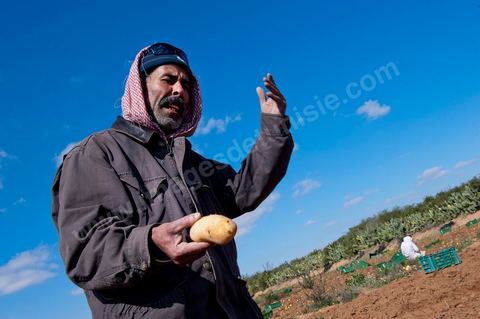
L06-630
L06-630 · 2011
L06-636
L06-636 · 2011
L06-635
L06-635 · 2011
L06-634
L06-634 · 2011
L06-633
L06-633 · 2011
L06-610
L06-610 · 2011
L06-609
L06-609 · 2011
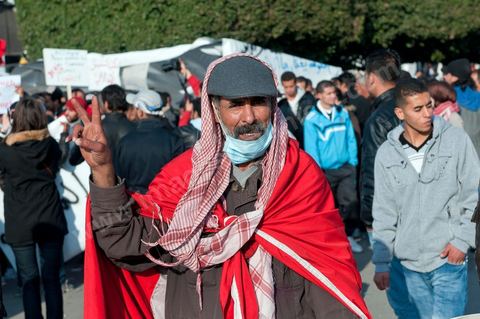
26 janvier sur la place de la Kasbah la Caravane de la libération maintient sa présence. L'installation des habitants du sud ouest devant les portes du gouvernement est de plus ne plus soutenue par les avocats qui les protégent des manipulations diverses, des médecins qui les soignent et de la jeunesse qui découvrent la démocratie. Elle affrontera aussi pour la première fois ce matin les forces de police gaz lacrymo et coups de matraques.
L06-608 · 2011
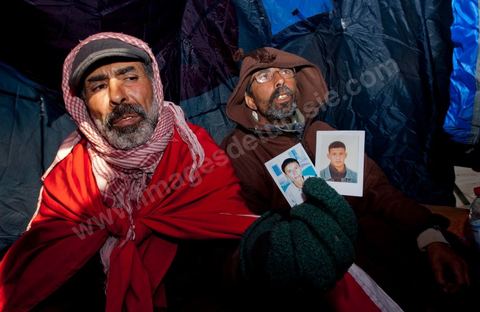
Day 24: Second day of protests by the Liberation Caravan. After spending the night in Government Square across from the Prime Minister’s Office, protesters from the southwest are holding their ground until the government resigns. Demonstrations, tributes to the martyrs of the Revolution, sit-ins, and discussions with the military.
L06-607 · 2011
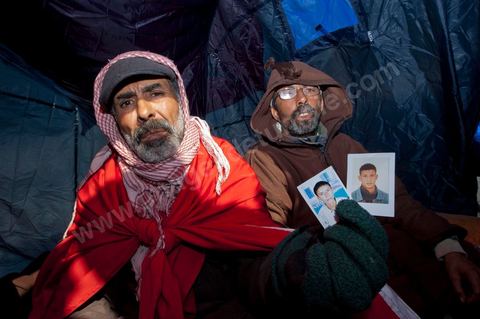
Day 24: Second day of protests by the Liberation Caravan. After spending the night in Government Square across from the Prime Minister’s Office, protesters from the southwest are holding their ground until the government resigns. Demonstrations, tributes to the martyrs of the Revolution, sit-ins, and discussions with the military.
L06-606 · 2011
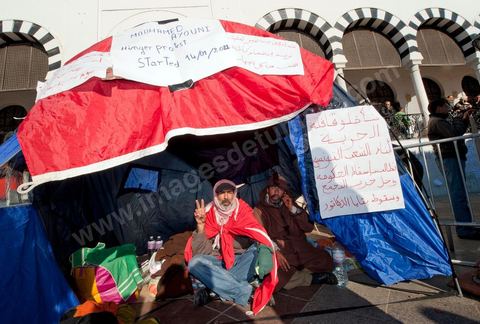
Day 24: Second day of protests by the Liberation Caravan. After spending the night in Government Square across from the Prime Minister’s Office, protesters from the southwest are holding their ground until the government resigns. Demonstrations, tributes to the martyrs of the Revolution, sit-ins, and discussions with the military.
L06-605 · 2011
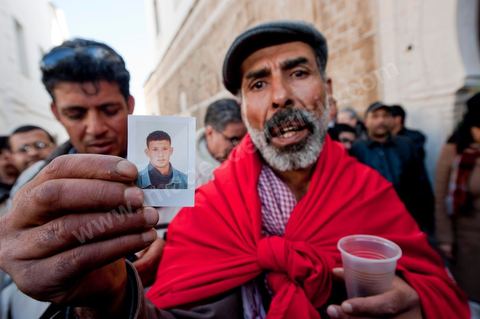
Journée du 23 janvier : arrivée à Tunis de la "Caravane de la Libération". Près d'un millier de manifestants venant des régions de Sidi Bouzid et Kasserine pour " faire tomber le gouvernement". Après une nuit sur les routes de Tunisie, ces hommes, femmes et enfants à l'origine de cette révolution viennent s'installer devant les portes du Premier Ministère pour demander la démission du gouvernement. Soutenus par les tunisois qui leur apportent de la nourriture et écoutent les histoires de ces martyrs de la Révolution. Couchés devant les portes du premier ministre, ils décident de ne pas bouger tant que le gouvernement ne démissionne. C'est leur Révolution.
L06-604 · 2011
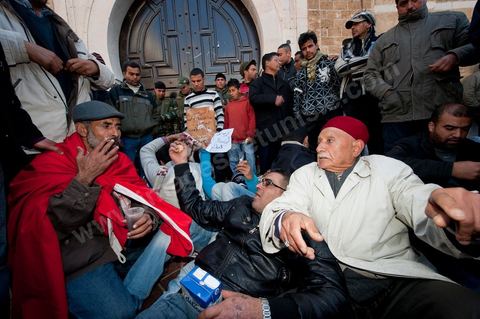
Journée du 23 janvier : arrivée à Tunis de la "Caravane de la Libération". Près d'un millier de manifestants venant des régions de Sidi Bouzid et Kasserine pour " faire tomber le gouvernement". Après une nuit sur les routes de Tunisie, ces hommes, femmes et enfants à l'origine de cette révolution viennent s'installer devant les portes du Premier Ministère pour demander la démission du gouvernement. Soutenus par les tunisois qui leur apportent de la nourriture et écoutent les histoires de ces martyrs de la Révolution. Couchés devant les portes du premier ministre, ils décident de ne pas bouger tant que le gouvernement ne démissionne. C'est leur Révolution.
L06-603 · 2011
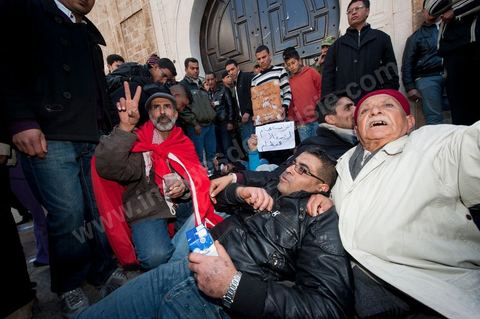
Journée du 23 janvier : arrivée à Tunis de la "Caravane de la Libération". Près d'un millier de manifestants venant des régions de Sidi Bouzid et Kasserine pour " faire tomber le gouvernement". Après une nuit sur les routes de Tunisie, ces hommes, femmes et enfants à l'origine de cette révolution viennent s'installer devant les portes du Premier Ministère pour demander la démission du gouvernement. Soutenus par les tunisois qui leur apportent de la nourriture et écoutent les histoires de ces martyrs de la Révolution. Couchés devant les portes du premier ministre, ils décident de ne pas bouger tant que le gouvernement ne démissionne. C'est leur Révolution.
L06-602 · 2011
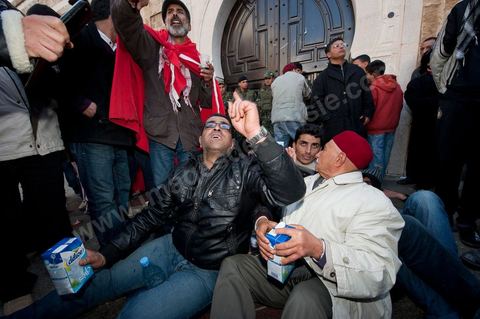
Journée du 23 janvier : arrivée à Tunis de la "Caravane de la Libération". Près d'un millier de manifestants venant des régions de Sidi Bouzid et Kasserine pour " faire tomber le gouvernement". Après une nuit sur les routes de Tunisie, ces hommes, femmes et enfants à l'origine de cette révolution viennent s'installer devant les portes du Premier Ministère pour demander la démission du gouvernement. Soutenus par les tunisois qui leur apportent de la nourriture et écoutent les histoires de ces martyrs de la Révolution. Couchés devant les portes du premier ministre, ils décident de ne pas bouger tant que le gouvernement ne démissionne. C'est leur Révolution.
L06-601 · 2011
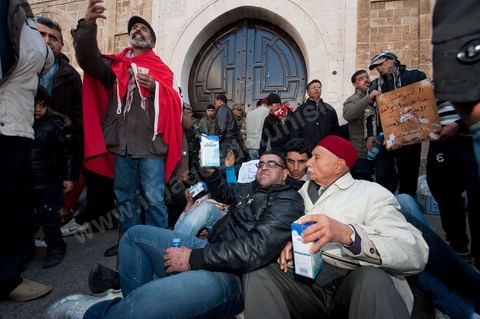
Journée du 23 janvier : arrivée à Tunis de la "Caravane de la Libération". Près d'un millier de manifestants venant des régions de Sidi Bouzid et Kasserine pour " faire tomber le gouvernement". Après une nuit sur les routes de Tunisie, ces hommes, femmes et enfants à l'origine de cette révolution viennent s'installer devant les portes du Premier Ministère pour demander la démission du gouvernement. Soutenus par les tunisois qui leur apportent de la nourriture et écoutent les histoires de ces martyrs de la Révolution. Couchés devant les portes du premier ministre, ils décident de ne pas bouger tant que le gouvernement ne démissionne. C'est leur Révolution.
L06-600 · 2011