M01-800: The Bouazizi Family in Tunis
1–50 of 89 · page 1/2
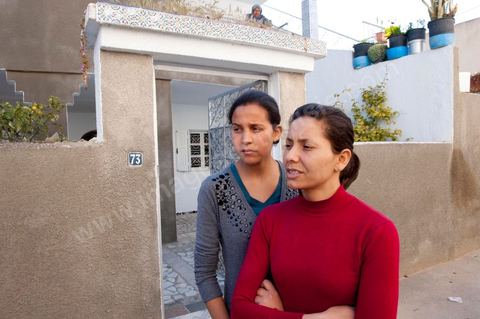
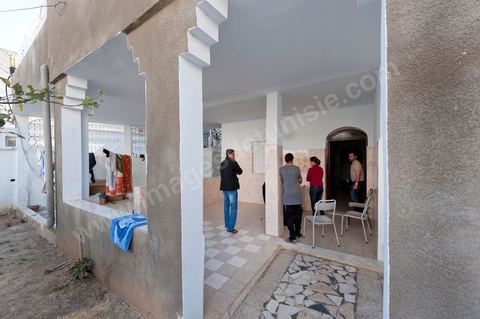
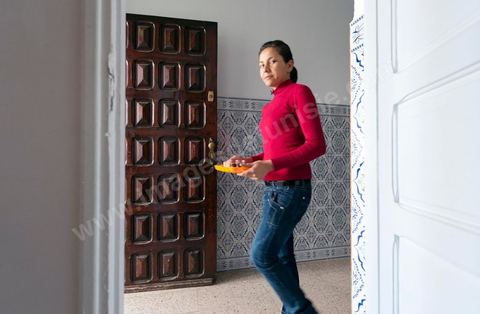
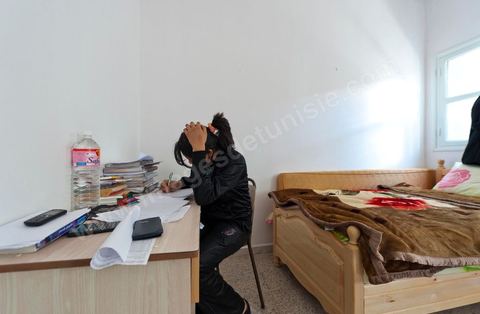
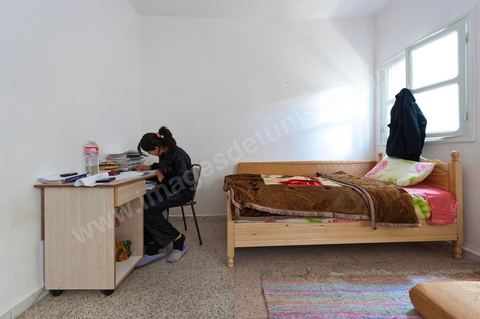
The Bouazizi Family’s New Home Forced to leave Sidi Bouzid, where the pressure had become too much for them, the Bouazizi family found refuge 260 kilometers away, in Tunis. Mohamed Bouazizi’s mother, the iconic figure of Tunisia’s popular uprising, his sisters, and his two youngest brothers live in a house with blue ceramic tiles—a three-room ground-floor apartment—in the working-class neighborhood of Bousalsa in La Marsa, on the northern outskirts of Tunis. Leila, the 24-year-old eldest sister, is enrolled in a work-study vocational program to become a quality control inspector in the textile industry; Semia, 19, is preparing for her high school diploma, while Basma, 16, Karim, 14, and Zyed, 8, are still in school. Only the eldest brother, Salem, lives elsewhere, in Sfax. Singled out by some residents of Sidi Bouzid, who accuse her of receiving money from the government, the Bouazizi family produces the lease for their new home, which they plan to rent for six months, through August, at a cost of 360 dinars (180 euros). Soon, the mother promises, they will return to Sidi Bouzid.
M01-807 · 2011
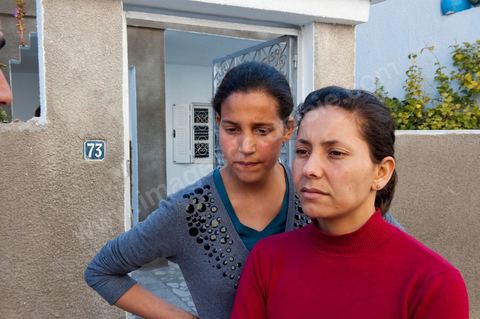
The Bouazizi Family’s New Home Forced to leave Sidi Bouzid, where the pressure had become too much for them, the Bouazizi family found refuge 260 kilometers away, in Tunis. Mohamed Bouazizi’s mother, the iconic figure of Tunisia’s popular uprising, his sisters, and his two youngest brothers live in a house with blue ceramic tiles—a three-room ground-floor apartment—in the working-class neighborhood of Bousalsa in La Marsa, on the northern outskirts of Tunis. Leila, the 24-year-old eldest sister, is enrolled in a work-study vocational program to become a quality control inspector in the textile industry; Semia, 19, is preparing for her high school diploma, while Basma, 16, Karim, 14, and Zyed, 8, are still in school. Only the eldest brother, Salem, lives elsewhere, in Sfax. Singled out by some residents of Sidi Bouzid, who accuse her of receiving money from the government, the Bouazizi family produces the lease for their new home, which they plan to rent for six months, through August, at a cost of 360 dinars (180 euros). Soon, the mother promises, they will return to Sidi Bouzid.
M01-806 · 2011
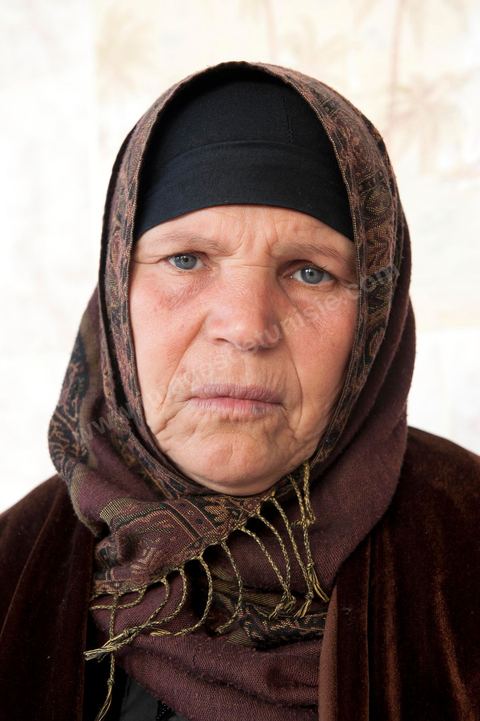
The Bouazizi Family’s New Home Forced to leave Sidi Bouzid, where the pressure had become too much for them, the Bouazizi family found refuge 260 kilometers away, in Tunis. Mohamed Bouazizi’s mother, the iconic figure of Tunisia’s popular uprising, his sisters, and his two youngest brothers live in a house with blue ceramic tiles—a three-room ground-floor apartment—in the working-class neighborhood of Bousalsa in La Marsa, on the northern outskirts of Tunis. Leila, the 24-year-old eldest sister, is enrolled in a work-study vocational program to become a quality control inspector in the textile industry; Semia, 19, is preparing for her high school diploma, while Basma, 16, Karim, 14, and Zyed, 8, are still in school. Only the eldest brother, Salem, lives elsewhere, in Sfax. Singled out by some residents of Sidi Bouzid, who accuse her of receiving money from the government, the Bouazizi family produces the lease for their new home, which they plan to rent for six months, through August, at a cost of 360 dinars (180 euros). Soon, the mother promises, they will return to Sidi Bouzid.
M01-858 · 2011
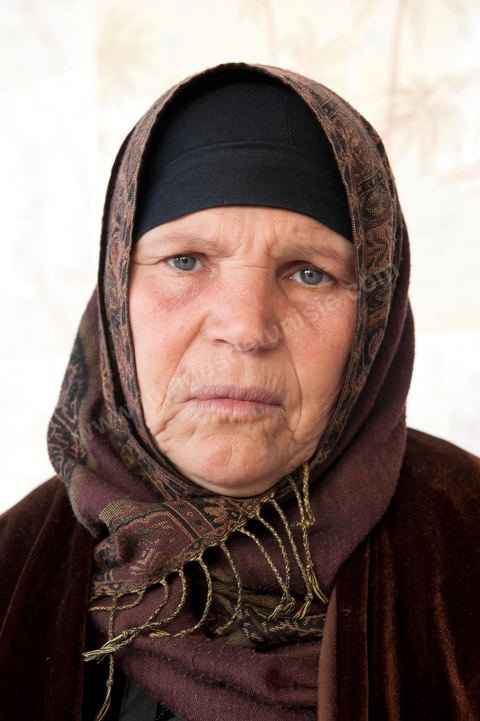
The Bouazizi Family’s New Home Forced to leave Sidi Bouzid, where the pressure had become too much for them, the Bouazizi family found refuge 260 kilometers away, in Tunis. Mohamed Bouazizi’s mother, the iconic figure of Tunisia’s popular uprising, his sisters, and his two youngest brothers live in a house with blue ceramic tiles—a three-room ground-floor apartment—in the working-class neighborhood of Bousalsa in La Marsa, on the northern outskirts of Tunis. Leila, the 24-year-old eldest sister, is enrolled in a work-study vocational program to become a quality control inspector in the textile industry; Semia, 19, is preparing for her high school diploma, while Basma, 16, Karim, 14, and Zyed, 8, are still in school. Only the eldest brother, Salem, lives elsewhere, in Sfax. Singled out by some residents of Sidi Bouzid, who accuse her of receiving money from the government, the Bouazizi family produces the lease for their new home, which they plan to rent for six months, through August, at a cost of 360 dinars (180 euros). Soon, the mother promises, they will return to Sidi Bouzid.
M01-859 · 2011
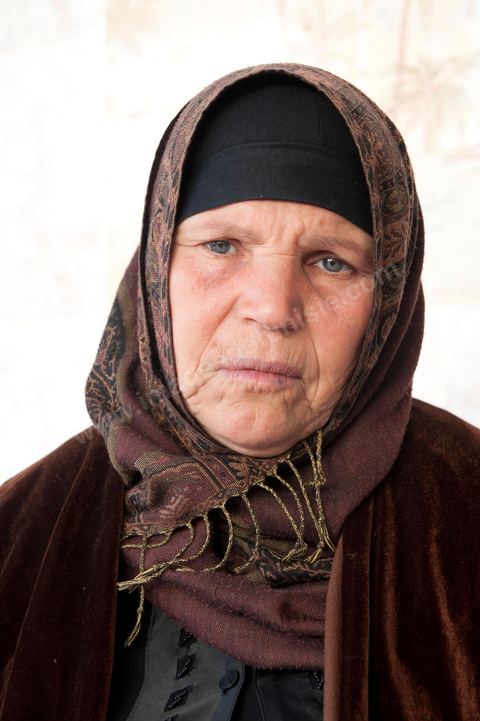
The Bouazizi Family’s New Home Forced to leave Sidi Bouzid, where the pressure had become too much for them, the Bouazizi family found refuge 260 kilometers away, in Tunis. Mohamed Bouazizi’s mother, the iconic figure of Tunisia’s popular uprising, his sisters, and his two youngest brothers live in a house with blue ceramic tiles—a three-room ground-floor apartment—in the working-class neighborhood of Bousalsa in La Marsa, on the northern outskirts of Tunis. Leila, the 24-year-old eldest sister, is enrolled in a work-study vocational program to become a quality control inspector in the textile industry; Semia, 19, is preparing for her high school diploma, while Basma, 16, Karim, 14, and Zyed, 8, are still in school. Only the eldest brother, Salem, lives elsewhere, in Sfax. Singled out by some residents of Sidi Bouzid, who accuse her of receiving money from the government, the Bouazizi family produces the lease for their new home, which they plan to rent for six months, through August, at a cost of 360 dinars (180 euros). Soon, the mother promises, they will return to Sidi Bouzid.
M01-857 · 2011
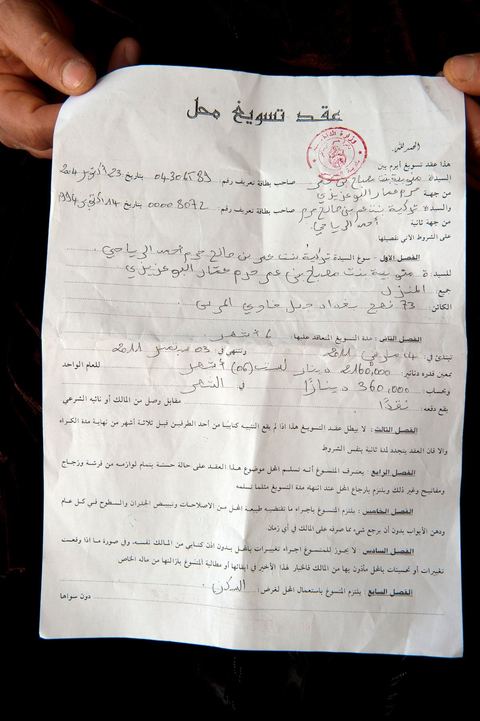
The Bouazizi Family’s New Home Forced to leave Sidi Bouzid, where the pressure had become too much for them, the Bouazizi family found refuge 260 kilometers away, in Tunis. Mohamed Bouazizi’s mother, the iconic figure of Tunisia’s popular uprising, his sisters, and his two youngest brothers live in a house with blue ceramic tiles—a three-room ground-floor apartment—in the working-class neighborhood of Bousalsa in La Marsa, on the northern outskirts of Tunis. Leila, the 24-year-old eldest sister, is enrolled in a work-study vocational program to become a quality control inspector in the textile industry; Semia, 19, is preparing for her high school diploma, while Basma, 16, Karim, 14, and Zyed, 8, are still in school. Only the eldest brother, Salem, lives elsewhere, in Sfax. Singled out by some residents of Sidi Bouzid, who accuse her of receiving money from the government, the Bouazizi family produces the lease for their new home, which they plan to rent for six months, through August, at a cost of 360 dinars (180 euros). Soon, the mother promises, they will return to Sidi Bouzid.
M01-860 · 2011
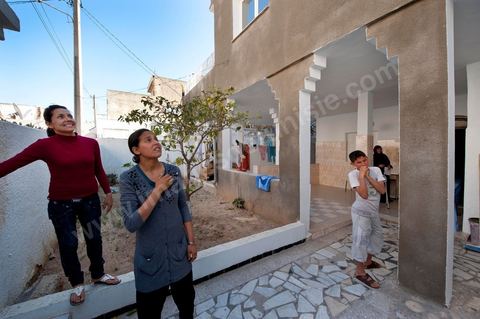
The Bouazizi Family’s New Home Forced to leave Sidi Bouzid, where the pressure had become too much for them, the Bouazizi family found refuge 260 kilometers away, in Tunis. Mohamed Bouazizi’s mother, the iconic figure of Tunisia’s popular uprising, his sisters, and his two youngest brothers live in a house with blue ceramic tiles—a three-room ground-floor apartment—in the working-class neighborhood of Bousalsa in La Marsa, on the northern outskirts of Tunis. Leila, the 24-year-old eldest sister, is enrolled in a work-study vocational program to become a quality control inspector in the textile industry; Semia, 19, is preparing for her high school diploma, while Basma, 16, Karim, 14, and Zyed, 8, are still in school. Only the eldest brother, Salem, lives elsewhere, in Sfax. Singled out by some residents of Sidi Bouzid, who accuse her of receiving money from the government, the Bouazizi family produces the lease for their new home, which they plan to rent for six months, through August, at a cost of 360 dinars (180 euros). Soon, the mother promises, they will return to Sidi Bouzid.
M01-805 · 2011
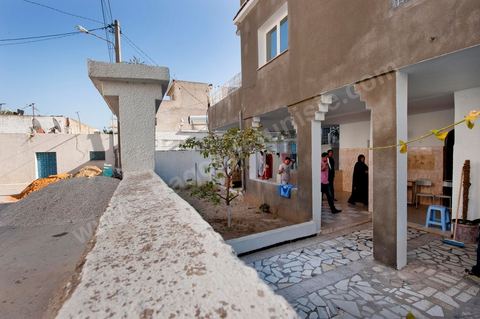
The Bouazizi Family’s New Home Forced to leave Sidi Bouzid, where the pressure had become too much for them, the Bouazizi family found refuge 260 kilometers away, in Tunis. Mohamed Bouazizi’s mother, the iconic figure of Tunisia’s popular uprising, his sisters, and his two youngest brothers live in a house with blue ceramic tiles—a three-room ground-floor apartment—in the working-class neighborhood of Bousalsa in La Marsa, on the northern outskirts of Tunis. Leila, the 24-year-old eldest sister, is enrolled in a work-study vocational program to become a quality control inspector in the textile industry; Semia, 19, is preparing for her high school diploma, while Basma, 16, Karim, 14, and Zyed, 8, are still in school. Only the eldest brother, Salem, lives elsewhere, in Sfax. Singled out by some residents of Sidi Bouzid, who accuse her of receiving money from the government, the Bouazizi family produces the lease for their new home, which they plan to rent for six months, through August, at a cost of 360 dinars (180 euros). Soon, the mother promises, they will return to Sidi Bouzid.
M01-804 · 2011
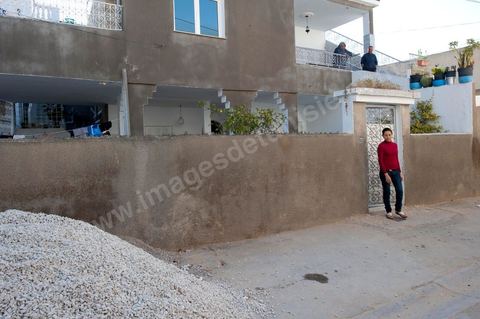
The Bouazizi Family’s New Home Forced to leave Sidi Bouzid, where the pressure had become too much for them, the Bouazizi family found refuge 260 kilometers away, in Tunis. Mohamed Bouazizi’s mother, the iconic figure of Tunisia’s popular uprising, his sisters, and his two youngest brothers live in a house with blue ceramic tiles—a three-room ground-floor apartment—in the working-class neighborhood of Bousalsa in La Marsa, on the northern outskirts of Tunis. Leila, the 24-year-old eldest sister, is enrolled in a work-study vocational program to become a quality control inspector in the textile industry; Semia, 19, is preparing for her high school diploma, while Basma, 16, Karim, 14, and Zyed, 8, are still in school. Only the eldest brother, Salem, lives elsewhere, in Sfax. Singled out by some residents of Sidi Bouzid, who accuse her of receiving money from the government, the Bouazizi family produces the lease for their new home, which they plan to rent for six months, through August, at a cost of 360 dinars (180 euros). Soon, the mother promises, they will return to Sidi Bouzid.
M01-803 · 2011
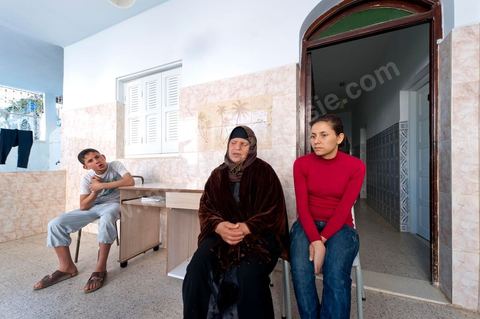
The Bouazizi Family’s New Home Forced to leave Sidi Bouzid, where the pressure had become too much for them, the Bouazizi family found refuge 260 kilometers away, in Tunis. Mohamed Bouazizi’s mother, the iconic figure of Tunisia’s popular uprising, his sisters, and his two youngest brothers live in a house with blue ceramic tiles—a three-room ground-floor apartment—in the working-class neighborhood of Bousalsa in La Marsa, on the northern outskirts of Tunis. Leila, the 24-year-old eldest sister, is enrolled in a work-study vocational program to become a quality control inspector in the textile industry; Semia, 19, is preparing for her high school diploma, while Basma, 16, Karim, 14, and Zyed, 8, are still in school. Only the eldest brother, Salem, lives elsewhere, in Sfax. Singled out by some residents of Sidi Bouzid, who accuse her of receiving money from the government, the Bouazizi family produces the lease for their new home, which they plan to rent for six months, through August, at a cost of 360 dinars (180 euros). Soon, the mother promises, they will return to Sidi Bouzid.
M01-818 · 2011
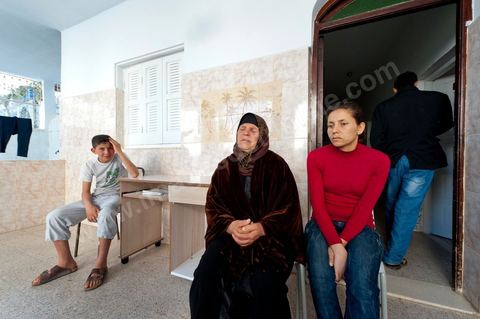
The Bouazizi Family’s New Home Forced to leave Sidi Bouzid, where the pressure had become too much for them, the Bouazizi family found refuge 260 kilometers away, in Tunis. Mohamed Bouazizi’s mother, the iconic figure of Tunisia’s popular uprising, his sisters, and his two youngest brothers live in a house with blue ceramic tiles—a three-room ground-floor apartment—in the working-class neighborhood of Bousalsa in La Marsa, on the northern outskirts of Tunis. Leila, the 24-year-old eldest sister, is enrolled in a work-study vocational program to become a quality control inspector in the textile industry; Semia, 19, is preparing for her high school diploma, while Basma, 16, Karim, 14, and Zyed, 8, are still in school. Only the eldest brother, Salem, lives elsewhere, in Sfax. Singled out by some residents of Sidi Bouzid, who accuse her of receiving money from the government, the Bouazizi family produces the lease for their new home, which they plan to rent for six months, through August, at a cost of 360 dinars (180 euros). Soon, the mother promises, they will return to Sidi Bouzid.
M01-817 · 2011
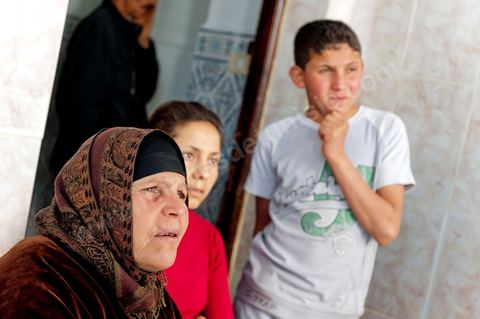
The Bouazizi Family’s New Home Forced to leave Sidi Bouzid, where the pressure had become too much for them, the Bouazizi family found refuge 260 kilometers away, in Tunis. Mohamed Bouazizi’s mother, the iconic figure of Tunisia’s popular uprising, his sisters, and his two youngest brothers live in a house with blue ceramic tiles—a three-room ground-floor apartment—in the working-class neighborhood of Bousalsa in La Marsa, on the northern outskirts of Tunis. Leila, the 24-year-old eldest sister, is enrolled in a work-study vocational program to become a quality control inspector in the textile industry; Semia, 19, is preparing for her high school diploma, while Basma, 16, Karim, 14, and Zyed, 8, are still in school. Only the eldest brother, Salem, lives elsewhere, in Sfax. Singled out by some residents of Sidi Bouzid, who accuse her of receiving money from the government, the Bouazizi family produces the lease for their new home, which they plan to rent for six months, through August, at a cost of 360 dinars (180 euros). Soon, the mother promises, they will return to Sidi Bouzid.
M01-856 · 2011
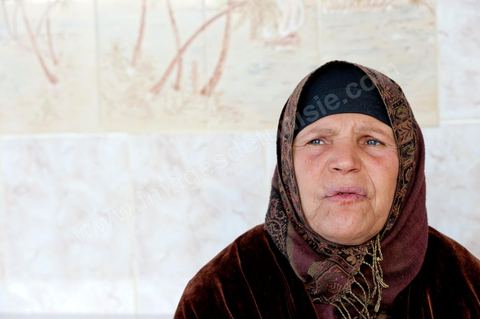
The Bouazizi Family’s New Home Forced to leave Sidi Bouzid, where the pressure had become too much for them, the Bouazizi family found refuge 260 kilometers away, in Tunis. Mohamed Bouazizi’s mother, the iconic figure of Tunisia’s popular uprising, his sisters, and his two youngest brothers live in a house with blue ceramic tiles—a three-room ground-floor apartment—in the working-class neighborhood of Bousalsa in La Marsa, on the northern outskirts of Tunis. Leila, the 24-year-old eldest sister, is enrolled in a work-study vocational program to become a quality control inspector in the textile industry; Semia, 19, is preparing for her high school diploma, while Basma, 16, Karim, 14, and Zyed, 8, are still in school. Only the eldest brother, Salem, lives elsewhere, in Sfax. Singled out by some residents of Sidi Bouzid, who accuse her of receiving money from the government, the Bouazizi family produces the lease for their new home, which they plan to rent for six months, through August, at a cost of 360 dinars (180 euros). Soon, the mother promises, they will return to Sidi Bouzid.
M01-855 · 2011
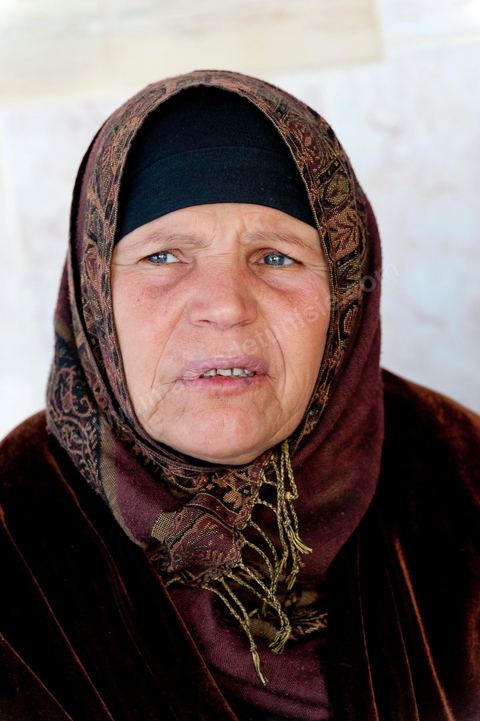
The Bouazizi Family’s New Home Forced to leave Sidi Bouzid, where the pressure had become too much for them, the Bouazizi family found refuge 260 kilometers away, in Tunis. Mohamed Bouazizi’s mother, the iconic figure of Tunisia’s popular uprising, his sisters, and his two youngest brothers live in a house with blue ceramic tiles—a three-room ground-floor apartment—in the working-class neighborhood of Bousalsa in La Marsa, on the northern outskirts of Tunis. Leila, the 24-year-old eldest sister, is enrolled in a work-study vocational program to become a quality control inspector in the textile industry; Semia, 19, is preparing for her high school diploma, while Basma, 16, Karim, 14, and Zyed, 8, are still in school. Only the eldest brother, Salem, lives elsewhere, in Sfax. Singled out by some residents of Sidi Bouzid, who accuse her of receiving money from the government, the Bouazizi family produces the lease for their new home, which they plan to rent for six months, through August, at a cost of 360 dinars (180 euros). Soon, the mother promises, they will return to Sidi Bouzid.
M01-854 · 2011
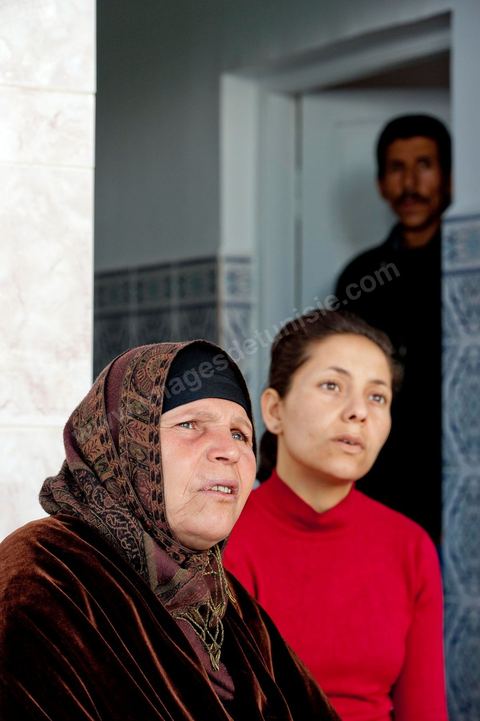
The Bouazizi Family’s New Home Forced to leave Sidi Bouzid, where the pressure had become too much for them, the Bouazizi family found refuge 260 kilometers away, in Tunis. Mohamed Bouazizi’s mother, the iconic figure of Tunisia’s popular uprising, his sisters, and his two youngest brothers live in a house with blue ceramic tiles—a three-room ground-floor apartment—in the working-class neighborhood of Bousalsa in La Marsa, on the northern outskirts of Tunis. Leila, the 24-year-old eldest sister, is enrolled in a work-study vocational program to become a quality control inspector in the textile industry; Semia, 19, is preparing for her high school diploma, while Basma, 16, Karim, 14, and Zyed, 8, are still in school. Only the eldest brother, Salem, lives elsewhere, in Sfax. Singled out by some residents of Sidi Bouzid, who accuse her of receiving money from the government, the Bouazizi family produces the lease for their new home, which they plan to rent for six months, through August, at a cost of 360 dinars (180 euros). Soon, the mother promises, they will return to Sidi Bouzid.
M01-853 · 2011
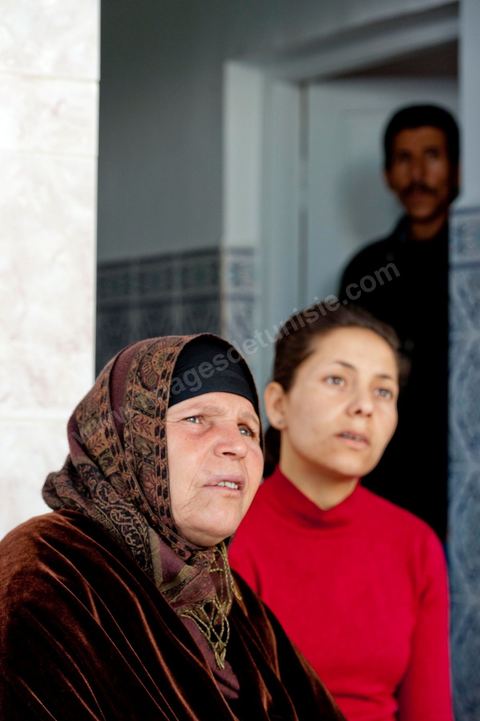
The Bouazizi Family’s New Home Forced to leave Sidi Bouzid, where the pressure had become too much for them, the Bouazizi family found refuge 260 kilometers away, in Tunis. Mohamed Bouazizi’s mother, the iconic figure of Tunisia’s popular uprising, his sisters, and his two youngest brothers live in a house with blue ceramic tiles—a three-room ground-floor apartment—in the working-class neighborhood of Bousalsa in La Marsa, on the northern outskirts of Tunis. Leila, the 24-year-old eldest sister, is enrolled in a work-study vocational program to become a quality control inspector in the textile industry; Semia, 19, is preparing for her high school diploma, while Basma, 16, Karim, 14, and Zyed, 8, are still in school. Only the eldest brother, Salem, lives elsewhere, in Sfax. Singled out by some residents of Sidi Bouzid, who accuse her of receiving money from the government, the Bouazizi family produces the lease for their new home, which they plan to rent for six months, through August, at a cost of 360 dinars (180 euros). Soon, the mother promises, they will return to Sidi Bouzid.
M01-852 · 2011
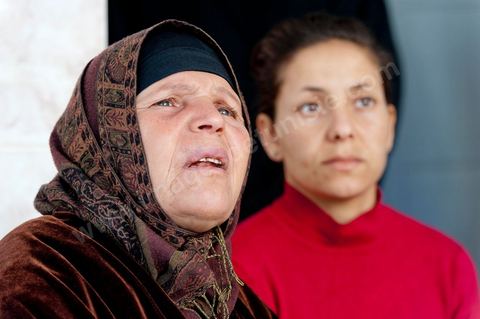
The Bouazizi Family’s New Home Forced to leave Sidi Bouzid, where the pressure had become too much for them, the Bouazizi family found refuge 260 kilometers away, in Tunis. Mohamed Bouazizi’s mother, the iconic figure of Tunisia’s popular uprising, his sisters, and his two youngest brothers live in a house with blue ceramic tiles—a three-room ground-floor apartment—in the working-class neighborhood of Bousalsa in La Marsa, on the northern outskirts of Tunis. Leila, the 24-year-old eldest sister, is enrolled in a work-study vocational program to become a quality control inspector in the textile industry; Semia, 19, is preparing for her high school diploma, while Basma, 16, Karim, 14, and Zyed, 8, are still in school. Only the eldest brother, Salem, lives elsewhere, in Sfax. Singled out by some residents of Sidi Bouzid, who accuse her of receiving money from the government, the Bouazizi family produces the lease for their new home, which they plan to rent for six months, through August, at a cost of 360 dinars (180 euros). Soon, the mother promises, they will return to Sidi Bouzid.
M01-851 · 2011
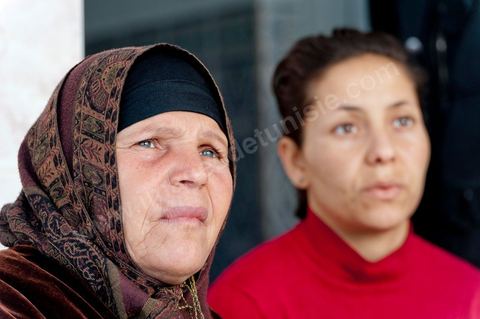
The Bouazizi Family’s New Home Forced to leave Sidi Bouzid, where the pressure had become too much for them, the Bouazizi family found refuge 260 kilometers away, in Tunis. Mohamed Bouazizi’s mother, the iconic figure of Tunisia’s popular uprising, his sisters, and his two youngest brothers live in a house with blue ceramic tiles—a three-room ground-floor apartment—in the working-class neighborhood of Bousalsa in La Marsa, on the northern outskirts of Tunis. Leila, the 24-year-old eldest sister, is enrolled in a work-study vocational program to become a quality control inspector in the textile industry; Semia, 19, is preparing for her high school diploma, while Basma, 16, Karim, 14, and Zyed, 8, are still in school. Only the eldest brother, Salem, lives elsewhere, in Sfax. Singled out by some residents of Sidi Bouzid, who accuse her of receiving money from the government, the Bouazizi family produces the lease for their new home, which they plan to rent for six months, through August, at a cost of 360 dinars (180 euros). Soon, the mother promises, they will return to Sidi Bouzid.
M01-850 · 2011
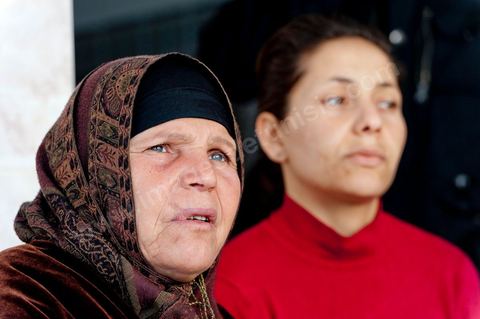
The Bouazizi Family’s New Home Forced to leave Sidi Bouzid, where the pressure had become too much for them, the Bouazizi family found refuge 260 kilometers away, in Tunis. Mohamed Bouazizi’s mother, the iconic figure of Tunisia’s popular uprising, his sisters, and his two youngest brothers live in a house with blue ceramic tiles—a three-room ground-floor apartment—in the working-class neighborhood of Bousalsa in La Marsa, on the northern outskirts of Tunis. Leila, the 24-year-old eldest sister, is enrolled in a work-study vocational program to become a quality control inspector in the textile industry; Semia, 19, is preparing for her high school diploma, while Basma, 16, Karim, 14, and Zyed, 8, are still in school. Only the eldest brother, Salem, lives elsewhere, in Sfax. Singled out by some residents of Sidi Bouzid, who accuse her of receiving money from the government, the Bouazizi family produces the lease for their new home, which they plan to rent for six months, through August, at a cost of 360 dinars (180 euros). Soon, the mother promises, they will return to Sidi Bouzid.
M01-849 · 2011
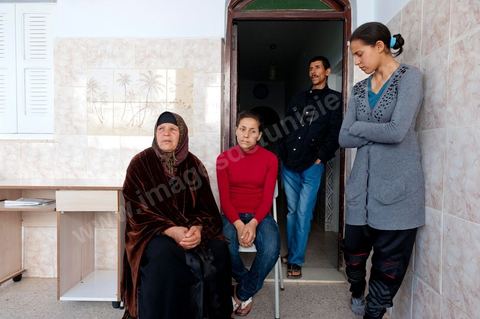
The Bouazizi Family’s New Home Forced to leave Sidi Bouzid, where the pressure had become too much for them, the Bouazizi family found refuge 260 kilometers away, in Tunis. Mohamed Bouazizi’s mother, the iconic figure of Tunisia’s popular uprising, his sisters, and his two youngest brothers live in a house with blue ceramic tiles—a three-room ground-floor apartment—in the working-class neighborhood of Bousalsa in La Marsa, on the northern outskirts of Tunis. Leila, the 24-year-old eldest sister, is enrolled in a work-study vocational program to become a quality control inspector in the textile industry; Semia, 19, is preparing for her high school diploma, while Basma, 16, Karim, 14, and Zyed, 8, are still in school. Only the eldest brother, Salem, lives elsewhere, in Sfax. Singled out by some residents of Sidi Bouzid, who accuse her of receiving money from the government, the Bouazizi family produces the lease for their new home, which they plan to rent for six months, through August, at a cost of 360 dinars (180 euros). Soon, the mother promises, they will return to Sidi Bouzid.
M01-830 · 2011
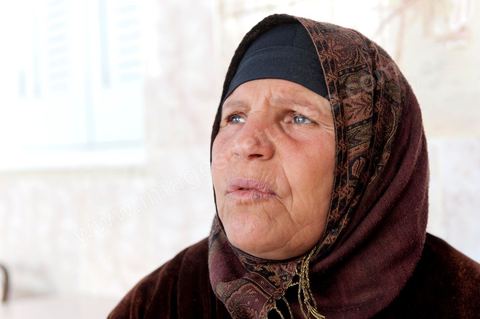
The Bouazizi Family’s New Home Forced to leave Sidi Bouzid, where the pressure had become too much for them, the Bouazizi family found refuge 260 kilometers away, in Tunis. Mohamed Bouazizi’s mother, the iconic figure of Tunisia’s popular uprising, his sisters, and his two youngest brothers live in a house with blue ceramic tiles—a three-room ground-floor apartment—in the working-class neighborhood of Bousalsa in La Marsa, on the northern outskirts of Tunis. Leila, the 24-year-old eldest sister, is enrolled in a work-study vocational program to become a quality control inspector in the textile industry; Semia, 19, is preparing for her high school diploma, while Basma, 16, Karim, 14, and Zyed, 8, are still in school. Only the eldest brother, Salem, lives elsewhere, in Sfax. Singled out by some residents of Sidi Bouzid, who accuse her of receiving money from the government, the Bouazizi family produces the lease for their new home, which they plan to rent for six months, through August, at a cost of 360 dinars (180 euros). Soon, the mother promises, they will return to Sidi Bouzid.
M01-848 · 2011
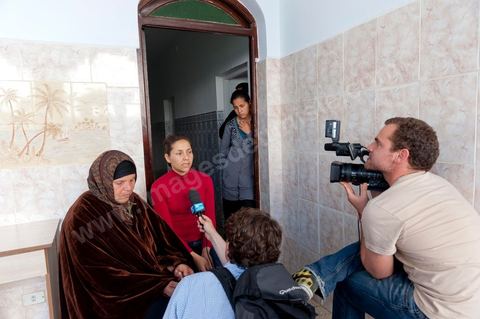
The Bouazizi Family’s New Home Forced to leave Sidi Bouzid, where the pressure had become too much for them, the Bouazizi family found refuge 260 kilometers away, in Tunis. Mohamed Bouazizi’s mother, the iconic figure of Tunisia’s popular uprising, his sisters, and his two youngest brothers live in a house with blue ceramic tiles—a three-room ground-floor apartment—in the working-class neighborhood of Bousalsa in La Marsa, on the northern outskirts of Tunis. Leila, the 24-year-old eldest sister, is enrolled in a work-study vocational program to become a quality control inspector in the textile industry; Semia, 19, is preparing for her high school diploma, while Basma, 16, Karim, 14, and Zyed, 8, are still in school. Only the eldest brother, Salem, lives elsewhere, in Sfax. Singled out by some residents of Sidi Bouzid, who accuse her of receiving money from the government, the Bouazizi family produces the lease for their new home, which they plan to rent for six months, through August, at a cost of 360 dinars (180 euros). Soon, the mother promises, they will return to Sidi Bouzid.
M01-829 · 2011
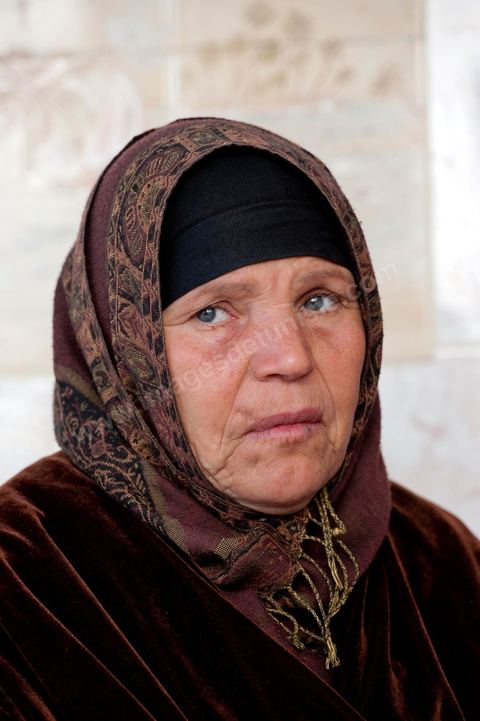
The Bouazizi Family’s New Home Forced to leave Sidi Bouzid, where the pressure had become too much for them, the Bouazizi family found refuge 260 kilometers away, in Tunis. Mohamed Bouazizi’s mother, the iconic figure of Tunisia’s popular uprising, his sisters, and his two youngest brothers live in a house with blue ceramic tiles—a three-room ground-floor apartment—in the working-class neighborhood of Bousalsa in La Marsa, on the northern outskirts of Tunis. Leila, the 24-year-old eldest sister, is enrolled in a work-study vocational program to become a quality control inspector in the textile industry; Semia, 19, is preparing for her high school diploma, while Basma, 16, Karim, 14, and Zyed, 8, are still in school. Only the eldest brother, Salem, lives elsewhere, in Sfax. Singled out by some residents of Sidi Bouzid, who accuse her of receiving money from the government, the Bouazizi family produces the lease for their new home, which they plan to rent for six months, through August, at a cost of 360 dinars (180 euros). Soon, the mother promises, they will return to Sidi Bouzid.
M01-847 · 2011
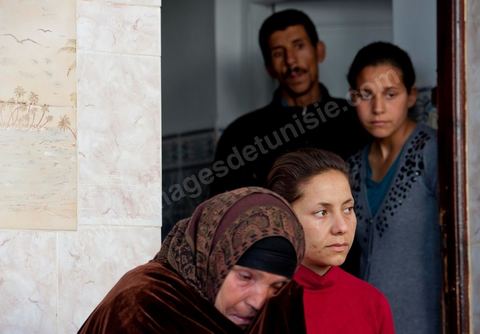
The Bouazizi Family’s New Home Forced to leave Sidi Bouzid, where the pressure had become too much for them, the Bouazizi family found refuge 260 kilometers away, in Tunis. Mohamed Bouazizi’s mother, the iconic figure of Tunisia’s popular uprising, his sisters, and his two youngest brothers live in a house with blue ceramic tiles—a three-room ground-floor apartment—in the working-class neighborhood of Bousalsa in La Marsa, on the northern outskirts of Tunis. Leila, the 24-year-old eldest sister, is enrolled in a work-study vocational program to become a quality control inspector in the textile industry; Semia, 19, is preparing for her high school diploma, while Basma, 16, Karim, 14, and Zyed, 8, are still in school. Only the eldest brother, Salem, lives elsewhere, in Sfax. Singled out by some residents of Sidi Bouzid, who accuse her of receiving money from the government, the Bouazizi family produces the lease for their new home, which they plan to rent for six months, through August, at a cost of 360 dinars (180 euros). Soon, the mother promises, they will return to Sidi Bouzid.
M01-846 · 2011
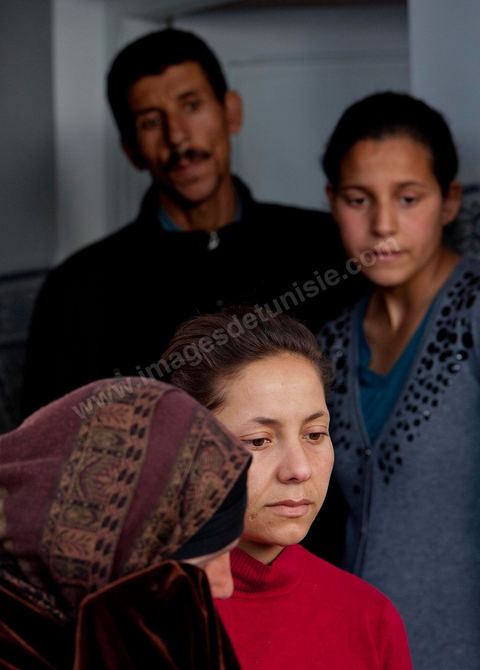
The Bouazizi Family’s New Home Forced to leave Sidi Bouzid, where the pressure had become too much for them, the Bouazizi family found refuge 260 kilometers away, in Tunis. Mohamed Bouazizi’s mother, the iconic figure of Tunisia’s popular uprising, his sisters, and his two youngest brothers live in a house with blue ceramic tiles—a three-room ground-floor apartment—in the working-class neighborhood of Bousalsa in La Marsa, on the northern outskirts of Tunis. Leila, the 24-year-old eldest sister, is enrolled in a work-study vocational program to become a quality control inspector in the textile industry; Semia, 19, is preparing for her high school diploma, while Basma, 16, Karim, 14, and Zyed, 8, are still in school. Only the eldest brother, Salem, lives elsewhere, in Sfax. Singled out by some residents of Sidi Bouzid, who accuse her of receiving money from the government, the Bouazizi family produces the lease for their new home, which they plan to rent for six months, through August, at a cost of 360 dinars (180 euros). Soon, the mother promises, they will return to Sidi Bouzid.
M01-845 · 2011
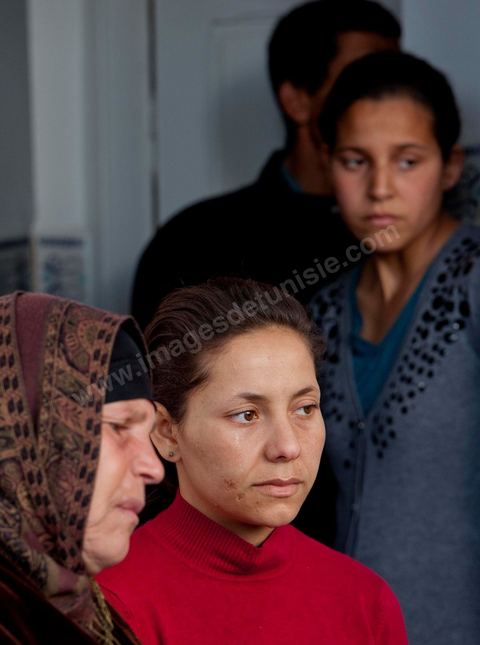
The Bouazizi Family’s New Home Forced to leave Sidi Bouzid, where the pressure had become too much for them, the Bouazizi family found refuge 260 kilometers away, in Tunis. Mohamed Bouazizi’s mother, the iconic figure of Tunisia’s popular uprising, his sisters, and his two youngest brothers live in a house with blue ceramic tiles—a three-room ground-floor apartment—in the working-class neighborhood of Bousalsa in La Marsa, on the northern outskirts of Tunis. Leila, the 24-year-old eldest sister, is enrolled in a work-study vocational program to become a quality control inspector in the textile industry; Semia, 19, is preparing for her high school diploma, while Basma, 16, Karim, 14, and Zyed, 8, are still in school. Only the eldest brother, Salem, lives elsewhere, in Sfax. Singled out by some residents of Sidi Bouzid, who accuse her of receiving money from the government, the Bouazizi family produces the lease for their new home, which they plan to rent for six months, through August, at a cost of 360 dinars (180 euros). Soon, the mother promises, they will return to Sidi Bouzid.
M01-844 · 2011
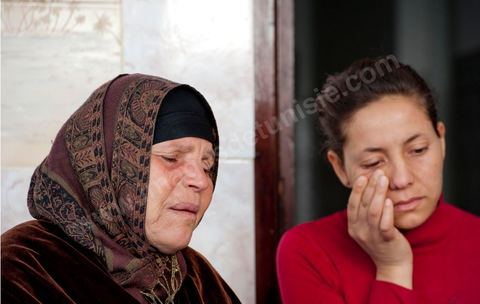
The Bouazizi Family’s New Home Forced to leave Sidi Bouzid, where the pressure had become too much for them, the Bouazizi family found refuge 260 kilometers away, in Tunis. Mohamed Bouazizi’s mother, the iconic figure of Tunisia’s popular uprising, his sisters, and his two youngest brothers live in a house with blue ceramic tiles—a three-room ground-floor apartment—in the working-class neighborhood of Bousalsa in La Marsa, on the northern outskirts of Tunis. Leila, the 24-year-old eldest sister, is enrolled in a work-study vocational program to become a quality control inspector in the textile industry; Semia, 19, is preparing for her high school diploma, while Basma, 16, Karim, 14, and Zyed, 8, are still in school. Only the eldest brother, Salem, lives elsewhere, in Sfax. Singled out by some residents of Sidi Bouzid, who accuse her of receiving money from the government, the Bouazizi family produces the lease for their new home, which they plan to rent for six months, through August, at a cost of 360 dinars (180 euros). Soon, the mother promises, they will return to Sidi Bouzid.
M01-843 · 2011
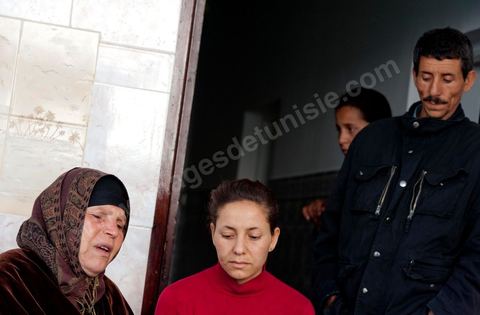
The Bouazizi Family’s New Home Forced to leave Sidi Bouzid, where the pressure had become too much for them, the Bouazizi family found refuge 260 kilometers away, in Tunis. Mohamed Bouazizi’s mother, the iconic figure of Tunisia’s popular uprising, his sisters, and his two youngest brothers live in a house with blue ceramic tiles—a three-room ground-floor apartment—in the working-class neighborhood of Bousalsa in La Marsa, on the northern outskirts of Tunis. Leila, the 24-year-old eldest sister, is enrolled in a work-study vocational program to become a quality control inspector in the textile industry; Semia, 19, is preparing for her high school diploma, while Basma, 16, Karim, 14, and Zyed, 8, are still in school. Only the eldest brother, Salem, lives elsewhere, in Sfax. Singled out by some residents of Sidi Bouzid, who accuse her of receiving money from the government, the Bouazizi family produces the lease for their new home, which they plan to rent for six months, through August, at a cost of 360 dinars (180 euros). Soon, the mother promises, they will return to Sidi Bouzid.
M01-842 · 2011
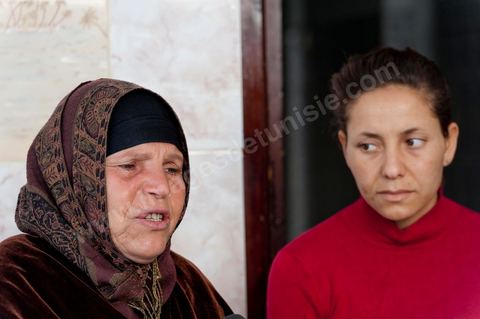
The Bouazizi Family’s New Home Forced to leave Sidi Bouzid, where the pressure had become too much for them, the Bouazizi family found refuge 260 kilometers away, in Tunis. Mohamed Bouazizi’s mother, the iconic figure of Tunisia’s popular uprising, his sisters, and his two youngest brothers live in a house with blue ceramic tiles—a three-room ground-floor apartment—in the working-class neighborhood of Bousalsa in La Marsa, on the northern outskirts of Tunis. Leila, the 24-year-old eldest sister, is enrolled in a work-study vocational program to become a quality control inspector in the textile industry; Semia, 19, is preparing for her high school diploma, while Basma, 16, Karim, 14, and Zyed, 8, are still in school. Only the eldest brother, Salem, lives elsewhere, in Sfax. Singled out by some residents of Sidi Bouzid, who accuse her of receiving money from the government, the Bouazizi family produces the lease for their new home, which they plan to rent for six months, through August, at a cost of 360 dinars (180 euros). Soon, the mother promises, they will return to Sidi Bouzid.
M01-841 · 2011
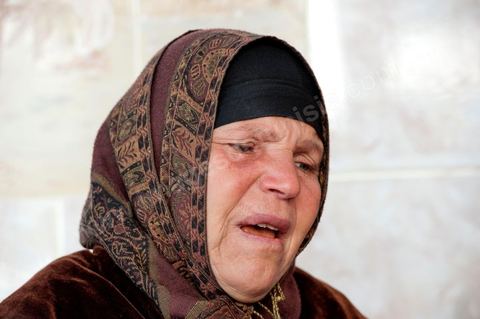
The Bouazizi Family’s New Home Forced to leave Sidi Bouzid, where the pressure had become too much for them, the Bouazizi family found refuge 260 kilometers away, in Tunis. Mohamed Bouazizi’s mother, the iconic figure of Tunisia’s popular uprising, his sisters, and his two youngest brothers live in a house with blue ceramic tiles—a three-room ground-floor apartment—in the working-class neighborhood of Bousalsa in La Marsa, on the northern outskirts of Tunis. Leila, the 24-year-old eldest sister, is enrolled in a work-study vocational program to become a quality control inspector in the textile industry; Semia, 19, is preparing for her high school diploma, while Basma, 16, Karim, 14, and Zyed, 8, are still in school. Only the eldest brother, Salem, lives elsewhere, in Sfax. Singled out by some residents of Sidi Bouzid, who accuse her of receiving money from the government, the Bouazizi family produces the lease for their new home, which they plan to rent for six months, through August, at a cost of 360 dinars (180 euros). Soon, the mother promises, they will return to Sidi Bouzid.
M01-840 · 2011
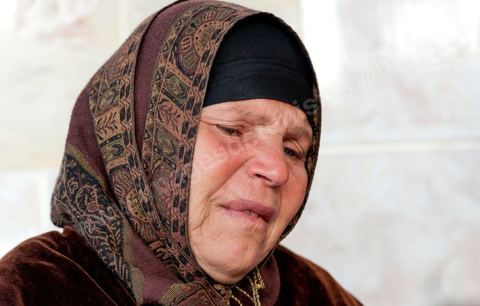
The Bouazizi Family’s New Home Forced to leave Sidi Bouzid, where the pressure had become too much for them, the Bouazizi family found refuge 260 kilometers away, in Tunis. Mohamed Bouazizi’s mother, the iconic figure of Tunisia’s popular uprising, his sisters, and his two youngest brothers live in a house with blue ceramic tiles—a three-room ground-floor apartment—in the working-class neighborhood of Bousalsa in La Marsa, on the northern outskirts of Tunis. Leila, the 24-year-old eldest sister, is enrolled in a work-study vocational program to become a quality control inspector in the textile industry; Semia, 19, is preparing for her high school diploma, while Basma, 16, Karim, 14, and Zyed, 8, are still in school. Only the eldest brother, Salem, lives elsewhere, in Sfax. Singled out by some residents of Sidi Bouzid, who accuse her of receiving money from the government, the Bouazizi family produces the lease for their new home, which they plan to rent for six months, through August, at a cost of 360 dinars (180 euros). Soon, the mother promises, they will return to Sidi Bouzid.
M01-839 · 2011
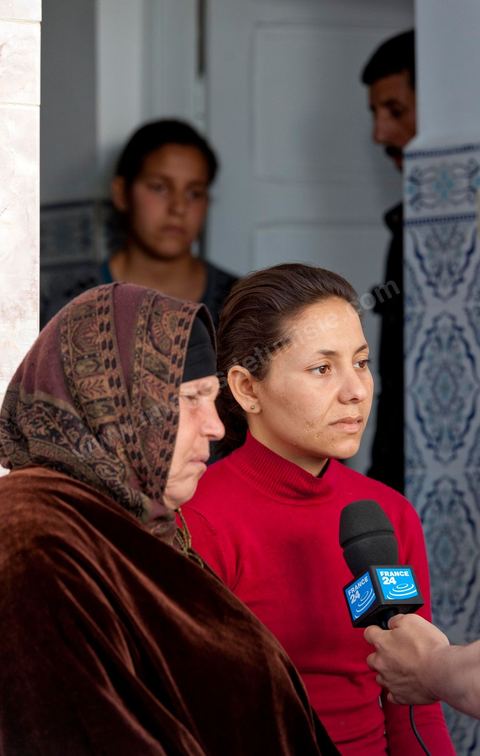
The Bouazizi Family’s New Home Forced to leave Sidi Bouzid, where the pressure had become too much for them, the Bouazizi family found refuge 260 kilometers away, in Tunis. Mohamed Bouazizi’s mother, the iconic figure of Tunisia’s popular uprising, his sisters, and his two youngest brothers live in a house with blue ceramic tiles—a three-room ground-floor apartment—in the working-class neighborhood of Bousalsa in La Marsa, on the northern outskirts of Tunis. Leila, the 24-year-old eldest sister, is enrolled in a work-study vocational program to become a quality control inspector in the textile industry; Semia, 19, is preparing for her high school diploma, while Basma, 16, Karim, 14, and Zyed, 8, are still in school. Only the eldest brother, Salem, lives elsewhere, in Sfax. Singled out by some residents of Sidi Bouzid, who accuse her of receiving money from the government, the Bouazizi family produces the lease for their new home, which they plan to rent for six months, through August, at a cost of 360 dinars (180 euros). Soon, the mother promises, they will return to Sidi Bouzid.
M01-838 · 2011
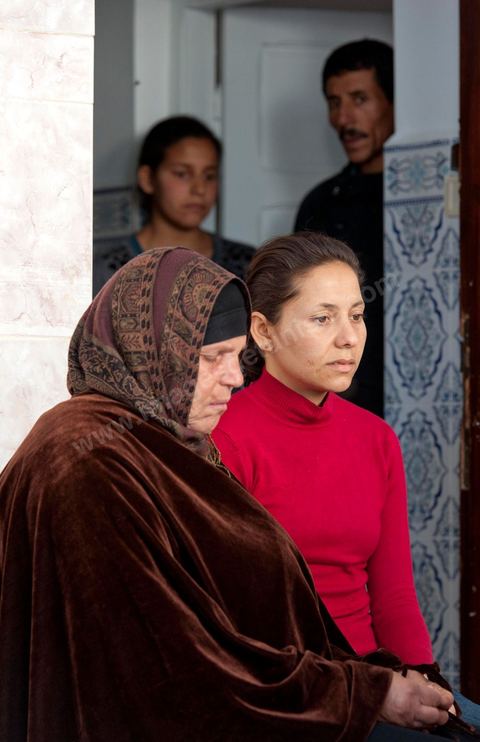
The Bouazizi Family’s New Home Forced to leave Sidi Bouzid, where the pressure had become too much for them, the Bouazizi family found refuge 260 kilometers away, in Tunis. Mohamed Bouazizi’s mother, the iconic figure of Tunisia’s popular uprising, his sisters, and his two youngest brothers live in a house with blue ceramic tiles—a three-room ground-floor apartment—in the working-class neighborhood of Bousalsa in La Marsa, on the northern outskirts of Tunis. Leila, the 24-year-old eldest sister, is enrolled in a work-study vocational program to become a quality control inspector in the textile industry; Semia, 19, is preparing for her high school diploma, while Basma, 16, Karim, 14, and Zyed, 8, are still in school. Only the eldest brother, Salem, lives elsewhere, in Sfax. Singled out by some residents of Sidi Bouzid, who accuse her of receiving money from the government, the Bouazizi family produces the lease for their new home, which they plan to rent for six months, through August, at a cost of 360 dinars (180 euros). Soon, the mother promises, they will return to Sidi Bouzid.
M01-837 · 2011
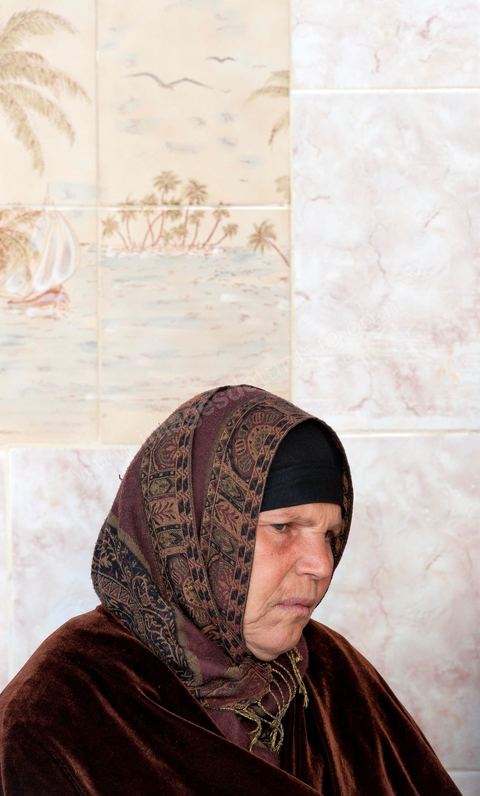
The Bouazizi Family’s New Home Forced to leave Sidi Bouzid, where the pressure had become too much for them, the Bouazizi family found refuge 260 kilometers away, in Tunis. Mohamed Bouazizi’s mother, the iconic figure of Tunisia’s popular uprising, his sisters, and his two youngest brothers live in a house with blue ceramic tiles—a three-room ground-floor apartment—in the working-class neighborhood of Bousalsa in La Marsa, on the northern outskirts of Tunis. Leila, the 24-year-old eldest sister, is enrolled in a work-study vocational program to become a quality control inspector in the textile industry; Semia, 19, is preparing for her high school diploma, while Basma, 16, Karim, 14, and Zyed, 8, are still in school. Only the eldest brother, Salem, lives elsewhere, in Sfax. Singled out by some residents of Sidi Bouzid, who accuse her of receiving money from the government, the Bouazizi family produces the lease for their new home, which they plan to rent for six months, through August, at a cost of 360 dinars (180 euros). Soon, the mother promises, they will return to Sidi Bouzid.
M01-836 · 2011
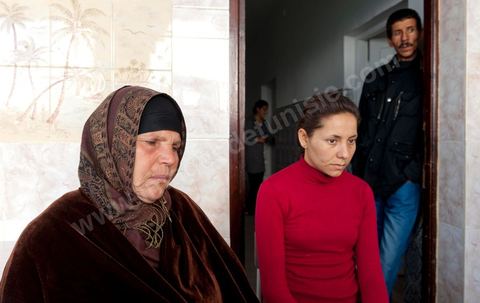
The Bouazizi Family’s New Home Forced to leave Sidi Bouzid, where the pressure had become too much for them, the Bouazizi family found refuge 260 kilometers away, in Tunis. Mohamed Bouazizi’s mother, the iconic figure of Tunisia’s popular uprising, his sisters, and his two youngest brothers live in a house with blue ceramic tiles—a three-room ground-floor apartment—in the working-class neighborhood of Bousalsa in La Marsa, on the northern outskirts of Tunis. Leila, the 24-year-old eldest sister, is enrolled in a work-study vocational program to become a quality control inspector in the textile industry; Semia, 19, is preparing for her high school diploma, while Basma, 16, Karim, 14, and Zyed, 8, are still in school. Only the eldest brother, Salem, lives elsewhere, in Sfax. Singled out by some residents of Sidi Bouzid, who accuse her of receiving money from the government, the Bouazizi family produces the lease for their new home, which they plan to rent for six months, through August, at a cost of 360 dinars (180 euros). Soon, the mother promises, they will return to Sidi Bouzid.
M01-834 · 2011
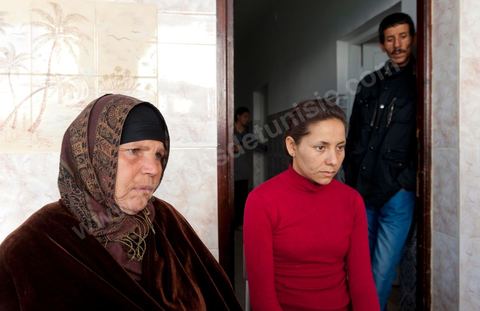
The Bouazizi Family’s New Home Forced to leave Sidi Bouzid, where the pressure had become too much for them, the Bouazizi family found refuge 260 kilometers away, in Tunis. Mohamed Bouazizi’s mother, the iconic figure of Tunisia’s popular uprising, his sisters, and his two youngest brothers live in a house with blue ceramic tiles—a three-room ground-floor apartment—in the working-class neighborhood of Bousalsa in La Marsa, on the northern outskirts of Tunis. Leila, the 24-year-old eldest sister, is enrolled in a work-study vocational program to become a quality control inspector in the textile industry; Semia, 19, is preparing for her high school diploma, while Basma, 16, Karim, 14, and Zyed, 8, are still in school. Only the eldest brother, Salem, lives elsewhere, in Sfax. Singled out by some residents of Sidi Bouzid, who accuse her of receiving money from the government, the Bouazizi family produces the lease for their new home, which they plan to rent for six months, through August, at a cost of 360 dinars (180 euros). Soon, the mother promises, they will return to Sidi Bouzid.
M01-835 · 2011
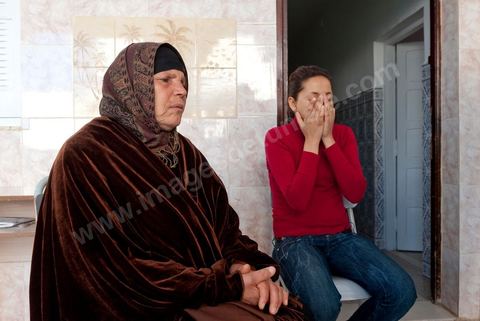
The Bouazizi Family’s New Home Forced to leave Sidi Bouzid, where the pressure had become too much for them, the Bouazizi family found refuge 260 kilometers away, in Tunis. Mohamed Bouazizi’s mother, the iconic figure of Tunisia’s popular uprising, his sisters, and his two youngest brothers live in a house with blue ceramic tiles—a three-room ground-floor apartment—in the working-class neighborhood of Bousalsa in La Marsa, on the northern outskirts of Tunis. Leila, the 24-year-old eldest sister, is enrolled in a work-study vocational program to become a quality control inspector in the textile industry; Semia, 19, is preparing for her high school diploma, while Basma, 16, Karim, 14, and Zyed, 8, are still in school. Only the eldest brother, Salem, lives elsewhere, in Sfax. Singled out by some residents of Sidi Bouzid, who accuse her of receiving money from the government, the Bouazizi family produces the lease for their new home, which they plan to rent for six months, through August, at a cost of 360 dinars (180 euros). Soon, the mother promises, they will return to Sidi Bouzid.
M01-833 · 2011
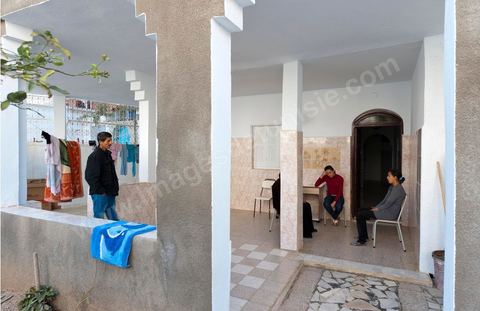
The Bouazizi Family’s New Home Forced to leave Sidi Bouzid, where the pressure had become too much for them, the Bouazizi family found refuge 260 kilometers away, in Tunis. Mohamed Bouazizi’s mother, the iconic figure of Tunisia’s popular uprising, his sisters, and his two youngest brothers live in a house with blue ceramic tiles—a three-room ground-floor apartment—in the working-class neighborhood of Bousalsa in La Marsa, on the northern outskirts of Tunis. Leila, the 24-year-old eldest sister, is enrolled in a work-study vocational program to become a quality control inspector in the textile industry; Semia, 19, is preparing for her high school diploma, while Basma, 16, Karim, 14, and Zyed, 8, are still in school. Only the eldest brother, Salem, lives elsewhere, in Sfax. Singled out by some residents of Sidi Bouzid, who accuse her of receiving money from the government, the Bouazizi family produces the lease for their new home, which they plan to rent for six months, through August, at a cost of 360 dinars (180 euros). Soon, the mother promises, they will return to Sidi Bouzid.
M01-816 · 2011
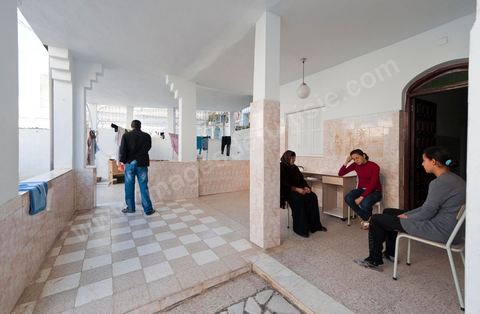
The Bouazizi Family’s New Home Forced to leave Sidi Bouzid, where the pressure had become too much for them, the Bouazizi family found refuge 260 kilometers away, in Tunis. Mohamed Bouazizi’s mother, the iconic figure of Tunisia’s popular uprising, his sisters, and his two youngest brothers live in a house with blue ceramic tiles—a three-room ground-floor apartment—in the working-class neighborhood of Bousalsa in La Marsa, on the northern outskirts of Tunis. Leila, the 24-year-old eldest sister, is enrolled in a work-study vocational program to become a quality control inspector in the textile industry; Semia, 19, is preparing for her high school diploma, while Basma, 16, Karim, 14, and Zyed, 8, are still in school. Only the eldest brother, Salem, lives elsewhere, in Sfax. Singled out by some residents of Sidi Bouzid, who accuse her of receiving money from the government, the Bouazizi family produces the lease for their new home, which they plan to rent for six months, through August, at a cost of 360 dinars (180 euros). Soon, the mother promises, they will return to Sidi Bouzid.
M01-815 · 2011
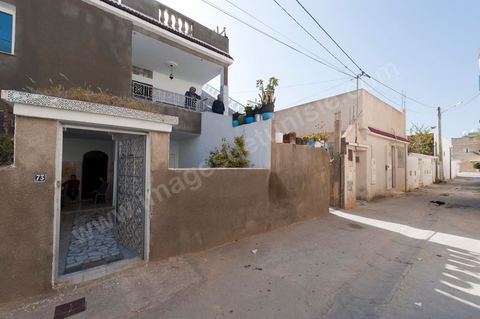
The Bouazizi Family’s New Home Forced to leave Sidi Bouzid, where the pressure had become too much for them, the Bouazizi family found refuge 260 kilometers away, in Tunis. Mohamed Bouazizi’s mother, the iconic figure of Tunisia’s popular uprising, his sisters, and his two youngest brothers live in a house with blue ceramic tiles—a three-room ground-floor apartment—in the working-class neighborhood of Bousalsa in La Marsa, on the northern outskirts of Tunis. Leila, the 24-year-old eldest sister, is enrolled in a work-study vocational program to become a quality control inspector in the textile industry; Semia, 19, is preparing for her high school diploma, while Basma, 16, Karim, 14, and Zyed, 8, are still in school. Only the eldest brother, Salem, lives elsewhere, in Sfax. Singled out by some residents of Sidi Bouzid, who accuse her of receiving money from the government, the Bouazizi family produces the lease for their new home, which they plan to rent for six months, through August, at a cost of 360 dinars (180 euros). Soon, the mother promises, they will return to Sidi Bouzid.
M01-802 · 2011
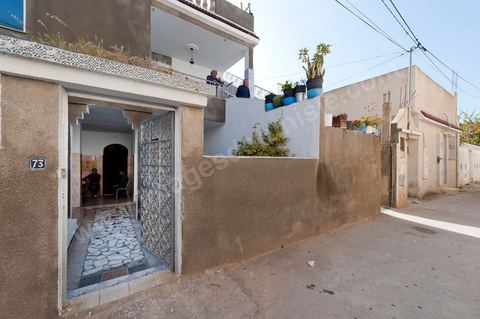
The Bouazizi Family’s New Home Forced to leave Sidi Bouzid, where the pressure had become too much for them, the Bouazizi family found refuge 260 kilometers away, in Tunis. Mohamed Bouazizi’s mother, the iconic figure of Tunisia’s popular uprising, his sisters, and his two youngest brothers live in a house with blue ceramic tiles—a three-room ground-floor apartment—in the working-class neighborhood of Bousalsa in La Marsa, on the northern outskirts of Tunis. Leila, the 24-year-old eldest sister, is enrolled in a work-study vocational program to become a quality control inspector in the textile industry; Semia, 19, is preparing for her high school diploma, while Basma, 16, Karim, 14, and Zyed, 8, are still in school. Only the eldest brother, Salem, lives elsewhere, in Sfax. Singled out by some residents of Sidi Bouzid, who accuse her of receiving money from the government, the Bouazizi family produces the lease for their new home, which they plan to rent for six months, through August, at a cost of 360 dinars (180 euros). Soon, the mother promises, they will return to Sidi Bouzid.
M01-801 · 2011
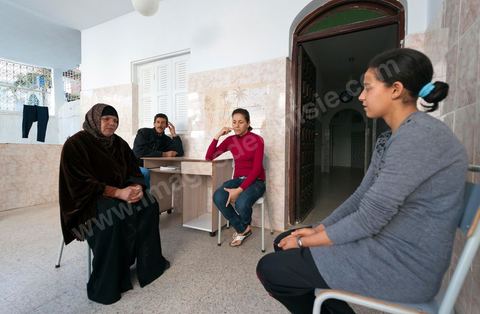
The Bouazizi Family’s New Home Forced to leave Sidi Bouzid, where the pressure had become too much for them, the Bouazizi family found refuge 260 kilometers away, in Tunis. Mohamed Bouazizi’s mother, the iconic figure of Tunisia’s popular uprising, his sisters, and his two youngest brothers live in a house with blue ceramic tiles—a three-room ground-floor apartment—in the working-class neighborhood of Bousalsa in La Marsa, on the northern outskirts of Tunis. Leila, the 24-year-old eldest sister, is enrolled in a work-study vocational program to become a quality control inspector in the textile industry; Semia, 19, is preparing for her high school diploma, while Basma, 16, Karim, 14, and Zyed, 8, are still in school. Only the eldest brother, Salem, lives elsewhere, in Sfax. Singled out by some residents of Sidi Bouzid, who accuse her of receiving money from the government, the Bouazizi family produces the lease for their new home, which they plan to rent for six months, through August, at a cost of 360 dinars (180 euros). Soon, the mother promises, they will return to Sidi Bouzid.
M01-814 · 2011
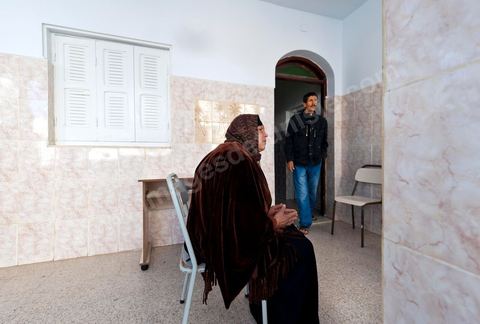
The Bouazizi Family’s New Home Forced to leave Sidi Bouzid, where the pressure had become too much for them, the Bouazizi family found refuge 260 kilometers away, in Tunis. Mohamed Bouazizi’s mother, the iconic figure of Tunisia’s popular uprising, his sisters, and his two youngest brothers live in a house with blue ceramic tiles—a three-room ground-floor apartment—in the working-class neighborhood of Bousalsa in La Marsa, on the northern outskirts of Tunis. Leila, the 24-year-old eldest sister, is enrolled in a work-study vocational program to become a quality control inspector in the textile industry; Semia, 19, is preparing for her high school diploma, while Basma, 16, Karim, 14, and Zyed, 8, are still in school. Only the eldest brother, Salem, lives elsewhere, in Sfax. Singled out by some residents of Sidi Bouzid, who accuse her of receiving money from the government, the Bouazizi family produces the lease for their new home, which they plan to rent for six months, through August, at a cost of 360 dinars (180 euros). Soon, the mother promises, they will return to Sidi Bouzid.
M01-813 · 2011
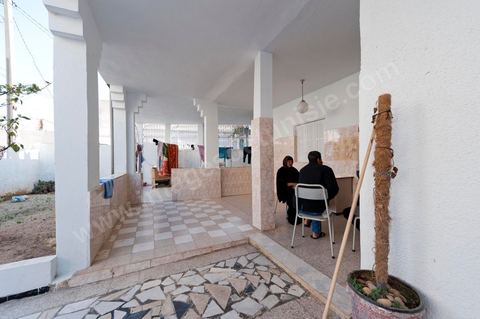
The Bouazizi Family’s New Home Forced to leave Sidi Bouzid, where the pressure had become too much for them, the Bouazizi family found refuge 260 kilometers away, in Tunis. Mohamed Bouazizi’s mother, the iconic figure of Tunisia’s popular uprising, his sisters, and his two youngest brothers live in a house with blue ceramic tiles—a three-room ground-floor apartment—in the working-class neighborhood of Bousalsa in La Marsa, on the northern outskirts of Tunis. Leila, the 24-year-old eldest sister, is enrolled in a work-study vocational program to become a quality control inspector in the textile industry; Semia, 19, is preparing for her high school diploma, while Basma, 16, Karim, 14, and Zyed, 8, are still in school. Only the eldest brother, Salem, lives elsewhere, in Sfax. Singled out by some residents of Sidi Bouzid, who accuse her of receiving money from the government, the Bouazizi family produces the lease for their new home, which they plan to rent for six months, through August, at a cost of 360 dinars (180 euros). Soon, the mother promises, they will return to Sidi Bouzid.
M01-812 · 2011
The Bouazizi Family’s New Home Forced to leave Sidi Bouzid, where the pressure had become too much for them, the Bouazizi family found refuge 260 kilometers away, in Tunis. Mohamed Bouazizi’s mother, the iconic figure of Tunisia’s popular uprising, his sisters, and his two youngest brothers live in a house with blue ceramic tiles—a three-room ground-floor apartment—in the working-class neighborhood of Bousalsa in La Marsa, on the northern outskirts of Tunis. Leila, the 24-year-old eldest sister, is enrolled in a work-study vocational program to become a quality control inspector in the textile industry; Semia, 19, is preparing for her high school diploma, while Basma, 16, Karim, 14, and Zyed, 8, are still in school. Only the eldest brother, Salem, lives elsewhere, in Sfax. Singled out by some residents of Sidi Bouzid, who accuse her of receiving money from the government, the Bouazizi family produces the lease for their new home, which they plan to rent for six months, through August, at a cost of 360 dinars (180 euros). Soon, the mother promises, they will return to Sidi Bouzid.
M01-811 · 2011
The Bouazizi Family’s New Home Forced to leave Sidi Bouzid, where the pressure had become too much for them, the Bouazizi family found refuge 260 kilometers away, in Tunis. Mohamed Bouazizi’s mother, the iconic figure of Tunisia’s popular uprising, his sisters, and his two youngest brothers live in a house with blue ceramic tiles—a three-room ground-floor apartment—in the working-class neighborhood of Bousalsa in La Marsa, on the northern outskirts of Tunis. Leila, the 24-year-old eldest sister, is enrolled in a work-study vocational program to become a quality control inspector in the textile industry; Semia, 19, is preparing for her high school diploma, while Basma, 16, Karim, 14, and Zyed, 8, are still in school. Only the eldest brother, Salem, lives elsewhere, in Sfax. Singled out by some residents of Sidi Bouzid, who accuse her of receiving money from the government, the Bouazizi family produces the lease for their new home, which they plan to rent for six months, through August, at a cost of 360 dinars (180 euros). Soon, the mother promises, they will return to Sidi Bouzid.
M01-828 · 2011
The Bouazizi Family’s New Home Forced to leave Sidi Bouzid, where the pressure had become too much for them, the Bouazizi family found refuge 260 kilometers away, in Tunis. Mohamed Bouazizi’s mother, the iconic figure of Tunisia’s popular uprising, his sisters, and his two youngest brothers live in a house with blue ceramic tiles—a three-room ground-floor apartment—in the working-class neighborhood of Bousalsa in La Marsa, on the northern outskirts of Tunis. Leila, the 24-year-old eldest sister, is enrolled in a work-study vocational program to become a quality control inspector in the textile industry; Semia, 19, is preparing for her high school diploma, while Basma, 16, Karim, 14, and Zyed, 8, are still in school. Only the eldest brother, Salem, lives elsewhere, in Sfax. Singled out by some residents of Sidi Bouzid, who accuse her of receiving money from the government, the Bouazizi family produces the lease for their new home, which they plan to rent for six months, through August, at a cost of 360 dinars (180 euros). Soon, the mother promises, they will return to Sidi Bouzid.
M01-827 · 2011
The Bouazizi Family’s New Home Forced to leave Sidi Bouzid, where the pressure had become too much for them, the Bouazizi family found refuge 260 kilometers away, in Tunis. Mohamed Bouazizi’s mother, the iconic figure of Tunisia’s popular uprising, his sisters, and his two youngest brothers live in a house with blue ceramic tiles—a three-room ground-floor apartment—in the working-class neighborhood of Bousalsa in La Marsa, on the northern outskirts of Tunis. Leila, the 24-year-old eldest sister, is enrolled in a work-study vocational program to become a quality control inspector in the textile industry; Semia, 19, is preparing for her high school diploma, while Basma, 16, Karim, 14, and Zyed, 8, are still in school. Only the eldest brother, Salem, lives elsewhere, in Sfax. Singled out by some residents of Sidi Bouzid, who accuse her of receiving money from the government, the Bouazizi family produces the lease for their new home, which they plan to rent for six months, through August, at a cost of 360 dinars (180 euros). Soon, the mother promises, they will return to Sidi Bouzid.
M01-826 · 2011
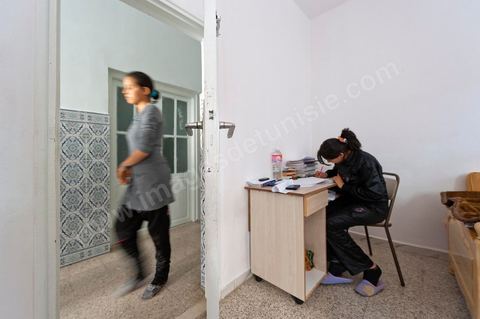
The Bouazizi Family’s New Home Forced to leave Sidi Bouzid, where the pressure had become too much for them, the Bouazizi family found refuge 260 kilometers away, in Tunis. Mohamed Bouazizi’s mother, the iconic figure of Tunisia’s popular uprising, his sisters, and his two youngest brothers live in a house with blue ceramic tiles—a three-room ground-floor apartment—in the working-class neighborhood of Bousalsa in La Marsa, on the northern outskirts of Tunis. Leila, the 24-year-old eldest sister, is enrolled in a work-study vocational program to become a quality control inspector in the textile industry; Semia, 19, is preparing for her high school diploma, while Basma, 16, Karim, 14, and Zyed, 8, are still in school. Only the eldest brother, Salem, lives elsewhere, in Sfax. Singled out by some residents of Sidi Bouzid, who accuse her of receiving money from the government, the Bouazizi family produces the lease for their new home, which they plan to rent for six months, through August, at a cost of 360 dinars (180 euros). Soon, the mother promises, they will return to Sidi Bouzid.
M01-825 · 2011
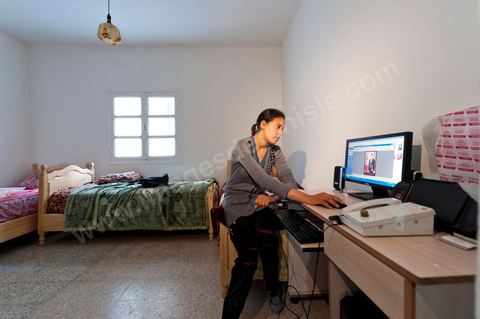
The Bouazizi Family’s New Home Forced to leave Sidi Bouzid, where the pressure had become too much for them, the Bouazizi family found refuge 260 kilometers away, in Tunis. Mohamed Bouazizi’s mother, the iconic figure of Tunisia’s popular uprising, his sisters, and his two youngest brothers live in a house with blue ceramic tiles—a three-room ground-floor apartment—in the working-class neighborhood of Bousalsa in La Marsa, on the northern outskirts of Tunis. Leila, the 24-year-old eldest sister, is enrolled in a work-study vocational program to become a quality control inspector in the textile industry; Semia, 19, is preparing for her high school diploma, while Basma, 16, Karim, 14, and Zyed, 8, are still in school. Only the eldest brother, Salem, lives elsewhere, in Sfax. Singled out by some residents of Sidi Bouzid, who accuse her of receiving money from the government, the Bouazizi family produces the lease for their new home, which they plan to rent for six months, through August, at a cost of 360 dinars (180 euros). Soon, the mother promises, they will return to Sidi Bouzid.
M01-824 · 2011