Thuburbo Majus
1–50 of 81 · page 1/2
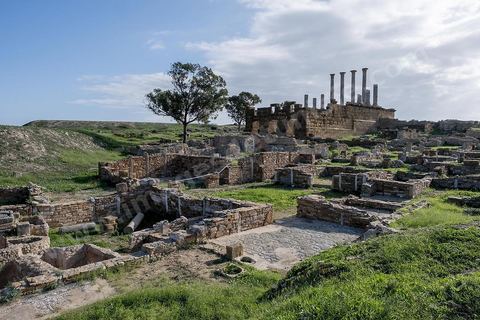
The Roman archaeological site of Thuburbo Majus. Thuburbo Majus is located at the entrance to El Fahs, 60 km from Tunis; although it is now completely abandoned, it had a population of more than 10,000 in the second century A.D. The city of Thuburbo Majus existed before the arrival of the Romans; it was first Berber and then Carthaginian. During the Roman era, the city flourished, particularly in 128 AD when it was granted the status of a municipium following a visit by Emperor Hadrian. Most of the city’s monuments date from the middle of the 2nd century. Only 7 hectares out of the total 40 hectares have been excavated; the city’s three gates attest to its immense size.
A10-001 · 2016
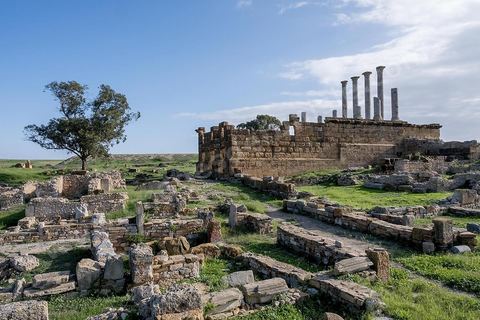
The Roman archaeological site of Thuburbo Majus. Thuburbo Majus is located at the entrance to El Fahs, 60 km from Tunis; although it is now completely abandoned, it had a population of more than 10,000 in the second century A.D. The city of Thuburbo Majus existed before the arrival of the Romans; it was first Berber and then Carthaginian. During the Roman era, the city flourished, particularly in 128 AD when it was granted the status of a municipium following a visit by Emperor Hadrian. Most of the city’s monuments date from the middle of the 2nd century. Only 7 hectares out of the total 40 hectares have been excavated; the city’s three gates attest to its immense size.
A10-002 · 2016
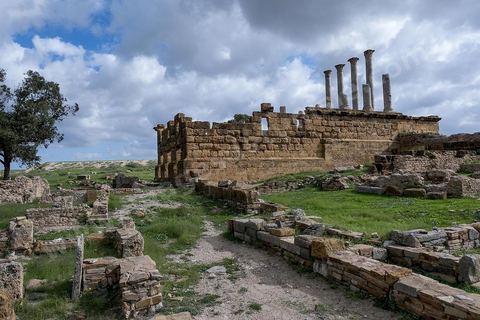
The Roman archaeological site of Thuburbo Majus. Thuburbo Majus is located at the entrance to El Fahs, 60 km from Tunis; although it is now completely abandoned, it had a population of more than 10,000 in the second century A.D. The city of Thuburbo Majus existed before the arrival of the Romans; it was first Berber and then Carthaginian. During the Roman era, the city flourished, particularly in 128 AD when it was granted the status of a municipium following a visit by Emperor Hadrian. Most of the city’s monuments date from the middle of the 2nd century. Only 7 hectares out of the total 40 hectares have been excavated; the city’s three gates attest to its immense size.
A10-003 · 2016
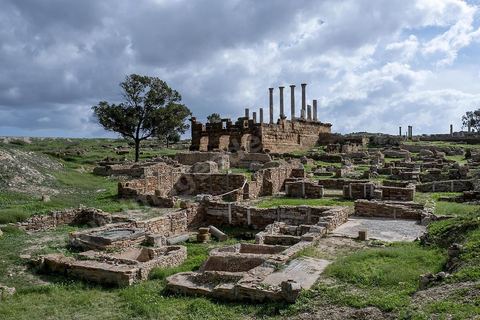
The Roman archaeological site of Thuburbo Majus. Thuburbo Majus is located at the entrance to El Fahs, 60 km from Tunis; although it is now completely abandoned, it had a population of more than 10,000 in the second century A.D. The city of Thuburbo Majus existed before the arrival of the Romans; it was first Berber and then Carthaginian. During the Roman era, the city flourished, particularly in 128 AD when it was granted the status of a municipium following a visit by Emperor Hadrian. Most of the city’s monuments date from the middle of the 2nd century. Only 7 hectares out of the total 40 hectares have been excavated; the city’s three gates attest to its immense size.
A10-004 · 2016
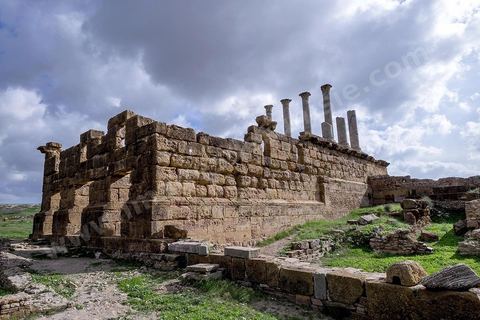
The Roman archaeological site of Thuburbo Majus. Thuburbo Majus is located at the entrance to El Fahs, 60 km from Tunis; although it is now completely abandoned, it had a population of more than 10,000 in the second century A.D. The city of Thuburbo Majus existed before the arrival of the Romans; it was first Berber and then Carthaginian. During the Roman era, the city flourished, particularly in 128 AD when it was granted the status of a municipium following a visit by Emperor Hadrian. Most of the city’s monuments date from the middle of the 2nd century. Only 7 hectares out of the total 40 hectares have been excavated; the city’s three gates attest to its immense size.
A10-005 · 2016
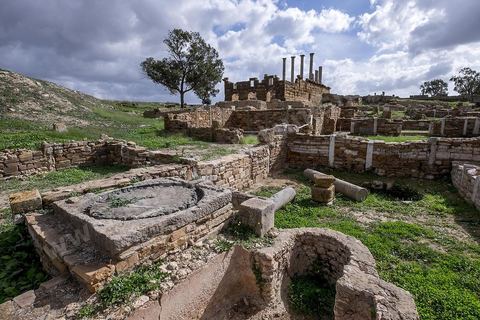
The Roman archaeological site of Thuburbo Majus. Thuburbo Majus is located at the entrance to El Fahs, 60 km from Tunis; although it is now completely abandoned, it had a population of more than 10,000 in the second century A.D. The city of Thuburbo Majus existed before the arrival of the Romans; it was first Berber and then Carthaginian. During the Roman era, the city flourished, particularly in 128 AD when it was granted the status of a municipium following a visit by Emperor Hadrian. Most of the city’s monuments date from the middle of the 2nd century. Only 7 hectares out of the total 40 hectares have been excavated; the city’s three gates attest to its immense size.
A10-006 · 2016
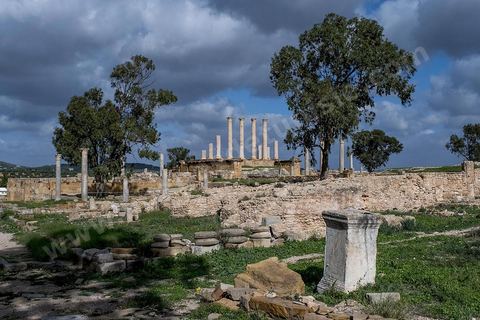
The Roman archaeological site of Thuburbo Majus. Thuburbo Majus is located at the entrance to El Fahs, 60 km from Tunis; although it is now completely abandoned, it had a population of more than 10,000 in the second century A.D. The city of Thuburbo Majus existed before the arrival of the Romans; it was first Berber and then Carthaginian. During the Roman era, the city flourished, particularly in 128 AD when it was granted the status of a municipium following a visit by Emperor Hadrian. Most of the city’s monuments date from the middle of the 2nd century. Only 7 hectares out of the total 40 hectares have been excavated; the city’s three gates attest to its immense size.
A10-007 · 2016
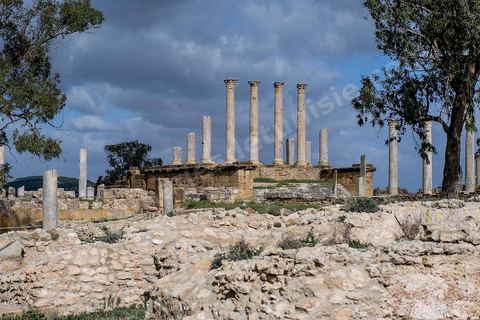
The Roman archaeological site of Thuburbo Majus. Thuburbo Majus is located at the entrance to El Fahs, 60 km from Tunis; although it is now completely abandoned, it had a population of more than 10,000 in the second century A.D. The city of Thuburbo Majus existed before the arrival of the Romans; it was first Berber and then Carthaginian. During the Roman era, the city flourished, particularly in 128 AD when it was granted the status of a municipium following a visit by Emperor Hadrian. Most of the city’s monuments date from the middle of the 2nd century. Only 7 hectares out of the total 40 hectares have been excavated; the city’s three gates attest to its immense size.
A10-008 · 2016
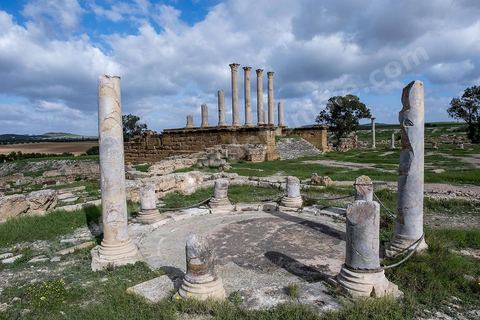
The Roman archaeological site of Thuburbo Majus. Thuburbo Majus is located at the entrance to El Fahs, 60 km from Tunis; although it is now completely abandoned, it had a population of more than 10,000 in the second century A.D. The city of Thuburbo Majus existed before the arrival of the Romans; it was first Berber and then Carthaginian. During the Roman era, the city flourished, particularly in 128 AD when it was granted the status of a municipium following a visit by Emperor Hadrian. Most of the city’s monuments date from the middle of the 2nd century. Only 7 hectares out of the total 40 hectares have been excavated; the city’s three gates attest to its immense size.
A10-009 · 2016
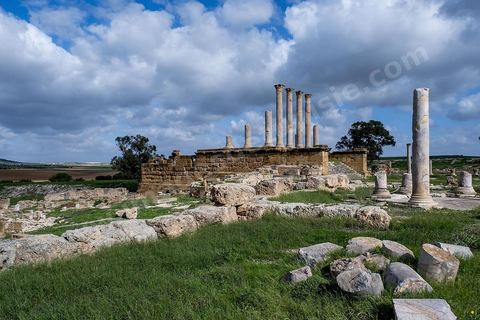
The Roman archaeological site of Thuburbo Majus. Thuburbo Majus is located at the entrance to El Fahs, 60 km from Tunis; although it is now completely abandoned, it had a population of more than 10,000 in the second century A.D. The city of Thuburbo Majus existed before the arrival of the Romans; it was first Berber and then Carthaginian. During the Roman era, the city flourished, particularly in 128 AD when it was granted the status of a municipium following a visit by Emperor Hadrian. Most of the city’s monuments date from the middle of the 2nd century. Only 7 hectares out of the total 40 hectares have been excavated; the city’s three gates attest to its immense size.
A10-010 · 2016
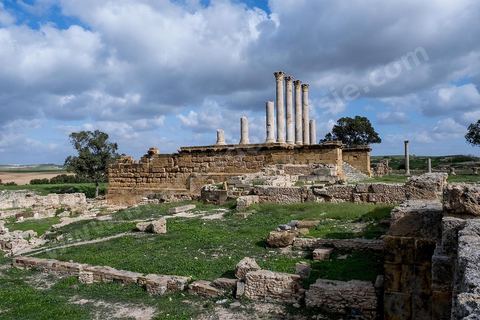
The Roman archaeological site of Thuburbo Majus. Thuburbo Majus is located at the entrance to El Fahs, 60 km from Tunis; although it is now completely abandoned, it had a population of more than 10,000 in the second century A.D. The city of Thuburbo Majus existed before the arrival of the Romans; it was first Berber and then Carthaginian. During the Roman era, the city flourished, particularly in 128 AD when it was granted the status of a municipium following a visit by Emperor Hadrian. Most of the city’s monuments date from the middle of the 2nd century. Only 7 hectares out of the total 40 hectares have been excavated; the city’s three gates attest to its immense size.
A10-011 · 2016
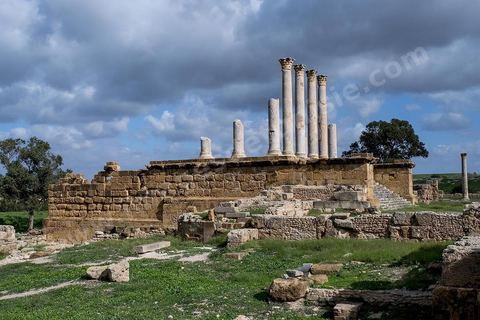
The Roman archaeological site of Thuburbo Majus. Thuburbo Majus is located at the entrance to El Fahs, 60 km from Tunis; although it is now completely abandoned, it had a population of more than 10,000 in the second century A.D. The city of Thuburbo Majus existed before the arrival of the Romans; it was first Berber and then Carthaginian. During the Roman era, the city flourished, particularly in 128 AD when it was granted the status of a municipium following a visit by Emperor Hadrian. Most of the city’s monuments date from the middle of the 2nd century. Only 7 hectares out of the total 40 hectares have been excavated; the city’s three gates attest to its immense size.
A10-012 · 2016
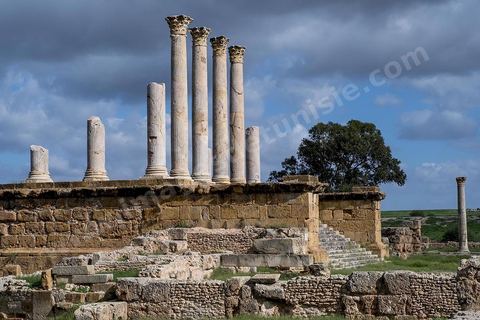
The Roman archaeological site of Thuburbo Majus. Thuburbo Majus is located at the entrance to El Fahs, 60 km from Tunis; although it is now completely abandoned, it had a population of more than 10,000 in the second century A.D. The city of Thuburbo Majus existed before the arrival of the Romans; it was first Berber and then Carthaginian. During the Roman era, the city flourished, particularly in 128 AD when it was granted the status of a municipium following a visit by Emperor Hadrian. Most of the city’s monuments date from the middle of the 2nd century. Only 7 hectares out of the total 40 hectares have been excavated; the city’s three gates attest to its immense size.
A10-013 · 2016
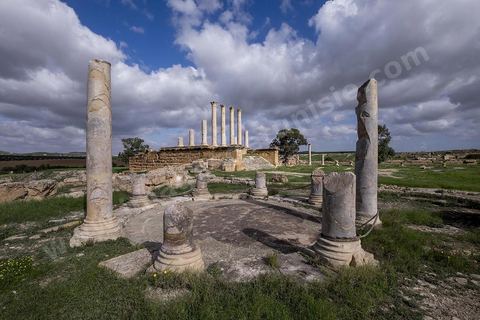
The Roman archaeological site of Thuburbo Majus. Thuburbo Majus is located at the entrance to El Fahs, 60 km from Tunis; although it is now completely abandoned, it had a population of more than 10,000 in the second century A.D. The city of Thuburbo Majus existed before the arrival of the Romans; it was first Berber and then Carthaginian. During the Roman era, the city flourished, particularly in 128 AD when it was granted the status of a municipium following a visit by Emperor Hadrian. Most of the city’s monuments date from the middle of the 2nd century. Only 7 hectares out of the total 40 hectares have been excavated; the city’s three gates attest to its immense size.
A10-014 · 2016
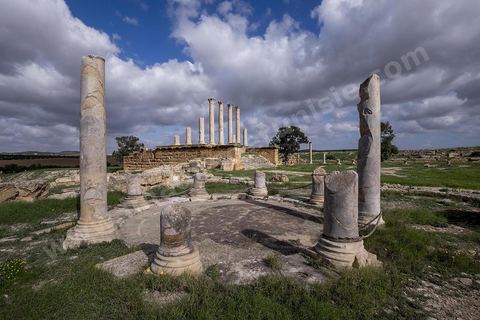
The Roman archaeological site of Thuburbo Majus. Thuburbo Majus is located at the entrance to El Fahs, 60 km from Tunis; although it is now completely abandoned, it had a population of more than 10,000 in the second century A.D. The city of Thuburbo Majus existed before the arrival of the Romans; it was first Berber and then Carthaginian. During the Roman era, the city flourished, particularly in 128 AD when it was granted the status of a municipium following a visit by Emperor Hadrian. Most of the city’s monuments date from the middle of the 2nd century. Only 7 hectares out of the total 40 hectares have been excavated; the city’s three gates attest to its immense size.
A10-015 · 2016
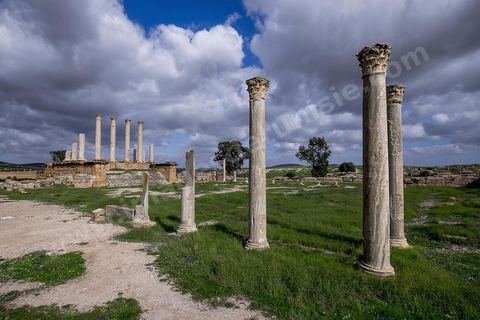
The Roman archaeological site of Thuburbo Majus. Thuburbo Majus is located at the entrance to El Fahs, 60 km from Tunis; although it is now completely abandoned, it had a population of more than 10,000 in the second century A.D. The city of Thuburbo Majus existed before the arrival of the Romans; it was first Berber and then Carthaginian. During the Roman era, the city flourished, particularly in 128 AD when it was granted the status of a municipium following a visit by Emperor Hadrian. Most of the city’s monuments date from the middle of the 2nd century. Only 7 hectares out of the total 40 hectares have been excavated; the city’s three gates attest to its immense size.
A10-016 · 2016
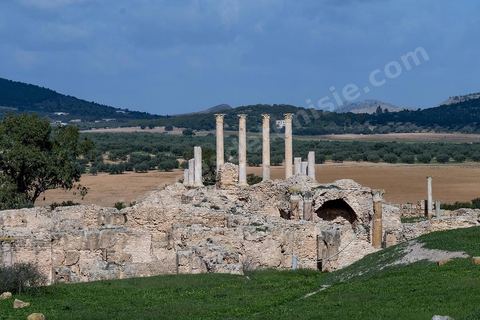
The Roman archaeological site of Thuburbo Majus. Thuburbo Majus is located at the entrance to El Fahs, 60 km from Tunis; although it is now completely abandoned, it had a population of more than 10,000 in the second century A.D. The city of Thuburbo Majus existed before the arrival of the Romans; it was first Berber and then Carthaginian. During the Roman era, the city flourished, particularly in 128 AD when it was granted the status of a municipium following a visit by Emperor Hadrian. Most of the city’s monuments date from the middle of the 2nd century. Only 7 hectares out of the total 40 hectares have been excavated; the city’s three gates attest to its immense size.
A10-017 · 2016
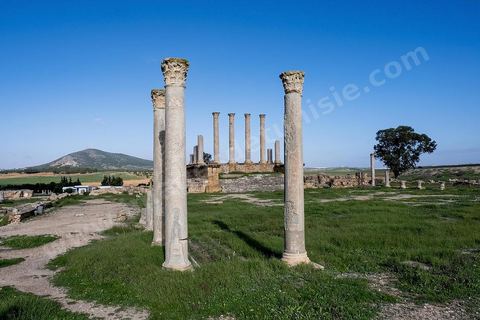
The Roman archaeological site of Thuburbo Majus. Thuburbo Majus is located at the entrance to El Fahs, 60 km from Tunis; although it is now completely abandoned, it had a population of more than 10,000 in the second century A.D. The city of Thuburbo Majus existed before the arrival of the Romans; it was first Berber and then Carthaginian. During the Roman era, the city flourished, particularly in 128 AD when it was granted the status of a municipium following a visit by Emperor Hadrian. Most of the city’s monuments date from the middle of the 2nd century. Only 7 hectares out of the total 40 hectares have been excavated; the city’s three gates attest to its immense size.
A10-018 · 2016
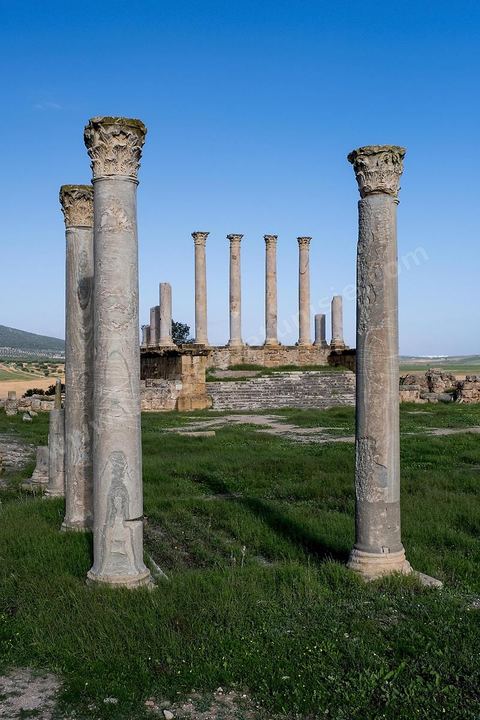
The Roman archaeological site of Thuburbo Majus. Thuburbo Majus is located at the entrance to El Fahs, 60 km from Tunis; although it is now completely abandoned, it had a population of more than 10,000 in the second century A.D. The city of Thuburbo Majus existed before the arrival of the Romans; it was first Berber and then Carthaginian. During the Roman era, the city flourished, particularly in 128 AD when it was granted the status of a municipium following a visit by Emperor Hadrian. Most of the city’s monuments date from the middle of the 2nd century. Only 7 hectares out of the total 40 hectares have been excavated; the city’s three gates attest to its immense size.
A10-019 · 2016
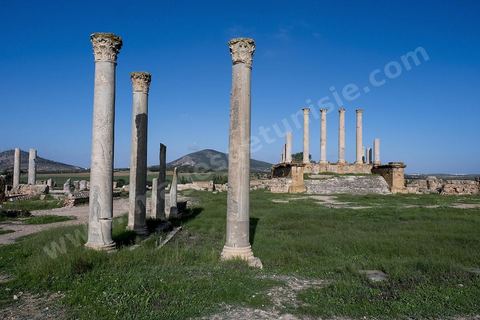
The Roman archaeological site of Thuburbo Majus. Thuburbo Majus is located at the entrance to El Fahs, 60 km from Tunis; although it is now completely abandoned, it had a population of more than 10,000 in the second century A.D. The city of Thuburbo Majus existed before the arrival of the Romans; it was first Berber and then Carthaginian. During the Roman era, the city flourished, particularly in 128 AD when it was granted the status of a municipium following a visit by Emperor Hadrian. Most of the city’s monuments date from the middle of the 2nd century. Only 7 hectares out of the total 40 hectares have been excavated; the city’s three gates attest to its immense size.
A10-020 · 2016
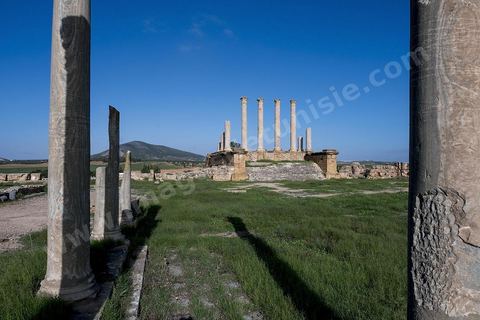
The Roman archaeological site of Thuburbo Majus. Thuburbo Majus is located at the entrance to El Fahs, 60 km from Tunis; although it is now completely abandoned, it had a population of more than 10,000 in the second century A.D. The city of Thuburbo Majus existed before the arrival of the Romans; it was first Berber and then Carthaginian. During the Roman era, the city flourished, particularly in 128 AD when it was granted the status of a municipium following a visit by Emperor Hadrian. Most of the city’s monuments date from the middle of the 2nd century. Only 7 hectares out of the total 40 hectares have been excavated; the city’s three gates attest to its immense size.
A10-021 · 2016
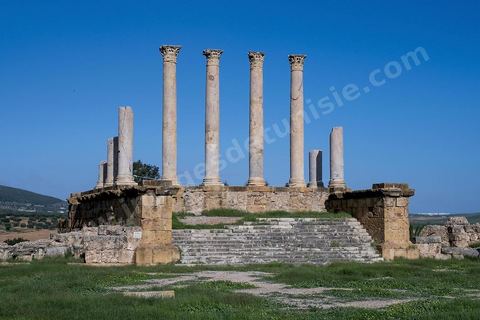
The Roman archaeological site of Thuburbo Majus. Thuburbo Majus is located at the entrance to El Fahs, 60 km from Tunis; although it is now completely abandoned, it had a population of more than 10,000 in the second century A.D. The city of Thuburbo Majus existed before the arrival of the Romans; it was first Berber and then Carthaginian. During the Roman era, the city flourished, particularly in 128 AD when it was granted the status of a municipium following a visit by Emperor Hadrian. Most of the city’s monuments date from the middle of the 2nd century. Only 7 hectares out of the total 40 hectares have been excavated; the city’s three gates attest to its immense size.
A10-022 · 2016
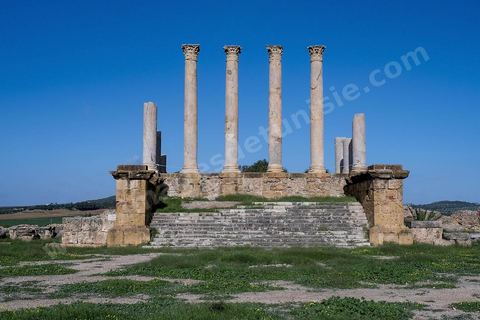
The Roman archaeological site of Thuburbo Majus. Thuburbo Majus is located at the entrance to El Fahs, 60 km from Tunis; although it is now completely abandoned, it had a population of more than 10,000 in the second century A.D. The city of Thuburbo Majus existed before the arrival of the Romans; it was first Berber and then Carthaginian. During the Roman era, the city flourished, particularly in 128 AD when it was granted the status of a municipium following a visit by Emperor Hadrian. Most of the city’s monuments date from the middle of the 2nd century. Only 7 hectares out of the total 40 hectares have been excavated; the city’s three gates attest to its immense size.
A10-023 · 2016
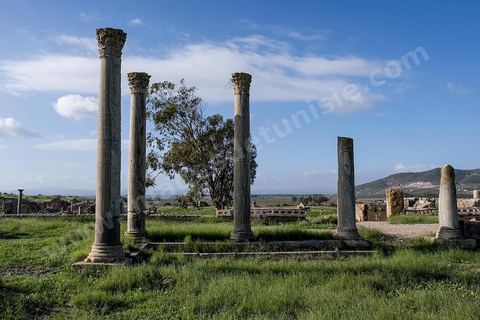
The Roman archaeological site of Thuburbo Majus. Thuburbo Majus is located at the entrance to El Fahs, 60 km from Tunis; although it is now completely abandoned, it had a population of more than 10,000 in the second century A.D. The city of Thuburbo Majus existed before the arrival of the Romans; it was first Berber and then Carthaginian. During the Roman era, the city flourished, particularly in 128 AD when it was granted the status of a municipium following a visit by Emperor Hadrian. Most of the city’s monuments date from the middle of the 2nd century. Only 7 hectares out of the total 40 hectares have been excavated; the city’s three gates attest to its immense size.
A10-024 · 2016
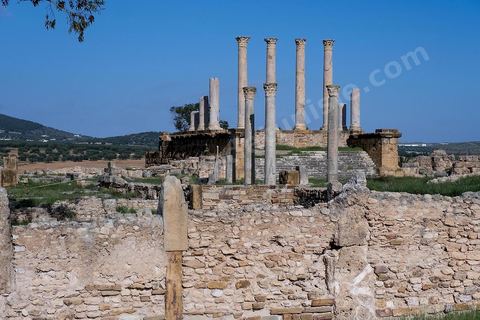
The Roman archaeological site of Thuburbo Majus. Thuburbo Majus is located at the entrance to El Fahs, 60 km from Tunis; although it is now completely abandoned, it had a population of more than 10,000 in the second century A.D. The city of Thuburbo Majus existed before the arrival of the Romans; it was first Berber and then Carthaginian. During the Roman era, the city flourished, particularly in 128 AD when it was granted the status of a municipium following a visit by Emperor Hadrian. Most of the city’s monuments date from the middle of the 2nd century. Only 7 hectares out of the total 40 hectares have been excavated; the city’s three gates attest to its immense size.
A10-025 · 2016
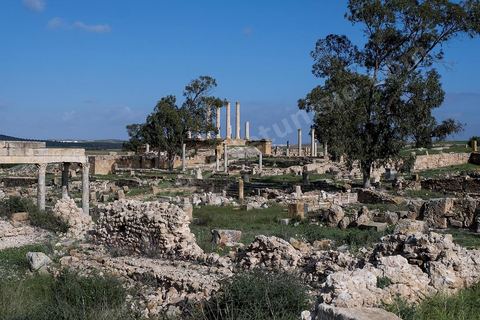
The Roman archaeological site of Thuburbo Majus. Thuburbo Majus is located at the entrance to El Fahs, 60 km from Tunis; although it is now completely abandoned, it had a population of more than 10,000 in the second century A.D. The city of Thuburbo Majus existed before the arrival of the Romans; it was first Berber and then Carthaginian. During the Roman era, the city flourished, particularly in 128 AD when it was granted the status of a municipium following a visit by Emperor Hadrian. Most of the city’s monuments date from the middle of the 2nd century. Only 7 hectares out of the total 40 hectares have been excavated; the city’s three gates attest to its immense size.
A10-026 · 2016
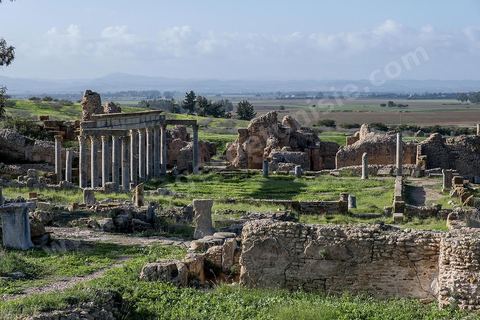
The Roman archaeological site of Thuburbo Majus. Thuburbo Majus is located at the entrance to El Fahs, 60 km from Tunis; although it is now completely abandoned, it had a population of more than 10,000 in the second century A.D. The city of Thuburbo Majus existed before the arrival of the Romans; it was first Berber and then Carthaginian. During the Roman era, the city flourished, particularly in 128 AD when it was granted the status of a municipium following a visit by Emperor Hadrian. Most of the city’s monuments date from the middle of the 2nd century. Only 7 hectares out of the total 40 hectares have been excavated; the city’s three gates attest to its immense size.
A10-027 · 2016
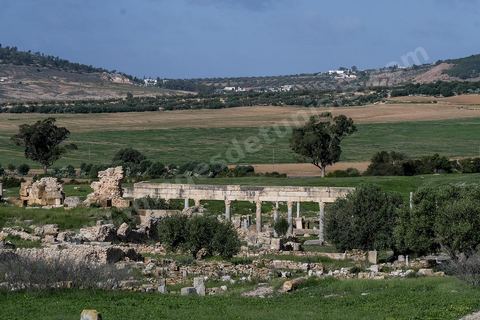
The Roman archaeological site of Thuburbo Majus. Thuburbo Majus is located at the entrance to El Fahs, 60 km from Tunis; although it is now completely abandoned, it had a population of more than 10,000 in the second century A.D. The city of Thuburbo Majus existed before the arrival of the Romans; it was first Berber and then Carthaginian. During the Roman era, the city flourished, particularly in 128 AD when it was granted the status of a municipium following a visit by Emperor Hadrian. Most of the city’s monuments date from the middle of the 2nd century. Only 7 hectares out of the total 40 hectares have been excavated; the city’s three gates attest to its immense size.
A10-028 · 2016
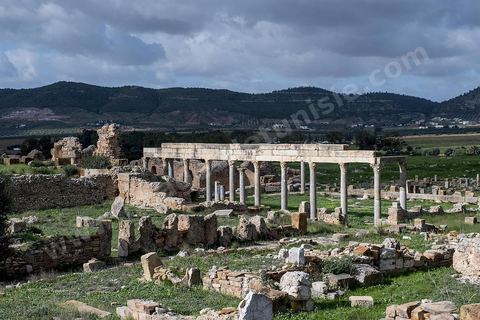
The Roman archaeological site of Thuburbo Majus. Thuburbo Majus is located at the entrance to El Fahs, 60 km from Tunis; although it is now completely abandoned, it had a population of more than 10,000 in the second century A.D. The city of Thuburbo Majus existed before the arrival of the Romans; it was first Berber and then Carthaginian. During the Roman era, the city flourished, particularly in 128 AD when it was granted the status of a municipium following a visit by Emperor Hadrian. Most of the city’s monuments date from the middle of the 2nd century. Only 7 hectares out of the total 40 hectares have been excavated; the city’s three gates attest to its immense size.
A10-029 · 2016
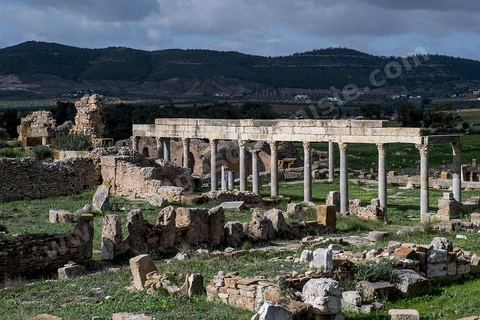
The Roman archaeological site of Thuburbo Majus. Thuburbo Majus is located at the entrance to El Fahs, 60 km from Tunis; although it is now completely abandoned, it had a population of more than 10,000 in the second century A.D. The city of Thuburbo Majus existed before the arrival of the Romans; it was first Berber and then Carthaginian. During the Roman era, the city flourished, particularly in 128 AD when it was granted the status of a municipium following a visit by Emperor Hadrian. Most of the city’s monuments date from the middle of the 2nd century. Only 7 hectares out of the total 40 hectares have been excavated; the city’s three gates attest to its immense size.
A10-030 · 2016
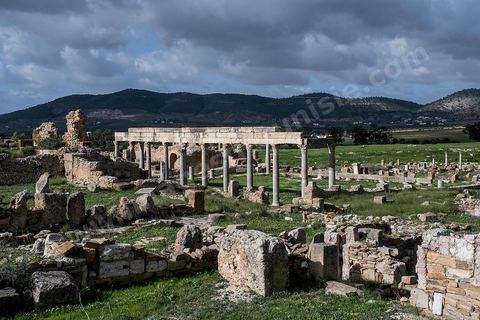
The Roman archaeological site of Thuburbo Majus. Thuburbo Majus is located at the entrance to El Fahs, 60 km from Tunis; although it is now completely abandoned, it had a population of more than 10,000 in the second century A.D. The city of Thuburbo Majus existed before the arrival of the Romans; it was first Berber and then Carthaginian. During the Roman era, the city flourished, particularly in 128 AD when it was granted the status of a municipium following a visit by Emperor Hadrian. Most of the city’s monuments date from the middle of the 2nd century. Only 7 hectares out of the total 40 hectares have been excavated; the city’s three gates attest to its immense size.
A10-031 · 2016
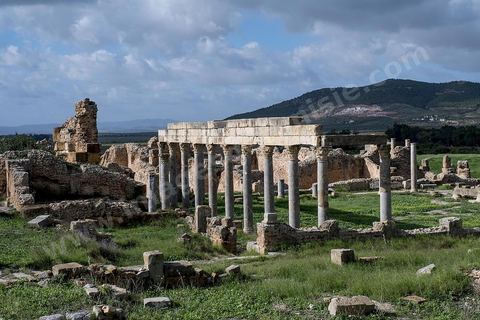
The Roman archaeological site of Thuburbo Majus. Thuburbo Majus is located at the entrance to El Fahs, 60 km from Tunis; although it is now completely abandoned, it had a population of more than 10,000 in the second century A.D. The city of Thuburbo Majus existed before the arrival of the Romans; it was first Berber and then Carthaginian. During the Roman era, the city flourished, particularly in 128 AD when it was granted the status of a municipium following a visit by Emperor Hadrian. Most of the city’s monuments date from the middle of the 2nd century. Only 7 hectares out of the total 40 hectares have been excavated; the city’s three gates attest to its immense size.
A10-032 · 2016
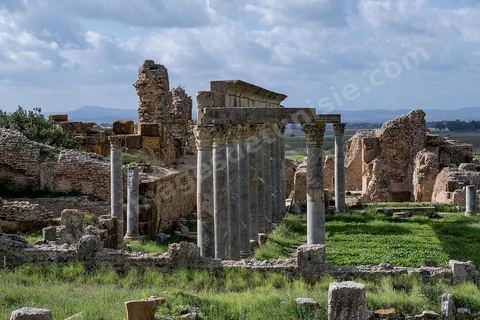
The Roman archaeological site of Thuburbo Majus. Thuburbo Majus is located at the entrance to El Fahs, 60 km from Tunis; although it is now completely abandoned, it had a population of more than 10,000 in the second century A.D. The city of Thuburbo Majus existed before the arrival of the Romans; it was first Berber and then Carthaginian. During the Roman era, the city flourished, particularly in 128 AD when it was granted the status of a municipium following a visit by Emperor Hadrian. Most of the city’s monuments date from the middle of the 2nd century. Only 7 hectares out of the total 40 hectares have been excavated; the city’s three gates attest to its immense size.
A10-033 · 2016
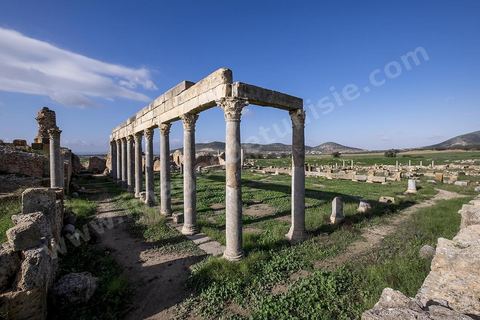
The Roman archaeological site of Thuburbo Majus. Thuburbo Majus is located at the entrance to El Fahs, 60 km from Tunis; although it is now completely abandoned, it had a population of more than 10,000 in the second century A.D. The city of Thuburbo Majus existed before the arrival of the Romans; it was first Berber and then Carthaginian. During the Roman era, the city flourished, particularly in 128 AD when it was granted the status of a municipium following a visit by Emperor Hadrian. Most of the city’s monuments date from the middle of the 2nd century. Only 7 hectares out of the total 40 hectares have been excavated; the city’s three gates attest to its immense size.
A10-034 · 2016
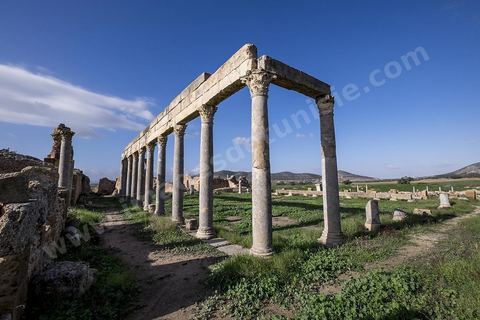
The Roman archaeological site of Thuburbo Majus. Thuburbo Majus is located at the entrance to El Fahs, 60 km from Tunis; although it is now completely abandoned, it had a population of more than 10,000 in the second century A.D. The city of Thuburbo Majus existed before the arrival of the Romans; it was first Berber and then Carthaginian. During the Roman era, the city flourished, particularly in 128 AD when it was granted the status of a municipium following a visit by Emperor Hadrian. Most of the city’s monuments date from the middle of the 2nd century. Only 7 hectares out of the total 40 hectares have been excavated; the city’s three gates attest to its immense size.
A10-035 · 2016
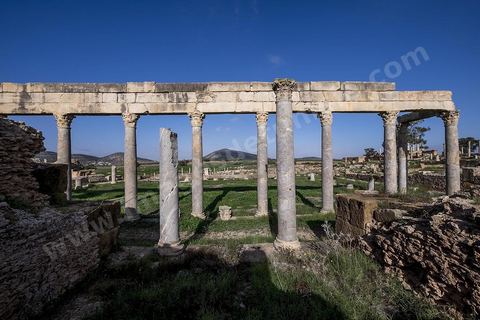
The Roman archaeological site of Thuburbo Majus. Thuburbo Majus is located at the entrance to El Fahs, 60 km from Tunis; although it is now completely abandoned, it had a population of more than 10,000 in the second century A.D. The city of Thuburbo Majus existed before the arrival of the Romans; it was first Berber and then Carthaginian. During the Roman era, the city flourished, particularly in 128 AD when it was granted the status of a municipium following a visit by Emperor Hadrian. Most of the city’s monuments date from the middle of the 2nd century. Only 7 hectares out of the total 40 hectares have been excavated; the city’s three gates attest to its immense size.
A10-036 · 2016
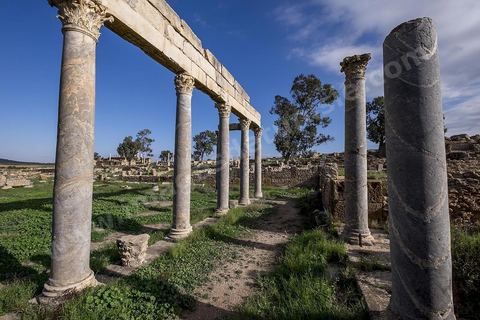
The Roman archaeological site of Thuburbo Majus. Thuburbo Majus is located at the entrance to El Fahs, 60 km from Tunis; although it is now completely abandoned, it had a population of more than 10,000 in the second century A.D. The city of Thuburbo Majus existed before the arrival of the Romans; it was first Berber and then Carthaginian. During the Roman era, the city flourished, particularly in 128 AD when it was granted the status of a municipium following a visit by Emperor Hadrian. Most of the city’s monuments date from the middle of the 2nd century. Only 7 hectares out of the total 40 hectares have been excavated; the city’s three gates attest to its immense size.
A10-037 · 2016
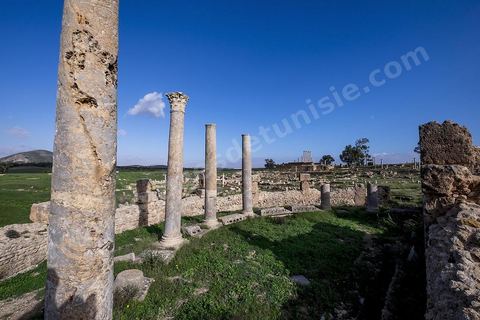
The Roman archaeological site of Thuburbo Majus. Thuburbo Majus is located at the entrance to El Fahs, 60 km from Tunis; although it is now completely abandoned, it had a population of more than 10,000 in the second century A.D. The city of Thuburbo Majus existed before the arrival of the Romans; it was first Berber and then Carthaginian. During the Roman era, the city flourished, particularly in 128 AD when it was granted the status of a municipium following a visit by Emperor Hadrian. Most of the city’s monuments date from the middle of the 2nd century. Only 7 hectares out of the total 40 hectares have been excavated; the city’s three gates attest to its immense size.
A10-038 · 2016
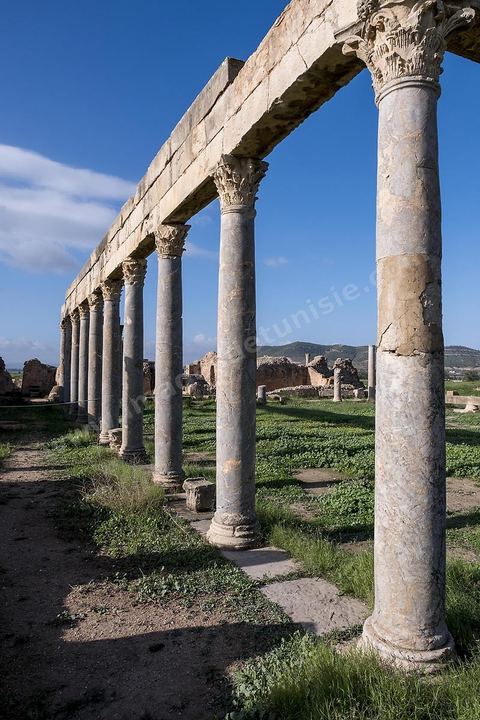
The Roman archaeological site of Thuburbo Majus. Thuburbo Majus is located at the entrance to El Fahs, 60 km from Tunis; although it is now completely abandoned, it had a population of more than 10,000 in the second century A.D. The city of Thuburbo Majus existed before the arrival of the Romans; it was first Berber and then Carthaginian. During the Roman era, the city flourished, particularly in 128 AD when it was granted the status of a municipium following a visit by Emperor Hadrian. Most of the city’s monuments date from the middle of the 2nd century. Only 7 hectares out of the total 40 hectares have been excavated; the city’s three gates attest to its immense size.
A10-039 · 2016
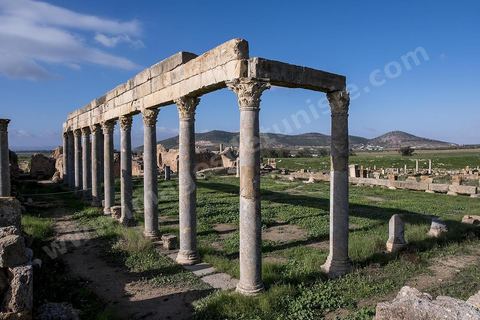
The Roman archaeological site of Thuburbo Majus. Thuburbo Majus is located at the entrance to El Fahs, 60 km from Tunis; although it is now completely abandoned, it had a population of more than 10,000 in the second century A.D. The city of Thuburbo Majus existed before the arrival of the Romans; it was first Berber and then Carthaginian. During the Roman era, the city flourished, particularly in 128 AD when it was granted the status of a municipium following a visit by Emperor Hadrian. Most of the city’s monuments date from the middle of the 2nd century. Only 7 hectares out of the total 40 hectares have been excavated; the city’s three gates attest to its immense size.
A10-040 · 2016
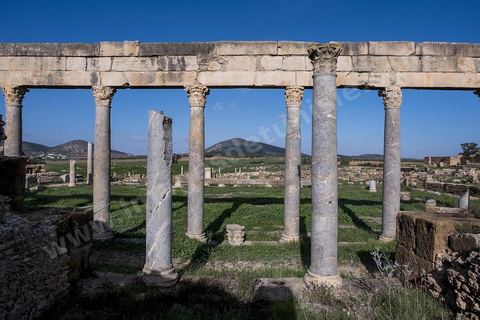
The Roman archaeological site of Thuburbo Majus. Thuburbo Majus is located at the entrance to El Fahs, 60 km from Tunis; although it is now completely abandoned, it had a population of more than 10,000 in the second century A.D. The city of Thuburbo Majus existed before the arrival of the Romans; it was first Berber and then Carthaginian. During the Roman era, the city flourished, particularly in 128 AD when it was granted the status of a municipium following a visit by Emperor Hadrian. Most of the city’s monuments date from the middle of the 2nd century. Only 7 hectares out of the total 40 hectares have been excavated; the city’s three gates attest to its immense size.
A10-041 · 2016
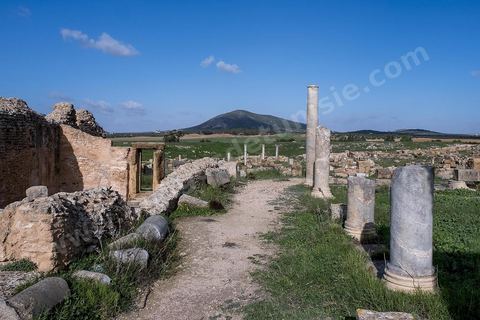
The Roman archaeological site of Thuburbo Majus. Thuburbo Majus is located at the entrance to El Fahs, 60 km from Tunis; although it is now completely abandoned, it had a population of more than 10,000 in the second century A.D. The city of Thuburbo Majus existed before the arrival of the Romans; it was first Berber and then Carthaginian. During the Roman era, the city flourished, particularly in 128 AD when it was granted the status of a municipium following a visit by Emperor Hadrian. Most of the city’s monuments date from the middle of the 2nd century. Only 7 hectares out of the total 40 hectares have been excavated; the city’s three gates attest to its immense size.
A10-042 · 2016
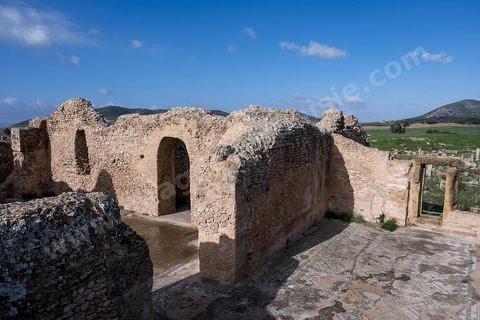
The Roman archaeological site of Thuburbo Majus. Thuburbo Majus is located at the entrance to El Fahs, 60 km from Tunis; although it is now completely abandoned, it had a population of more than 10,000 in the second century A.D. The city of Thuburbo Majus existed before the arrival of the Romans; it was first Berber and then Carthaginian. During the Roman era, the city flourished, particularly in 128 AD when it was granted the status of a municipium following a visit by Emperor Hadrian. Most of the city’s monuments date from the middle of the 2nd century. Only 7 hectares out of the total 40 hectares have been excavated; the city’s three gates attest to its immense size.
A10-043 · 2016
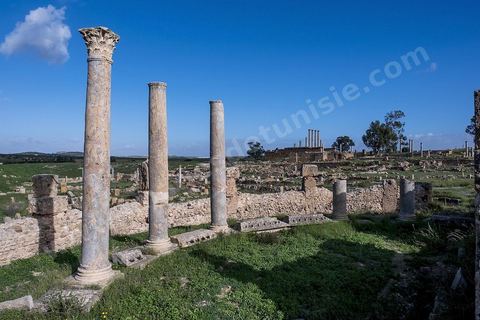
The Roman archaeological site of Thuburbo Majus. Thuburbo Majus is located at the entrance to El Fahs, 60 km from Tunis; although it is now completely abandoned, it had a population of more than 10,000 in the second century A.D. The city of Thuburbo Majus existed before the arrival of the Romans; it was first Berber and then Carthaginian. During the Roman era, the city flourished, particularly in 128 AD when it was granted the status of a municipium following a visit by Emperor Hadrian. Most of the city’s monuments date from the middle of the 2nd century. Only 7 hectares out of the total 40 hectares have been excavated; the city’s three gates attest to its immense size.
A10-044 · 2016
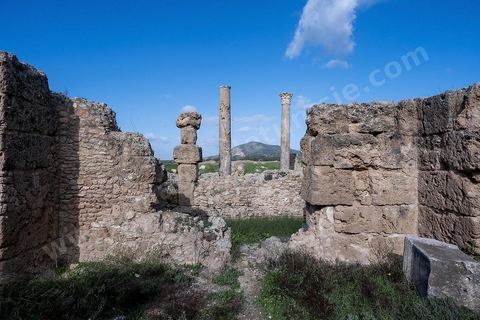
The Roman archaeological site of Thuburbo Majus. Thuburbo Majus is located at the entrance to El Fahs, 60 km from Tunis; although it is now completely abandoned, it had a population of more than 10,000 in the second century A.D. The city of Thuburbo Majus existed before the arrival of the Romans; it was first Berber and then Carthaginian. During the Roman era, the city flourished, particularly in 128 AD when it was granted the status of a municipium following a visit by Emperor Hadrian. Most of the city’s monuments date from the middle of the 2nd century. Only 7 hectares out of the total 40 hectares have been excavated; the city’s three gates attest to its immense size.
A10-045 · 2016
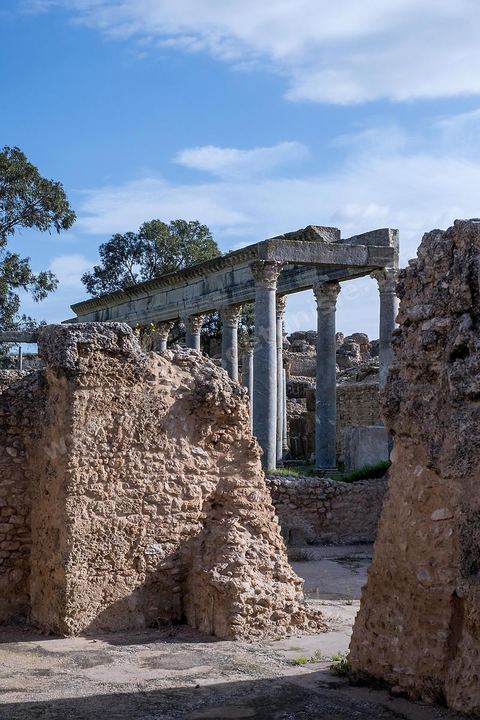
The Roman archaeological site of Thuburbo Majus. Thuburbo Majus is located at the entrance to El Fahs, 60 km from Tunis; although it is now completely abandoned, it had a population of more than 10,000 in the second century A.D. The city of Thuburbo Majus existed before the arrival of the Romans; it was first Berber and then Carthaginian. During the Roman era, the city flourished, particularly in 128 AD when it was granted the status of a municipium following a visit by Emperor Hadrian. Most of the city’s monuments date from the middle of the 2nd century. Only 7 hectares out of the total 40 hectares have been excavated; the city’s three gates attest to its immense size.
A10-046 · 2016
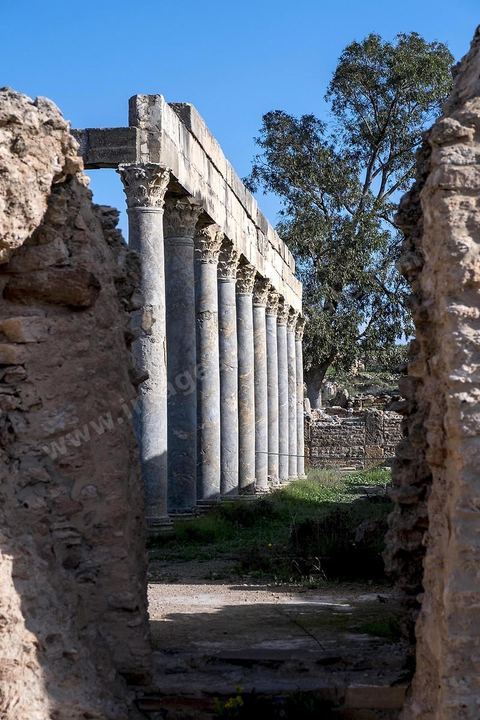
The Roman archaeological site of Thuburbo Majus. Thuburbo Majus is located at the entrance to El Fahs, 60 km from Tunis; although it is now completely abandoned, it had a population of more than 10,000 in the second century A.D. The city of Thuburbo Majus existed before the arrival of the Romans; it was first Berber and then Carthaginian. During the Roman era, the city flourished, particularly in 128 AD when it was granted the status of a municipium following a visit by Emperor Hadrian. Most of the city’s monuments date from the middle of the 2nd century. Only 7 hectares out of the total 40 hectares have been excavated; the city’s three gates attest to its immense size.
A10-047 · 2016
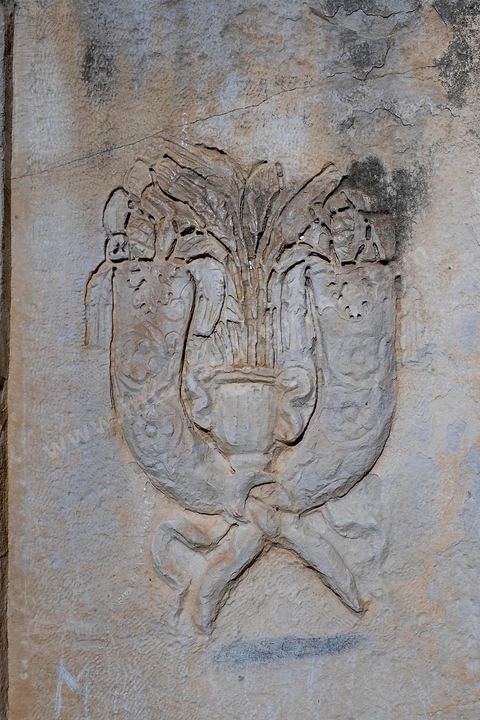
The Roman archaeological site of Thuburbo Majus. Thuburbo Majus is located at the entrance to El Fahs, 60 km from Tunis; although it is now completely abandoned, it had a population of more than 10,000 in the second century A.D. The city of Thuburbo Majus existed before the arrival of the Romans; it was first Berber and then Carthaginian. During the Roman era, the city flourished, particularly in 128 AD when it was granted the status of a municipium following a visit by Emperor Hadrian. Most of the city’s monuments date from the middle of the 2nd century. Only 7 hectares out of the total 40 hectares have been excavated; the city’s three gates attest to its immense size.
A10-048 · 2016
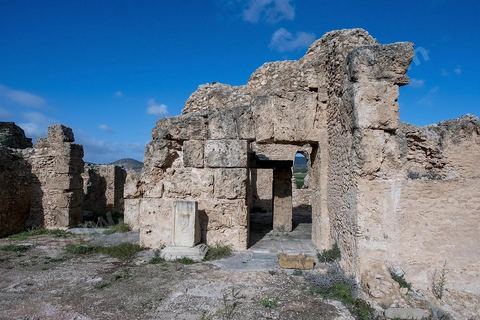
The Roman archaeological site of Thuburbo Majus. Thuburbo Majus is located at the entrance to El Fahs, 60 km from Tunis; although it is now completely abandoned, it had a population of more than 10,000 in the second century A.D. The city of Thuburbo Majus existed before the arrival of the Romans; it was first Berber and then Carthaginian. During the Roman era, the city flourished, particularly in 128 AD when it was granted the status of a municipium following a visit by Emperor Hadrian. Most of the city’s monuments date from the middle of the 2nd century. Only 7 hectares out of the total 40 hectares have been excavated; the city’s three gates attest to its immense size.
A10-049 · 2016
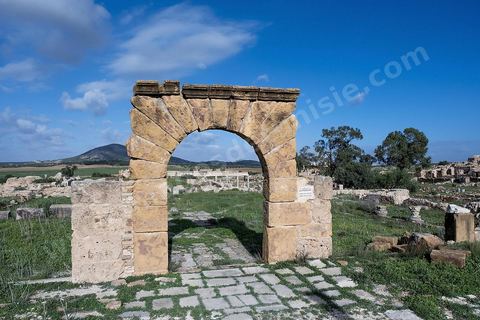
The Roman archaeological site of Thuburbo Majus. Thuburbo Majus is located at the entrance to El Fahs, 60 km from Tunis; although it is now completely abandoned, it had a population of more than 10,000 in the second century A.D. The city of Thuburbo Majus existed before the arrival of the Romans; it was first Berber and then Carthaginian. During the Roman era, the city flourished, particularly in 128 AD when it was granted the status of a municipium following a visit by Emperor Hadrian. Most of the city’s monuments date from the middle of the 2nd century. Only 7 hectares out of the total 40 hectares have been excavated; the city’s three gates attest to its immense size.
A10-050 · 2016