 © Images de Tunisie — watermarked preview
Photos from the same series
M35-907
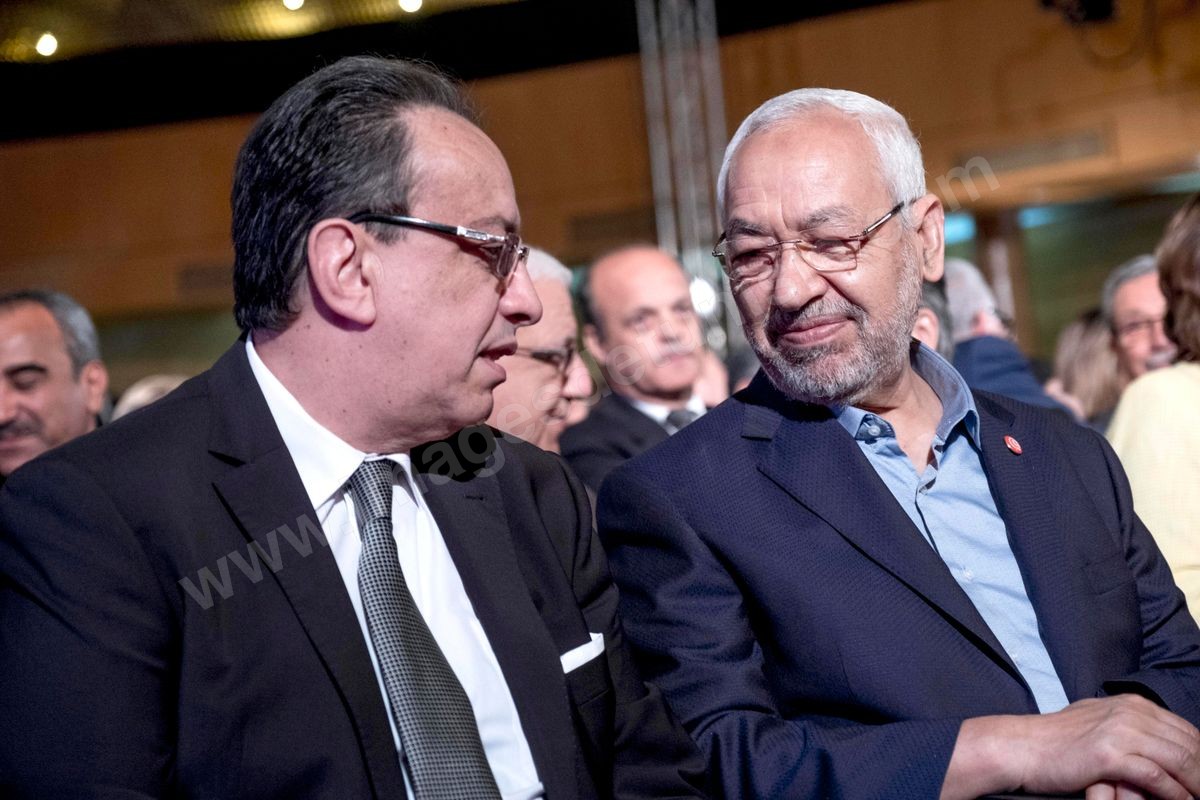
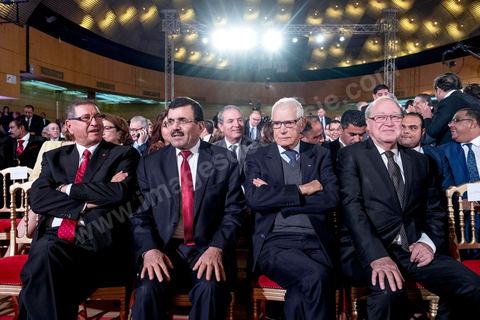
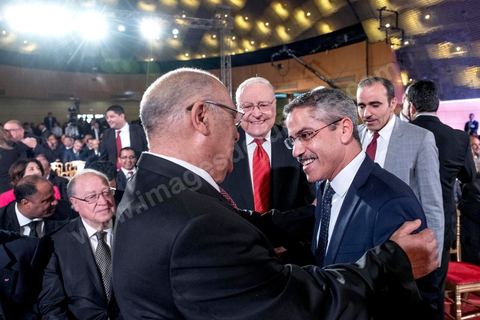
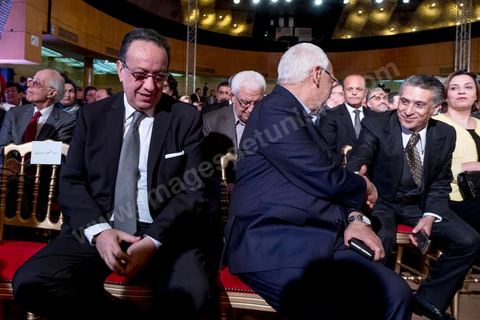
May 10, 2017: Hafedh Caid Essebsi and Ghannouchi. The President of the Republic of Tunisia, Beji Caïd Essebsi, announced on Wednesday, May 10, during a speech before an audience of officials at the Tunis Convention Center, that the “army” would “protect the country’s production sites” as social protests repeatedly disrupt oil and phosphate extraction in the southern regions. “What do we have? We have phosphate, oil, and tourism; we have agriculture,” including “olive oil.” “The state must also protect the resources of the Tunisian people,” declared Mr. Caïd Essebsi. The president’s announcement comes amid a confusing, even toxic, political climate, seven months before the municipal elections scheduled for December 17—a symbolic date, as it will mark the seventh anniversary of the revolution. This election is considered a crucial step in consolidating Tunisian democracy, which until now has suffered from a lack of local roots. On Tuesday, the resignation of Chafik Sarsar, president of the Independent High Authority for Elections (ISIE), sent shockwaves through Tunisia. The head of state referred to this, expressing regret that Sarsar had “not consulted” him before making his decision.
No online payment: licensing is quoted individually based on usage, print run and duration of use.