Cape Ras Angela
1–50 of 85 · page 1/2
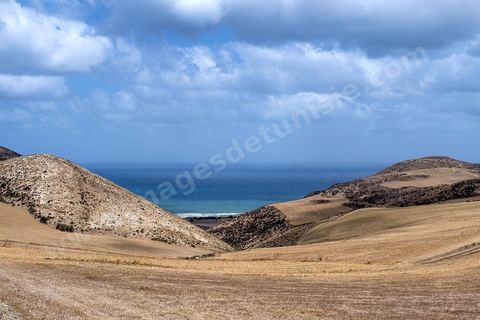
The Ras Angela nature reserve, located about 15 kilometers northwest of Bizerte, is the northernmost cape of the African continent. It is easily accessible via a paved road. The site is typical of Tunisia’s northwestern coast: rugged, with rocky coves and wide beaches of fine sand. Two landmarks set this site apart, but the most interesting feature is undoubtedly the landscape—rocky coastline to the left and a beach to the right—all dominated by the lighthouse. Its easy access makes it a fairly popular tourist destination, especially for its beach.
B30-001 · 2016
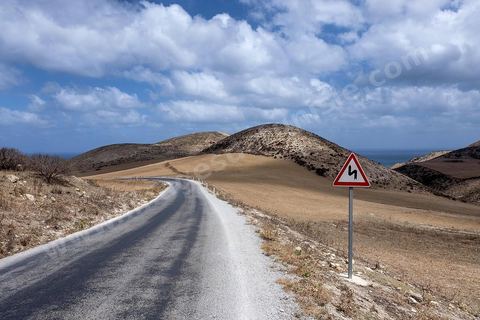
The Ras Angela nature reserve, located about 15 kilometers northwest of Bizerte, is the northernmost cape of the African continent. It is easily accessible via a paved road. The site is typical of Tunisia’s northwestern coast: rugged, with rocky coves and wide beaches of fine sand. Two landmarks set this site apart, but the most interesting feature is undoubtedly the landscape—rocky coastline to the left and a beach to the right—all dominated by the lighthouse. Its easy access makes it a fairly popular tourist destination, especially for its beach.
B30-002 · 2016
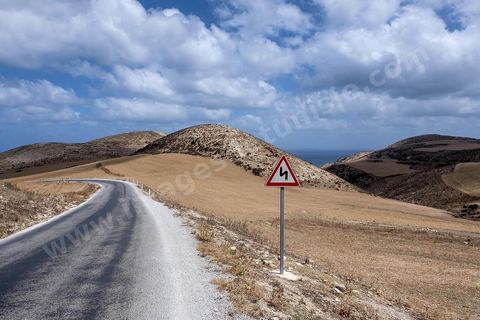
The Ras Angela nature reserve, located about 15 kilometers northwest of Bizerte, is the northernmost cape of the African continent. It is easily accessible via a paved road. The site is typical of Tunisia’s northwestern coast: rugged, with rocky coves and wide beaches of fine sand. Two landmarks set this site apart, but the most interesting feature is undoubtedly the landscape—rocky coastline to the left and a beach to the right—all dominated by the lighthouse. Its easy access makes it a fairly popular tourist destination, especially for its beach.
B30-003 · 2016
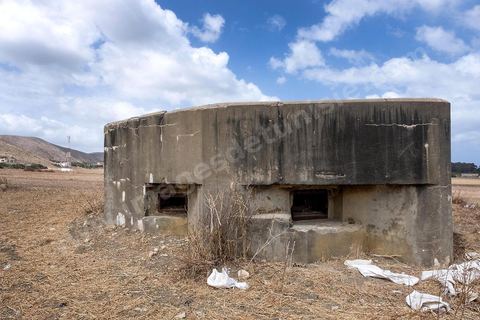
The Ras Angela nature reserve, located about 15 kilometers northwest of Bizerte, is the northernmost cape of the African continent. It is easily accessible via a paved road. The site is typical of Tunisia’s northwestern coast: rugged, with rocky coves and wide beaches of fine sand. Two landmarks set this site apart, but the most interesting feature is undoubtedly the landscape—rocky coastline to the left and a beach to the right—all dominated by the lighthouse. Its easy access makes it a fairly popular tourist destination, especially for its beach.
B30-004 · 2016
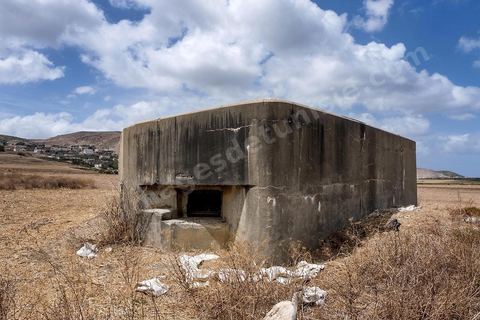
The Ras Angela nature reserve, located about 15 kilometers northwest of Bizerte, is the northernmost cape of the African continent. It is easily accessible via a paved road. The site is typical of Tunisia’s northwestern coast: rugged, with rocky coves and wide beaches of fine sand. Two landmarks set this site apart, but the most interesting feature is undoubtedly the landscape—rocky coastline to the left and a beach to the right—all dominated by the lighthouse. Its easy access makes it a fairly popular tourist destination, especially for its beach.
B30-005 · 2016
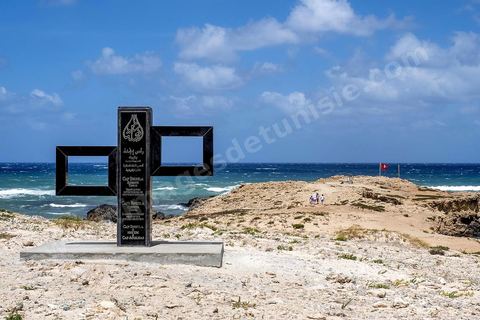
The Ras Angela nature reserve, located about 15 kilometers northwest of Bizerte, is the northernmost cape of the African continent. It is easily accessible via a paved road. The site is typical of Tunisia’s northwestern coast: rugged, with rocky coves and wide beaches of fine sand. Two landmarks set this site apart, but the most interesting feature is undoubtedly the landscape—rocky coastline to the left and a beach to the right—all dominated by the lighthouse. Its easy access makes it a fairly popular tourist destination, especially for its beach.
B30-006 · 2016
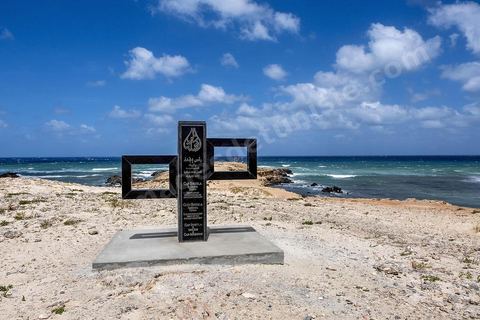
The Ras Angela nature reserve, located about 15 kilometers northwest of Bizerte, is the northernmost cape of the African continent. It is easily accessible via a paved road. The site is typical of Tunisia’s northwestern coast: rugged, with rocky coves and wide beaches of fine sand. Two landmarks set this site apart, but the most interesting feature is undoubtedly the landscape—rocky coastline to the left and a beach to the right—all dominated by the lighthouse. Its easy access makes it a fairly popular tourist destination, especially for its beach.
B30-007 · 2016
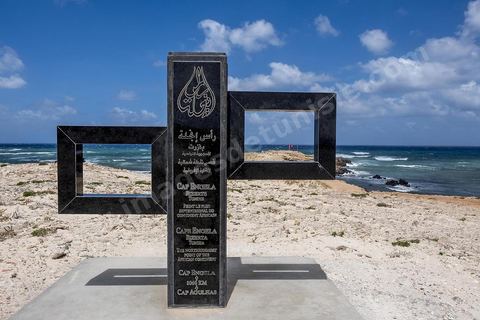
The Ras Angela nature reserve, located about 15 kilometers northwest of Bizerte, is the northernmost cape of the African continent. It is easily accessible via a paved road. The site is typical of Tunisia’s northwestern coast: rugged, with rocky coves and wide beaches of fine sand. Two landmarks set this site apart, but the most interesting feature is undoubtedly the landscape—rocky coastline to the left and a beach to the right—all dominated by the lighthouse. Its easy access makes it a fairly popular tourist destination, especially for its beach.
B30-008 · 2016
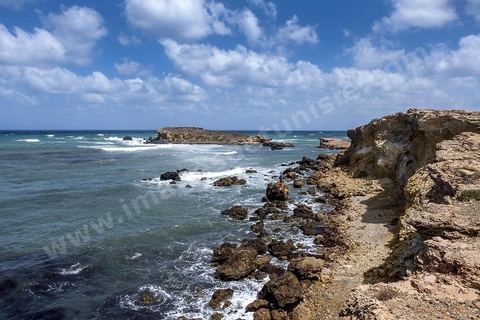
The Ras Angela nature reserve, located about 15 kilometers northwest of Bizerte, is the northernmost cape of the African continent. It is easily accessible via a paved road. The site is typical of Tunisia’s northwestern coast: rugged, with rocky coves and wide beaches of fine sand. Two landmarks set this site apart, but the most interesting feature is undoubtedly the landscape—rocky coastline to the left and a beach to the right—all dominated by the lighthouse. Its easy access makes it a fairly popular tourist destination, especially for its beach.
B30-009 · 2016
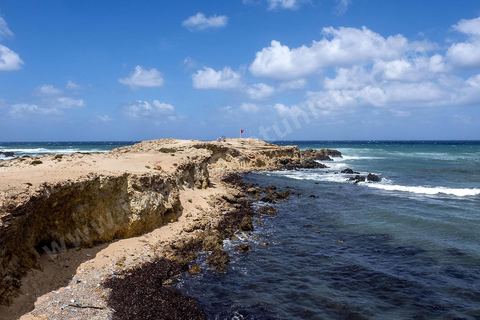
The Ras Angela nature reserve, located about 15 kilometers northwest of Bizerte, is the northernmost cape of the African continent. It is easily accessible via a paved road. The site is typical of Tunisia’s northwestern coast: rugged, with rocky coves and wide beaches of fine sand. Two landmarks set this site apart, but the most interesting feature is undoubtedly the landscape—rocky coastline to the left and a beach to the right—all dominated by the lighthouse. Its easy access makes it a fairly popular tourist destination, especially for its beach.
B30-010 · 2016
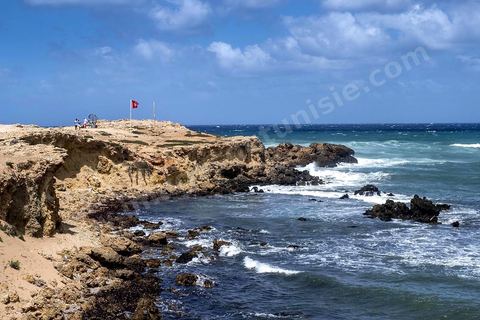
The Ras Angela nature reserve, located about 15 kilometers northwest of Bizerte, is the northernmost cape of the African continent. It is easily accessible via a paved road. The site is typical of Tunisia’s northwestern coast: rugged, with rocky coves and wide beaches of fine sand. Two landmarks set this site apart, but the most interesting feature is undoubtedly the landscape—rocky coastline to the left and a beach to the right—all dominated by the lighthouse. Its easy access makes it a fairly popular tourist destination, especially for its beach.
B30-011 · 2016
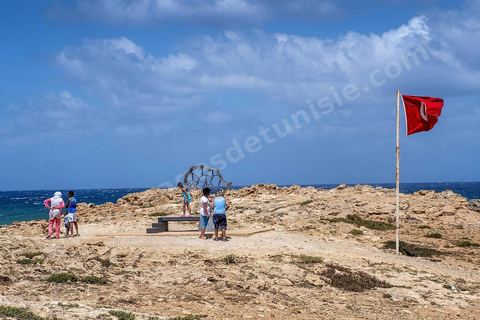
The Ras Angela nature reserve, located about 15 kilometers northwest of Bizerte, is the northernmost cape of the African continent. It is easily accessible via a paved road. The site is typical of Tunisia’s northwestern coast: rugged, with rocky coves and wide beaches of fine sand. Two landmarks set this site apart, but the most interesting feature is undoubtedly the landscape—rocky coastline to the left and a beach to the right—all dominated by the lighthouse. Its easy access makes it a fairly popular tourist destination, especially for its beach.
B30-012 · 2016
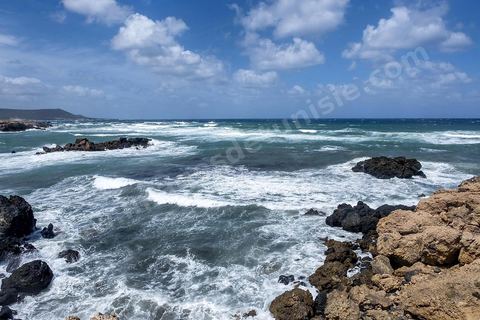
The Ras Angela nature reserve, located about 15 kilometers northwest of Bizerte, is the northernmost cape of the African continent. It is easily accessible via a paved road. The site is typical of Tunisia’s northwestern coast: rugged, with rocky coves and wide beaches of fine sand. Two landmarks set this site apart, but the most interesting feature is undoubtedly the landscape—rocky coastline to the left and a beach to the right—all dominated by the lighthouse. Its easy access makes it a fairly popular tourist destination, especially for its beach.
B30-013 · 2016
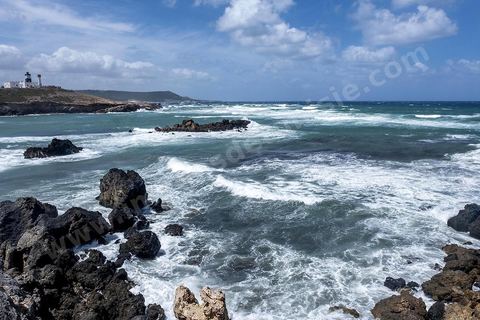
The Ras Angela nature reserve, located about 15 kilometers northwest of Bizerte, is the northernmost cape of the African continent. It is easily accessible via a paved road. The site is typical of Tunisia’s northwestern coast: rugged, with rocky coves and wide beaches of fine sand. Two landmarks set this site apart, but the most interesting feature is undoubtedly the landscape—rocky coastline to the left and a beach to the right—all dominated by the lighthouse. Its easy access makes it a fairly popular tourist destination, especially for its beach.
B30-014 · 2016
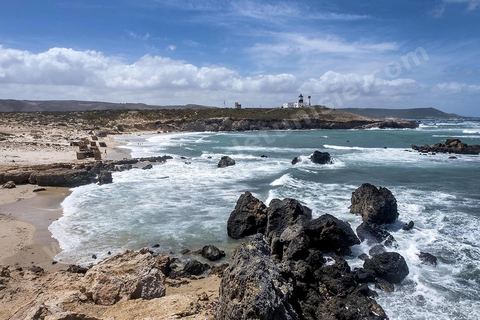
The Ras Angela nature reserve, located about 15 kilometers northwest of Bizerte, is the northernmost cape of the African continent. It is easily accessible via a paved road. The site is typical of Tunisia’s northwestern coast: rugged, with rocky coves and wide beaches of fine sand. Two landmarks set this site apart, but the most interesting feature is undoubtedly the landscape—rocky coastline to the left and a beach to the right—all dominated by the lighthouse. Its easy access makes it a fairly popular tourist destination, especially for its beach.
B30-015 · 2016
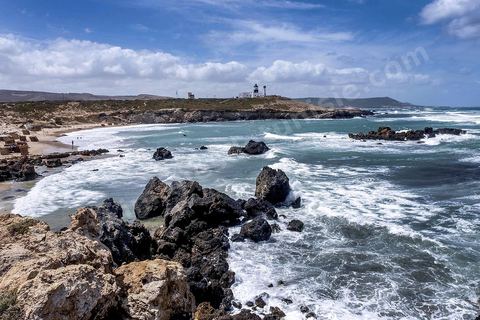
The Ras Angela nature reserve, located about 15 kilometers northwest of Bizerte, is the northernmost cape of the African continent. It is easily accessible via a paved road. The site is typical of Tunisia’s northwestern coast: rugged, with rocky coves and wide beaches of fine sand. Two landmarks set this site apart, but the most interesting feature is undoubtedly the landscape—rocky coastline to the left and a beach to the right—all dominated by the lighthouse. Its easy access makes it a fairly popular tourist destination, especially for its beach.
B30-016 · 2016
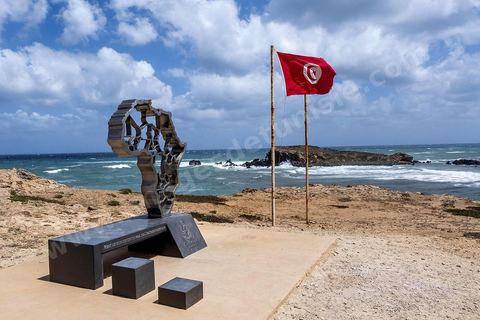
The Ras Angela nature reserve, located about 15 kilometers northwest of Bizerte, is the northernmost cape of the African continent. It is easily accessible via a paved road. The site is typical of Tunisia’s northwestern coast: rugged, with rocky coves and wide beaches of fine sand. Two landmarks set this site apart, but the most interesting feature is undoubtedly the landscape—rocky coastline to the left and a beach to the right—all dominated by the lighthouse. Its easy access makes it a fairly popular tourist destination, especially for its beach.
B30-017 · 2016
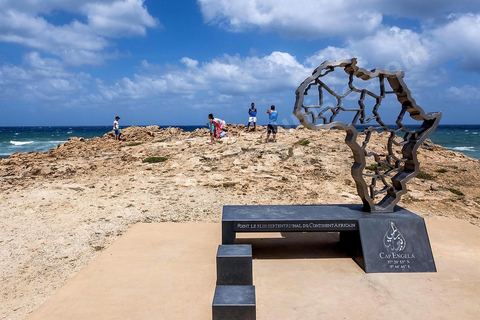
The Ras Angela nature reserve, located about 15 kilometers northwest of Bizerte, is the northernmost cape of the African continent. It is easily accessible via a paved road. The site is typical of Tunisia’s northwestern coast: rugged, with rocky coves and wide beaches of fine sand. Two landmarks set this site apart, but the most interesting feature is undoubtedly the landscape—rocky coastline to the left and a beach to the right—all dominated by the lighthouse. Its easy access makes it a fairly popular tourist destination, especially for its beach.
B30-018 · 2016
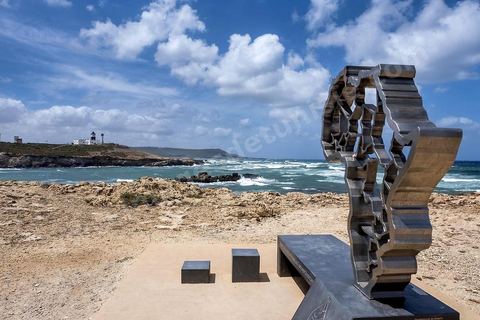
The Ras Angela nature reserve, located about 15 kilometers northwest of Bizerte, is the northernmost cape of the African continent. It is easily accessible via a paved road. The site is typical of Tunisia’s northwestern coast: rugged, with rocky coves and wide beaches of fine sand. Two landmarks set this site apart, but the most interesting feature is undoubtedly the landscape—rocky coastline to the left and a beach to the right—all dominated by the lighthouse. Its easy access makes it a fairly popular tourist destination, especially for its beach.
B30-019 · 2016
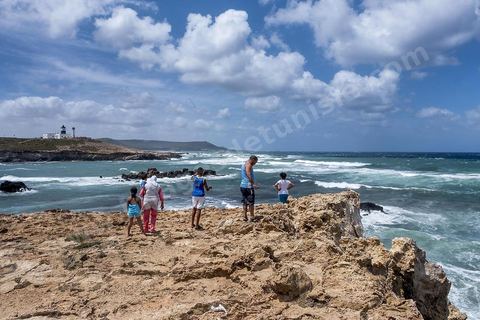
The Ras Angela nature reserve, located about 15 kilometers northwest of Bizerte, is the northernmost cape of the African continent. It is easily accessible via a paved road. The site is typical of Tunisia’s northwestern coast: rugged, with rocky coves and wide beaches of fine sand. Two landmarks set this site apart, but the most interesting feature is undoubtedly the landscape—rocky coastline to the left and a beach to the right—all dominated by the lighthouse. Its easy access makes it a fairly popular tourist destination, especially for its beach.
B30-020 · 2016
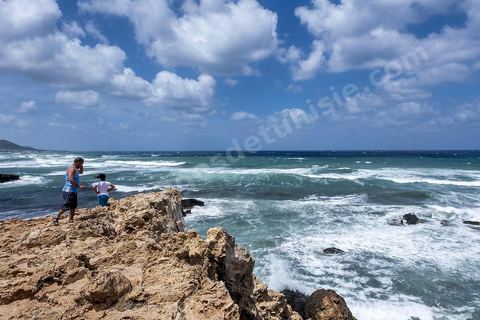
The Ras Angela nature reserve, located about 15 kilometers northwest of Bizerte, is the northernmost cape of the African continent. It is easily accessible via a paved road. The site is typical of Tunisia’s northwestern coast: rugged, with rocky coves and wide beaches of fine sand. Two landmarks set this site apart, but the most interesting feature is undoubtedly the landscape—rocky coastline to the left and a beach to the right—all dominated by the lighthouse. Its easy access makes it a fairly popular tourist destination, especially for its beach.
B30-021 · 2016
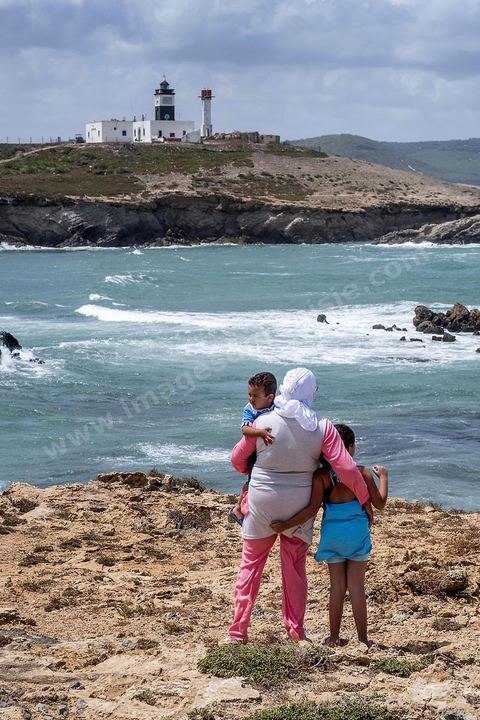
The Ras Angela nature reserve, located about 15 kilometers northwest of Bizerte, is the northernmost cape of the African continent. It is easily accessible via a paved road. The site is typical of Tunisia’s northwestern coast: rugged, with rocky coves and wide beaches of fine sand. Two landmarks set this site apart, but the most interesting feature is undoubtedly the landscape—rocky coastline to the left and a beach to the right—all dominated by the lighthouse. Its easy access makes it a fairly popular tourist destination, especially for its beach.
B30-022 · 2016
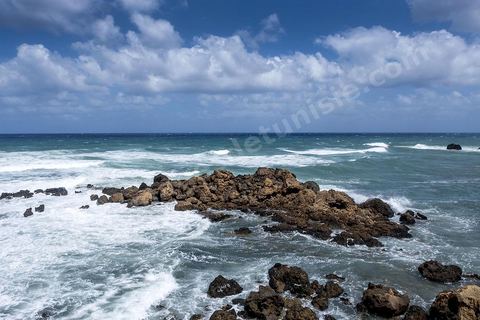
The Ras Angela nature reserve, located about 15 kilometers northwest of Bizerte, is the northernmost cape of the African continent. It is easily accessible via a paved road. The site is typical of Tunisia’s northwestern coast: rugged, with rocky coves and wide beaches of fine sand. Two landmarks set this site apart, but the most interesting feature is undoubtedly the landscape—rocky coastline to the left and a beach to the right—all dominated by the lighthouse. Its easy access makes it a fairly popular tourist destination, especially for its beach.
B30-023 · 2016
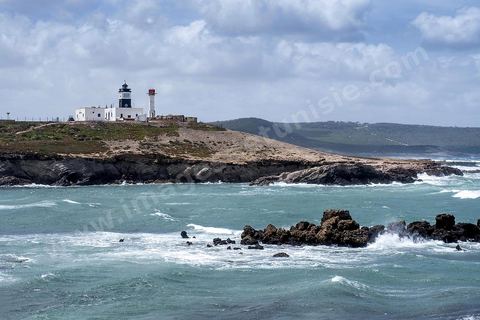
The Ras Angela nature reserve, located about 15 kilometers northwest of Bizerte, is the northernmost cape of the African continent. It is easily accessible via a paved road. The site is typical of Tunisia’s northwestern coast: rugged, with rocky coves and wide beaches of fine sand. Two landmarks set this site apart, but the most interesting feature is undoubtedly the landscape—rocky coastline to the left and a beach to the right—all dominated by the lighthouse. Its easy access makes it a fairly popular tourist destination, especially for its beach.
B30-024 · 2016
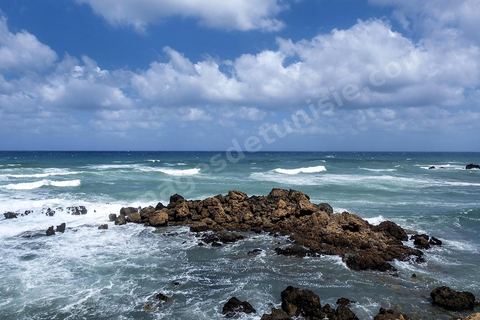
The Ras Angela nature reserve, located about 15 kilometers northwest of Bizerte, is the northernmost cape of the African continent. It is easily accessible via a paved road. The site is typical of Tunisia’s northwestern coast: rugged, with rocky coves and wide beaches of fine sand. Two landmarks set this site apart, but the most interesting feature is undoubtedly the landscape—rocky coastline to the left and a beach to the right—all dominated by the lighthouse. Its easy access makes it a fairly popular tourist destination, especially for its beach.
B30-025 · 2016
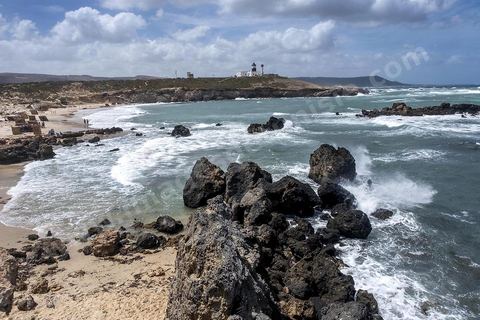
The Ras Angela nature reserve, located about 15 kilometers northwest of Bizerte, is the northernmost cape of the African continent. It is easily accessible via a paved road. The site is typical of Tunisia’s northwestern coast: rugged, with rocky coves and wide beaches of fine sand. Two landmarks set this site apart, but the most interesting feature is undoubtedly the landscape—rocky coastline to the left and a beach to the right—all dominated by the lighthouse. Its easy access makes it a fairly popular tourist destination, especially for its beach.
B30-026 · 2016
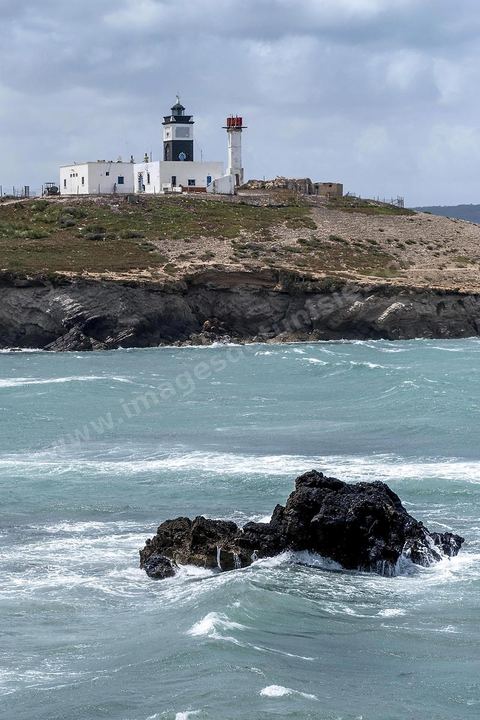
The Ras Angela nature reserve, located about 15 kilometers northwest of Bizerte, is the northernmost cape of the African continent. It is easily accessible via a paved road. The site is typical of Tunisia’s northwestern coast: rugged, with rocky coves and wide beaches of fine sand. Two landmarks set this site apart, but the most interesting feature is undoubtedly the landscape—rocky coastline to the left and a beach to the right—all dominated by the lighthouse. Its easy access makes it a fairly popular tourist destination, especially for its beach.
B30-027 · 2016
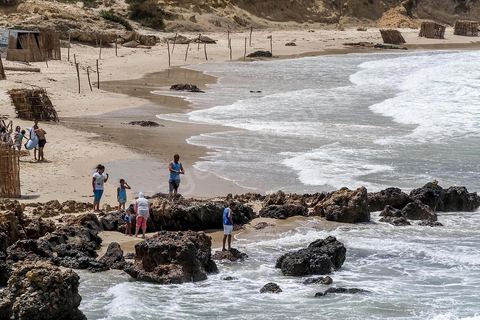
The Ras Angela nature reserve, located about 15 kilometers northwest of Bizerte, is the northernmost cape of the African continent. It is easily accessible via a paved road. The site is typical of Tunisia’s northwestern coast: rugged, with rocky coves and wide beaches of fine sand. Two landmarks set this site apart, but the most interesting feature is undoubtedly the landscape—rocky coastline to the left and a beach to the right—all dominated by the lighthouse. Its easy access makes it a fairly popular tourist destination, especially for its beach.
B30-028 · 2016
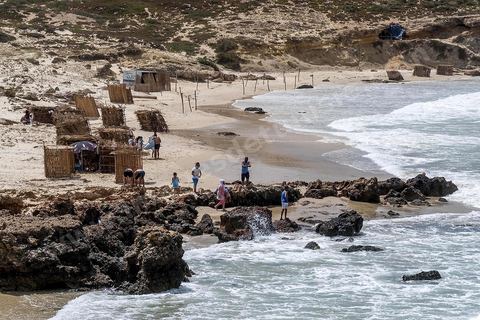
The Ras Angela nature reserve, located about 15 kilometers northwest of Bizerte, is the northernmost cape of the African continent. It is easily accessible via a paved road. The site is typical of Tunisia’s northwestern coast: rugged, with rocky coves and wide beaches of fine sand. Two landmarks set this site apart, but the most interesting feature is undoubtedly the landscape—rocky coastline to the left and a beach to the right—all dominated by the lighthouse. Its easy access makes it a fairly popular tourist destination, especially for its beach.
B30-029 · 2016
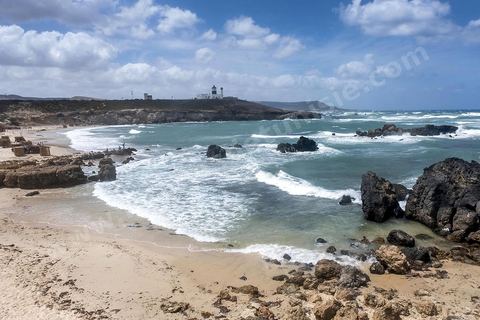
The Ras Angela nature reserve, located about 15 kilometers northwest of Bizerte, is the northernmost cape of the African continent. It is easily accessible via a paved road. The site is typical of Tunisia’s northwestern coast: rugged, with rocky coves and wide beaches of fine sand. Two landmarks set this site apart, but the most interesting feature is undoubtedly the landscape—rocky coastline to the left and a beach to the right—all dominated by the lighthouse. Its easy access makes it a fairly popular tourist destination, especially for its beach.
B30-030 · 2016
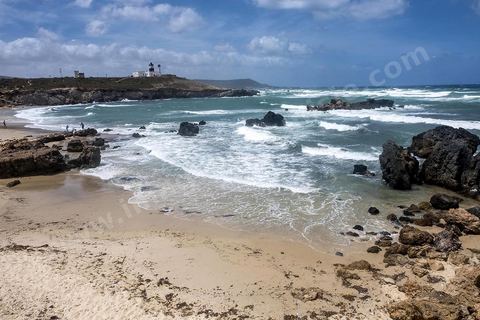
The Ras Angela nature reserve, located about 15 kilometers northwest of Bizerte, is the northernmost cape of the African continent. It is easily accessible via a paved road. The site is typical of Tunisia’s northwestern coast: rugged, with rocky coves and wide beaches of fine sand. Two landmarks set this site apart, but the most interesting feature is undoubtedly the landscape—rocky coastline to the left and a beach to the right—all dominated by the lighthouse. Its easy access makes it a fairly popular tourist destination, especially for its beach.
B30-031 · 2016
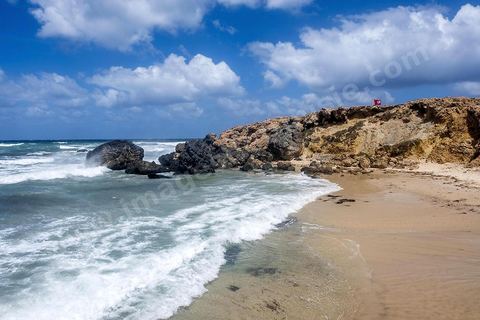
The Ras Angela nature reserve, located about 15 kilometers northwest of Bizerte, is the northernmost cape of the African continent. It is easily accessible via a paved road. The site is typical of Tunisia’s northwestern coast: rugged, with rocky coves and wide beaches of fine sand. Two landmarks set this site apart, but the most interesting feature is undoubtedly the landscape—rocky coastline to the left and a beach to the right—all dominated by the lighthouse. Its easy access makes it a fairly popular tourist destination, especially for its beach.
B30-032 · 2016
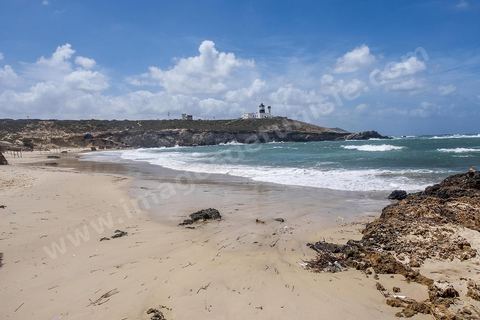
The Ras Angela nature reserve, located about 15 kilometers northwest of Bizerte, is the northernmost cape of the African continent. It is easily accessible via a paved road. The site is typical of Tunisia’s northwestern coast: rugged, with rocky coves and wide beaches of fine sand. Two landmarks set this site apart, but the most interesting feature is undoubtedly the landscape—rocky coastline to the left and a beach to the right—all dominated by the lighthouse. Its easy access makes it a fairly popular tourist destination, especially for its beach.
B30-033 · 2016
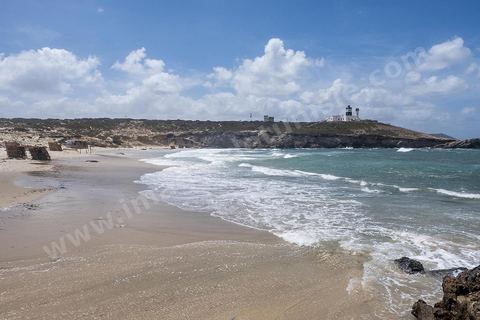
The Ras Angela nature reserve, located about 15 kilometers northwest of Bizerte, is the northernmost cape of the African continent. It is easily accessible via a paved road. The site is typical of Tunisia’s northwestern coast: rugged, with rocky coves and wide beaches of fine sand. Two landmarks set this site apart, but the most interesting feature is undoubtedly the landscape—rocky coastline to the left and a beach to the right—all dominated by the lighthouse. Its easy access makes it a fairly popular tourist destination, especially for its beach.
B30-034 · 2016
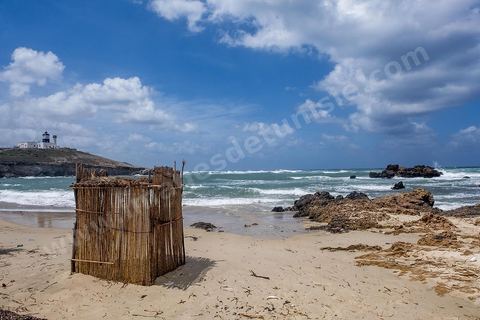
The Ras Angela nature reserve, located about 15 kilometers northwest of Bizerte, is the northernmost cape of the African continent. It is easily accessible via a paved road. The site is typical of Tunisia’s northwestern coast: rugged, with rocky coves and wide beaches of fine sand. Two landmarks set this site apart, but the most interesting feature is undoubtedly the landscape—rocky coastline to the left and a beach to the right—all dominated by the lighthouse. Its easy access makes it a fairly popular tourist destination, especially for its beach.
B30-035 · 2016
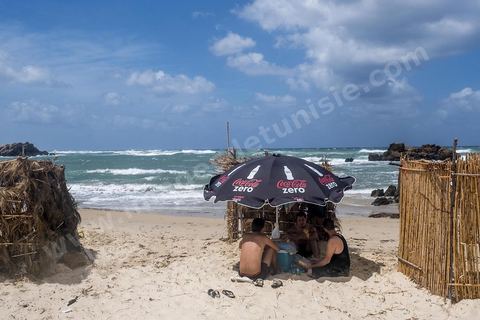
The Ras Angela nature reserve, located about 15 kilometers northwest of Bizerte, is the northernmost cape of the African continent. It is easily accessible via a paved road. The site is typical of Tunisia’s northwestern coast: rugged, with rocky coves and wide beaches of fine sand. Two landmarks set this site apart, but the most interesting feature is undoubtedly the landscape—rocky coastline to the left and a beach to the right—all dominated by the lighthouse. Its easy access makes it a fairly popular tourist destination, especially for its beach.
B30-036 · 2016
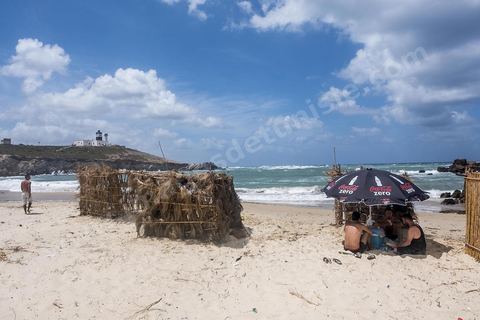
The Ras Angela nature reserve, located about 15 kilometers northwest of Bizerte, is the northernmost cape of the African continent. It is easily accessible via a paved road. The site is typical of Tunisia’s northwestern coast: rugged, with rocky coves and wide beaches of fine sand. Two landmarks set this site apart, but the most interesting feature is undoubtedly the landscape—rocky coastline to the left and a beach to the right—all dominated by the lighthouse. Its easy access makes it a fairly popular tourist destination, especially for its beach.
B30-037 · 2016
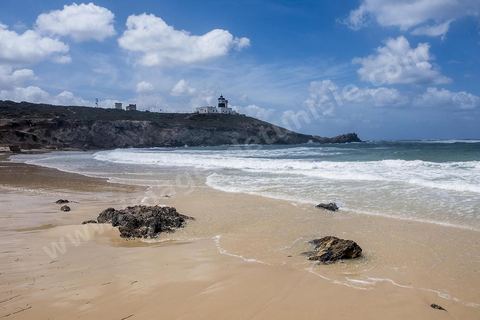
The Ras Angela nature reserve, located about 15 kilometers northwest of Bizerte, is the northernmost cape of the African continent. It is easily accessible via a paved road. The site is typical of Tunisia’s northwestern coast: rugged, with rocky coves and wide beaches of fine sand. Two landmarks set this site apart, but the most interesting feature is undoubtedly the landscape—rocky coastline to the left and a beach to the right—all dominated by the lighthouse. Its easy access makes it a fairly popular tourist destination, especially for its beach.
B30-038 · 2016
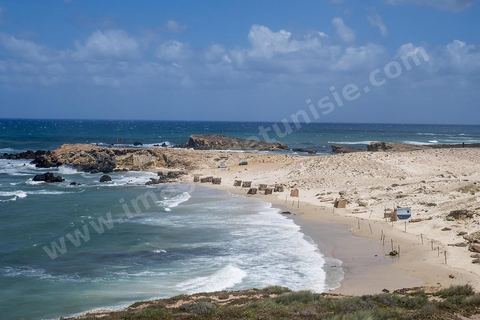
The Ras Angela nature reserve, located about 15 kilometers northwest of Bizerte, is the northernmost cape of the African continent. It is easily accessible via a paved road. The site is typical of Tunisia’s northwestern coast: rugged, with rocky coves and wide beaches of fine sand. Two landmarks set this site apart, but the most interesting feature is undoubtedly the landscape—rocky coastline to the left and a beach to the right—all dominated by the lighthouse. Its easy access makes it a fairly popular tourist destination, especially for its beach.
B30-039 · 2016
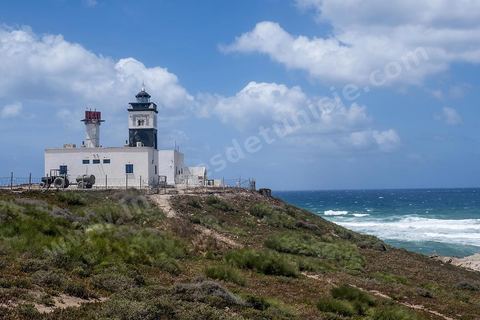
The Ras Angela nature reserve, located about 15 kilometers northwest of Bizerte, is the northernmost cape of the African continent. It is easily accessible via a paved road. The site is typical of Tunisia’s northwestern coast: rugged, with rocky coves and wide beaches of fine sand. Two landmarks set this site apart, but the most interesting feature is undoubtedly the landscape—rocky coastline to the left and a beach to the right—all dominated by the lighthouse. Its easy access makes it a fairly popular tourist destination, especially for its beach.
B30-040 · 2016
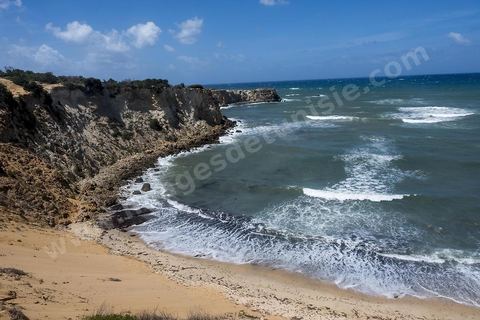
Après le cap Ras Angela, une fois engagèe sur cette piste qui longe la mer, c'est une succession sur près de 10 km de criques rocheuses surplombant la mer et protégeant des plages de sables blanc : Cap Sloumka, Cap Hmem, Cap Sidi Bechir, ... sont les quelques lieux à décourvrir pour sa nature, sa beauté, sa fraîcheur estivale et ses immenses plages de sables fins.
B30-041 · 2016
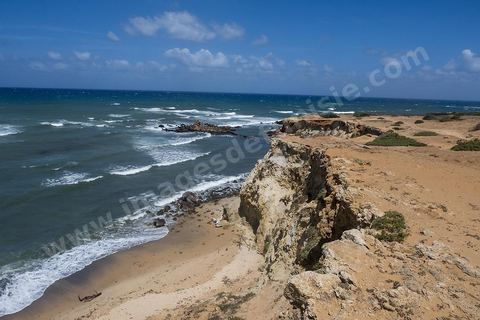
Après le cap Ras Angela, une fois engagèe sur cette piste qui longe la mer, c'est une succession sur près de 10 km de criques rocheuses surplombant la mer et protégeant des plages de sables blanc : Cap Sloumka, Cap Hmem, Cap Sidi Bechir, ... sont les quelques lieux à décourvrir pour sa nature, sa beauté, sa fraîcheur estivale et ses immenses plages de sables fins.
B30-042 · 2016
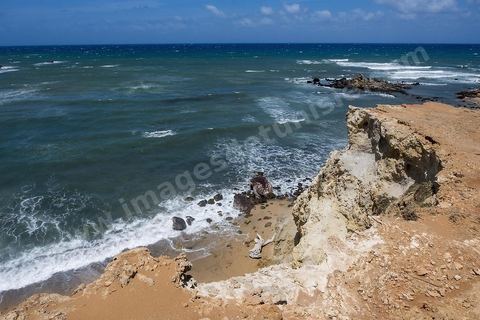
Après le cap Ras Angela, une fois engagèe sur cette piste qui longe la mer, c'est une succession sur près de 10 km de criques rocheuses surplombant la mer et protégeant des plages de sables blanc : Cap Sloumka, Cap Hmem, Cap Sidi Bechir, ... sont les quelques lieux à décourvrir pour sa nature, sa beauté, sa fraîcheur estivale et ses immenses plages de sables fins.
B30-043 · 2016
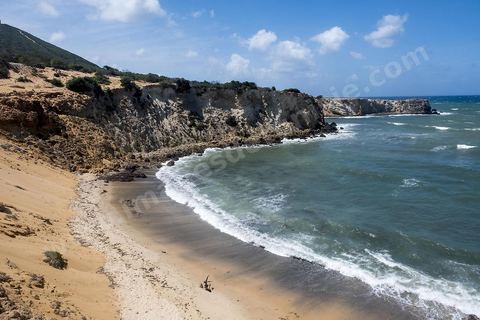
Après le cap Ras Angela, une fois engagèe sur cette piste qui longe la mer, c'est une succession sur près de 10 km de criques rocheuses surplombant la mer et protégeant des plages de sables blanc : Cap Sloumka, Cap Hmem, Cap Sidi Bechir, ... sont les quelques lieux à décourvrir pour sa nature, sa beauté, sa fraîcheur estivale et ses immenses plages de sables fins.
B30-044 · 2016
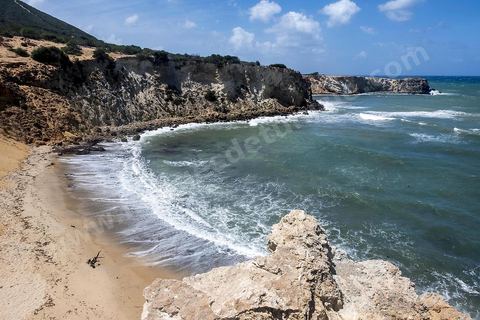
Après le cap Ras Angela, une fois engagèe sur cette piste qui longe la mer, c'est une succession sur près de 10 km de criques rocheuses surplombant la mer et protégeant des plages de sables blanc : Cap Sloumka, Cap Hmem, Cap Sidi Bechir, ... sont les quelques lieux à décourvrir pour sa nature, sa beauté, sa fraîcheur estivale et ses immenses plages de sables fins.
B30-045 · 2016
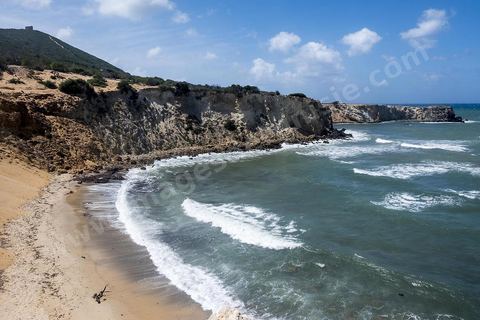
Après le cap Ras Angela, une fois engagèe sur cette piste qui longe la mer, c'est une succession sur près de 10 km de criques rocheuses surplombant la mer et protégeant des plages de sables blanc : Cap Sloumka, Cap Hmem, Cap Sidi Bechir, ... sont les quelques lieux à décourvrir pour sa nature, sa beauté, sa fraîcheur estivale et ses immenses plages de sables fins.
B30-046 · 2016
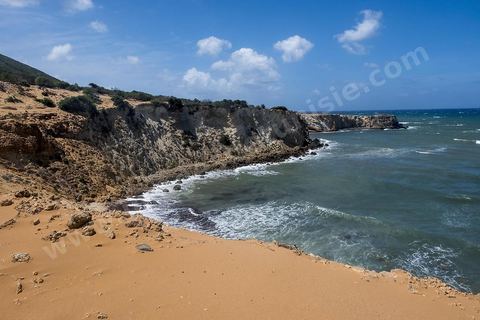
Après le cap Ras Angela, une fois engagèe sur cette piste qui longe la mer, c'est une succession sur près de 10 km de criques rocheuses surplombant la mer et protégeant des plages de sables blanc : Cap Sloumka, Cap Hmem, Cap Sidi Bechir, ... sont les quelques lieux à décourvrir pour sa nature, sa beauté, sa fraîcheur estivale et ses immenses plages de sables fins.
B30-047 · 2016
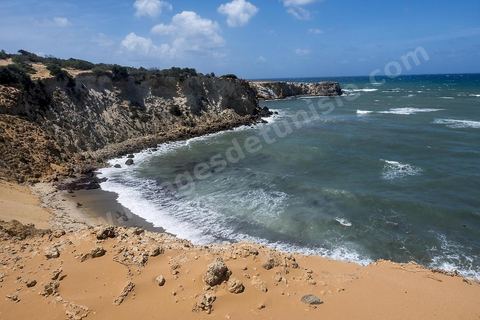
Après le cap Ras Angela, une fois engagèe sur cette piste qui longe la mer, c'est une succession sur près de 10 km de criques rocheuses surplombant la mer et protégeant des plages de sables blanc : Cap Sloumka, Cap Hmem, Cap Sidi Bechir, ... sont les quelques lieux à décourvrir pour sa nature, sa beauté, sa fraîcheur estivale et ses immenses plages de sables fins.
B30-048 · 2016
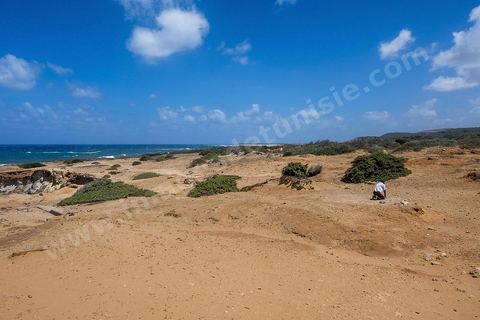
Après le cap Ras Angela, une fois engagèe sur cette piste qui longe la mer, c'est une succession sur près de 10 km de criques rocheuses surplombant la mer et protégeant des plages de sables blanc : Cap Sloumka, Cap Hmem, Cap Sidi Bechir, ... sont les quelques lieux à décourvrir pour sa nature, sa beauté, sa fraîcheur estivale et ses immenses plages de sables fins.
B30-049 · 2016
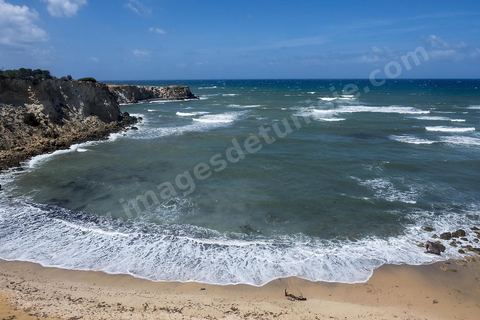
Après le cap Ras Angela, une fois engagèe sur cette piste qui longe la mer, c'est une succession sur près de 10 km de criques rocheuses surplombant la mer et protégeant des plages de sables blanc : Cap Sloumka, Cap Hmem, Cap Sidi Bechir, ... sont les quelques lieux à décourvrir pour sa nature, sa beauté, sa fraîcheur estivale et ses immenses plages de sables fins.
B30-050 · 2016