Cape Ras Angela
1–70 of 85 · page 2/2
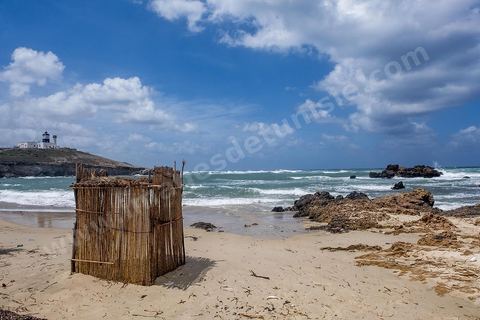
The Ras Angela nature reserve, located about 15 kilometers northwest of Bizerte, is the northernmost cape of the African continent. It is easily accessible via a paved road. The site is typical of Tunisia’s northwestern coast: rugged, with rocky coves and wide beaches of fine sand. Two landmarks set this site apart, but the most interesting feature is undoubtedly the landscape—rocky coastline to the left and a beach to the right—all dominated by the lighthouse. Its easy access makes it a fairly popular tourist destination, especially for its beach.
B30-035 · 2016
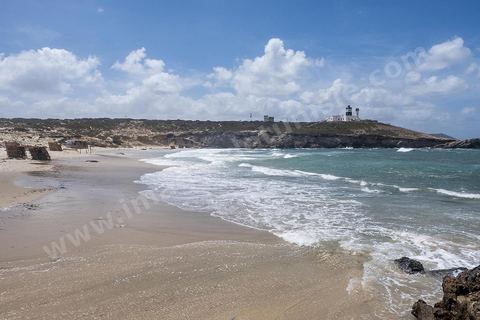
The Ras Angela nature reserve, located about 15 kilometers northwest of Bizerte, is the northernmost cape of the African continent. It is easily accessible via a paved road. The site is typical of Tunisia’s northwestern coast: rugged, with rocky coves and wide beaches of fine sand. Two landmarks set this site apart, but the most interesting feature is undoubtedly the landscape—rocky coastline to the left and a beach to the right—all dominated by the lighthouse. Its easy access makes it a fairly popular tourist destination, especially for its beach.
B30-034 · 2016
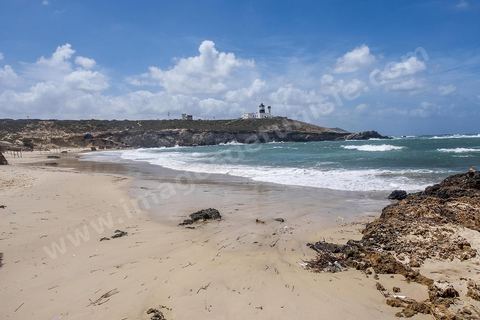
The Ras Angela nature reserve, located about 15 kilometers northwest of Bizerte, is the northernmost cape of the African continent. It is easily accessible via a paved road. The site is typical of Tunisia’s northwestern coast: rugged, with rocky coves and wide beaches of fine sand. Two landmarks set this site apart, but the most interesting feature is undoubtedly the landscape—rocky coastline to the left and a beach to the right—all dominated by the lighthouse. Its easy access makes it a fairly popular tourist destination, especially for its beach.
B30-033 · 2016
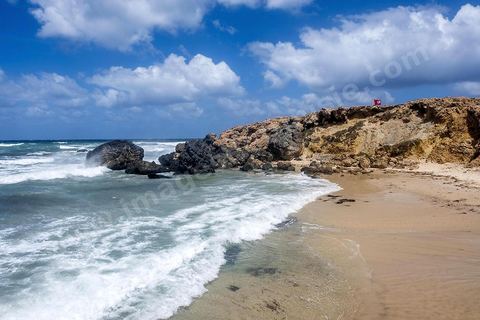
The Ras Angela nature reserve, located about 15 kilometers northwest of Bizerte, is the northernmost cape of the African continent. It is easily accessible via a paved road. The site is typical of Tunisia’s northwestern coast: rugged, with rocky coves and wide beaches of fine sand. Two landmarks set this site apart, but the most interesting feature is undoubtedly the landscape—rocky coastline to the left and a beach to the right—all dominated by the lighthouse. Its easy access makes it a fairly popular tourist destination, especially for its beach.
B30-032 · 2016
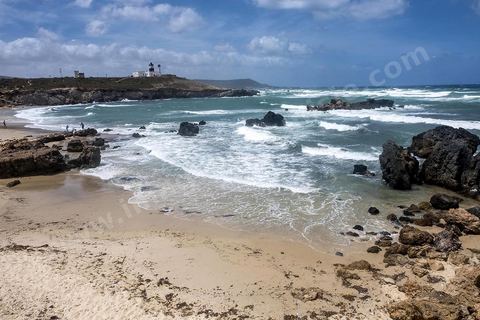
The Ras Angela nature reserve, located about 15 kilometers northwest of Bizerte, is the northernmost cape of the African continent. It is easily accessible via a paved road. The site is typical of Tunisia’s northwestern coast: rugged, with rocky coves and wide beaches of fine sand. Two landmarks set this site apart, but the most interesting feature is undoubtedly the landscape—rocky coastline to the left and a beach to the right—all dominated by the lighthouse. Its easy access makes it a fairly popular tourist destination, especially for its beach.
B30-031 · 2016
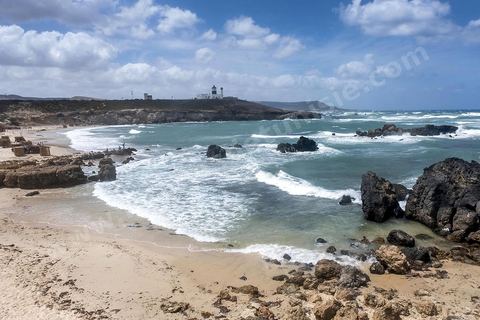
The Ras Angela nature reserve, located about 15 kilometers northwest of Bizerte, is the northernmost cape of the African continent. It is easily accessible via a paved road. The site is typical of Tunisia’s northwestern coast: rugged, with rocky coves and wide beaches of fine sand. Two landmarks set this site apart, but the most interesting feature is undoubtedly the landscape—rocky coastline to the left and a beach to the right—all dominated by the lighthouse. Its easy access makes it a fairly popular tourist destination, especially for its beach.
B30-030 · 2016
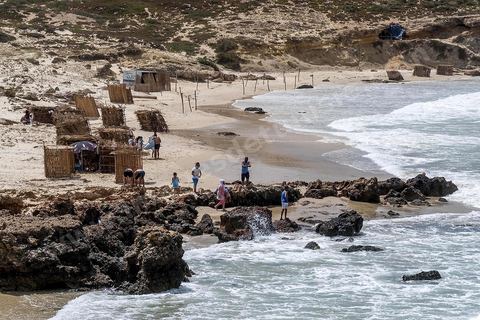
The Ras Angela nature reserve, located about 15 kilometers northwest of Bizerte, is the northernmost cape of the African continent. It is easily accessible via a paved road. The site is typical of Tunisia’s northwestern coast: rugged, with rocky coves and wide beaches of fine sand. Two landmarks set this site apart, but the most interesting feature is undoubtedly the landscape—rocky coastline to the left and a beach to the right—all dominated by the lighthouse. Its easy access makes it a fairly popular tourist destination, especially for its beach.
B30-029 · 2016
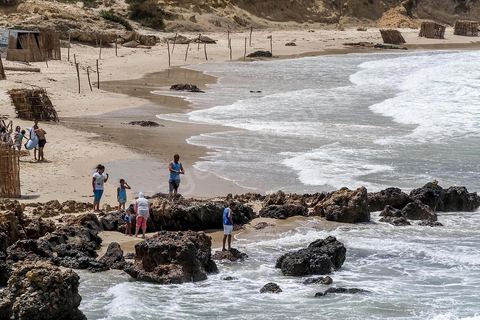
The Ras Angela nature reserve, located about 15 kilometers northwest of Bizerte, is the northernmost cape of the African continent. It is easily accessible via a paved road. The site is typical of Tunisia’s northwestern coast: rugged, with rocky coves and wide beaches of fine sand. Two landmarks set this site apart, but the most interesting feature is undoubtedly the landscape—rocky coastline to the left and a beach to the right—all dominated by the lighthouse. Its easy access makes it a fairly popular tourist destination, especially for its beach.
B30-028 · 2016
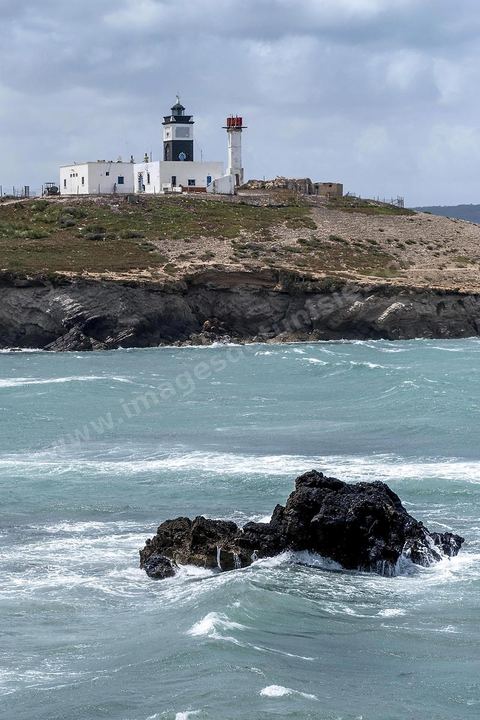
The Ras Angela nature reserve, located about 15 kilometers northwest of Bizerte, is the northernmost cape of the African continent. It is easily accessible via a paved road. The site is typical of Tunisia’s northwestern coast: rugged, with rocky coves and wide beaches of fine sand. Two landmarks set this site apart, but the most interesting feature is undoubtedly the landscape—rocky coastline to the left and a beach to the right—all dominated by the lighthouse. Its easy access makes it a fairly popular tourist destination, especially for its beach.
B30-027 · 2016
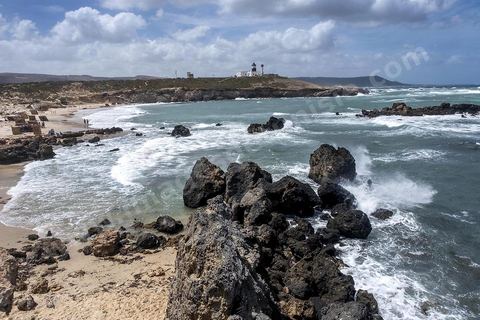
The Ras Angela nature reserve, located about 15 kilometers northwest of Bizerte, is the northernmost cape of the African continent. It is easily accessible via a paved road. The site is typical of Tunisia’s northwestern coast: rugged, with rocky coves and wide beaches of fine sand. Two landmarks set this site apart, but the most interesting feature is undoubtedly the landscape—rocky coastline to the left and a beach to the right—all dominated by the lighthouse. Its easy access makes it a fairly popular tourist destination, especially for its beach.
B30-026 · 2016
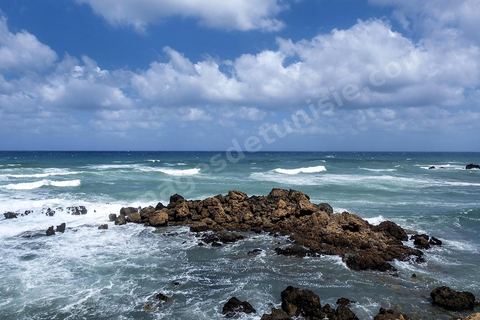
The Ras Angela nature reserve, located about 15 kilometers northwest of Bizerte, is the northernmost cape of the African continent. It is easily accessible via a paved road. The site is typical of Tunisia’s northwestern coast: rugged, with rocky coves and wide beaches of fine sand. Two landmarks set this site apart, but the most interesting feature is undoubtedly the landscape—rocky coastline to the left and a beach to the right—all dominated by the lighthouse. Its easy access makes it a fairly popular tourist destination, especially for its beach.
B30-025 · 2016
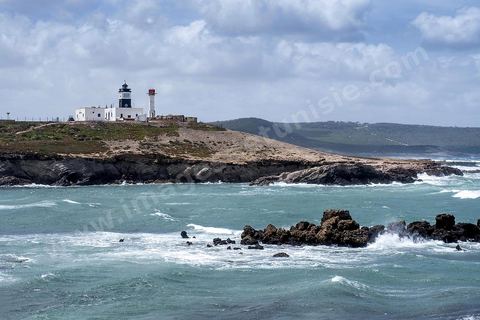
The Ras Angela nature reserve, located about 15 kilometers northwest of Bizerte, is the northernmost cape of the African continent. It is easily accessible via a paved road. The site is typical of Tunisia’s northwestern coast: rugged, with rocky coves and wide beaches of fine sand. Two landmarks set this site apart, but the most interesting feature is undoubtedly the landscape—rocky coastline to the left and a beach to the right—all dominated by the lighthouse. Its easy access makes it a fairly popular tourist destination, especially for its beach.
B30-024 · 2016
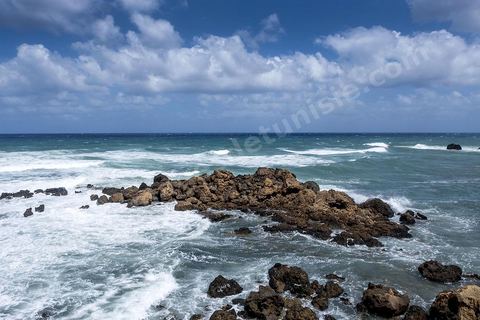
The Ras Angela nature reserve, located about 15 kilometers northwest of Bizerte, is the northernmost cape of the African continent. It is easily accessible via a paved road. The site is typical of Tunisia’s northwestern coast: rugged, with rocky coves and wide beaches of fine sand. Two landmarks set this site apart, but the most interesting feature is undoubtedly the landscape—rocky coastline to the left and a beach to the right—all dominated by the lighthouse. Its easy access makes it a fairly popular tourist destination, especially for its beach.
B30-023 · 2016
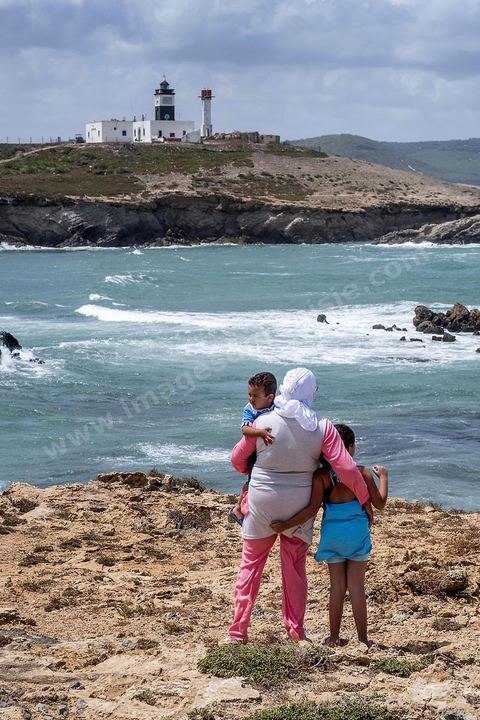
The Ras Angela nature reserve, located about 15 kilometers northwest of Bizerte, is the northernmost cape of the African continent. It is easily accessible via a paved road. The site is typical of Tunisia’s northwestern coast: rugged, with rocky coves and wide beaches of fine sand. Two landmarks set this site apart, but the most interesting feature is undoubtedly the landscape—rocky coastline to the left and a beach to the right—all dominated by the lighthouse. Its easy access makes it a fairly popular tourist destination, especially for its beach.
B30-022 · 2016
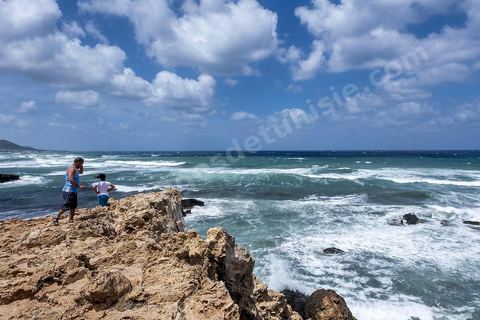
The Ras Angela nature reserve, located about 15 kilometers northwest of Bizerte, is the northernmost cape of the African continent. It is easily accessible via a paved road. The site is typical of Tunisia’s northwestern coast: rugged, with rocky coves and wide beaches of fine sand. Two landmarks set this site apart, but the most interesting feature is undoubtedly the landscape—rocky coastline to the left and a beach to the right—all dominated by the lighthouse. Its easy access makes it a fairly popular tourist destination, especially for its beach.
B30-021 · 2016
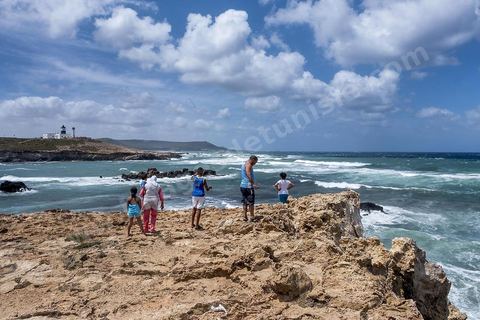
The Ras Angela nature reserve, located about 15 kilometers northwest of Bizerte, is the northernmost cape of the African continent. It is easily accessible via a paved road. The site is typical of Tunisia’s northwestern coast: rugged, with rocky coves and wide beaches of fine sand. Two landmarks set this site apart, but the most interesting feature is undoubtedly the landscape—rocky coastline to the left and a beach to the right—all dominated by the lighthouse. Its easy access makes it a fairly popular tourist destination, especially for its beach.
B30-020 · 2016
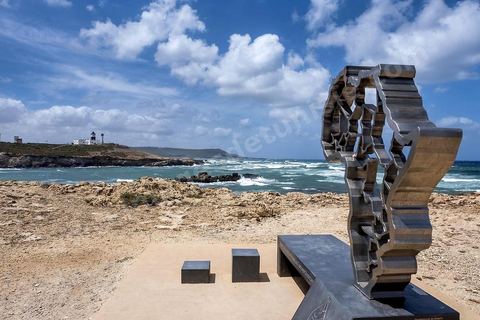
The Ras Angela nature reserve, located about 15 kilometers northwest of Bizerte, is the northernmost cape of the African continent. It is easily accessible via a paved road. The site is typical of Tunisia’s northwestern coast: rugged, with rocky coves and wide beaches of fine sand. Two landmarks set this site apart, but the most interesting feature is undoubtedly the landscape—rocky coastline to the left and a beach to the right—all dominated by the lighthouse. Its easy access makes it a fairly popular tourist destination, especially for its beach.
B30-019 · 2016
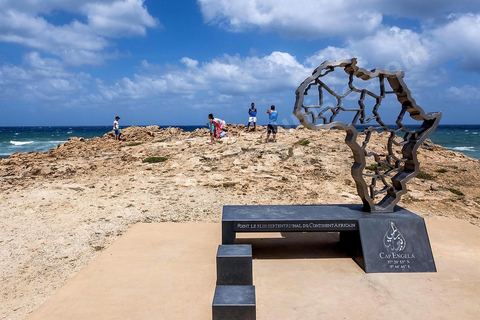
The Ras Angela nature reserve, located about 15 kilometers northwest of Bizerte, is the northernmost cape of the African continent. It is easily accessible via a paved road. The site is typical of Tunisia’s northwestern coast: rugged, with rocky coves and wide beaches of fine sand. Two landmarks set this site apart, but the most interesting feature is undoubtedly the landscape—rocky coastline to the left and a beach to the right—all dominated by the lighthouse. Its easy access makes it a fairly popular tourist destination, especially for its beach.
B30-018 · 2016
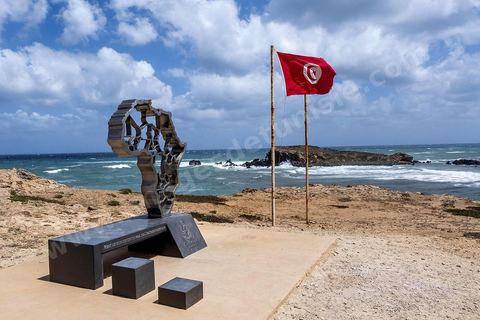
The Ras Angela nature reserve, located about 15 kilometers northwest of Bizerte, is the northernmost cape of the African continent. It is easily accessible via a paved road. The site is typical of Tunisia’s northwestern coast: rugged, with rocky coves and wide beaches of fine sand. Two landmarks set this site apart, but the most interesting feature is undoubtedly the landscape—rocky coastline to the left and a beach to the right—all dominated by the lighthouse. Its easy access makes it a fairly popular tourist destination, especially for its beach.
B30-017 · 2016
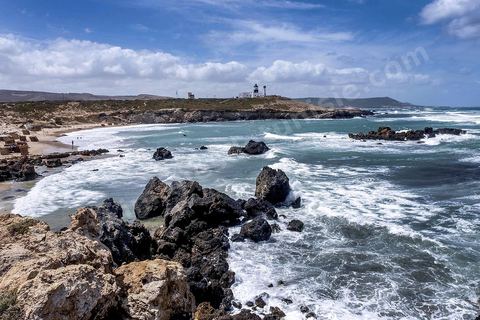
The Ras Angela nature reserve, located about 15 kilometers northwest of Bizerte, is the northernmost cape of the African continent. It is easily accessible via a paved road. The site is typical of Tunisia’s northwestern coast: rugged, with rocky coves and wide beaches of fine sand. Two landmarks set this site apart, but the most interesting feature is undoubtedly the landscape—rocky coastline to the left and a beach to the right—all dominated by the lighthouse. Its easy access makes it a fairly popular tourist destination, especially for its beach.
B30-016 · 2016
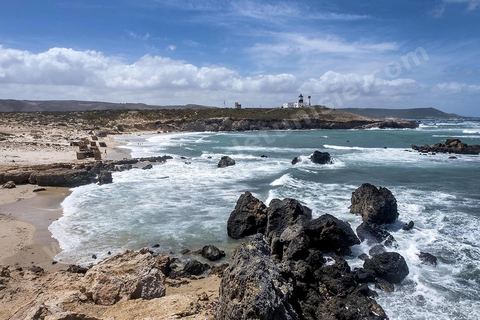
The Ras Angela nature reserve, located about 15 kilometers northwest of Bizerte, is the northernmost cape of the African continent. It is easily accessible via a paved road. The site is typical of Tunisia’s northwestern coast: rugged, with rocky coves and wide beaches of fine sand. Two landmarks set this site apart, but the most interesting feature is undoubtedly the landscape—rocky coastline to the left and a beach to the right—all dominated by the lighthouse. Its easy access makes it a fairly popular tourist destination, especially for its beach.
B30-015 · 2016
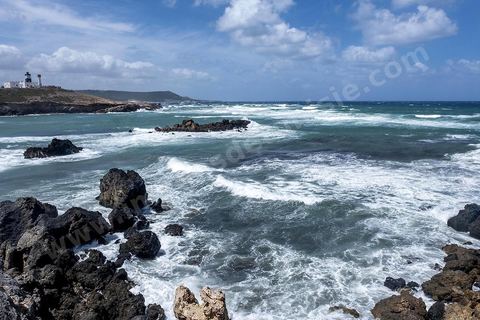
The Ras Angela nature reserve, located about 15 kilometers northwest of Bizerte, is the northernmost cape of the African continent. It is easily accessible via a paved road. The site is typical of Tunisia’s northwestern coast: rugged, with rocky coves and wide beaches of fine sand. Two landmarks set this site apart, but the most interesting feature is undoubtedly the landscape—rocky coastline to the left and a beach to the right—all dominated by the lighthouse. Its easy access makes it a fairly popular tourist destination, especially for its beach.
B30-014 · 2016
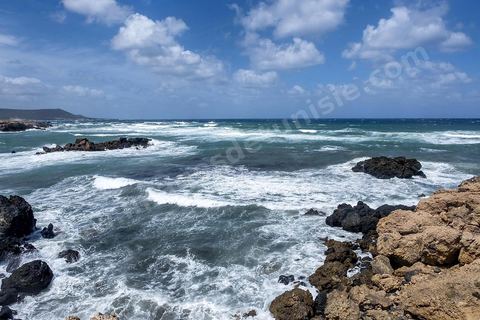
The Ras Angela nature reserve, located about 15 kilometers northwest of Bizerte, is the northernmost cape of the African continent. It is easily accessible via a paved road. The site is typical of Tunisia’s northwestern coast: rugged, with rocky coves and wide beaches of fine sand. Two landmarks set this site apart, but the most interesting feature is undoubtedly the landscape—rocky coastline to the left and a beach to the right—all dominated by the lighthouse. Its easy access makes it a fairly popular tourist destination, especially for its beach.
B30-013 · 2016
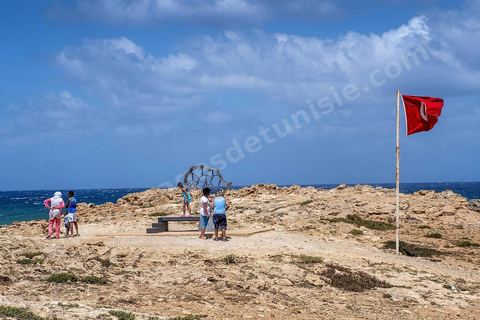
The Ras Angela nature reserve, located about 15 kilometers northwest of Bizerte, is the northernmost cape of the African continent. It is easily accessible via a paved road. The site is typical of Tunisia’s northwestern coast: rugged, with rocky coves and wide beaches of fine sand. Two landmarks set this site apart, but the most interesting feature is undoubtedly the landscape—rocky coastline to the left and a beach to the right—all dominated by the lighthouse. Its easy access makes it a fairly popular tourist destination, especially for its beach.
B30-012 · 2016
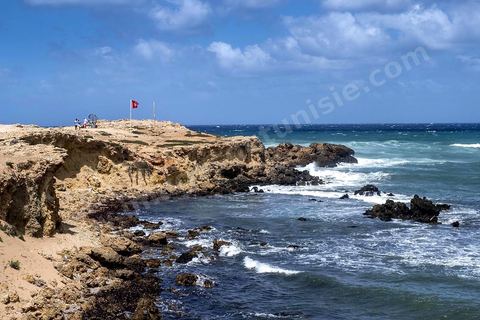
The Ras Angela nature reserve, located about 15 kilometers northwest of Bizerte, is the northernmost cape of the African continent. It is easily accessible via a paved road. The site is typical of Tunisia’s northwestern coast: rugged, with rocky coves and wide beaches of fine sand. Two landmarks set this site apart, but the most interesting feature is undoubtedly the landscape—rocky coastline to the left and a beach to the right—all dominated by the lighthouse. Its easy access makes it a fairly popular tourist destination, especially for its beach.
B30-011 · 2016
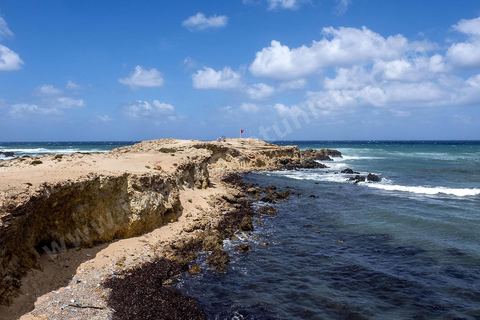
The Ras Angela nature reserve, located about 15 kilometers northwest of Bizerte, is the northernmost cape of the African continent. It is easily accessible via a paved road. The site is typical of Tunisia’s northwestern coast: rugged, with rocky coves and wide beaches of fine sand. Two landmarks set this site apart, but the most interesting feature is undoubtedly the landscape—rocky coastline to the left and a beach to the right—all dominated by the lighthouse. Its easy access makes it a fairly popular tourist destination, especially for its beach.
B30-010 · 2016
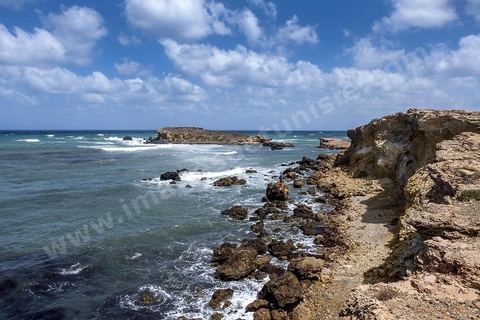
The Ras Angela nature reserve, located about 15 kilometers northwest of Bizerte, is the northernmost cape of the African continent. It is easily accessible via a paved road. The site is typical of Tunisia’s northwestern coast: rugged, with rocky coves and wide beaches of fine sand. Two landmarks set this site apart, but the most interesting feature is undoubtedly the landscape—rocky coastline to the left and a beach to the right—all dominated by the lighthouse. Its easy access makes it a fairly popular tourist destination, especially for its beach.
B30-009 · 2016
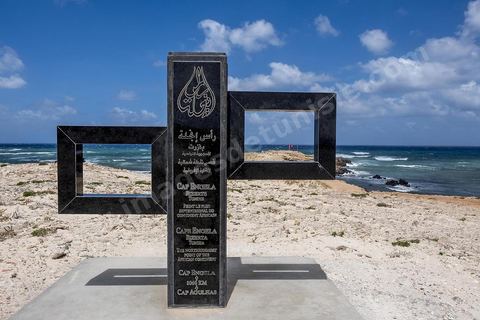
The Ras Angela nature reserve, located about 15 kilometers northwest of Bizerte, is the northernmost cape of the African continent. It is easily accessible via a paved road. The site is typical of Tunisia’s northwestern coast: rugged, with rocky coves and wide beaches of fine sand. Two landmarks set this site apart, but the most interesting feature is undoubtedly the landscape—rocky coastline to the left and a beach to the right—all dominated by the lighthouse. Its easy access makes it a fairly popular tourist destination, especially for its beach.
B30-008 · 2016
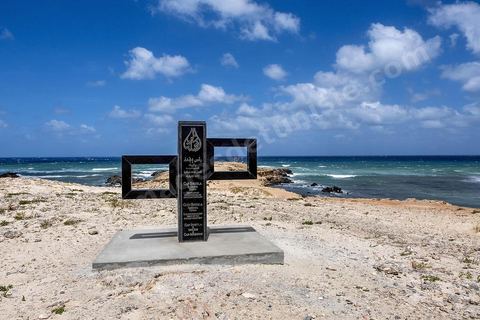
The Ras Angela nature reserve, located about 15 kilometers northwest of Bizerte, is the northernmost cape of the African continent. It is easily accessible via a paved road. The site is typical of Tunisia’s northwestern coast: rugged, with rocky coves and wide beaches of fine sand. Two landmarks set this site apart, but the most interesting feature is undoubtedly the landscape—rocky coastline to the left and a beach to the right—all dominated by the lighthouse. Its easy access makes it a fairly popular tourist destination, especially for its beach.
B30-007 · 2016
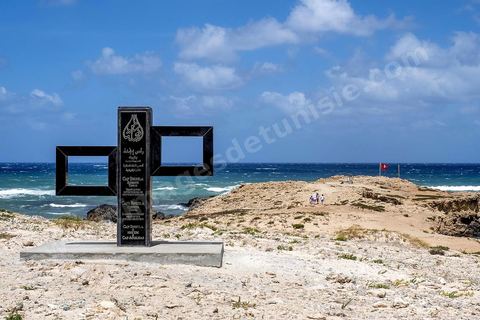
The Ras Angela nature reserve, located about 15 kilometers northwest of Bizerte, is the northernmost cape of the African continent. It is easily accessible via a paved road. The site is typical of Tunisia’s northwestern coast: rugged, with rocky coves and wide beaches of fine sand. Two landmarks set this site apart, but the most interesting feature is undoubtedly the landscape—rocky coastline to the left and a beach to the right—all dominated by the lighthouse. Its easy access makes it a fairly popular tourist destination, especially for its beach.
B30-006 · 2016
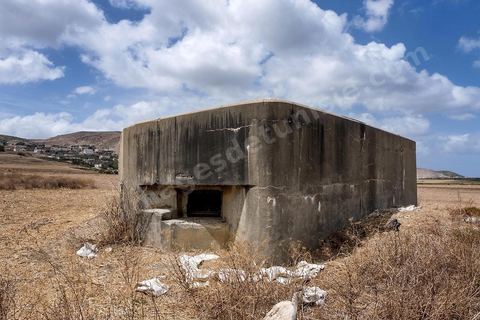
The Ras Angela nature reserve, located about 15 kilometers northwest of Bizerte, is the northernmost cape of the African continent. It is easily accessible via a paved road. The site is typical of Tunisia’s northwestern coast: rugged, with rocky coves and wide beaches of fine sand. Two landmarks set this site apart, but the most interesting feature is undoubtedly the landscape—rocky coastline to the left and a beach to the right—all dominated by the lighthouse. Its easy access makes it a fairly popular tourist destination, especially for its beach.
B30-005 · 2016
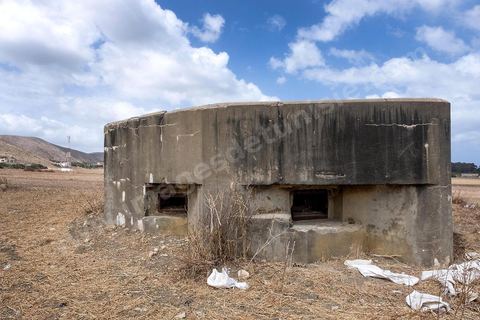
The Ras Angela nature reserve, located about 15 kilometers northwest of Bizerte, is the northernmost cape of the African continent. It is easily accessible via a paved road. The site is typical of Tunisia’s northwestern coast: rugged, with rocky coves and wide beaches of fine sand. Two landmarks set this site apart, but the most interesting feature is undoubtedly the landscape—rocky coastline to the left and a beach to the right—all dominated by the lighthouse. Its easy access makes it a fairly popular tourist destination, especially for its beach.
B30-004 · 2016
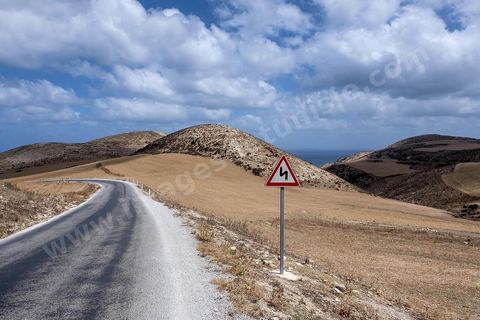
The Ras Angela nature reserve, located about 15 kilometers northwest of Bizerte, is the northernmost cape of the African continent. It is easily accessible via a paved road. The site is typical of Tunisia’s northwestern coast: rugged, with rocky coves and wide beaches of fine sand. Two landmarks set this site apart, but the most interesting feature is undoubtedly the landscape—rocky coastline to the left and a beach to the right—all dominated by the lighthouse. Its easy access makes it a fairly popular tourist destination, especially for its beach.
B30-003 · 2016
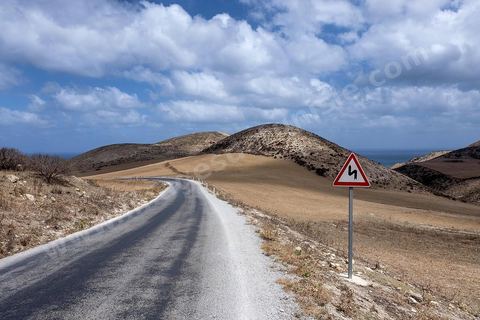
The Ras Angela nature reserve, located about 15 kilometers northwest of Bizerte, is the northernmost cape of the African continent. It is easily accessible via a paved road. The site is typical of Tunisia’s northwestern coast: rugged, with rocky coves and wide beaches of fine sand. Two landmarks set this site apart, but the most interesting feature is undoubtedly the landscape—rocky coastline to the left and a beach to the right—all dominated by the lighthouse. Its easy access makes it a fairly popular tourist destination, especially for its beach.
B30-002 · 2016
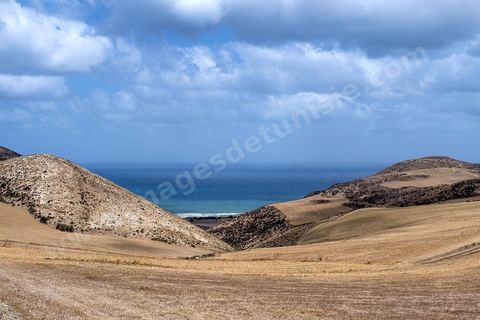
The Ras Angela nature reserve, located about 15 kilometers northwest of Bizerte, is the northernmost cape of the African continent. It is easily accessible via a paved road. The site is typical of Tunisia’s northwestern coast: rugged, with rocky coves and wide beaches of fine sand. Two landmarks set this site apart, but the most interesting feature is undoubtedly the landscape—rocky coastline to the left and a beach to the right—all dominated by the lighthouse. Its easy access makes it a fairly popular tourist destination, especially for its beach.
B30-001 · 2016