Carthage
1–50 of 229 · page 1/5
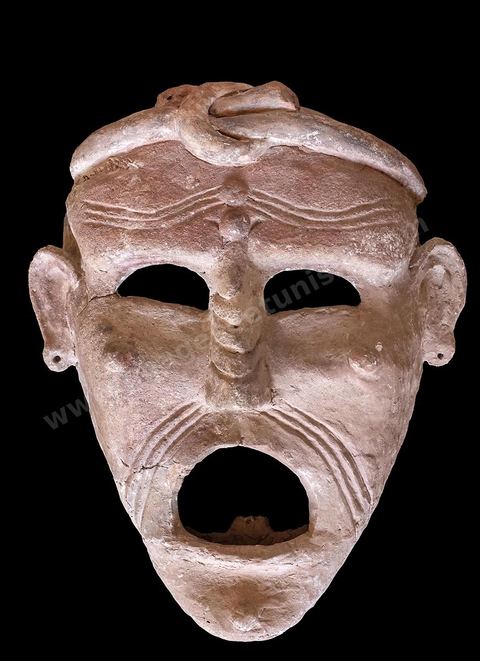
Punic terracotta mask. National Museum of Carthage
XT501168 · 2024
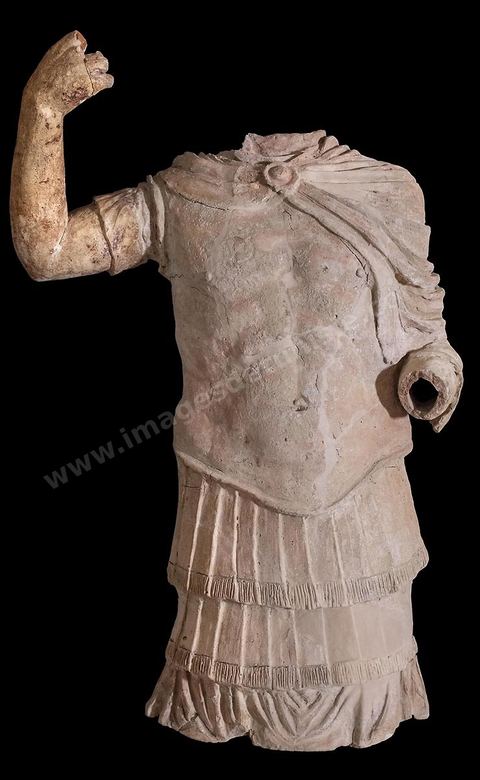
Soldat punique en terre cuite. Musée National de Carthage
XT501141 · 2024
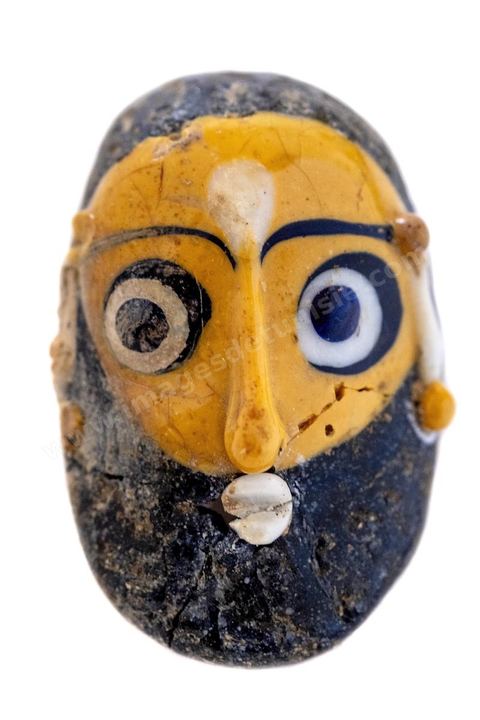
Men's amulet made of siliceous material. National Museum of Carthage
XT501037 · 2024
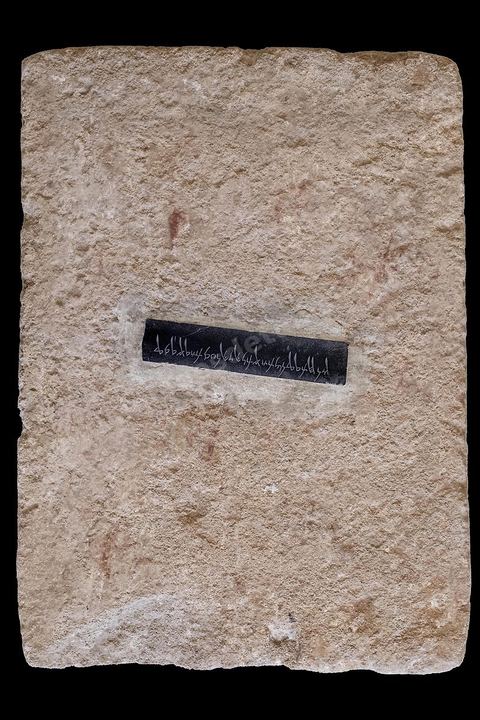
Epitaph on the sarcophagus: Aristabal, priestess of Melqart. Limestone and a tablet of boirr marble. National Museum of Carthage
XT500960 · 2024
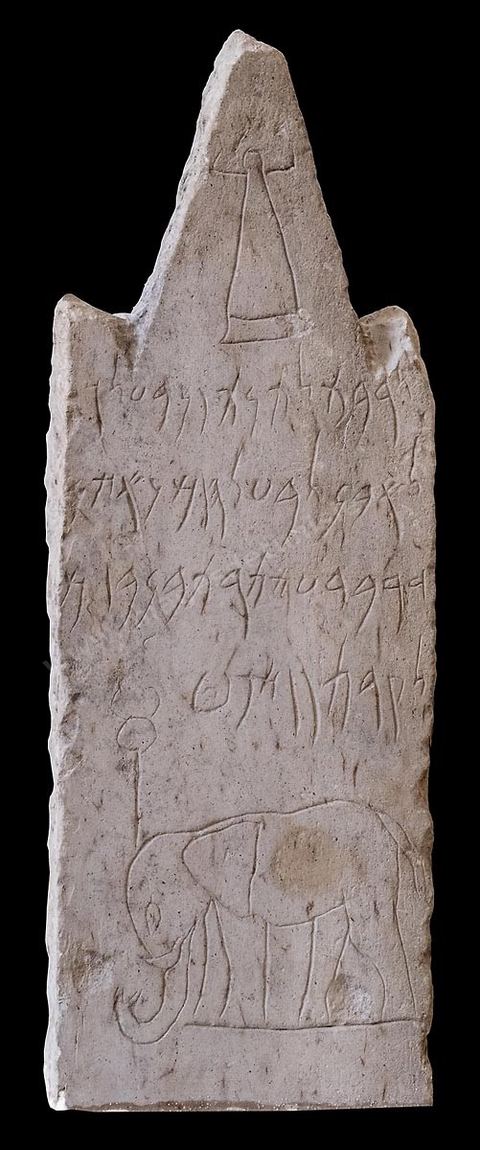
Stèle votive à l'éléphant. Calcaire compacté. Musée National de Carthage
XT500940 · 2024
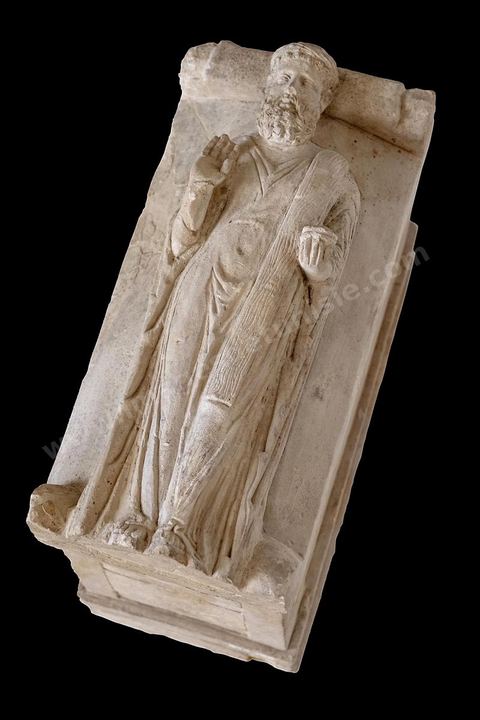
Small anthropomorphic ossuary with a figure in prayer: Borj Jedid necropolis. Soft clay. National Museum of Carthage
XT500828 · 2024
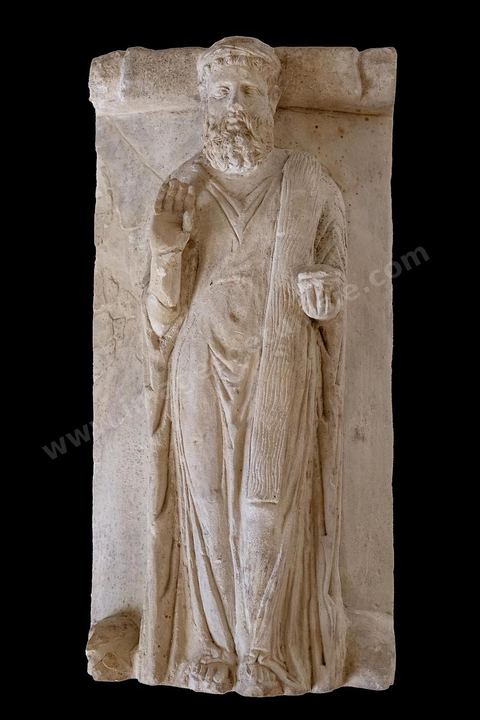
Small anthropomorphic ossuary with a figure in prayer: Borj Jedid necropolis. Soft clay. National Museum of Carthage
XT500809 · 2024
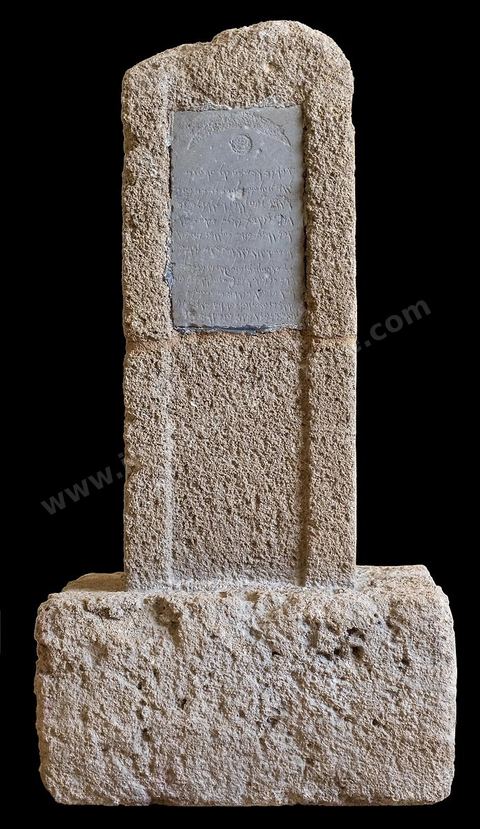
Votive stele dedicated to Baal Shamim and Tanit. Compact sandstone and metamorphosed limestone. National Museum of Carthage
XT500777 · 2024
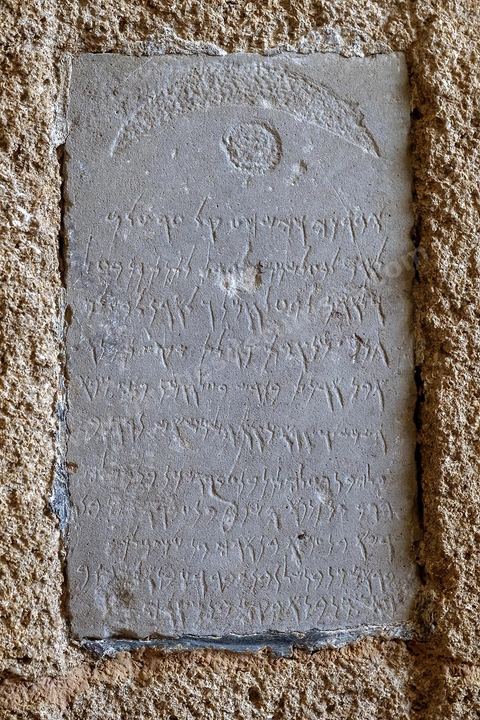
Votive stele dedicated to Baal Shamim and Tanit. Compact sandstone and metamorphosed limestone. National Museum of Carthage
XT500763 · 2024
_DSF3824
_DSF3824 · 2021
_DSF3819
_DSF3819 · 2021
_DSF3814
_DSF3814 · 2021
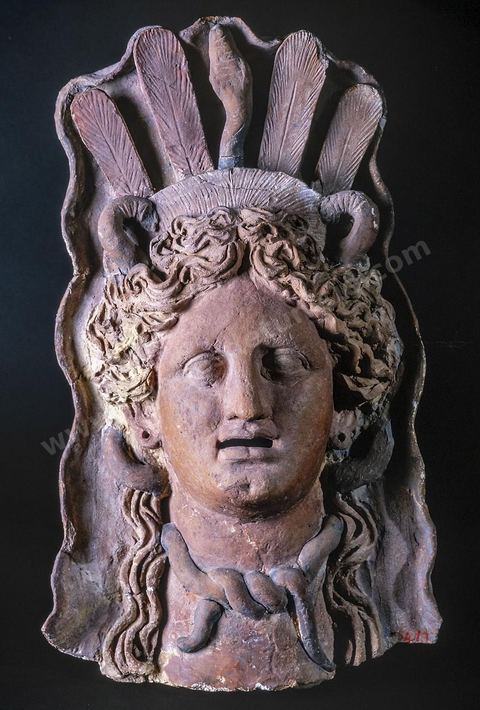
_DSF3809
_DSF3809 · 2021
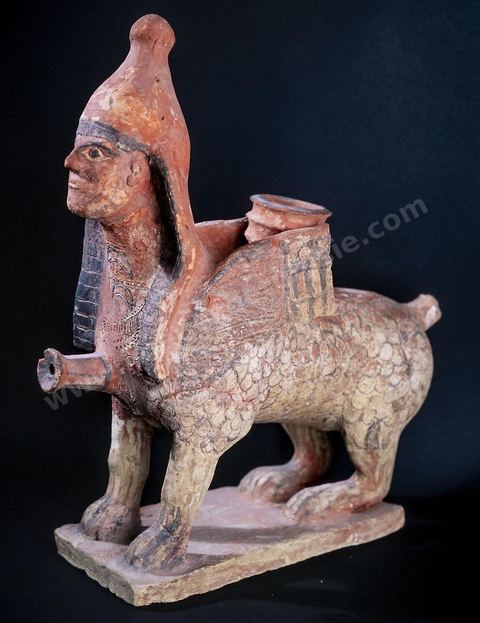
_DSF3804
_DSF3804 · 2021
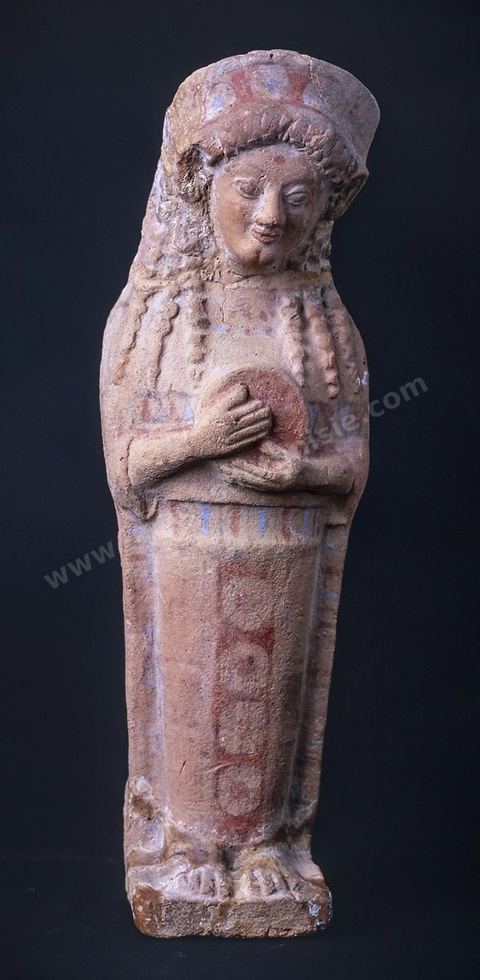
_DSF3794
_DSF3794 · 2021
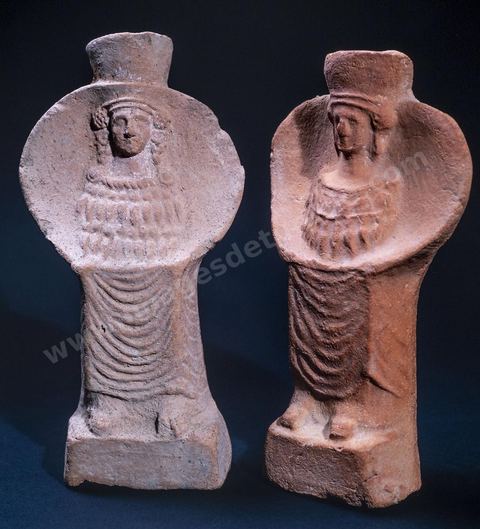
_DSF3789
_DSF3789 · 2021
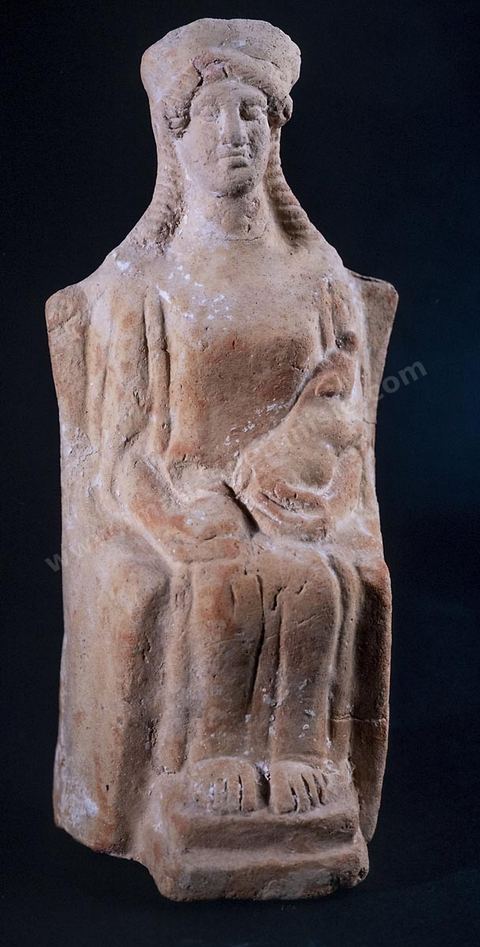
_DSF3784
_DSF3784 · 2021
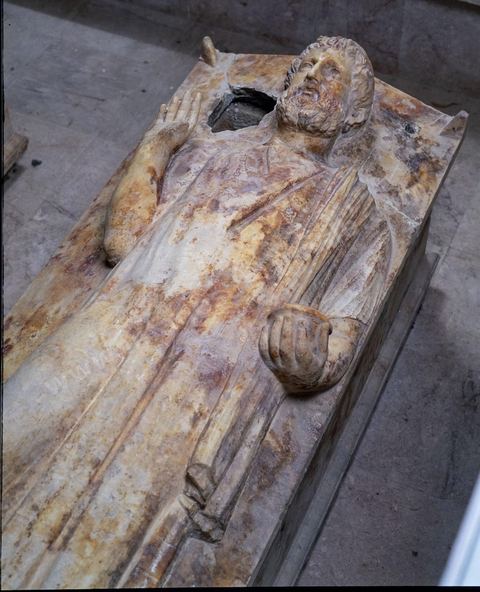
_DSF3779
_DSF3779 · 2021
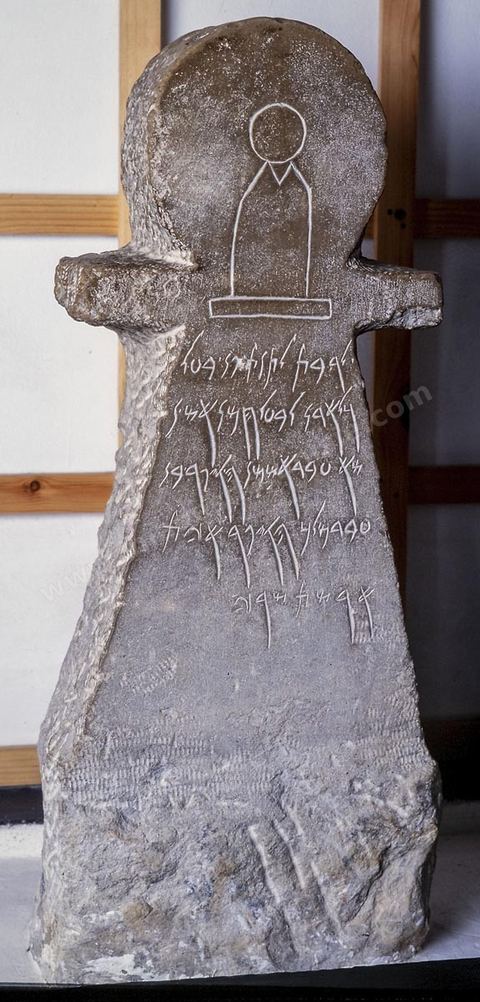
_DSF3774
_DSF3774 · 2021
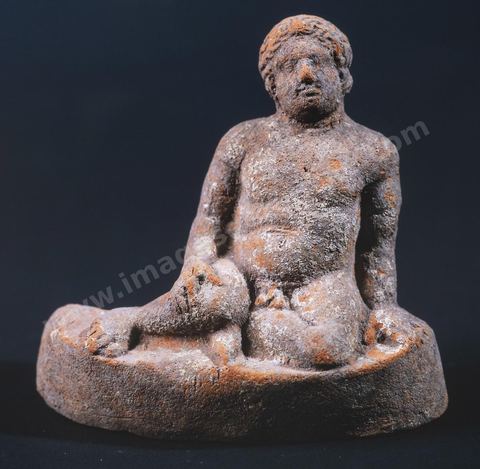
_DSF3769
_DSF3769 · 2021
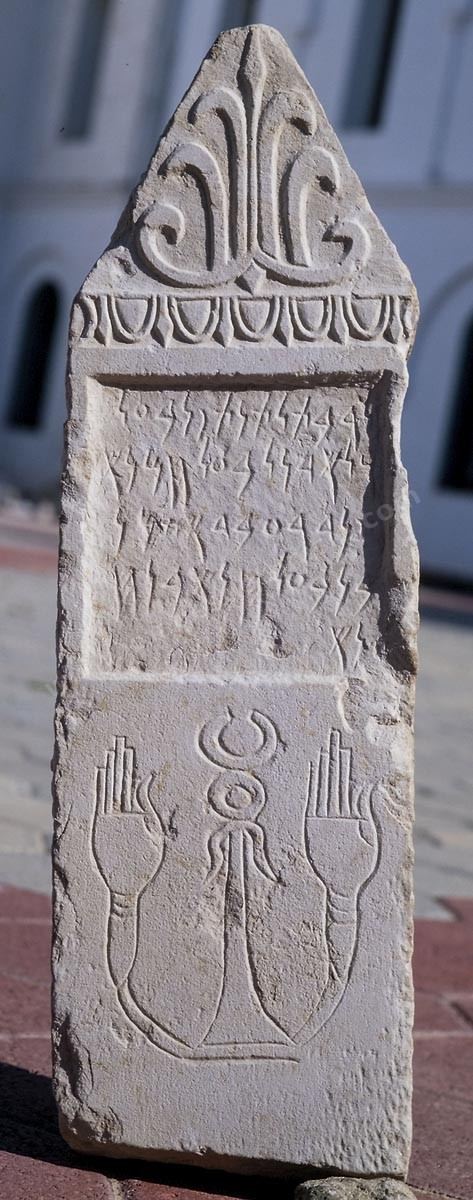
_DSF3764
_DSF3764 · 2021
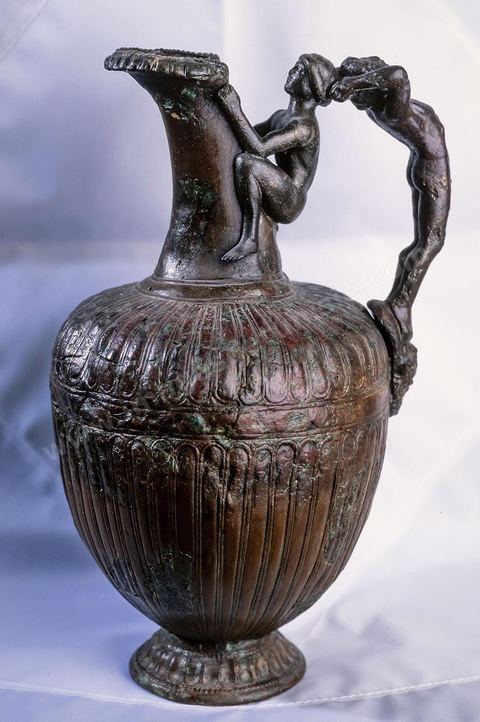
_DSF3754
_DSF3754 · 2021
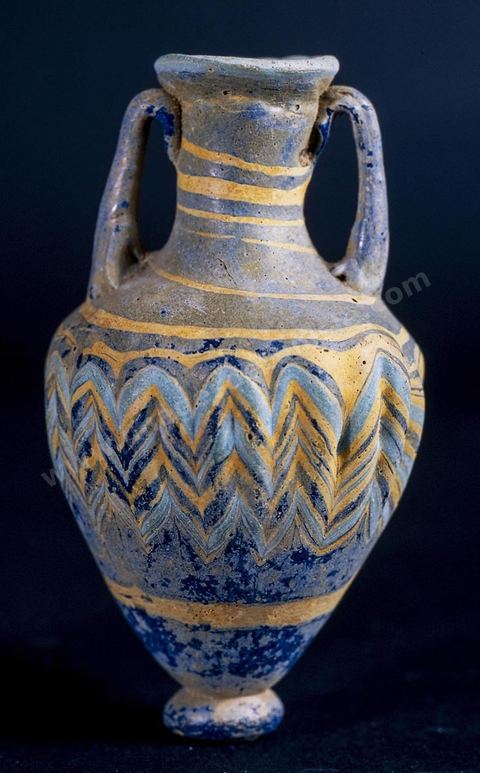
_DSF3749
_DSF3749 · 2021
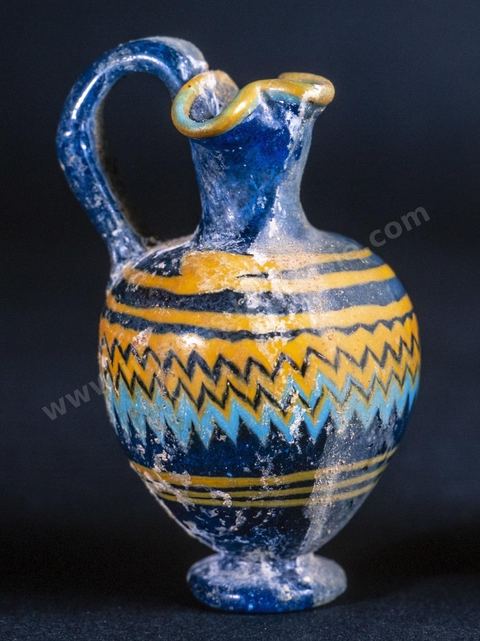
_DSF3744
_DSF3744 · 2021
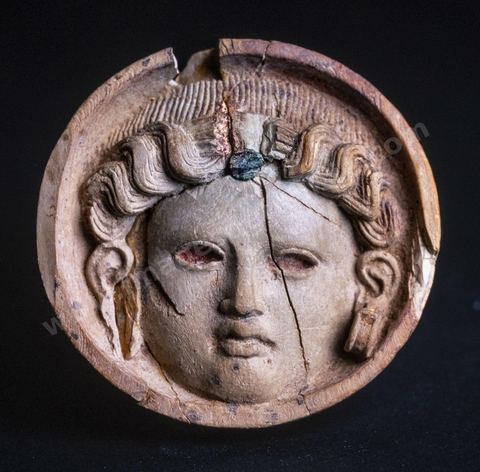
_DSF3739
_DSF3739 · 2021
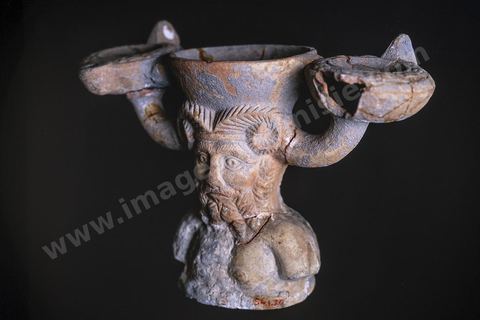
_DSF3734
_DSF3734 · 2021
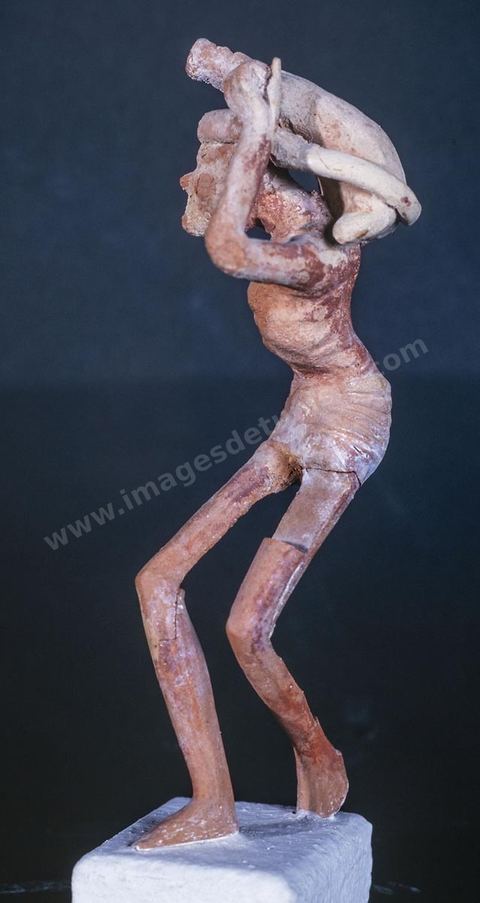
_DSF3729
_DSF3729 · 2021
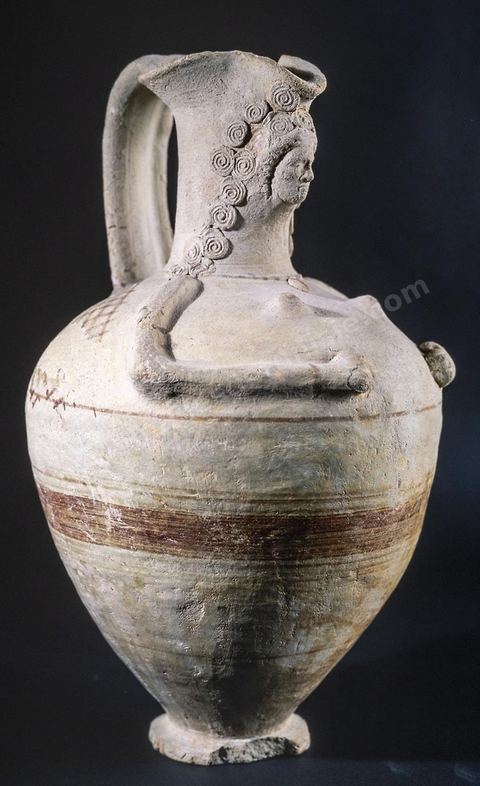
_DSF3724
_DSF3724 · 2021
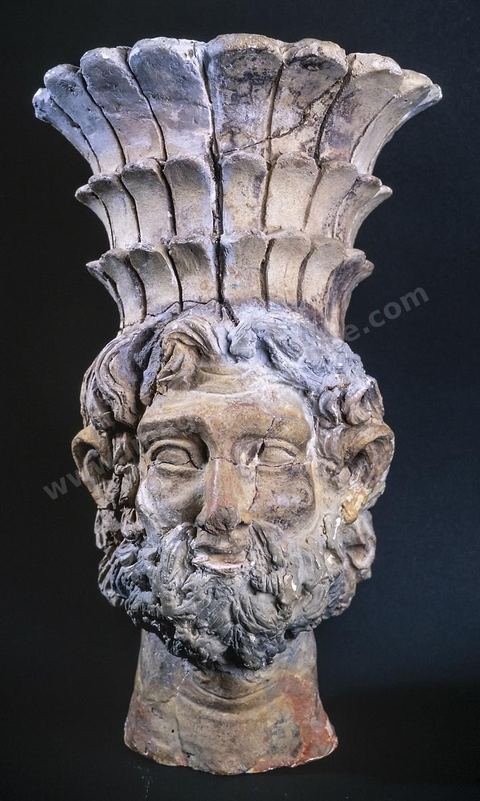
_DSF3719
_DSF3719 · 2021
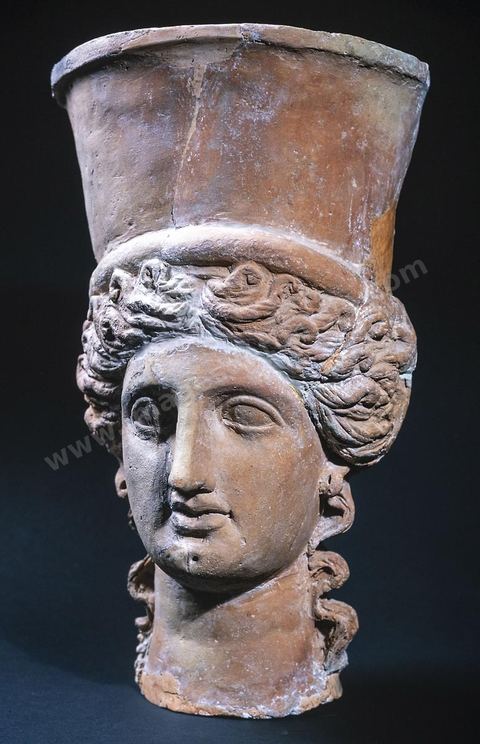
_DSF3714
_DSF3714 · 2021
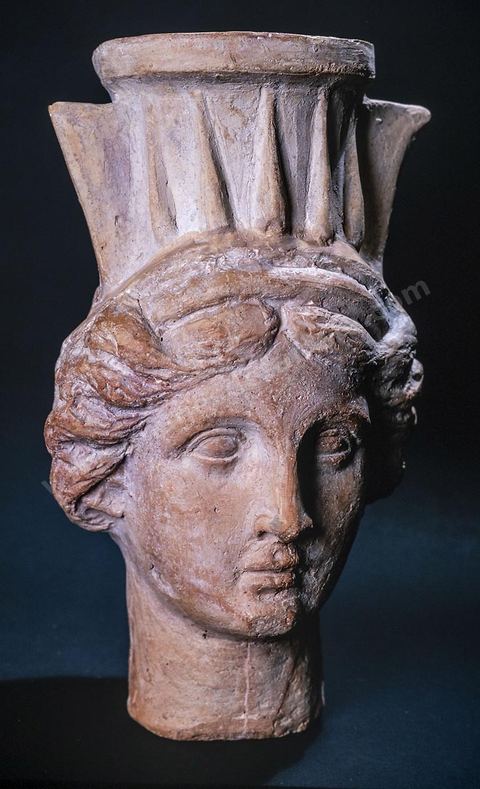
_DSF3709
_DSF3709 · 2021
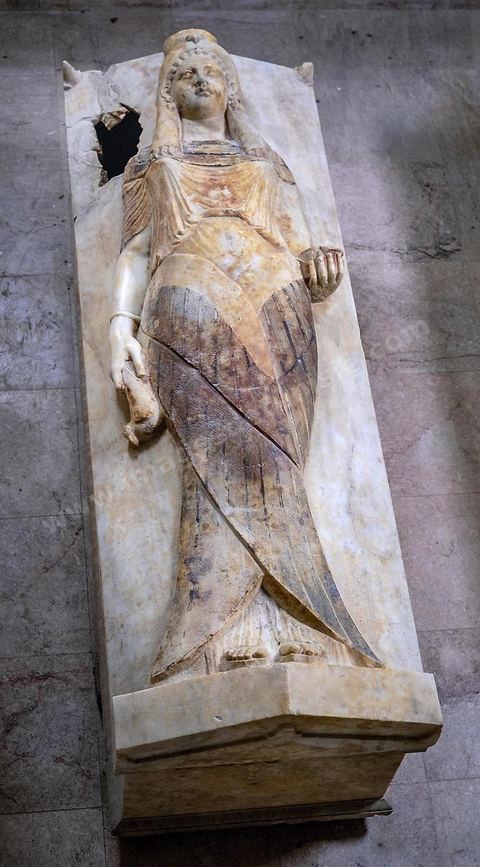
A sarcophagus known as the “Priestess’s Sarcophagus,” made of white marble and decorated with a female figure in high relief. She wears a long pleated robe cinched at the bottom by two large crossed wings. A veil topped with a falcon’s head covers her head in the style of the Klaft. In her right hand she holds a dove, and in her left, an incense burner (H. 93 cm, L. 193 cm, W. 67 cm; Necropolis of Saint Monica, Carthage; 3rd century BCE; Carthage Museum).
A02-088_02 · 2021
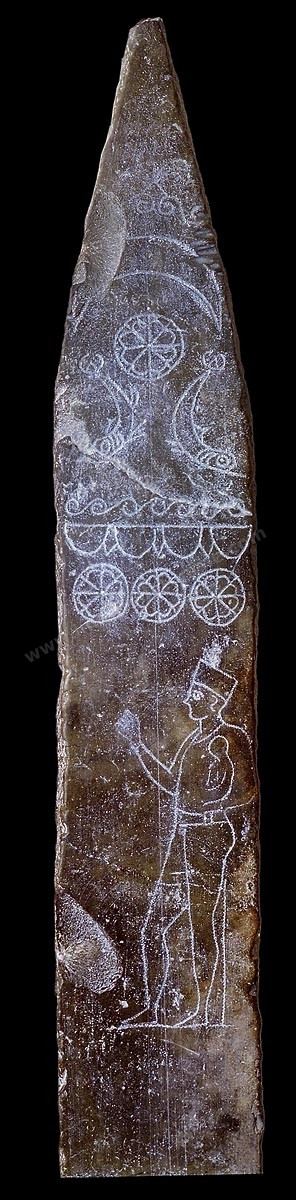
_DSF3691
_DSF3691 · 2021
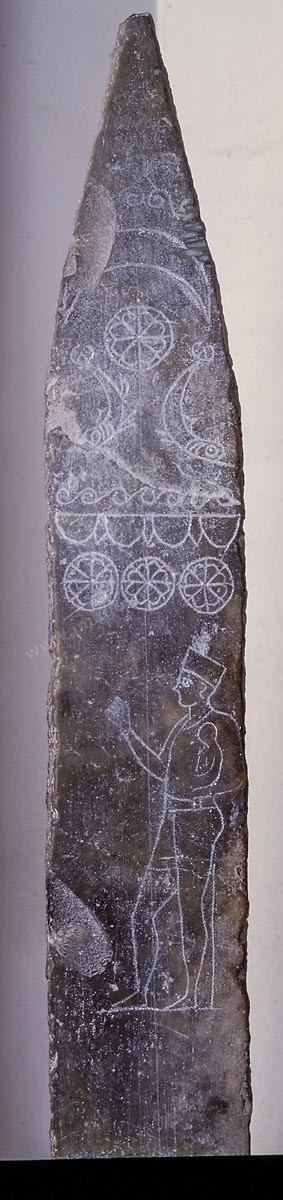
_DSF3692
_DSF3692 · 2021
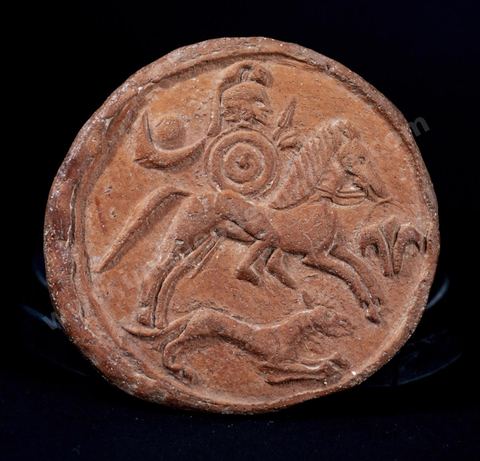
_DSF3678
_DSF3678 · 2021
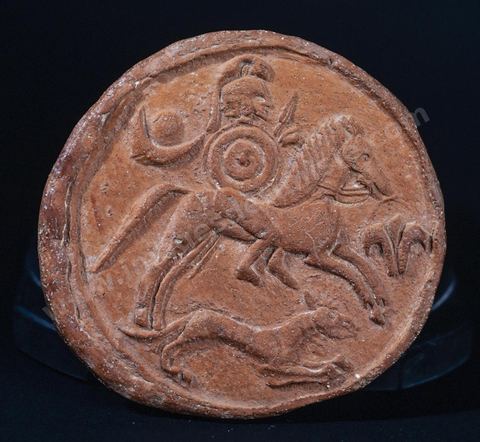
_DSF3679
_DSF3679 · 2021
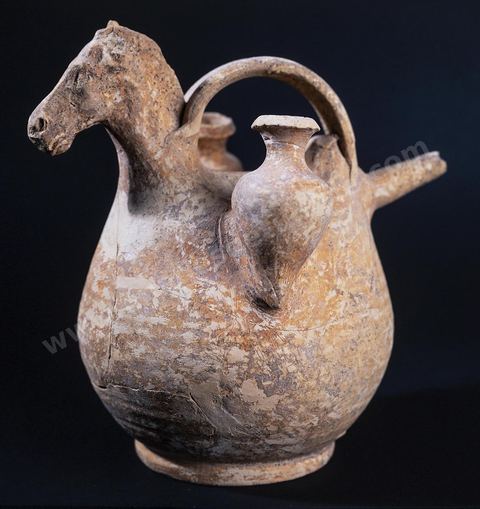
_DSF3663
_DSF3663 · 2021
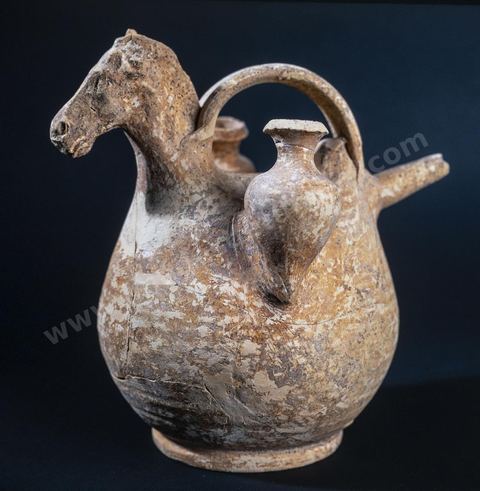
_DSF3664
_DSF3664 · 2021
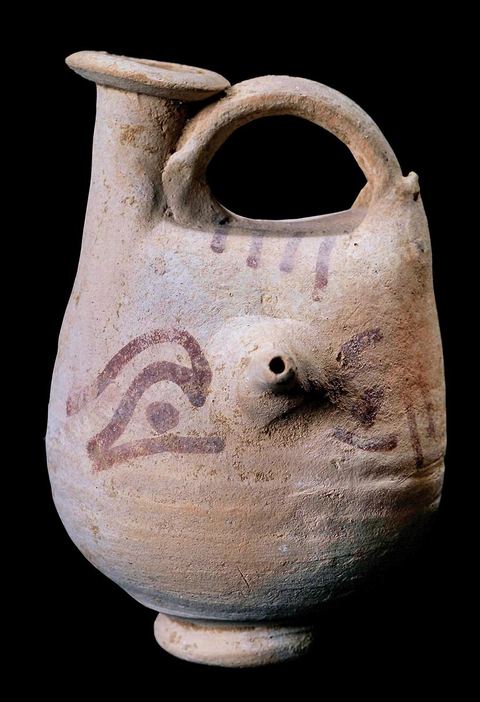
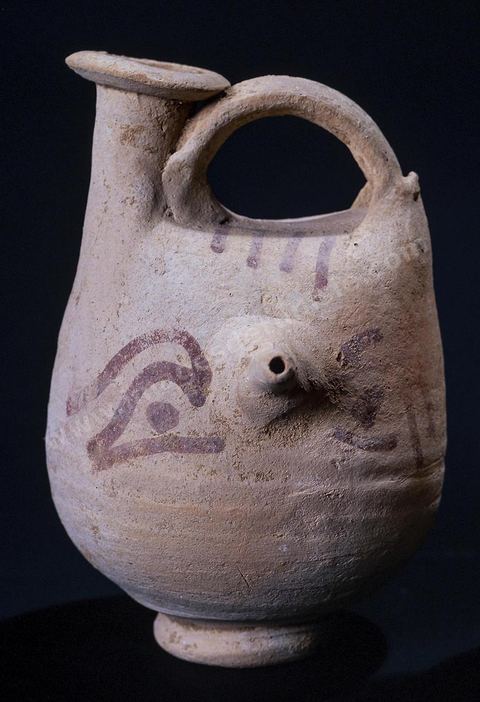
Punic terracotta bottle-shaped vase decorated with a painted human mask in which the nose serves as a nipple: the shape and decoration serve as a charm to ward off evil and are believed to protect the child from harm (H.‑11‑cm, Punic necropolis of Carthage, 3rd century B.C., Bardo Museum). Punic section—Bardo Museum
A14-45_01 · 2021
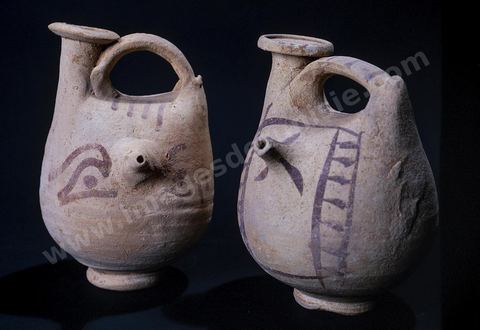
_DSF3654
_DSF3654 · 2021
_DSF3654_01
_DSF3654_01 · 2021
XT202778
XT202778 · 2017
XT202775
XT202775 · 2017
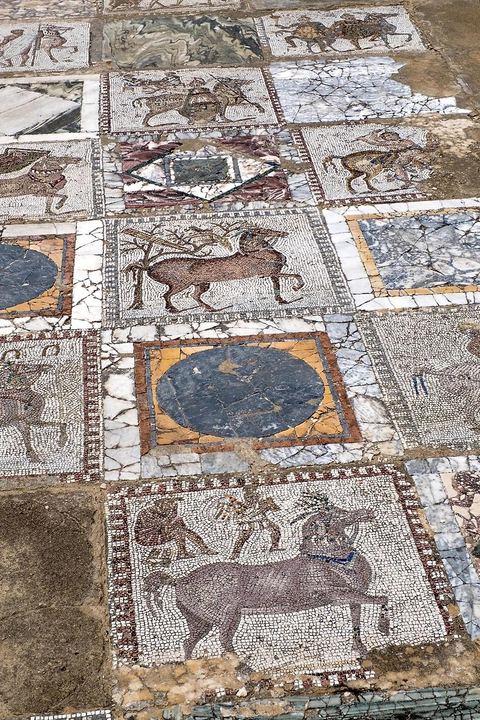
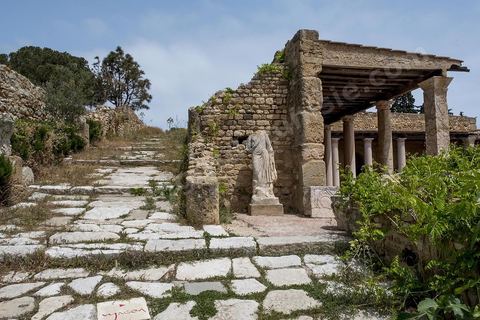
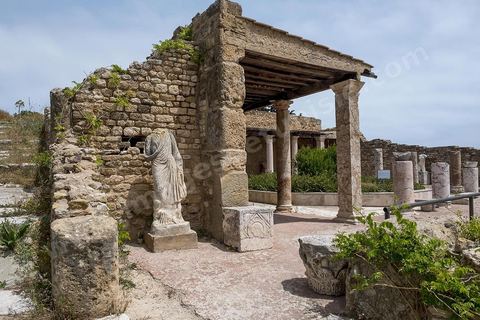
Villa Volière in the Carthage Archaeological Park
XT202761 · 2017
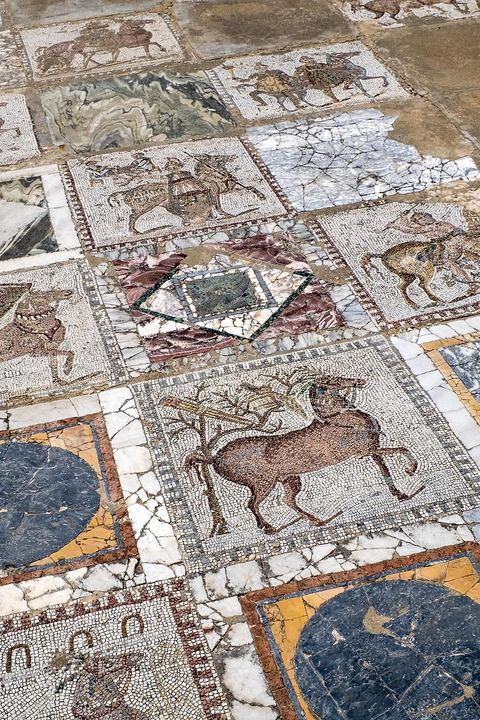
Villa Volière in the Carthage Archaeological Park
XT202756 · 2017
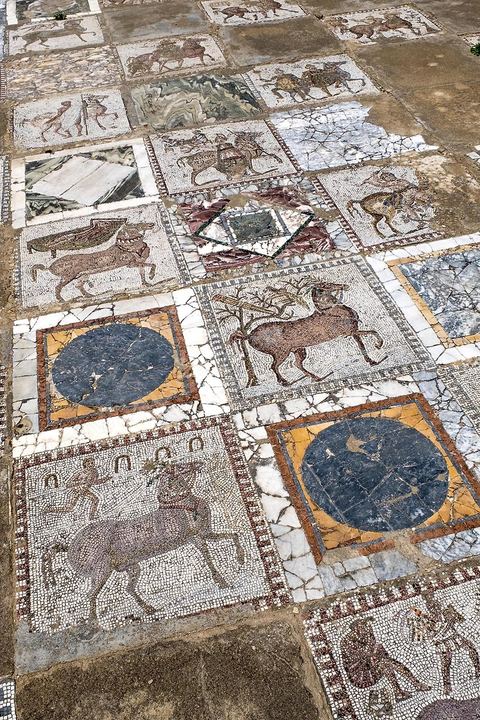
Villa Volière in the Carthage Archaeological Park
XT202753 · 2017
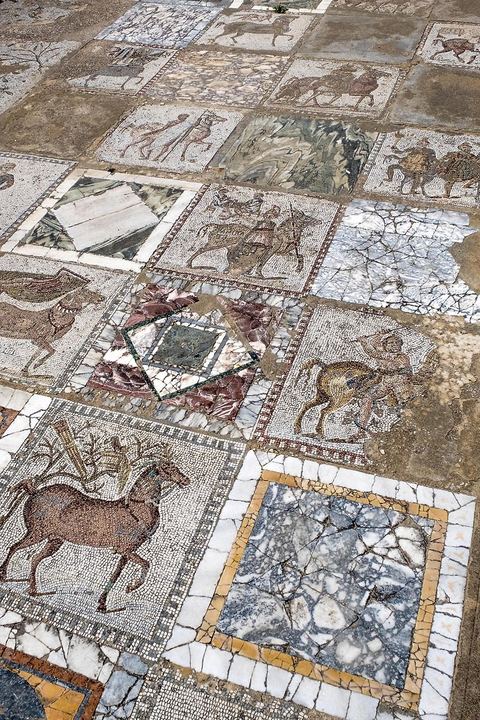
Villa Volière in the Carthage Archaeological Park
XT202749 · 2017
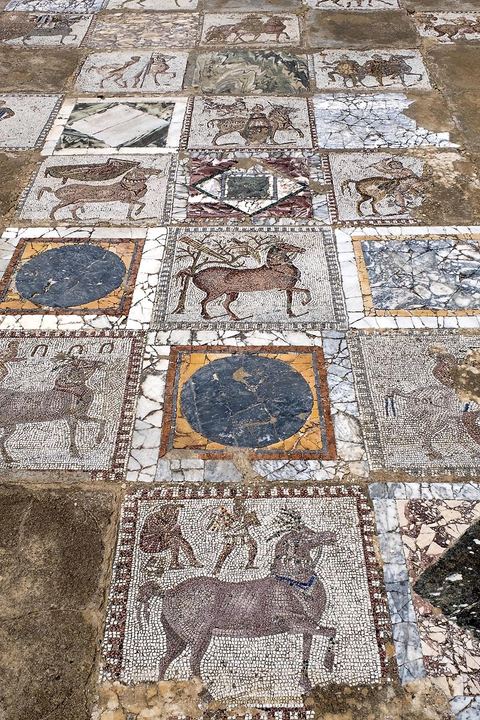
Villa Volière in the Carthage Archaeological Park
XT202736 · 2017
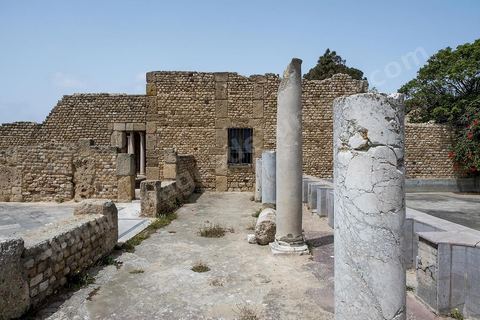
XT202725
XT202725 · 2017
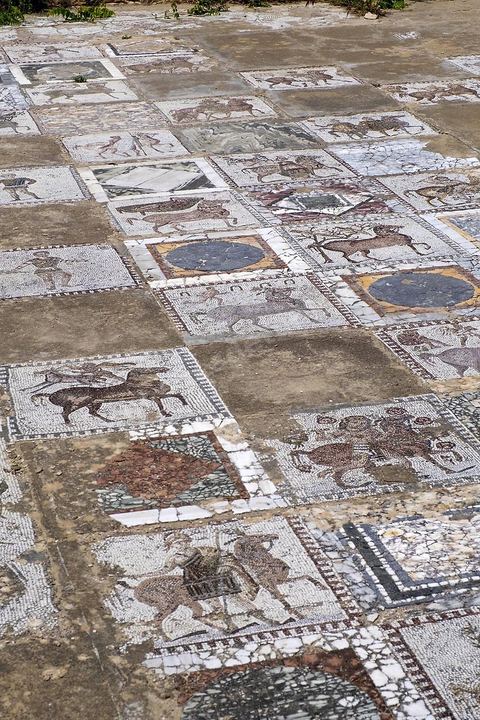
Villa Volière in the Carthage Archaeological Park
XT202719 · 2017