El Djem
1–100 of 190 · page 2/4
DSCF4097
DSCF4097 · 2018
DSCF4099
DSCF4099 · 2018
DSCF4101
DSCF4101 · 2018
DSCF4104
DSCF4104 · 2018
DSCF4108
DSCF4108 · 2018
DSCF4110
DSCF4110 · 2018
DSCF4113
DSCF4113 · 2018
DSCF4125
DSCF4125 · 2018
DSCF4126
DSCF4126 · 2018
DSCF4132
DSCF4132 · 2018
DSCF4149
DSCF4149 · 2018
DSCF4152
DSCF4152 · 2018
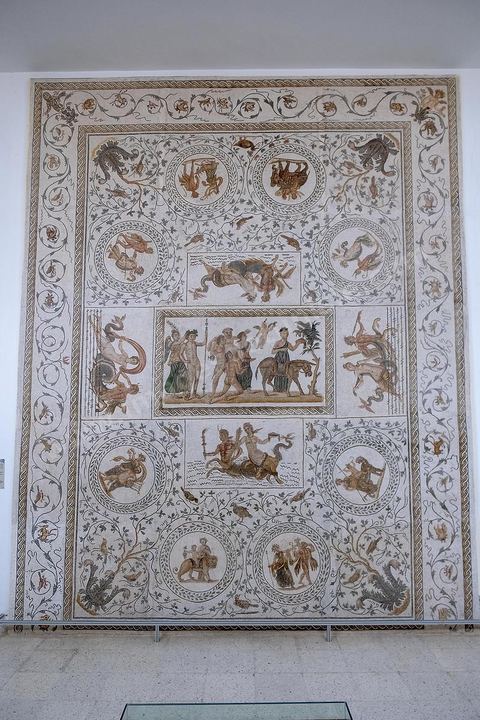
DSCF4154
DSCF4154 · 2018
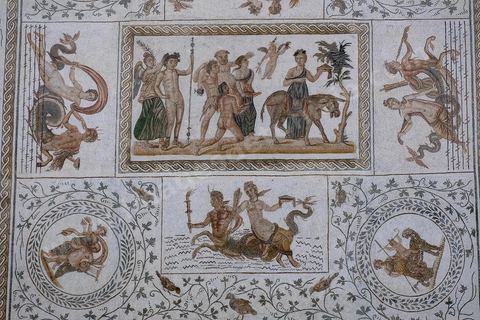
DSCF4158
DSCF4158 · 2018
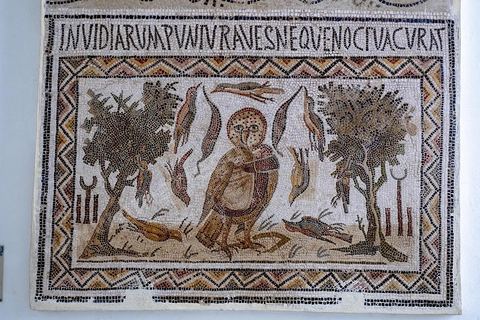
DSCF4160
DSCF4160 · 2018
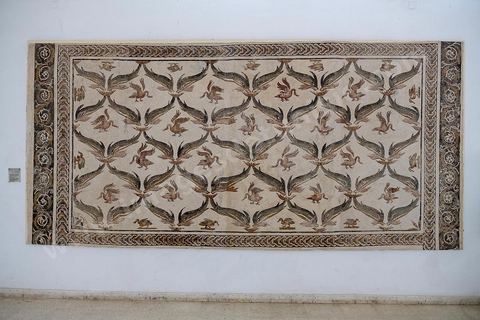
DSCF4162
DSCF4162 · 2018
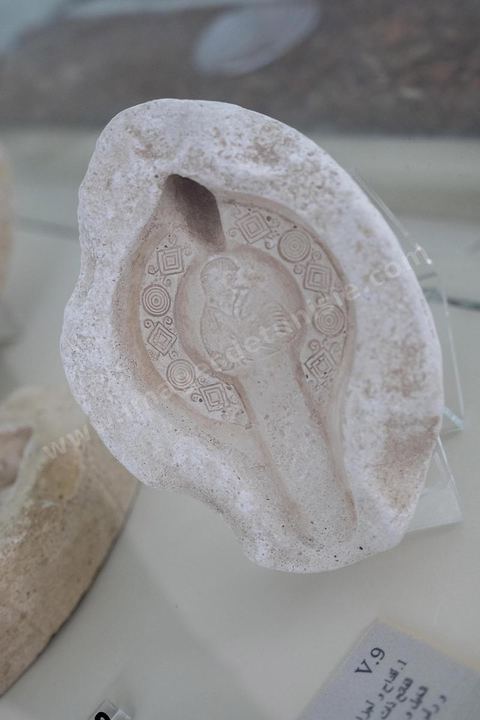
DSCF4164
DSCF4164 · 2018
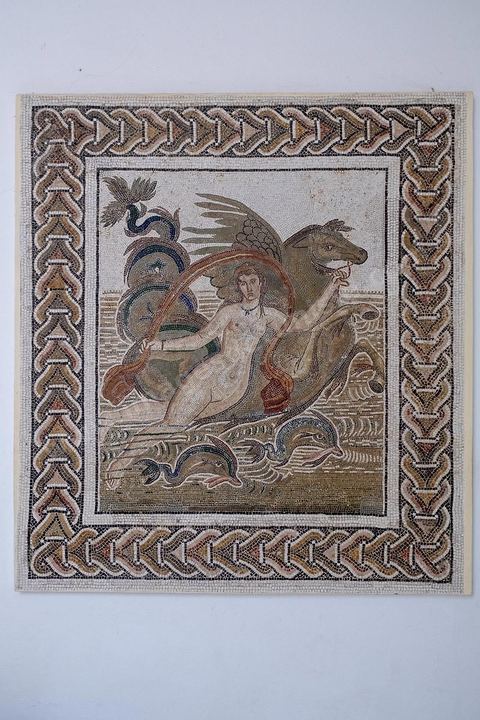
DSCF4166
DSCF4166 · 2018
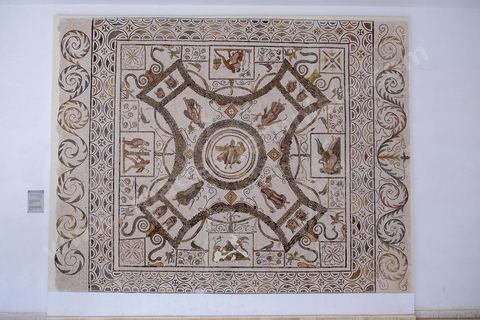
DSCF4172
DSCF4172 · 2018
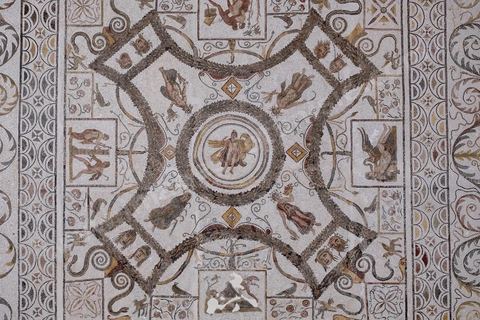
DSCF4178
DSCF4178 · 2018
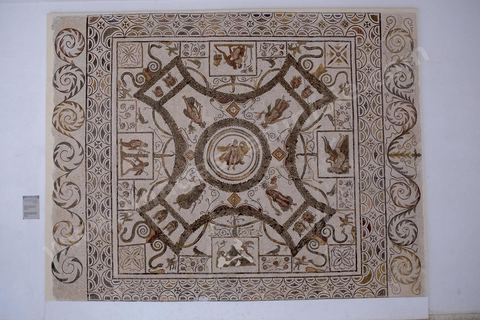
DSCF4179
DSCF4179 · 2018
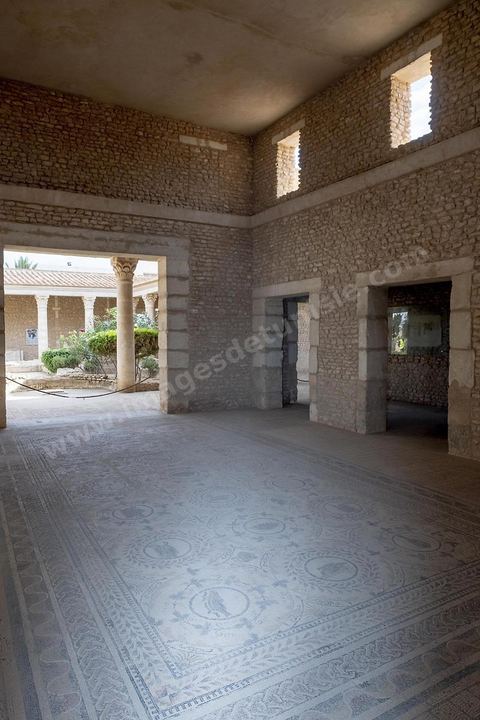
DSCF4224
DSCF4224 · 2018
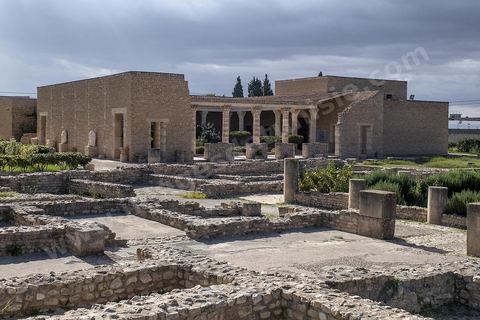
DSCF4239
DSCF4239 · 2018
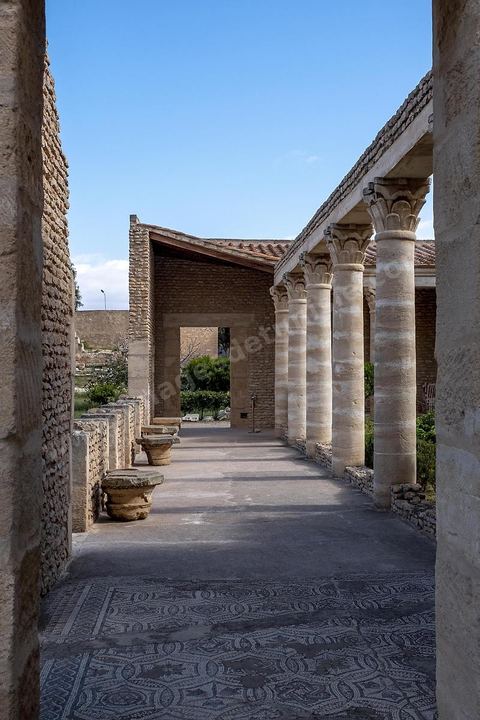
DSCF4253
DSCF4253 · 2018
DSCF4264
DSCF4264 · 2018
DSCF4288
DSCF4288 · 2018
DSCF4305
DSCF4305 · 2018
DSCF4309
DSCF4309 · 2018
DSCF4317
DSCF4317 · 2018
DSCF4324
DSCF4324 · 2018
DSCF4326
DSCF4326 · 2018
DSCF4328
DSCF4328 · 2018
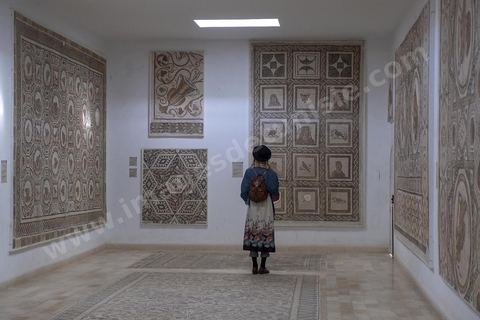
DSCF4334
DSCF4334 · 2018
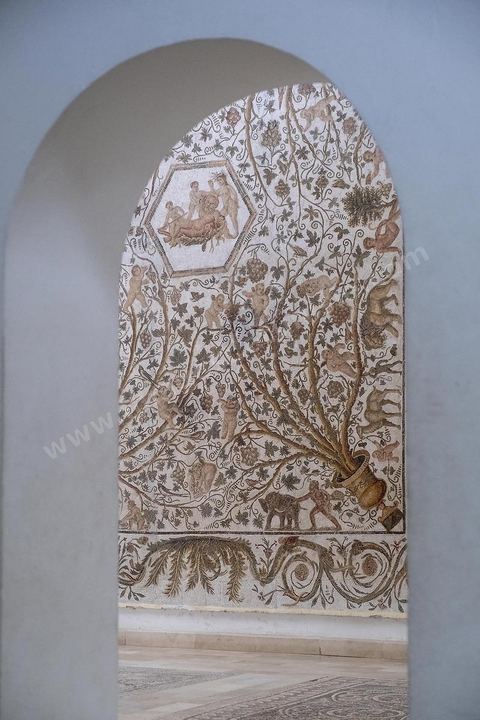
DSCF4342
DSCF4342 · 2018
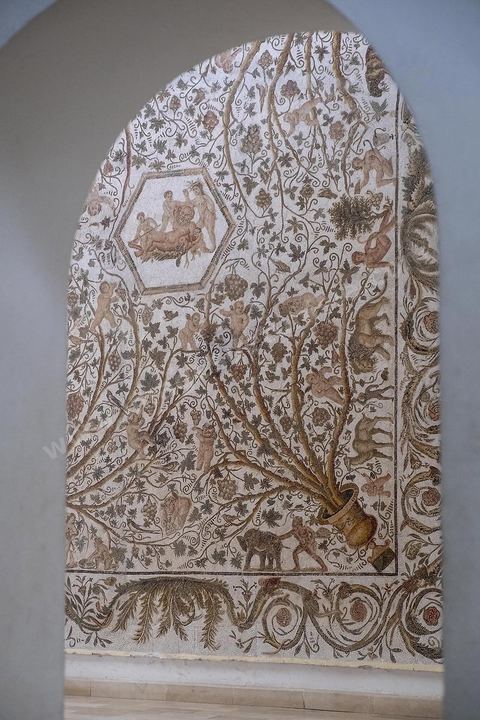
DSCF4346
DSCF4346 · 2018
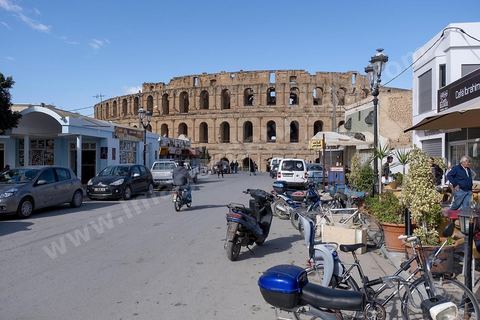
DSCF4364
DSCF4364 · 2018
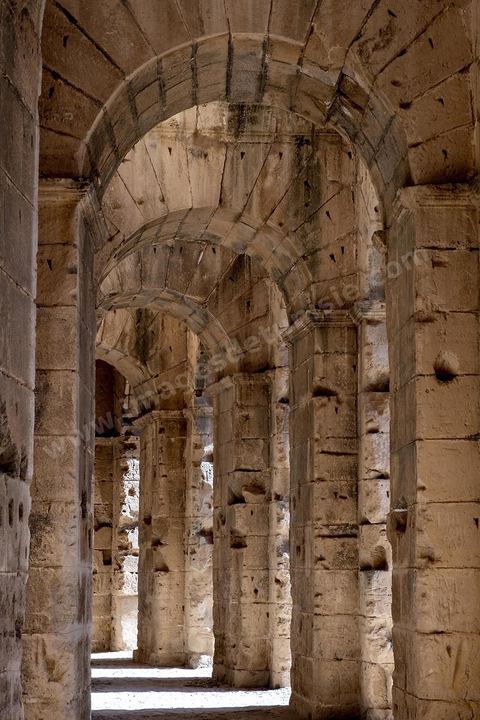
The Roman Amphitheater of El Djem. It is by far the most imposing Roman monument in North Africa; its round, massive silhouette rises from a flat, desert plain, making it visible from a great distance. Almost elliptical in shape, the monument measures 149 m long by 124 m wide and 36 m high. The seating tiers, which have since disappeared and have been partially reconstructed, could accommodate up to 30,000 spectators.
DSCF4436 · 2018
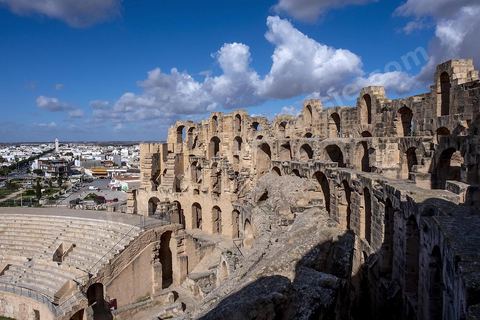
The Roman Amphitheater of El Djem. It is by far the most imposing Roman monument in North Africa; its round, massive silhouette rises from a flat, desert plain, making it visible from a great distance. Almost elliptical in shape, the monument measures 149 m long by 124 m wide and 36 m high. The seating tiers, which have since disappeared and have been partially reconstructed, could accommodate up to 30,000 spectators.
DSCF4449 · 2018
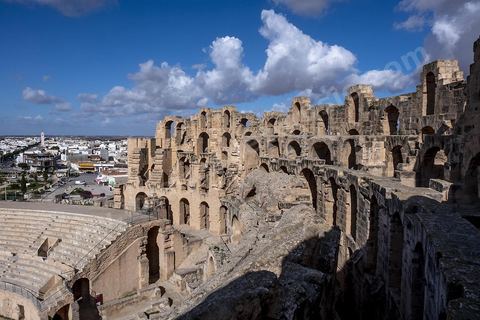
The Roman Amphitheater of El Djem. It is by far the most imposing Roman monument in North Africa; its round, massive silhouette rises from a flat, desert plain, making it visible from a great distance. Almost elliptical in shape, the monument measures 149 m long by 124 m wide and 36 m high. The seating tiers, which have since disappeared and have been partially reconstructed, could accommodate up to 30,000 spectators.
DSCF4452 · 2018
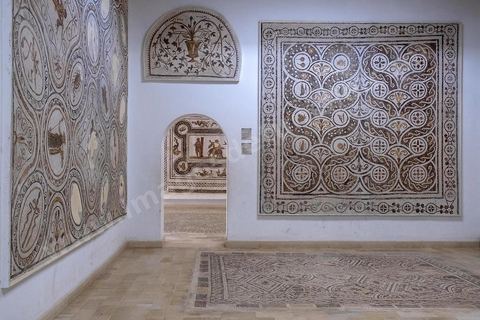
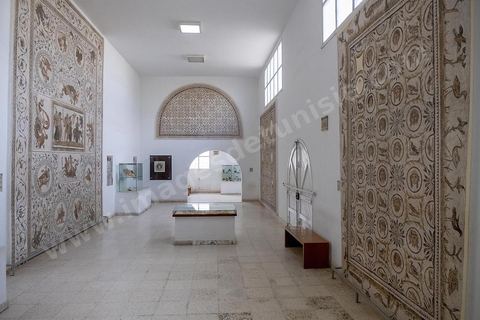
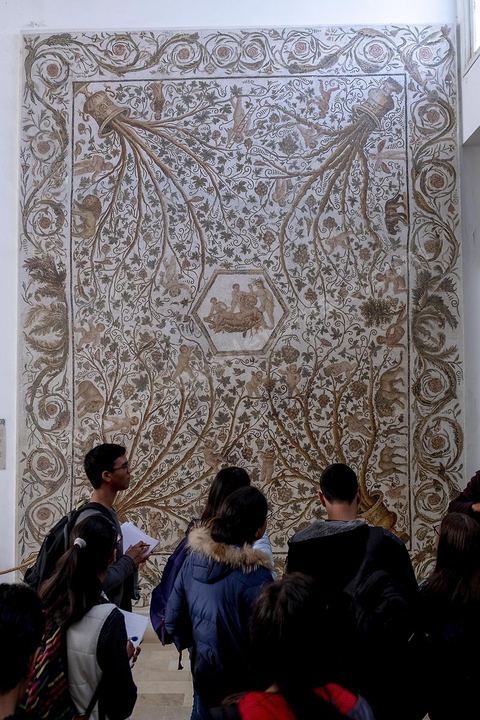
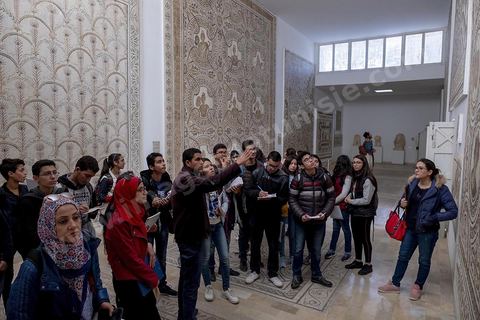
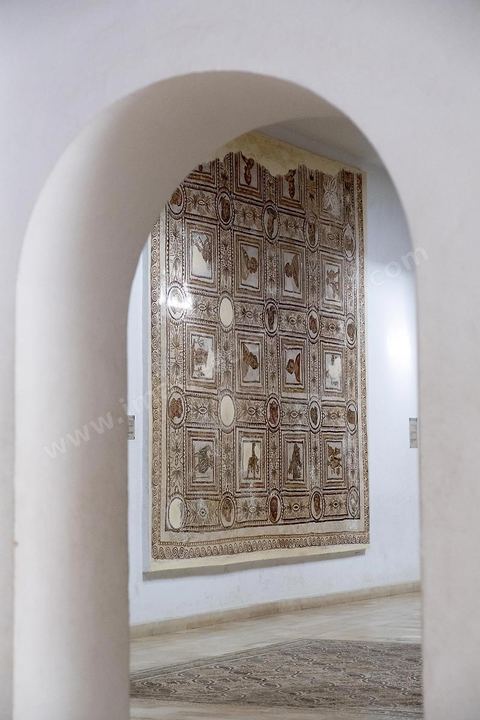
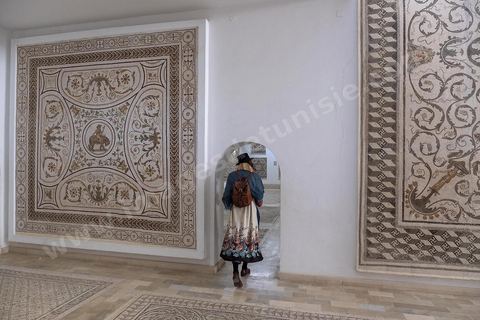
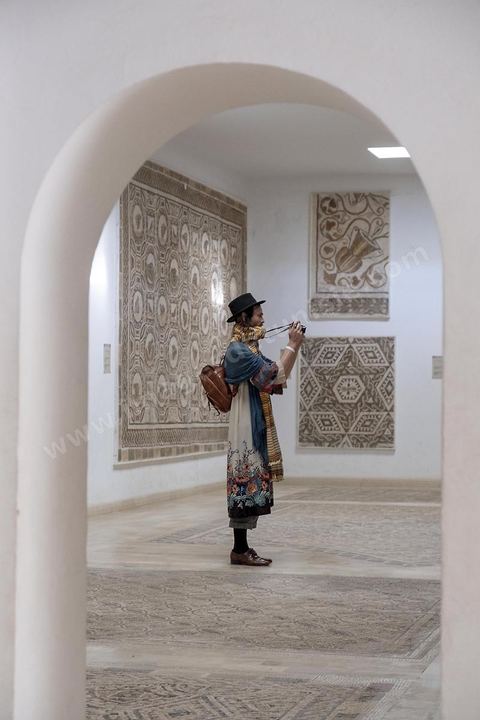
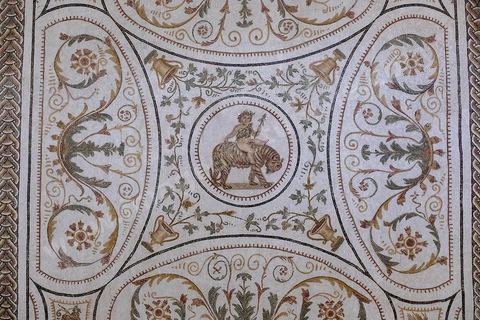
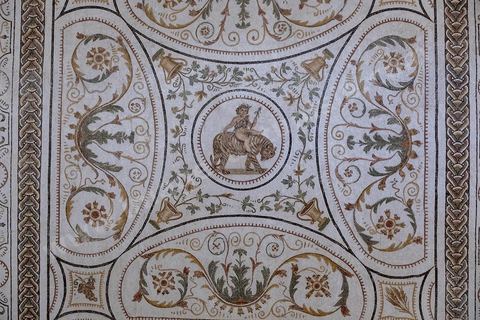
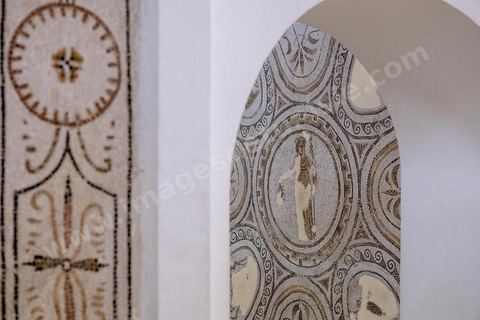
The Archaeological Museum of El Djem, the ancient city of Thysdrus, was built on the site of a Roman villa, whose spatial layout it recreates: a central courtyard surrounded by a peristyle—an open-air portico—that provides access to the rooms. On display there are artifacts—sculptures, mosaics, ceramics, and more—from excavations conducted in Thysdrus as well as in the surrounding area.
El_Djem_01 · 2018
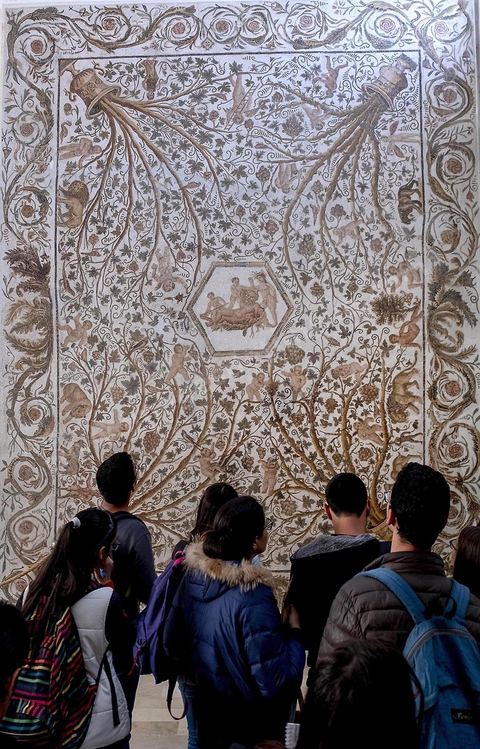
The Archaeological Museum of El Djem, the ancient city of Thysdrus, was built on the site of a Roman villa, whose spatial layout it recreates: a central courtyard surrounded by a peristyle—an open-air portico—that provides access to the rooms. On display there are artifacts—sculptures, mosaics, ceramics, and more—from excavations conducted in Thysdrus as well as in the surrounding area.
El_Djem_02 · 2018
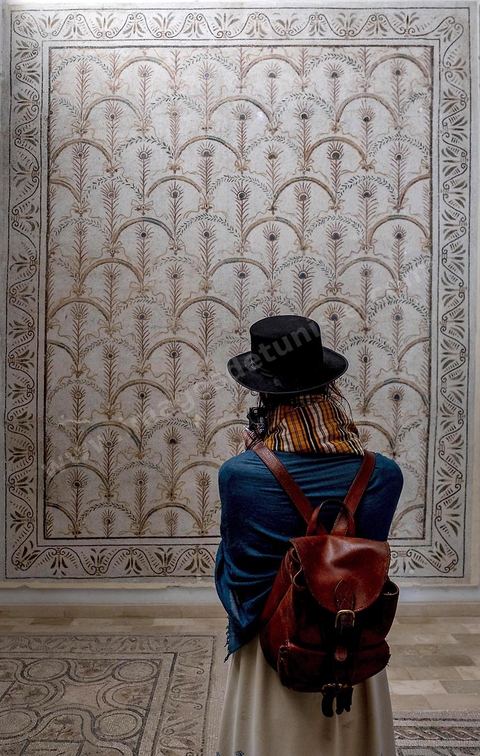
The Archaeological Museum of El Djem, the ancient city of Thysdrus, was built on the site of a Roman villa, whose spatial layout it recreates: a central courtyard surrounded by a peristyle—an open-air portico—that provides access to the rooms. On display there are artifacts—sculptures, mosaics, ceramics, and more—from excavations conducted in Thysdrus as well as in the surrounding area.
El_Djem_03 · 2018
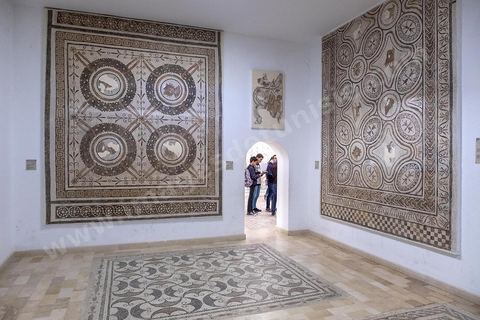
The Archaeological Museum of El Djem, the ancient city of Thysdrus, was built on the site of a Roman villa, whose spatial layout it recreates: a central courtyard surrounded by a peristyle—an open-air portico—that provides access to the rooms. On display there are artifacts—sculptures, mosaics, ceramics, and more—from excavations conducted in Thysdrus as well as in the surrounding area.
El_Djem_04 · 2018
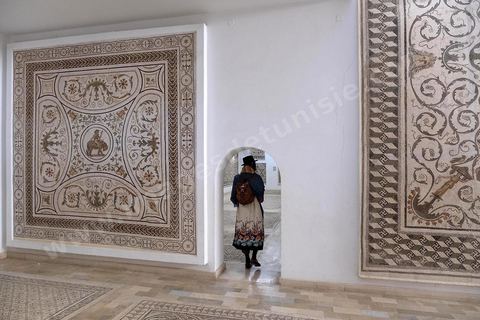
The Archaeological Museum of El Djem, the ancient city of Thysdrus, was built on the site of a Roman villa, whose spatial layout it recreates: a central courtyard surrounded by a peristyle—an open-air portico—that provides access to the rooms. On display there are artifacts—sculptures, mosaics, ceramics, and more—from excavations conducted in Thysdrus as well as in the surrounding area.
El_Djem_05 · 2018
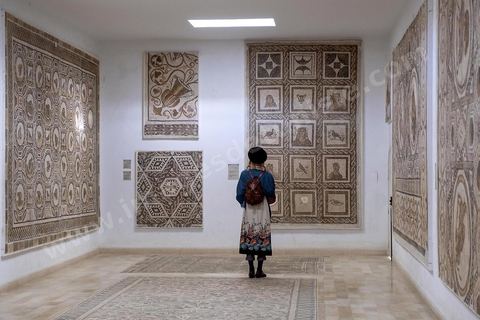
The Archaeological Museum of El Djem, the ancient city of Thysdrus, was built on the site of a Roman villa, whose spatial layout it recreates: a central courtyard surrounded by a peristyle—an open-air portico—that provides access to the rooms. On display there are artifacts—sculptures, mosaics, ceramics, and more—from excavations conducted in Thysdrus as well as in the surrounding area.
El_Djem_06 · 2018
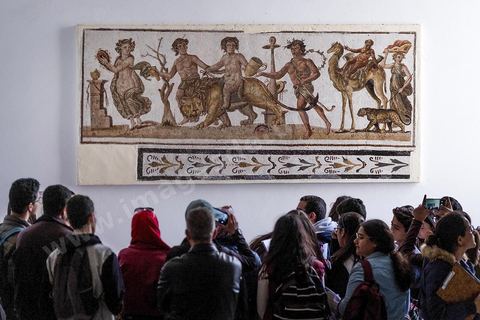
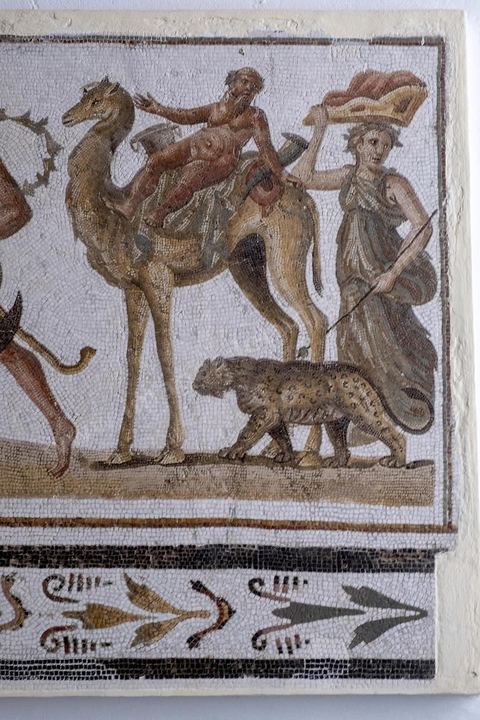
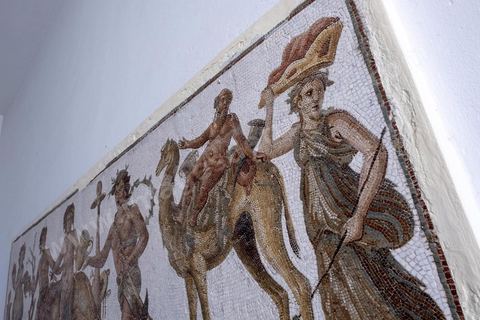
Mosaïque de la Procession Dionysiaque, milieu du IIème siècle après JC. Le musée archéologique de El Djem, cité antique de Thysdrus, a été aménagé à l’emplacement d’une villa romaine dont il restitue l’organisation spatiale : une cour centrale entourée d’un péristyle – préau – qui donne accès aux chambres. Là, sont exposés des objets – sculptures, tableaux en mosaïque, céramique, etc. – provenant de campagnes de fouilles menées à Thysdrus aussi bien que dans les environs de la cité.
El_Djem_07 · 2018
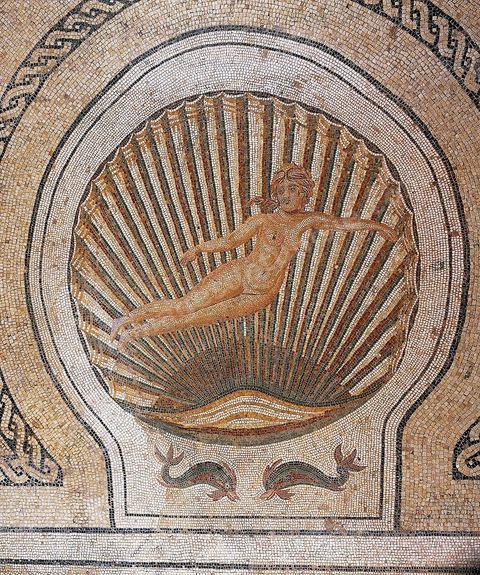
Mosaic of Venus emerging from a seashell, mid-2nd century AD. The Archaeological Museum of El Djem, the ancient city of Thysdrus, was established on the site of a Roman villa, whose spatial layout it recreates: a central courtyard surrounded by a peristyle—a colonnaded courtyard—that provides access to the rooms. On display there are artifacts—sculptures, mosaic panels, ceramics, and more—from excavations conducted in Thysdrus as well as in the surrounding area.
El_Djem_08
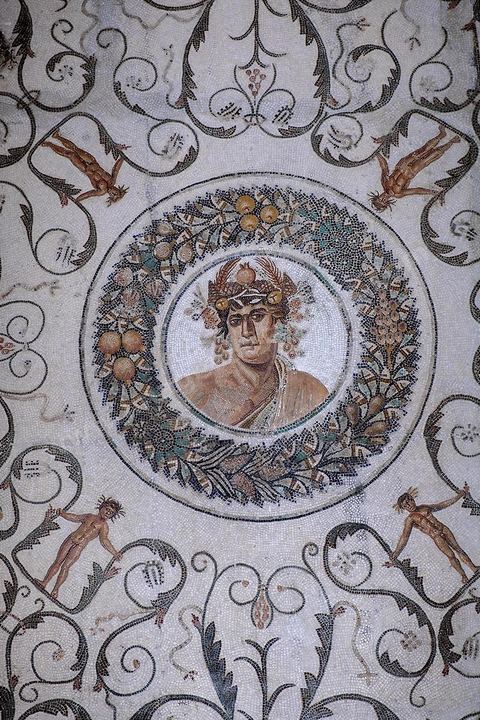
Detail of the “Genius of the Year” mosaic, mid-2nd century AD. The Archaeological Museum of El Djem, in the ancient city of Thysdrus, was established on the site of a Roman villa, whose spatial layout it recreates: a central courtyard surrounded by a peristyle—an open-air hall—that provides access to the rooms. On display there are artifacts—sculptures, mosaic panels, ceramics, and more—from excavations conducted in Thysdrus as well as in the surrounding area.
El_Djem_09 · 2018
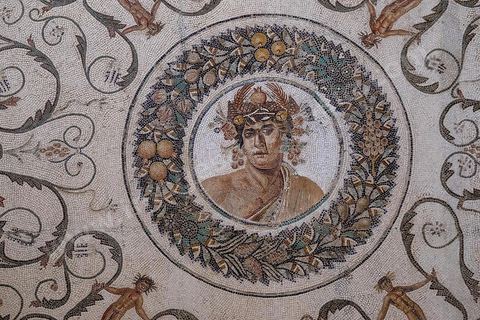
Detail of the “Genius of the Year” mosaic, mid-2nd century AD. The Archaeological Museum of El Djem, in the ancient city of Thysdrus, was established on the site of a Roman villa, whose spatial layout it recreates: a central courtyard surrounded by a peristyle—an open-air hall—that provides access to the rooms. On display there are artifacts—sculptures, mosaic panels, ceramics, and more—from excavations conducted in Thysdrus as well as in the surrounding area.
El_Djem_10 · 2018
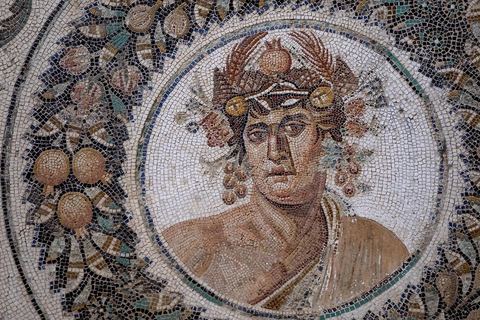
Detail of the “Genius of the Year” mosaic, mid-2nd century AD. The Archaeological Museum of El Djem, in the ancient city of Thysdrus, was established on the site of a Roman villa, whose spatial layout it recreates: a central courtyard surrounded by a peristyle—an open-air hall—that provides access to the rooms. On display there are artifacts—sculptures, mosaic panels, ceramics, and more—from excavations conducted in Thysdrus as well as in the surrounding area.
El_Djem_11 · 2018