Fleurs et vergers
1–50 of 52 · page 1/2
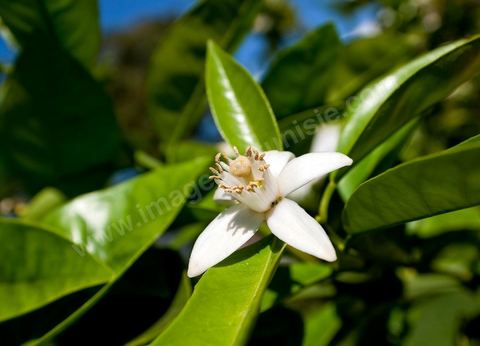
Bitter orange blossoms in the Nabeul region. The bitter orange (Citrus aurantium) is a tree in the Rutaceae family (citrus). The fruit, leaves, twigs, and flowers have numerous uses in food and perfumery. These bitter orange blossoms are white or pink, larger than those of the sweet orange tree, and very fragrant. Highly fragrant, the bitter orange blossom is used to produce orange blossom absolute, orange blossom water, and neroli oil, which are used in perfumery and to flavor foods. These extracts contain high concentrations of methyl anthranilate, which is responsible for the characteristic scent of bitter orange blossoms.
I51-200 · 2010
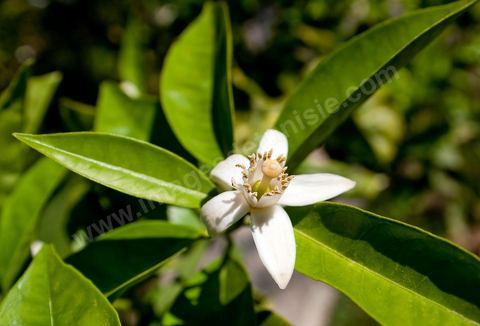
Bitter orange blossoms in the Nabeul region. The bitter orange (Citrus aurantium) is a tree in the Rutaceae family (citrus). The fruit, leaves, twigs, and flowers have numerous uses in food and perfumery. These bitter orange blossoms are white or pink, larger than those of the sweet orange tree, and very fragrant. Highly fragrant, the bitter orange blossom is used to produce orange blossom absolute, orange blossom water, and neroli oil, which are used in perfumery and to flavor foods. These extracts contain high concentrations of methyl anthranilate, which is responsible for the characteristic scent of bitter orange blossoms.
I51-201 · 2010
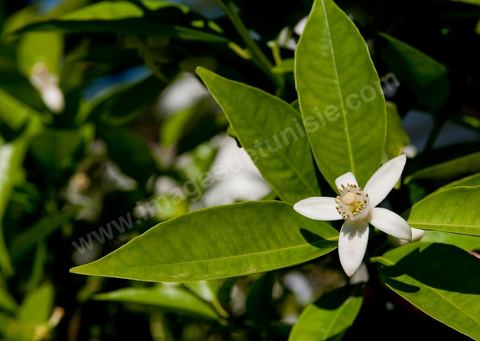
Bitter orange blossoms in the Nabeul region. The bitter orange (Citrus aurantium) is a tree in the Rutaceae family (citrus). The fruit, leaves, twigs, and flowers have numerous uses in food and perfumery. These bitter orange blossoms are white or pink, larger than those of the sweet orange tree, and very fragrant. Highly fragrant, the bitter orange blossom is used to produce orange blossom absolute, orange blossom water, and neroli oil, which are used in perfumery and to flavor foods. These extracts contain high concentrations of methyl anthranilate, which is responsible for the characteristic scent of bitter orange blossoms.
I51-202 · 2010
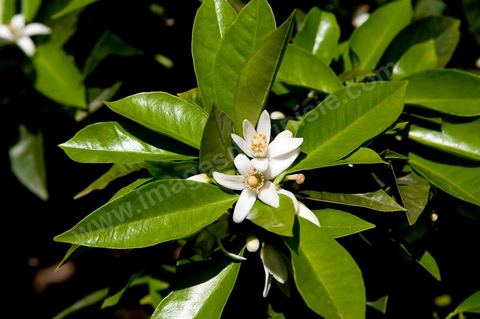
Bitter orange blossoms in the Nabeul region. The bitter orange (Citrus aurantium) is a tree in the Rutaceae family (citrus). The fruit, leaves, twigs, and flowers have numerous uses in food and perfumery. These bitter orange blossoms are white or pink, larger than those of the sweet orange tree, and very fragrant. Highly fragrant, the bitter orange blossom is used to produce orange blossom absolute, orange blossom water, and neroli oil, which are used in perfumery and to flavor foods. These extracts contain high concentrations of methyl anthranilate, which is responsible for the characteristic scent of bitter orange blossoms.
I51-203 · 2010
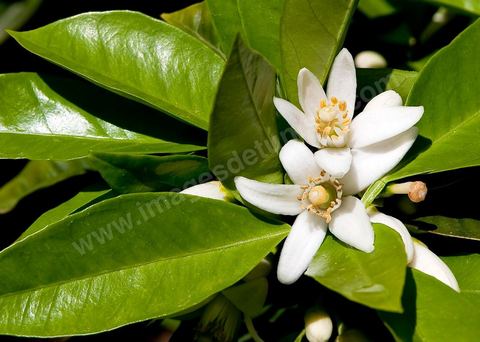
Bitter orange blossoms in the Nabeul region. The bitter orange (Citrus aurantium) is a tree in the Rutaceae family (citrus). The fruit, leaves, twigs, and flowers have numerous uses in food and perfumery. These bitter orange blossoms are white or pink, larger than those of the sweet orange tree, and very fragrant. Highly fragrant, the bitter orange blossom is used to produce orange blossom absolute, orange blossom water, and neroli oil, which are used in perfumery and to flavor foods. These extracts contain high concentrations of methyl anthranilate, which is responsible for the characteristic scent of bitter orange blossoms.
I51-204 · 2010
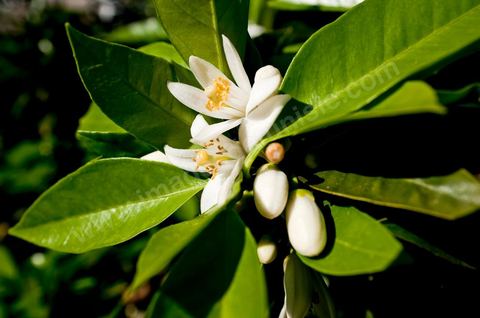
Bitter orange blossoms in the Nabeul region. The bitter orange (Citrus aurantium) is a tree in the Rutaceae family (citrus). The fruit, leaves, twigs, and flowers have numerous uses in food and perfumery. These bitter orange blossoms are white or pink, larger than those of the sweet orange tree, and very fragrant. Highly fragrant, the bitter orange blossom is used to produce orange blossom absolute, orange blossom water, and neroli oil, which are used in perfumery and to flavor foods. These extracts contain high concentrations of methyl anthranilate, which is responsible for the characteristic scent of bitter orange blossoms.
I51-205 · 2010
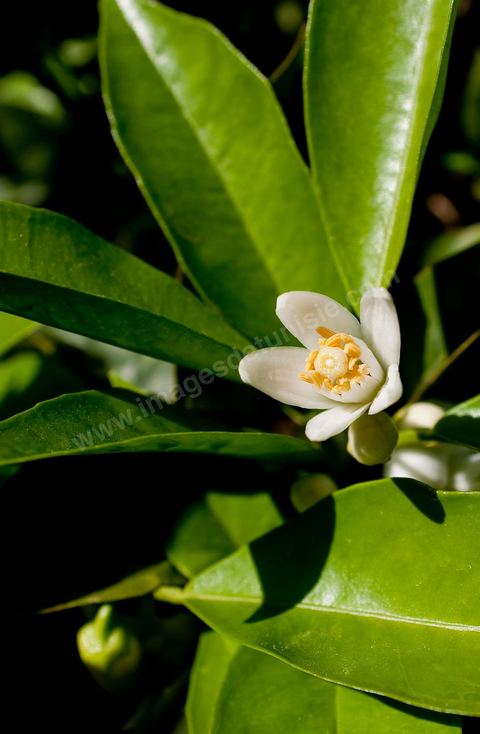
Bitter orange blossoms in the Nabeul region. The bitter orange (Citrus aurantium) is a tree in the Rutaceae family (citrus). The fruit, leaves, twigs, and flowers have numerous uses in food and perfumery. These bitter orange blossoms are white or pink, larger than those of the sweet orange tree, and very fragrant. Highly fragrant, the bitter orange blossom is used to produce orange blossom absolute, orange blossom water, and neroli oil, which are used in perfumery and to flavor foods. These extracts contain high concentrations of methyl anthranilate, which is responsible for the characteristic scent of bitter orange blossoms.
I51-206 · 2010
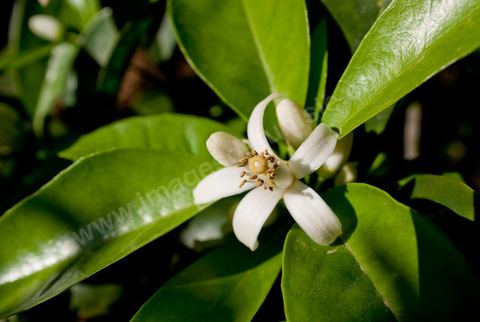
Bitter orange blossoms in the Nabeul region. The bitter orange (Citrus aurantium) is a tree in the Rutaceae family (citrus). The fruit, leaves, twigs, and flowers have numerous uses in food and perfumery. These bitter orange blossoms are white or pink, larger than those of the sweet orange tree, and very fragrant. Highly fragrant, the bitter orange blossom is used to produce orange blossom absolute, orange blossom water, and neroli oil, which are used in perfumery and to flavor foods. These extracts contain high concentrations of methyl anthranilate, which is responsible for the characteristic scent of bitter orange blossoms.
I51-207 · 2010
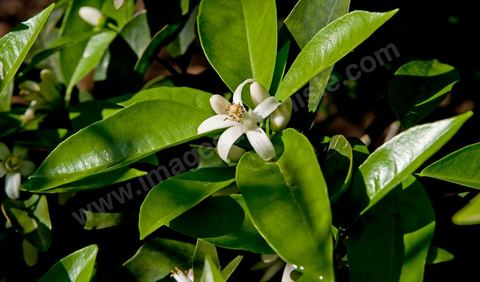
Bitter orange blossoms in the Nabeul region. The bitter orange (Citrus aurantium) is a tree in the Rutaceae family (citrus). The fruit, leaves, twigs, and flowers have numerous uses in food and perfumery. These bitter orange blossoms are white or pink, larger than those of the sweet orange tree, and very fragrant. Highly fragrant, the bitter orange blossom is used to produce orange blossom absolute, orange blossom water, and neroli oil, which are used in perfumery and to flavor foods. These extracts contain high concentrations of methyl anthranilate, which is responsible for the characteristic scent of bitter orange blossoms.
I51-208 · 2010
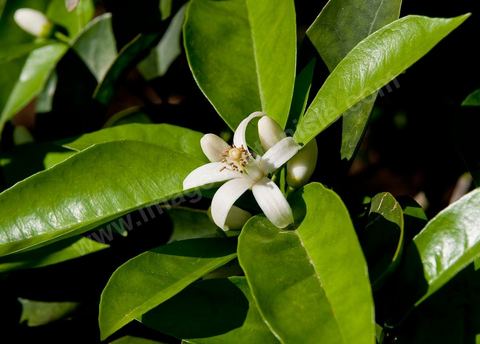
Bitter orange blossoms in the Nabeul region. The bitter orange (Citrus aurantium) is a tree in the Rutaceae family (citrus). The fruit, leaves, twigs, and flowers have numerous uses in food and perfumery. These bitter orange blossoms are white or pink, larger than those of the sweet orange tree, and very fragrant. Highly fragrant, the bitter orange blossom is used to produce orange blossom absolute, orange blossom water, and neroli oil, which are used in perfumery and to flavor foods. These extracts contain high concentrations of methyl anthranilate, which is responsible for the characteristic scent of bitter orange blossoms.
I51-209 · 2010
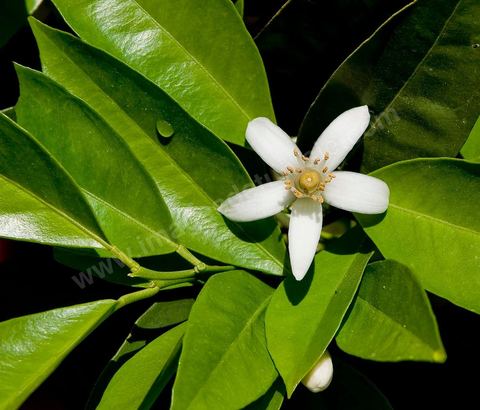
Bitter orange blossoms in the Nabeul region. The bitter orange (Citrus aurantium) is a tree in the Rutaceae family (citrus). The fruit, leaves, twigs, and flowers have numerous uses in food and perfumery. These bitter orange blossoms are white or pink, larger than those of the sweet orange tree, and very fragrant. Highly fragrant, the bitter orange blossom is used to produce orange blossom absolute, orange blossom water, and neroli oil, which are used in perfumery and to flavor foods. These extracts contain high concentrations of methyl anthranilate, which is responsible for the characteristic scent of bitter orange blossoms.
I51-210 · 2010
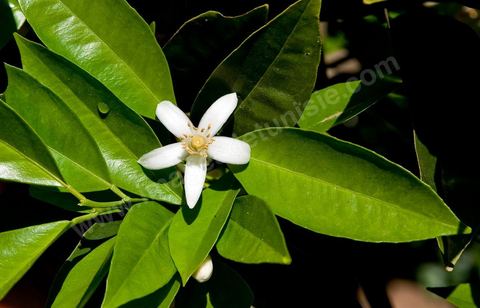
Bitter orange blossoms in the Nabeul region. The bitter orange (Citrus aurantium) is a tree in the Rutaceae family (citrus). The fruit, leaves, twigs, and flowers have numerous uses in food and perfumery. These bitter orange blossoms are white or pink, larger than those of the sweet orange tree, and very fragrant. Highly fragrant, the bitter orange blossom is used to produce orange blossom absolute, orange blossom water, and neroli oil, which are used in perfumery and to flavor foods. These extracts contain high concentrations of methyl anthranilate, which is responsible for the characteristic scent of bitter orange blossoms.
I51-211 · 2010
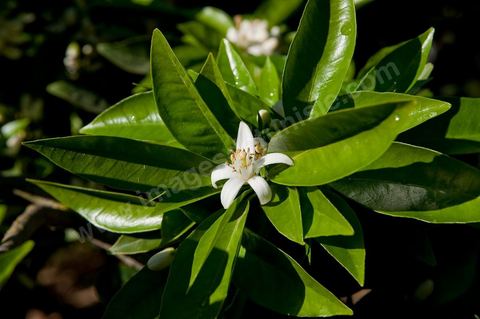
Bitter orange blossoms in the Nabeul region. The bitter orange (Citrus aurantium) is a tree in the Rutaceae family (citrus). The fruit, leaves, twigs, and flowers have numerous uses in food and perfumery. These bitter orange blossoms are white or pink, larger than those of the sweet orange tree, and very fragrant. Highly fragrant, the bitter orange blossom is used to produce orange blossom absolute, orange blossom water, and neroli oil, which are used in perfumery and to flavor foods. These extracts contain high concentrations of methyl anthranilate, which is responsible for the characteristic scent of bitter orange blossoms.
I51-212 · 2010
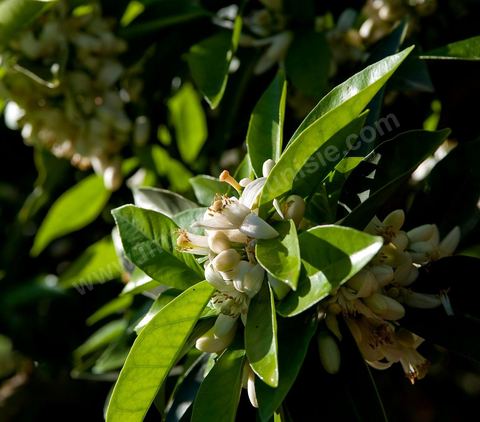
Bitter orange blossoms in the Nabeul region. The bitter orange (Citrus aurantium) is a tree in the Rutaceae family (citrus). The fruit, leaves, twigs, and flowers have numerous uses in food and perfumery. These bitter orange blossoms are white or pink, larger than those of the sweet orange tree, and very fragrant. Highly fragrant, the bitter orange blossom is used to produce orange blossom absolute, orange blossom water, and neroli oil, which are used in perfumery and to flavor foods. These extracts contain high concentrations of methyl anthranilate, which is responsible for the characteristic scent of bitter orange blossoms.
I51-213 · 2010
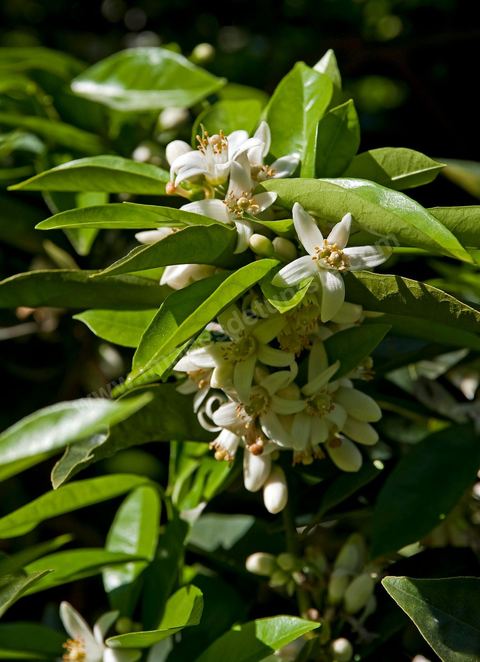
Bitter orange blossoms in the Nabeul region. The bitter orange (Citrus aurantium) is a tree in the Rutaceae family (citrus). The fruit, leaves, twigs, and flowers have numerous uses in food and perfumery. These bitter orange blossoms are white or pink, larger than those of the sweet orange tree, and very fragrant. Highly fragrant, the bitter orange blossom is used to produce orange blossom absolute, orange blossom water, and neroli oil, which are used in perfumery and to flavor foods. These extracts contain high concentrations of methyl anthranilate, which is responsible for the characteristic scent of bitter orange blossoms.
I51-214 · 2010
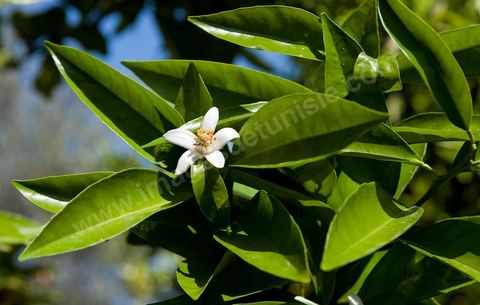
Bitter orange blossoms in the Nabeul region. The bitter orange (Citrus aurantium) is a tree in the Rutaceae family (citrus). The fruit, leaves, twigs, and flowers have numerous uses in food and perfumery. These bitter orange blossoms are white or pink, larger than those of the sweet orange tree, and very fragrant. Highly fragrant, the bitter orange blossom is used to produce orange blossom absolute, orange blossom water, and neroli oil, which are used in perfumery and to flavor foods. These extracts contain high concentrations of methyl anthranilate, which is responsible for the characteristic scent of bitter orange blossoms.
I51-215 · 2010
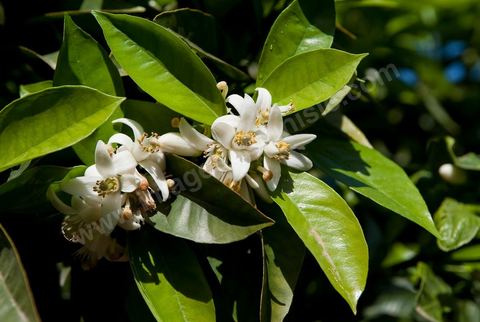
Bitter orange blossoms in the Nabeul region. The bitter orange (Citrus aurantium) is a tree in the Rutaceae family (citrus). The fruit, leaves, twigs, and flowers have numerous uses in food and perfumery. These bitter orange blossoms are white or pink, larger than those of the sweet orange tree, and very fragrant. Highly fragrant, the bitter orange blossom is used to produce orange blossom absolute, orange blossom water, and neroli oil, which are used in perfumery and to flavor foods. These extracts contain high concentrations of methyl anthranilate, which is responsible for the characteristic scent of bitter orange blossoms.
I51-216 · 2010
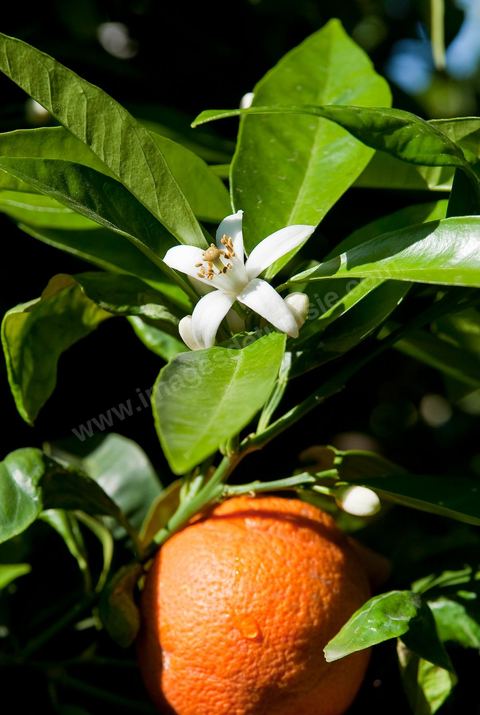
Bitter orange blossoms in the Nabeul region. The bitter orange (Citrus aurantium) is a tree in the Rutaceae family (citrus). The fruit, leaves, twigs, and flowers have numerous uses in food and perfumery. These bitter orange blossoms are white or pink, larger than those of the sweet orange tree, and very fragrant. Highly fragrant, the bitter orange blossom is used to produce orange blossom absolute, orange blossom water, and neroli oil, which are used in perfumery and to flavor foods. These extracts contain high concentrations of methyl anthranilate, which is responsible for the characteristic scent of bitter orange blossoms.
I51-217 · 2010
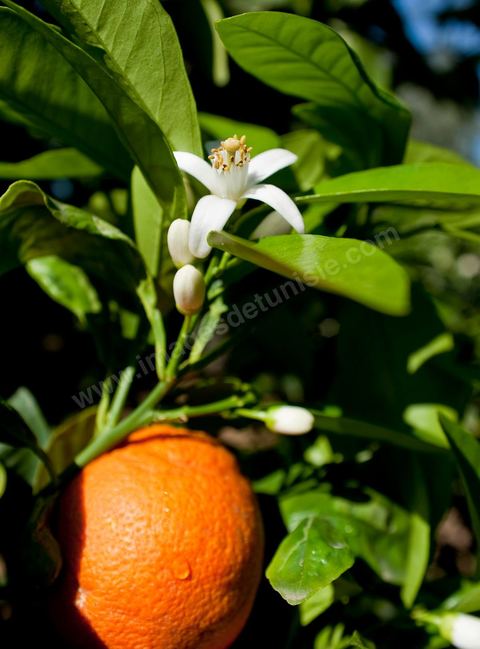
Bitter orange blossoms in the Nabeul region. The bitter orange (Citrus aurantium) is a tree in the Rutaceae family (citrus). The fruit, leaves, twigs, and flowers have numerous uses in food and perfumery. These bitter orange blossoms are white or pink, larger than those of the sweet orange tree, and very fragrant. Highly fragrant, the bitter orange blossom is used to produce orange blossom absolute, orange blossom water, and neroli oil, which are used in perfumery and to flavor foods. These extracts contain high concentrations of methyl anthranilate, which is responsible for the characteristic scent of bitter orange blossoms.
I51-218 · 2010
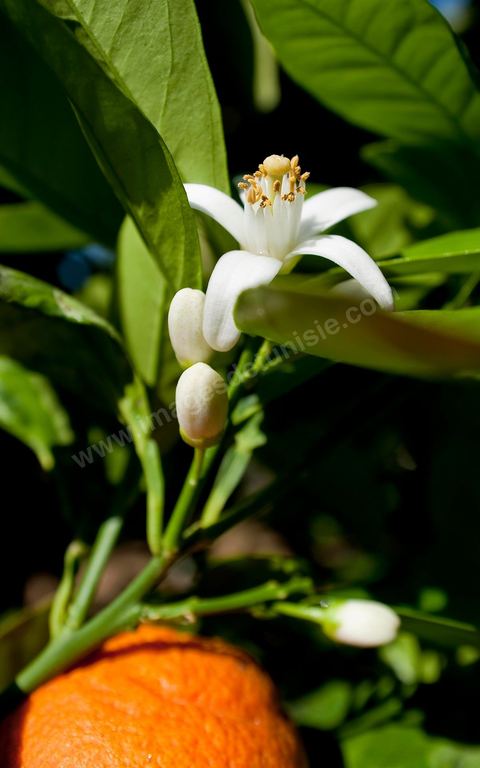
Bitter orange blossoms in the Nabeul region. The bitter orange (Citrus aurantium) is a tree in the Rutaceae family (citrus). The fruit, leaves, twigs, and flowers have numerous uses in food and perfumery. These bitter orange blossoms are white or pink, larger than those of the sweet orange tree, and very fragrant. Highly fragrant, the bitter orange blossom is used to produce orange blossom absolute, orange blossom water, and neroli oil, which are used in perfumery and to flavor foods. These extracts contain high concentrations of methyl anthranilate, which is responsible for the characteristic scent of bitter orange blossoms.
I51-219 · 2010
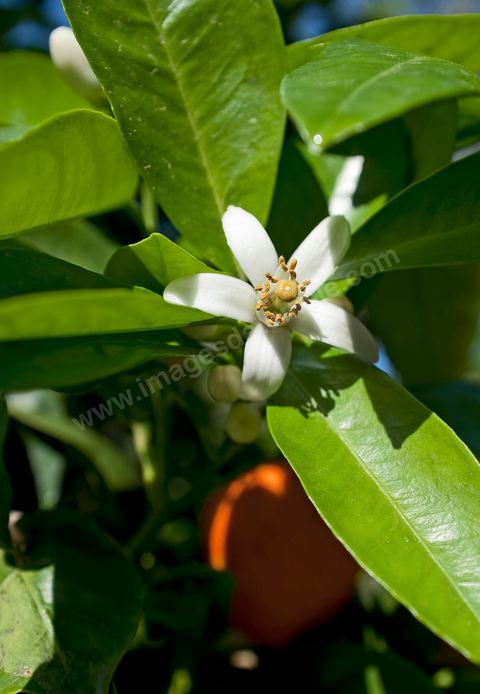
Bitter orange blossoms in the Nabeul region. The bitter orange (Citrus aurantium) is a tree in the Rutaceae family (citrus). The fruit, leaves, twigs, and flowers have numerous uses in food and perfumery. These bitter orange blossoms are white or pink, larger than those of the sweet orange tree, and very fragrant. Highly fragrant, the bitter orange blossom is used to produce orange blossom absolute, orange blossom water, and neroli oil, which are used in perfumery and to flavor foods. These extracts contain high concentrations of methyl anthranilate, which is responsible for the characteristic scent of bitter orange blossoms.
I51-220 · 2010
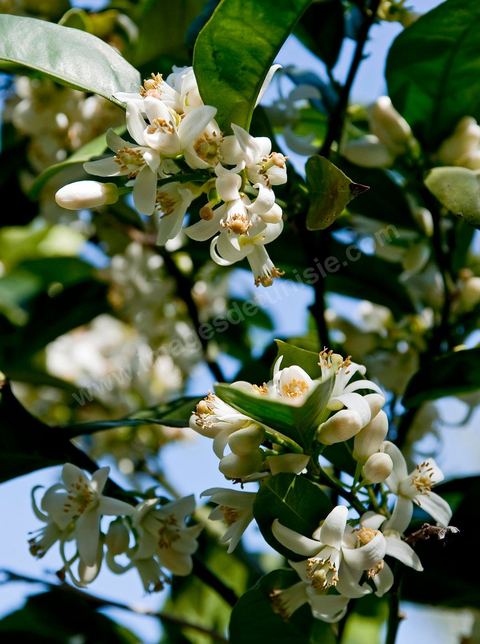
Bitter orange blossoms in the Nabeul region. The bitter orange (Citrus aurantium) is a tree in the Rutaceae family (citrus). The fruit, leaves, twigs, and flowers have numerous uses in food and perfumery. These bitter orange blossoms are white or pink, larger than those of the sweet orange tree, and very fragrant. Highly fragrant, the bitter orange blossom is used to produce orange blossom absolute, orange blossom water, and neroli oil, which are used in perfumery and to flavor foods. These extracts contain high concentrations of methyl anthranilate, which is responsible for the characteristic scent of bitter orange blossoms.
I51-221 · 2010
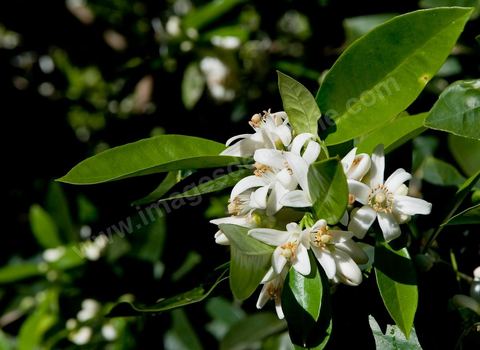
Bitter orange blossoms in the Nabeul region. The bitter orange (Citrus aurantium) is a tree in the Rutaceae family (citrus). The fruit, leaves, twigs, and flowers have numerous uses in food and perfumery. These bitter orange blossoms are white or pink, larger than those of the sweet orange tree, and very fragrant. Highly fragrant, the bitter orange blossom is used to produce orange blossom absolute, orange blossom water, and neroli oil, which are used in perfumery and to flavor foods. These extracts contain high concentrations of methyl anthranilate, which is responsible for the characteristic scent of bitter orange blossoms.
I51-222 · 2010
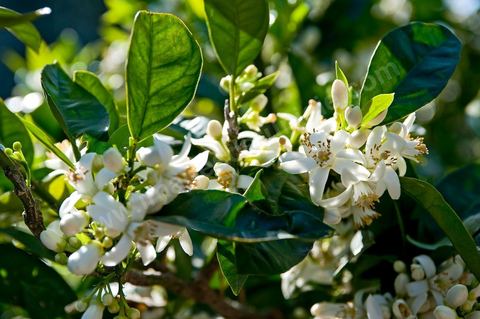
Bitter orange blossoms in the Nabeul region. The bitter orange (Citrus aurantium) is a tree in the Rutaceae family (citrus). The fruit, leaves, twigs, and flowers have numerous uses in food and perfumery. These bitter orange blossoms are white or pink, larger than those of the sweet orange tree, and very fragrant. Highly fragrant, the bitter orange blossom is used to produce orange blossom absolute, orange blossom water, and neroli oil, which are used in perfumery and to flavor foods. These extracts contain high concentrations of methyl anthranilate, which is responsible for the characteristic scent of bitter orange blossoms.
I51-223 · 2010
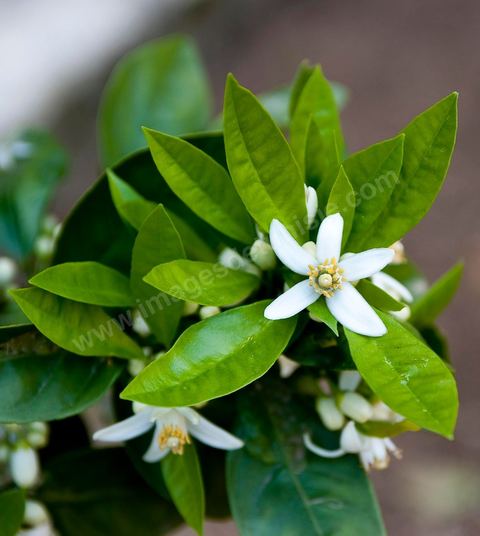
Bitter orange blossoms in the Nabeul region. The bitter orange (Citrus aurantium) is a tree in the Rutaceae family (citrus). The fruit, leaves, twigs, and flowers have numerous uses in food and perfumery. These bitter orange blossoms are white or pink, larger than those of the sweet orange tree, and very fragrant. Highly fragrant, the bitter orange blossom is used to produce orange blossom absolute, orange blossom water, and neroli oil, which are used in perfumery and to flavor foods. These extracts contain high concentrations of methyl anthranilate, which is responsible for the characteristic scent of bitter orange blossoms.
I51-224 · 2010
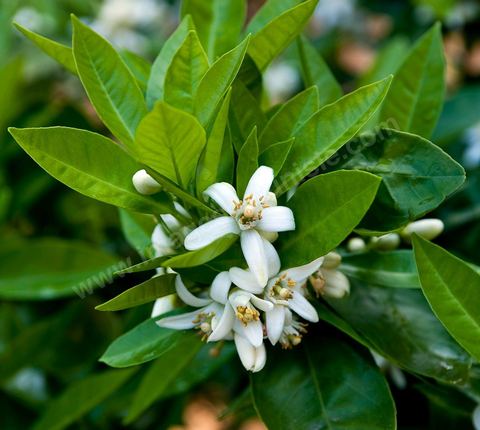
Bitter orange blossoms in the Nabeul region. The bitter orange (Citrus aurantium) is a tree in the Rutaceae family (citrus). The fruit, leaves, twigs, and flowers have numerous uses in food and perfumery. These bitter orange blossoms are white or pink, larger than those of the sweet orange tree, and very fragrant. Highly fragrant, the bitter orange blossom is used to produce orange blossom absolute, orange blossom water, and neroli oil, which are used in perfumery and to flavor foods. These extracts contain high concentrations of methyl anthranilate, which is responsible for the characteristic scent of bitter orange blossoms.
I51-225 · 2010
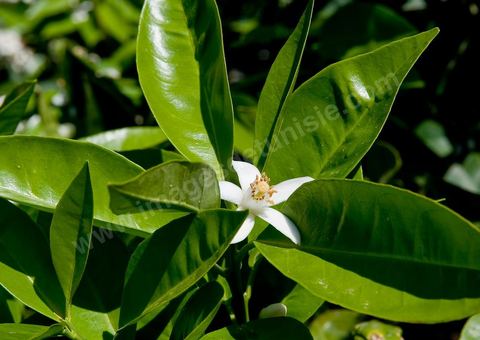
Bitter orange blossoms in the Nabeul region. The bitter orange (Citrus aurantium) is a tree in the Rutaceae family (citrus). The fruit, leaves, twigs, and flowers have numerous uses in food and perfumery. These bitter orange blossoms are white or pink, larger than those of the sweet orange tree, and very fragrant. Highly fragrant, the bitter orange blossom is used to produce orange blossom absolute, orange blossom water, and neroli oil, which are used in perfumery and to flavor foods. These extracts contain high concentrations of methyl anthranilate, which is responsible for the characteristic scent of bitter orange blossoms.
I51-226 · 2010
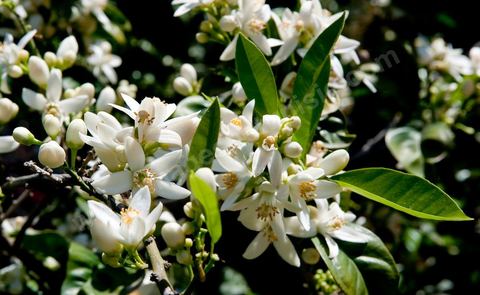
Bitter orange blossoms in the Nabeul region. The bitter orange (Citrus aurantium) is a tree in the Rutaceae family (citrus). The fruit, leaves, twigs, and flowers have numerous uses in food and perfumery. These bitter orange blossoms are white or pink, larger than those of the sweet orange tree, and very fragrant. Highly fragrant, the bitter orange blossom is used to produce orange blossom absolute, orange blossom water, and neroli oil, which are used in perfumery and to flavor foods. These extracts contain high concentrations of methyl anthranilate, which is responsible for the characteristic scent of bitter orange blossoms.
I51-227 · 2010
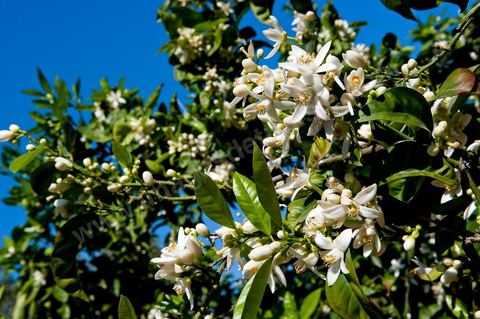
Bitter orange blossoms in the Nabeul region. The bitter orange (Citrus aurantium) is a tree in the Rutaceae family (citrus). The fruit, leaves, twigs, and flowers have numerous uses in food and perfumery. These bitter orange blossoms are white or pink, larger than those of the sweet orange tree, and very fragrant. Highly fragrant, the bitter orange blossom is used to produce orange blossom absolute, orange blossom water, and neroli oil, which are used in perfumery and to flavor foods. These extracts contain high concentrations of methyl anthranilate, which is responsible for the characteristic scent of bitter orange blossoms.
I51-228 · 2010
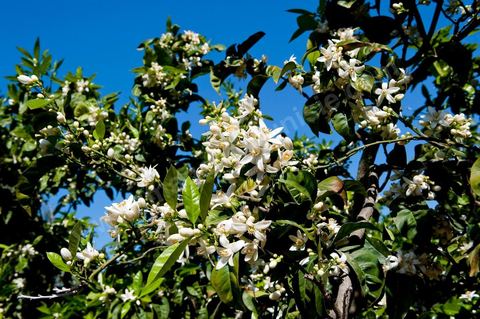
Bitter orange blossoms in the Nabeul region. The bitter orange (Citrus aurantium) is a tree in the Rutaceae family (citrus). The fruit, leaves, twigs, and flowers have numerous uses in food and perfumery. These bitter orange blossoms are white or pink, larger than those of the sweet orange tree, and very fragrant. Highly fragrant, the bitter orange blossom is used to produce orange blossom absolute, orange blossom water, and neroli oil, which are used in perfumery and to flavor foods. These extracts contain high concentrations of methyl anthranilate, which is responsible for the characteristic scent of bitter orange blossoms.
I51-229 · 2010
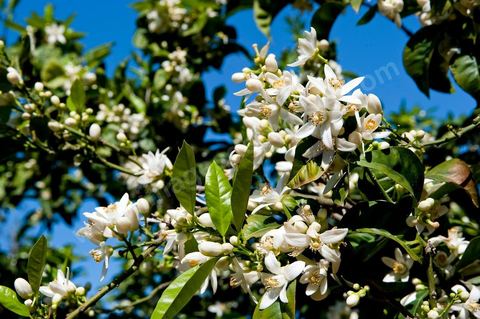
Bitter orange blossoms in the Nabeul region. The bitter orange (Citrus aurantium) is a tree in the Rutaceae family (citrus). The fruit, leaves, twigs, and flowers have numerous uses in food and perfumery. These bitter orange blossoms are white or pink, larger than those of the sweet orange tree, and very fragrant. Highly fragrant, the bitter orange blossom is used to produce orange blossom absolute, orange blossom water, and neroli oil, which are used in perfumery and to flavor foods. These extracts contain high concentrations of methyl anthranilate, which is responsible for the characteristic scent of bitter orange blossoms.
I51-230 · 2010
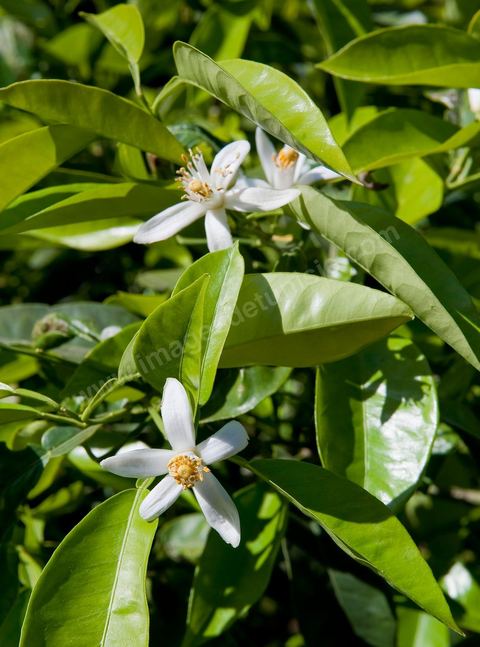
Bitter orange blossoms in the Nabeul region. The bitter orange (Citrus aurantium) is a tree in the Rutaceae family (citrus). The fruit, leaves, twigs, and flowers have numerous uses in food and perfumery. These bitter orange blossoms are white or pink, larger than those of the sweet orange tree, and very fragrant. Highly fragrant, the bitter orange blossom is used to produce orange blossom absolute, orange blossom water, and neroli oil, which are used in perfumery and to flavor foods. These extracts contain high concentrations of methyl anthranilate, which is responsible for the characteristic scent of bitter orange blossoms.
I51-231 · 2010
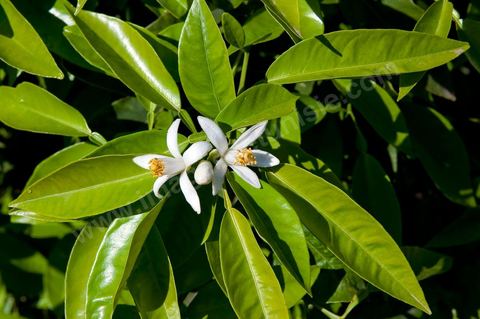
Bitter orange blossoms in the Nabeul region. The bitter orange (Citrus aurantium) is a tree in the Rutaceae family (citrus). The fruit, leaves, twigs, and flowers have numerous uses in food and perfumery. These bitter orange blossoms are white or pink, larger than those of the sweet orange tree, and very fragrant. Highly fragrant, the bitter orange blossom is used to produce orange blossom absolute, orange blossom water, and neroli oil, which are used in perfumery and to flavor foods. These extracts contain high concentrations of methyl anthranilate, which is responsible for the characteristic scent of bitter orange blossoms.
I51-232 · 2010
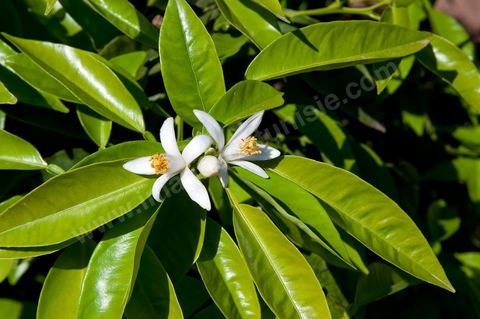
Bitter orange blossoms in the Nabeul region. The bitter orange (Citrus aurantium) is a tree in the Rutaceae family (citrus). The fruit, leaves, twigs, and flowers have numerous uses in food and perfumery. These bitter orange blossoms are white or pink, larger than those of the sweet orange tree, and very fragrant. Highly fragrant, the bitter orange blossom is used to produce orange blossom absolute, orange blossom water, and neroli oil, which are used in perfumery and to flavor foods. These extracts contain high concentrations of methyl anthranilate, which is responsible for the characteristic scent of bitter orange blossoms.
I51-233 · 2010
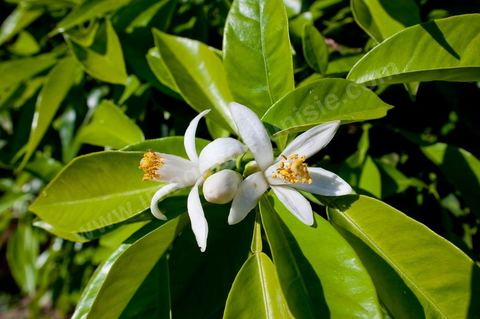
Bitter orange blossoms in the Nabeul region. The bitter orange (Citrus aurantium) is a tree in the Rutaceae family (citrus). The fruit, leaves, twigs, and flowers have numerous uses in food and perfumery. These bitter orange blossoms are white or pink, larger than those of the sweet orange tree, and very fragrant. Highly fragrant, the bitter orange blossom is used to produce orange blossom absolute, orange blossom water, and neroli oil, which are used in perfumery and to flavor foods. These extracts contain high concentrations of methyl anthranilate, which is responsible for the characteristic scent of bitter orange blossoms.
I51-234 · 2010
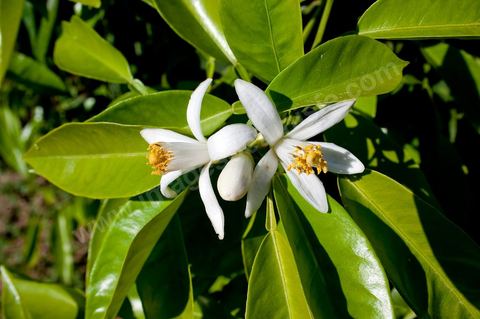
Bitter orange blossoms in the Nabeul region. The bitter orange (Citrus aurantium) is a tree in the Rutaceae family (citrus). The fruit, leaves, twigs, and flowers have numerous uses in food and perfumery. These bitter orange blossoms are white or pink, larger than those of the sweet orange tree, and very fragrant. Highly fragrant, the bitter orange blossom is used to produce orange blossom absolute, orange blossom water, and neroli oil, which are used in perfumery and to flavor foods. These extracts contain high concentrations of methyl anthranilate, which is responsible for the characteristic scent of bitter orange blossoms.
I51-235 · 2010
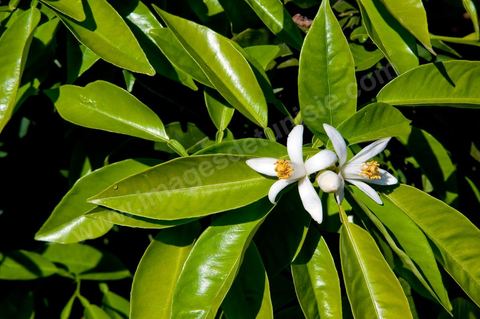
Bitter orange blossoms in the Nabeul region. The bitter orange (Citrus aurantium) is a tree in the Rutaceae family (citrus). The fruit, leaves, twigs, and flowers have numerous uses in food and perfumery. These bitter orange blossoms are white or pink, larger than those of the sweet orange tree, and very fragrant. Highly fragrant, the bitter orange blossom is used to produce orange blossom absolute, orange blossom water, and neroli oil, which are used in perfumery and to flavor foods. These extracts contain high concentrations of methyl anthranilate, which is responsible for the characteristic scent of bitter orange blossoms.
I51-236 · 2010
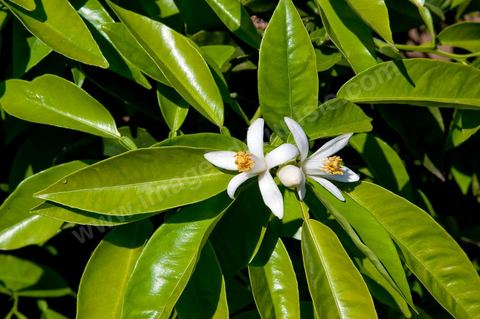
Bitter orange blossoms in the Nabeul region. The bitter orange (Citrus aurantium) is a tree in the Rutaceae family (citrus). The fruit, leaves, twigs, and flowers have numerous uses in food and perfumery. These bitter orange blossoms are white or pink, larger than those of the sweet orange tree, and very fragrant. Highly fragrant, the bitter orange blossom is used to produce orange blossom absolute, orange blossom water, and neroli oil, which are used in perfumery and to flavor foods. These extracts contain high concentrations of methyl anthranilate, which is responsible for the characteristic scent of bitter orange blossoms.
I51-237 · 2010
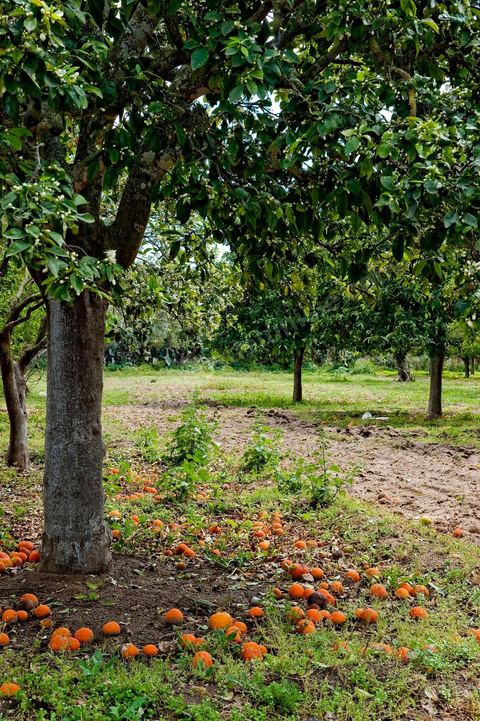
I51-238
I51-238 · 2010
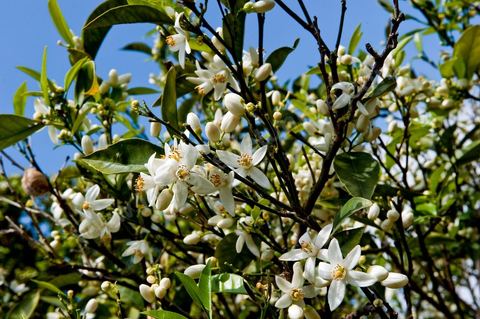
Bitter orange blossoms in the Nabeul region. The bitter orange (Citrus aurantium) is a tree in the Rutaceae family (citrus). The fruit, leaves, twigs, and flowers have numerous uses in food and perfumery. These bitter orange blossoms are white or pink, larger than those of the sweet orange tree, and very fragrant. Highly fragrant, the bitter orange blossom is used to produce orange blossom absolute, orange blossom water, and neroli oil, which are used in perfumery and to flavor foods. These extracts contain high concentrations of methyl anthranilate, which is responsible for the characteristic scent of bitter orange blossoms.
I51-239 · 2010
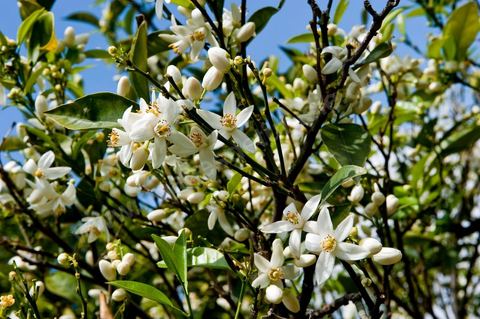
Bitter orange blossoms in the Nabeul region. The bitter orange (Citrus aurantium) is a tree in the Rutaceae family (citrus). The fruit, leaves, twigs, and flowers have numerous uses in food and perfumery. These bitter orange blossoms are white or pink, larger than those of the sweet orange tree, and very fragrant. Highly fragrant, the bitter orange blossom is used to produce orange blossom absolute, orange blossom water, and neroli oil, which are used in perfumery and to flavor foods. These extracts contain high concentrations of methyl anthranilate, which is responsible for the characteristic scent of bitter orange blossoms.
I51-240 · 2010
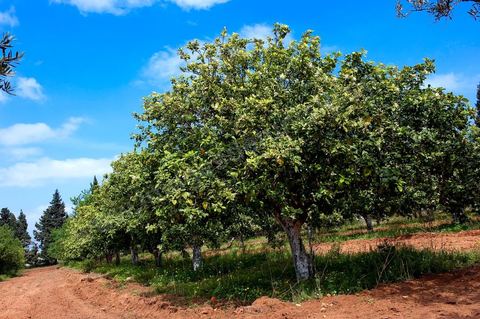
I51-241
I51-241 · 2010
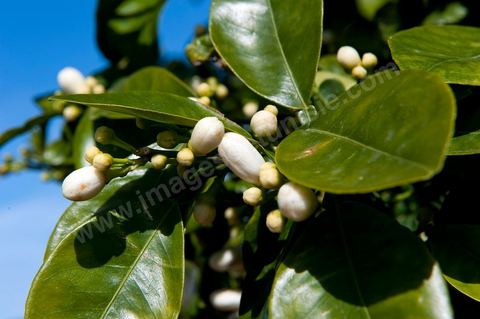
Bitter orange blossoms in the Nabeul region. The bitter orange (Citrus aurantium) is a tree in the Rutaceae family (citrus). The fruit, leaves, twigs, and flowers have numerous uses in food and perfumery. These bitter orange blossoms are white or pink, larger than those of the sweet orange tree, and very fragrant. Highly fragrant, the bitter orange blossom is used to produce orange blossom absolute, orange blossom water, and neroli oil, which are used in perfumery and to flavor foods. These extracts contain high concentrations of methyl anthranilate, which is responsible for the characteristic scent of bitter orange blossoms.
I51-242 · 2010
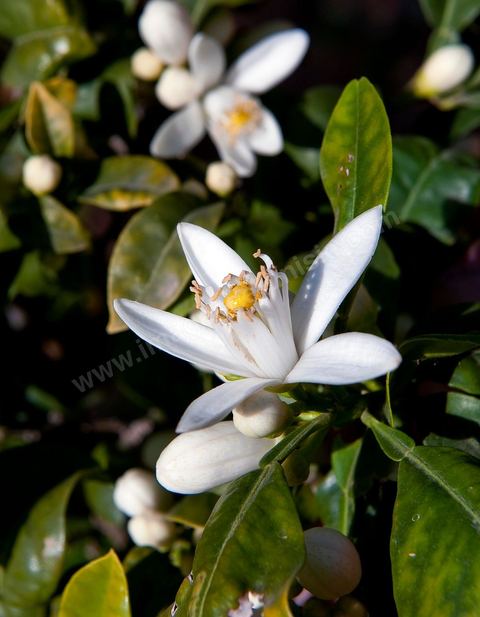
Bitter orange blossoms in the Nabeul region. The bitter orange (Citrus aurantium) is a tree in the Rutaceae family (citrus). The fruit, leaves, twigs, and flowers have numerous uses in food and perfumery. These bitter orange blossoms are white or pink, larger than those of the sweet orange tree, and very fragrant. Highly fragrant, the bitter orange blossom is used to produce orange blossom absolute, orange blossom water, and neroli oil, which are used in perfumery and to flavor foods. These extracts contain high concentrations of methyl anthranilate, which is responsible for the characteristic scent of bitter orange blossoms.
I51-243 · 2010
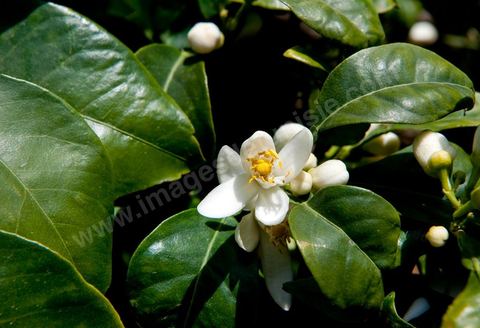
Bitter orange blossoms in the Nabeul region. The bitter orange (Citrus aurantium) is a tree in the Rutaceae family (citrus). The fruit, leaves, twigs, and flowers have numerous uses in food and perfumery. These bitter orange blossoms are white or pink, larger than those of the sweet orange tree, and very fragrant. Highly fragrant, the bitter orange blossom is used to produce orange blossom absolute, orange blossom water, and neroli oil, which are used in perfumery and to flavor foods. These extracts contain high concentrations of methyl anthranilate, which is responsible for the characteristic scent of bitter orange blossoms.
I51-244 · 2010
I51-245
I51-245 · 2010
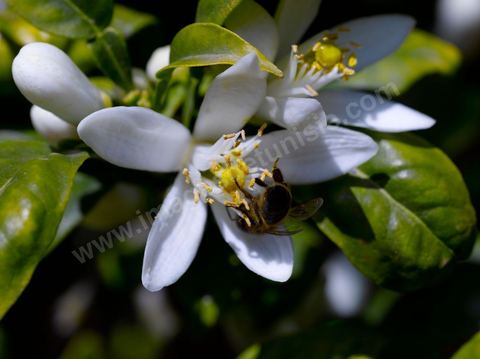
Bitter orange blossoms in the Nabeul region. The bitter orange (Citrus aurantium) is a tree in the Rutaceae family (citrus). The fruit, leaves, twigs, and flowers have numerous uses in food and perfumery. These bitter orange blossoms are white or pink, larger than those of the sweet orange tree, and very fragrant. Highly fragrant, the bitter orange blossom is used to produce orange blossom absolute, orange blossom water, and neroli oil, which are used in perfumery and to flavor foods. These extracts contain high concentrations of methyl anthranilate, which is responsible for the characteristic scent of bitter orange blossoms.
I51-246 · 2010
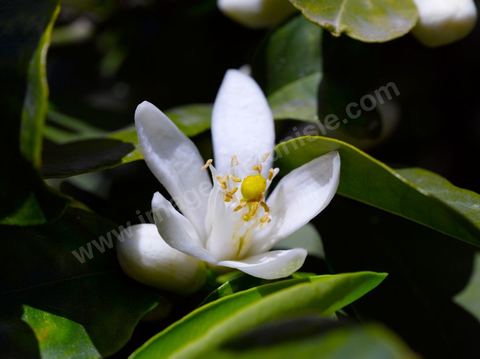
Bitter orange blossoms in the Nabeul region. The bitter orange (Citrus aurantium) is a tree in the Rutaceae family (citrus). The fruit, leaves, twigs, and flowers have numerous uses in food and perfumery. These bitter orange blossoms are white or pink, larger than those of the sweet orange tree, and very fragrant. Highly fragrant, the bitter orange blossom is used to produce orange blossom absolute, orange blossom water, and neroli oil, which are used in perfumery and to flavor foods. These extracts contain high concentrations of methyl anthranilate, which is responsible for the characteristic scent of bitter orange blossoms.
I51-247 · 2010
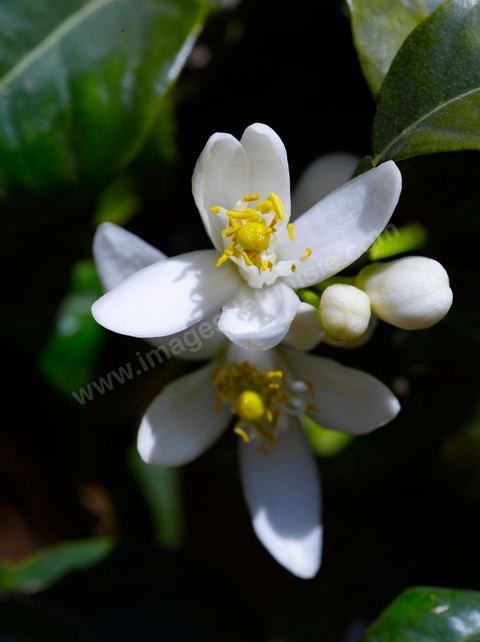
Bitter orange blossoms in the Nabeul region. The bitter orange (Citrus aurantium) is a tree in the Rutaceae family (citrus). The fruit, leaves, twigs, and flowers have numerous uses in food and perfumery. These bitter orange blossoms are white or pink, larger than those of the sweet orange tree, and very fragrant. Highly fragrant, the bitter orange blossom is used to produce orange blossom absolute, orange blossom water, and neroli oil, which are used in perfumery and to flavor foods. These extracts contain high concentrations of methyl anthranilate, which is responsible for the characteristic scent of bitter orange blossoms.
I51-248 · 2010
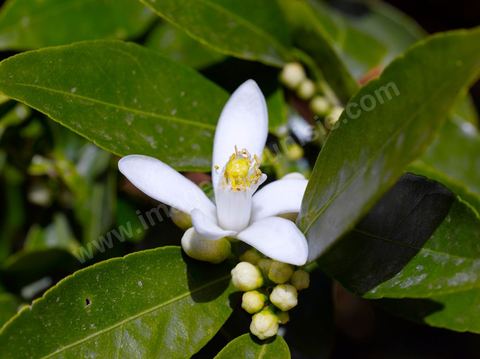
Bitter orange blossoms in the Nabeul region. The bitter orange (Citrus aurantium) is a tree in the Rutaceae family (citrus). The fruit, leaves, twigs, and flowers have numerous uses in food and perfumery. These bitter orange blossoms are white or pink, larger than those of the sweet orange tree, and very fragrant. Highly fragrant, the bitter orange blossom is used to produce orange blossom absolute, orange blossom water, and neroli oil, which are used in perfumery and to flavor foods. These extracts contain high concentrations of methyl anthranilate, which is responsible for the characteristic scent of bitter orange blossoms.
I51-249 · 2010