Gammarth
1–33 of 33
A05-03
A05-03
A05-04
A05-04
A05-05
A05-05
A05-06
A05-06

A05-07
A05-07 · 2006
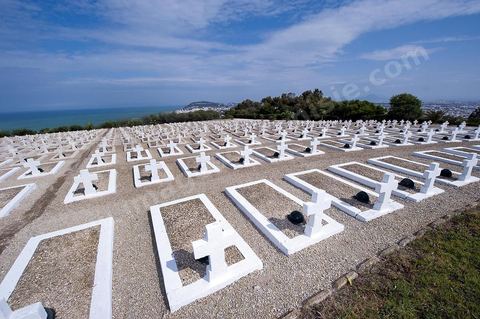
The French military cemetery in Gammarth was established on January 5, 1944. Covering an area of seven hectares on the hills above the city, it was originally designated for non-Muslim soldiers from the North African troops who fell during the Tunisian Campaign, which took place from November 19, 1942, to May 13, 1943. After the consolidation of the various military sections of the municipal cemeteries between 1966 and 1968, soldiers who fell in other battles (World War I, World War II, and the Indochina War) were also buried there, for a total of 1,875 bodies resting in individual graves.
A05-10 · 2010
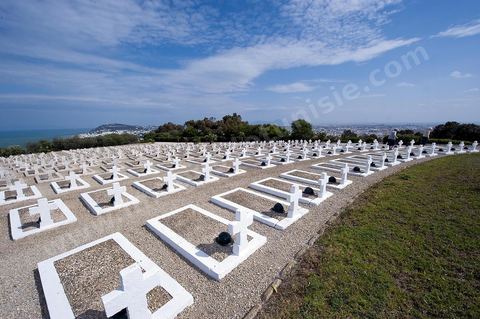
The French military cemetery in Gammarth was established on January 5, 1944. Covering an area of seven hectares on the hills above the city, it was originally designated for non-Muslim soldiers from the North African troops who fell during the Tunisian Campaign, which took place from November 19, 1942, to May 13, 1943. After the consolidation of the various military sections of the municipal cemeteries between 1966 and 1968, soldiers who fell in other battles (World War I, World War II, and the Indochina War) were also buried there, for a total of 1,875 bodies resting in individual graves.
A05-11 · 2010
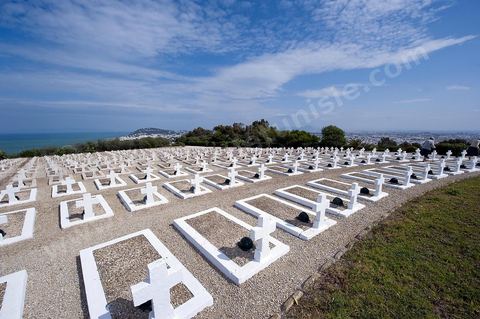
The French military cemetery in Gammarth was established on January 5, 1944. Covering an area of seven hectares on the hills above the city, it was originally designated for non-Muslim soldiers from the North African troops who fell during the Tunisian Campaign, which took place from November 19, 1942, to May 13, 1943. After the consolidation of the various military sections of the municipal cemeteries between 1966 and 1968, soldiers who fell in other battles (World War I, World War II, and the Indochina War) were also buried there, for a total of 1,875 bodies resting in individual graves.
A05-12 · 2010
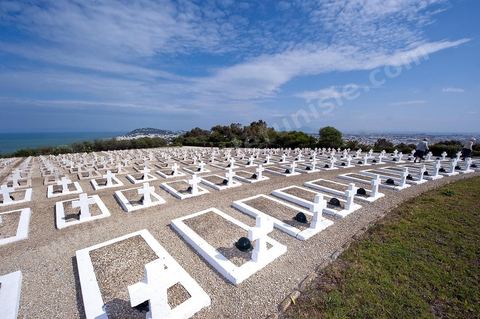
The French military cemetery in Gammarth was established on January 5, 1944. Covering an area of seven hectares on the hills above the city, it was originally designated for non-Muslim soldiers from the North African troops who fell during the Tunisian Campaign, which took place from November 19, 1942, to May 13, 1943. After the consolidation of the various military sections of the municipal cemeteries between 1966 and 1968, soldiers who fell in other battles (World War I, World War II, and the Indochina War) were also buried there, for a total of 1,875 bodies resting in individual graves.
A05-13 · 2010
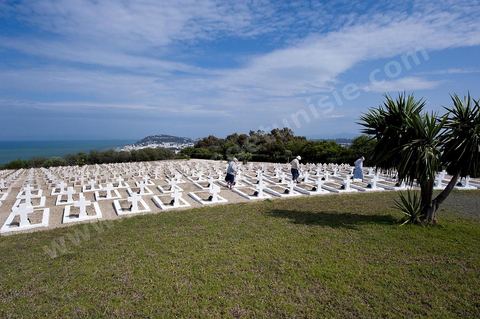
The French military cemetery in Gammarth was established on January 5, 1944. Covering an area of seven hectares on the hills above the city, it was originally designated for non-Muslim soldiers from the North African troops who fell during the Tunisian Campaign, which took place from November 19, 1942, to May 13, 1943. After the consolidation of the various military sections of the municipal cemeteries between 1966 and 1968, soldiers who fell in other battles (World War I, World War II, and the Indochina War) were also buried there, for a total of 1,875 bodies resting in individual graves.
A05-14 · 2010
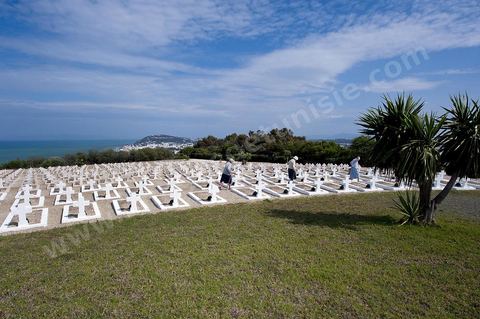
The French military cemetery in Gammarth was established on January 5, 1944. Covering an area of seven hectares on the hills above the city, it was originally designated for non-Muslim soldiers from the North African troops who fell during the Tunisian Campaign, which took place from November 19, 1942, to May 13, 1943. After the consolidation of the various military sections of the municipal cemeteries between 1966 and 1968, soldiers who fell in other battles (World War I, World War II, and the Indochina War) were also buried there, for a total of 1,875 bodies resting in individual graves.
A05-15 · 2010
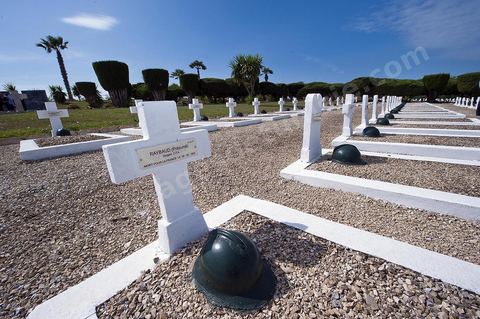
The French military cemetery in Gammarth was established on January 5, 1944. Covering an area of seven hectares on the hills above the city, it was originally designated for non-Muslim soldiers from the North African troops who fell during the Tunisian Campaign, which took place from November 19, 1942, to May 13, 1943. After the consolidation of the various military sections of the municipal cemeteries between 1966 and 1968, soldiers who fell in other battles (World War I, World War II, and the Indochina War) were also buried there, for a total of 1,875 bodies resting in individual graves.
A05-16 · 2010
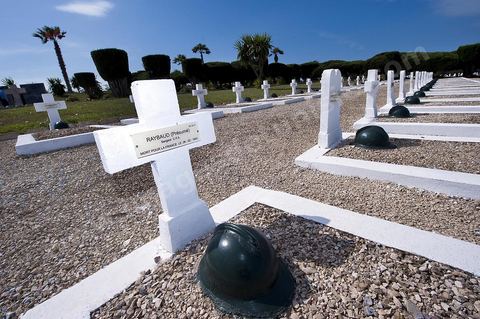
The French military cemetery in Gammarth was established on January 5, 1944. Covering an area of seven hectares on the hills above the city, it was originally designated for non-Muslim soldiers from the North African troops who fell during the Tunisian Campaign, which took place from November 19, 1942, to May 13, 1943. After the consolidation of the various military sections of the municipal cemeteries between 1966 and 1968, soldiers who fell in other battles (World War I, World War II, and the Indochina War) were also buried there, for a total of 1,875 bodies resting in individual graves.
A05-17 · 2010
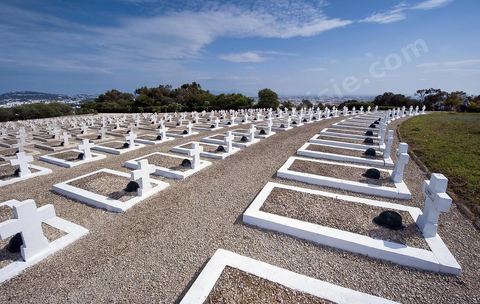
The French military cemetery in Gammarth was established on January 5, 1944. Covering an area of seven hectares on the hills above the city, it was originally designated for non-Muslim soldiers from the North African troops who fell during the Tunisian Campaign, which took place from November 19, 1942, to May 13, 1943. After the consolidation of the various military sections of the municipal cemeteries between 1966 and 1968, soldiers who fell in other battles (World War I, World War II, and the Indochina War) were also buried there, for a total of 1,875 bodies resting in individual graves.
A05-18 · 2010
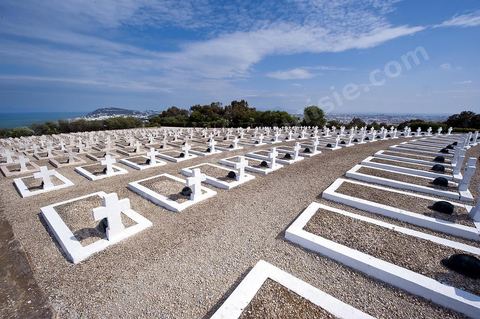
The French military cemetery in Gammarth was established on January 5, 1944. Covering an area of seven hectares on the hills above the city, it was originally designated for non-Muslim soldiers from the North African troops who fell during the Tunisian Campaign, which took place from November 19, 1942, to May 13, 1943. After the consolidation of the various military sections of the municipal cemeteries between 1966 and 1968, soldiers who fell in other battles (World War I, World War II, and the Indochina War) were also buried there, for a total of 1,875 bodies resting in individual graves.
A05-19 · 2010
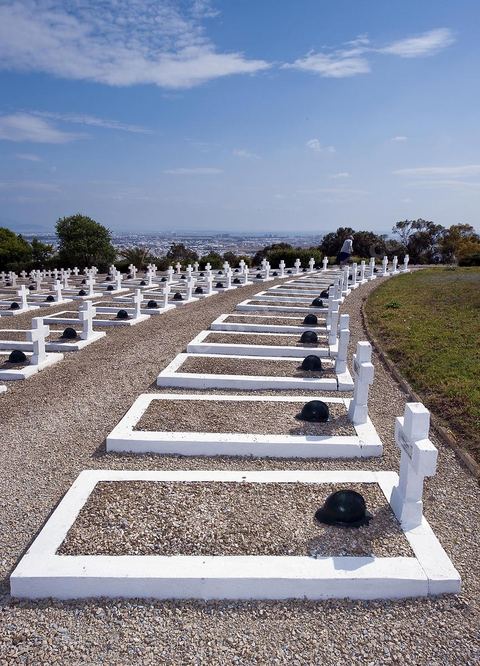
The French military cemetery in Gammarth was established on January 5, 1944. Covering an area of seven hectares on the hills above the city, it was originally designated for non-Muslim soldiers from the North African troops who fell during the Tunisian Campaign, which took place from November 19, 1942, to May 13, 1943. After the consolidation of the various military sections of the municipal cemeteries between 1966 and 1968, soldiers who fell in other battles (World War I, World War II, and the Indochina War) were also buried there, for a total of 1,875 bodies resting in individual graves.
A05-20 · 2010
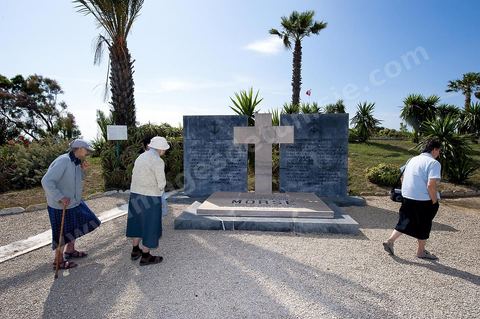
le mémorial et l'ossuaire de l'équipage du sous-marin Morse coulé au large de Sfax le 17 juin 1940. Le cimetière militaire français de Gammarth est le 5 janvier 1944. Occupant une surface de sept hectares sur les hauteurs de la ville, il est affecté à l'origine aux militaires non musulmans des troupes d'Afrique du Nord tombés au cours de la campagne de Tunisie qui a eu lieu du 19 novembre 1942 au 13 mai 1943. Après le regroupement des différents carrés militaires des cimetières communaux entre 1966 et 1968, des combattants tombés au cours d'autres batailles (Première Guerre mondiale, Seconde Guerre mondiale et Guerre d'Indochine) y sont inhumés, soit au total 1 875 corps reposant dans des tombes individuelles.
A05-21 · 2010
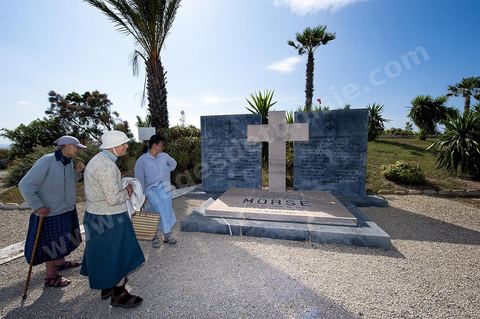
le mémorial et l'ossuaire de l'équipage du sous-marin Morse coulé au large de Sfax le 17 juin 1940. Le cimetière militaire français de Gammarth est le 5 janvier 1944. Occupant une surface de sept hectares sur les hauteurs de la ville, il est affecté à l'origine aux militaires non musulmans des troupes d'Afrique du Nord tombés au cours de la campagne de Tunisie qui a eu lieu du 19 novembre 1942 au 13 mai 1943. Après le regroupement des différents carrés militaires des cimetières communaux entre 1966 et 1968, des combattants tombés au cours d'autres batailles (Première Guerre mondiale, Seconde Guerre mondiale et Guerre d'Indochine) y sont inhumés, soit au total 1 875 corps reposant dans des tombes individuelles.
A05-22 · 2010
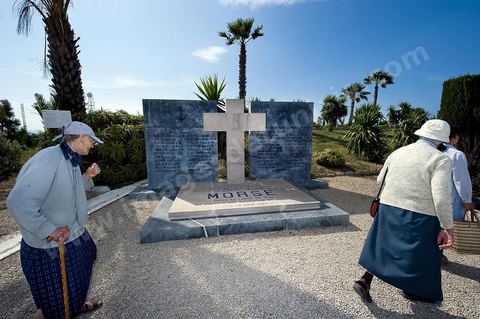
le mémorial et l'ossuaire de l'équipage du sous-marin Morse coulé au large de Sfax le 17 juin 1940. Le cimetière militaire français de Gammarth est le 5 janvier 1944. Occupant une surface de sept hectares sur les hauteurs de la ville, il est affecté à l'origine aux militaires non musulmans des troupes d'Afrique du Nord tombés au cours de la campagne de Tunisie qui a eu lieu du 19 novembre 1942 au 13 mai 1943. Après le regroupement des différents carrés militaires des cimetières communaux entre 1966 et 1968, des combattants tombés au cours d'autres batailles (Première Guerre mondiale, Seconde Guerre mondiale et Guerre d'Indochine) y sont inhumés, soit au total 1 875 corps reposant dans des tombes individuelles.
A05-23 · 2010
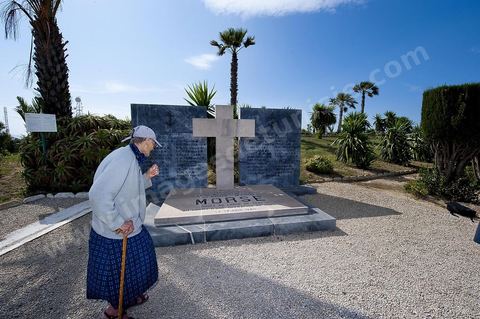
le mémorial et l'ossuaire de l'équipage du sous-marin Morse coulé au large de Sfax le 17 juin 1940. Le cimetière militaire français de Gammarth est le 5 janvier 1944. Occupant une surface de sept hectares sur les hauteurs de la ville, il est affecté à l'origine aux militaires non musulmans des troupes d'Afrique du Nord tombés au cours de la campagne de Tunisie qui a eu lieu du 19 novembre 1942 au 13 mai 1943. Après le regroupement des différents carrés militaires des cimetières communaux entre 1966 et 1968, des combattants tombés au cours d'autres batailles (Première Guerre mondiale, Seconde Guerre mondiale et Guerre d'Indochine) y sont inhumés, soit au total 1 875 corps reposant dans des tombes individuelles.
A05-24 · 2010
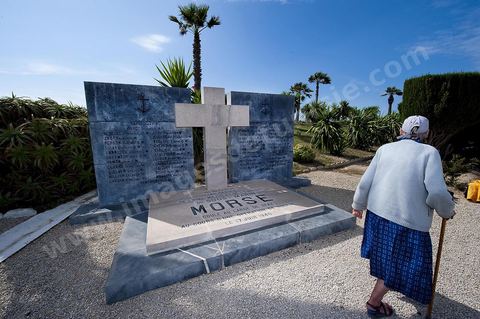
le mémorial et l'ossuaire de l'équipage du sous-marin Morse coulé au large de Sfax le 17 juin 1940. Le cimetière militaire français de Gammarth est le 5 janvier 1944. Occupant une surface de sept hectares sur les hauteurs de la ville, il est affecté à l'origine aux militaires non musulmans des troupes d'Afrique du Nord tombés au cours de la campagne de Tunisie qui a eu lieu du 19 novembre 1942 au 13 mai 1943. Après le regroupement des différents carrés militaires des cimetières communaux entre 1966 et 1968, des combattants tombés au cours d'autres batailles (Première Guerre mondiale, Seconde Guerre mondiale et Guerre d'Indochine) y sont inhumés, soit au total 1 875 corps reposant dans des tombes individuelles.
A05-25 · 2010
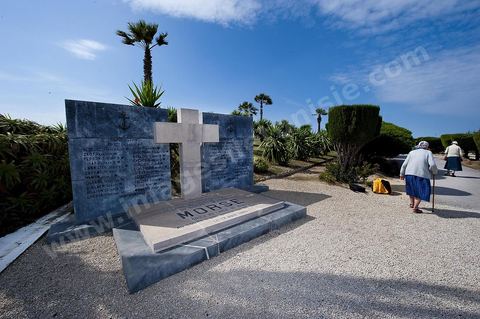
le mémorial et l'ossuaire de l'équipage du sous-marin Morse coulé au large de Sfax le 17 juin 1940. Le cimetière militaire français de Gammarth est le 5 janvier 1944. Occupant une surface de sept hectares sur les hauteurs de la ville, il est affecté à l'origine aux militaires non musulmans des troupes d'Afrique du Nord tombés au cours de la campagne de Tunisie qui a eu lieu du 19 novembre 1942 au 13 mai 1943. Après le regroupement des différents carrés militaires des cimetières communaux entre 1966 et 1968, des combattants tombés au cours d'autres batailles (Première Guerre mondiale, Seconde Guerre mondiale et Guerre d'Indochine) y sont inhumés, soit au total 1 875 corps reposant dans des tombes individuelles.
A05-26 · 2010
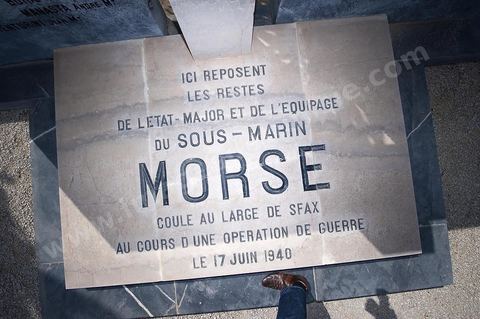
le mémorial et l'ossuaire de l'équipage du sous-marin Morse coulé au large de Sfax le 17 juin 1940. Le cimetière militaire français de Gammarth est le 5 janvier 1944. Occupant une surface de sept hectares sur les hauteurs de la ville, il est affecté à l'origine aux militaires non musulmans des troupes d'Afrique du Nord tombés au cours de la campagne de Tunisie qui a eu lieu du 19 novembre 1942 au 13 mai 1943. Après le regroupement des différents carrés militaires des cimetières communaux entre 1966 et 1968, des combattants tombés au cours d'autres batailles (Première Guerre mondiale, Seconde Guerre mondiale et Guerre d'Indochine) y sont inhumés, soit au total 1 875 corps reposant dans des tombes individuelles.
A05-27 · 2010
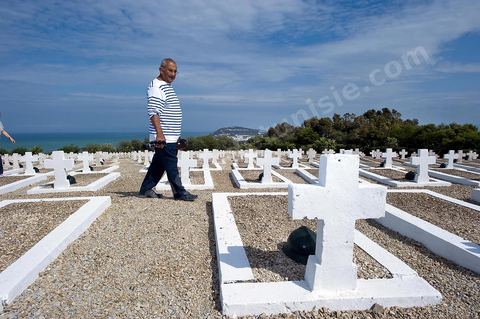
The French military cemetery in Gammarth was established on January 5, 1944. Covering an area of seven hectares on the hills above the city, it was originally designated for non-Muslim soldiers from the North African troops who fell during the Tunisian Campaign, which took place from November 19, 1942, to May 13, 1943. After the consolidation of the various military sections of the municipal cemeteries between 1966 and 1968, soldiers who fell in other battles (World War I, World War II, and the Indochina War) were also buried there, for a total of 1,875 bodies resting in individual graves.
A05-28 · 2010
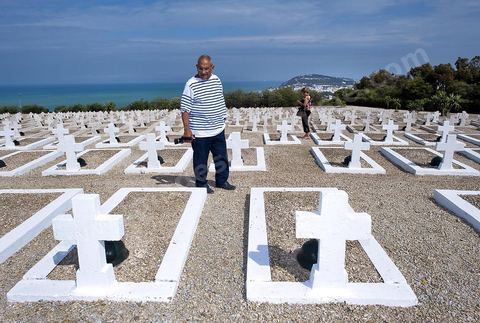
The French military cemetery in Gammarth was established on January 5, 1944. Covering an area of seven hectares on the hills above the city, it was originally designated for non-Muslim soldiers from the North African troops who fell during the Tunisian Campaign, which took place from November 19, 1942, to May 13, 1943. After the consolidation of the various military sections of the municipal cemeteries between 1966 and 1968, soldiers who fell in other battles (World War I, World War II, and the Indochina War) were also buried there, for a total of 1,875 bodies resting in individual graves.
A05-29 · 2010

Projet unique de villas haut standing au coeur du Residence Golf Course à Gammarth dans la banlieue nord de Tunis
I46-024 · 2008

Projet unique de villas haut standing au coeur du Residence Golf Course à Gammarth dans la banlieue nord de Tunis
I46-025 · 2008

Projet unique de villas haut standing au coeur du Residence Golf Course à Gammarth dans la banlieue nord de Tunis
I46-027 · 2008

Projet unique de villas haut standing au coeur du Residence Golf Course à Gammarth dans la banlieue nord de Tunis
I46-028 · 2008
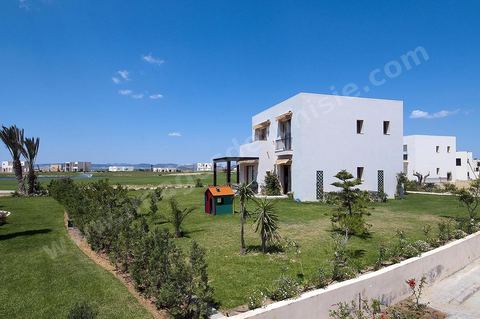
Projet unique de villas haut standing au coeur du Residence Golf Course à Gammarth dans la banlieue nord de Tunis
I46-029 · 2008

Projet unique de villas haut standing au coeur du Residence Golf Course à Gammarth dans la banlieue nord de Tunis
I46-030 · 2008

S0033756
S0033756 · 2012

S0063763
S0063763 · 2012