Le musée du Bardo
1–50 of 340 · page 1/7
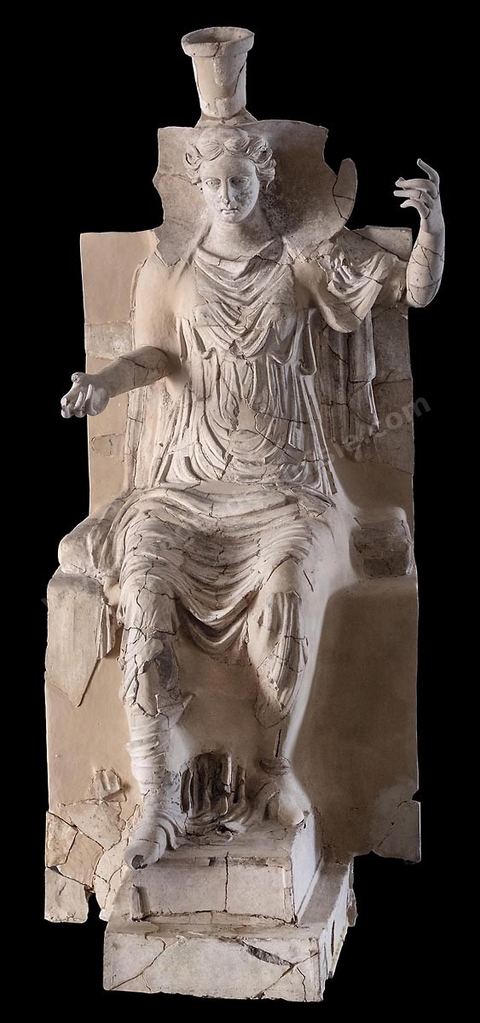
Punic Hall. Bardo National Museum
XT501424 · 2024
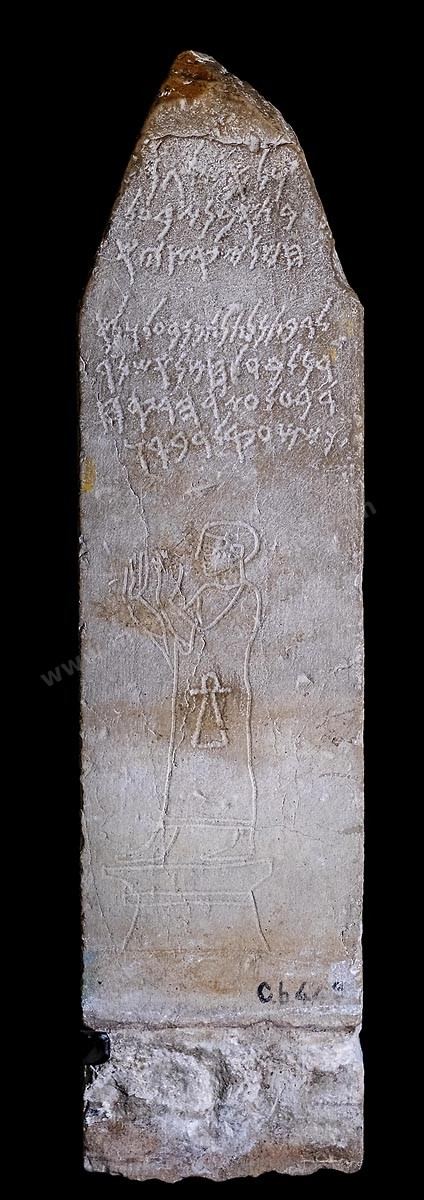
Punic Hall. Bardo National Museum
XT501407 · 2024
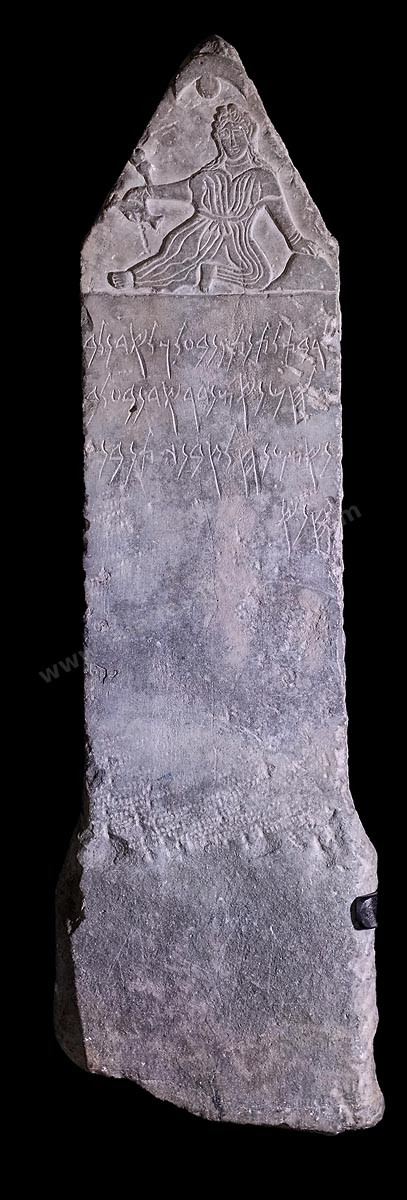
Punic Hall. Bardo National Museum
XT501406 · 2024
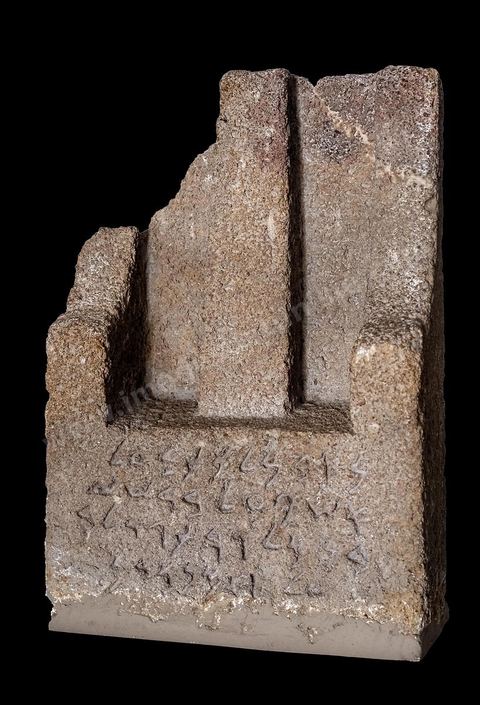
Punic Hall. Bardo National Museum
XT501335 · 2024
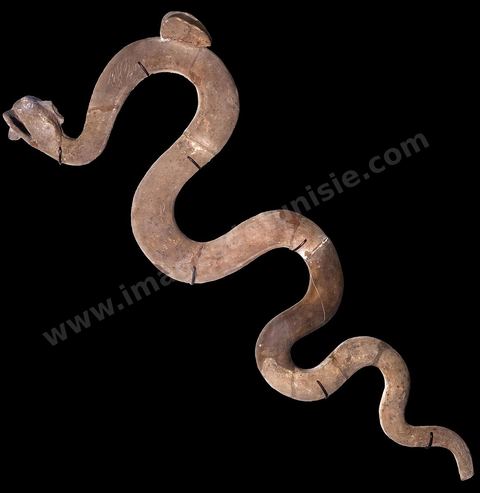
Python. Punic Hall. Bardo National Museum
XT501306 · 2024
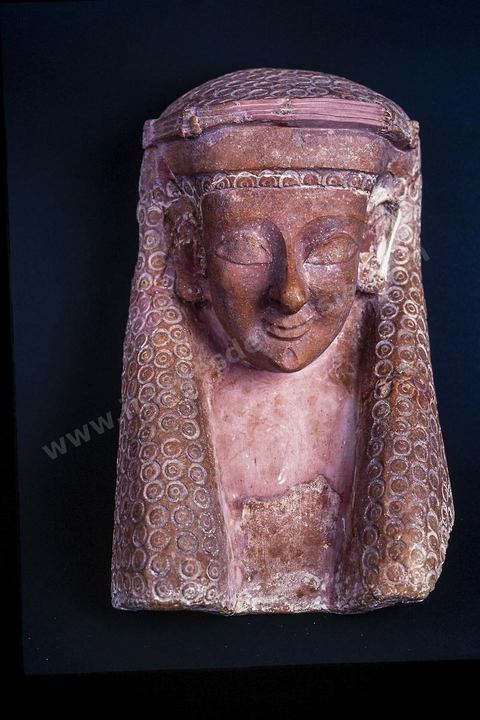
_DSF3824
_DSF3824 · 2021
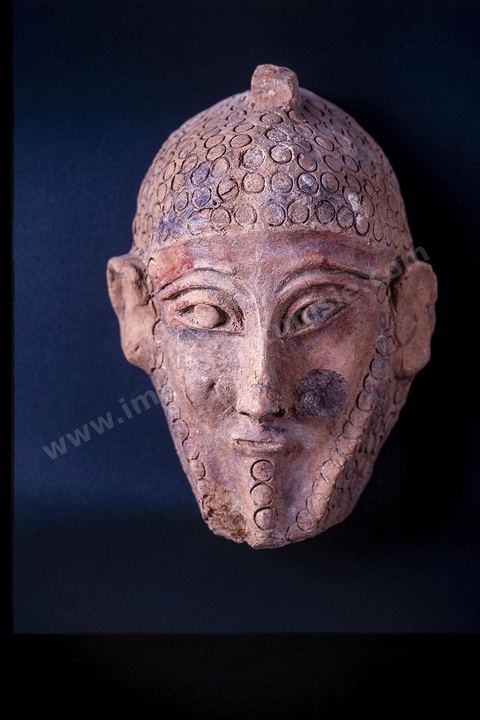
_DSF3819
_DSF3819 · 2021
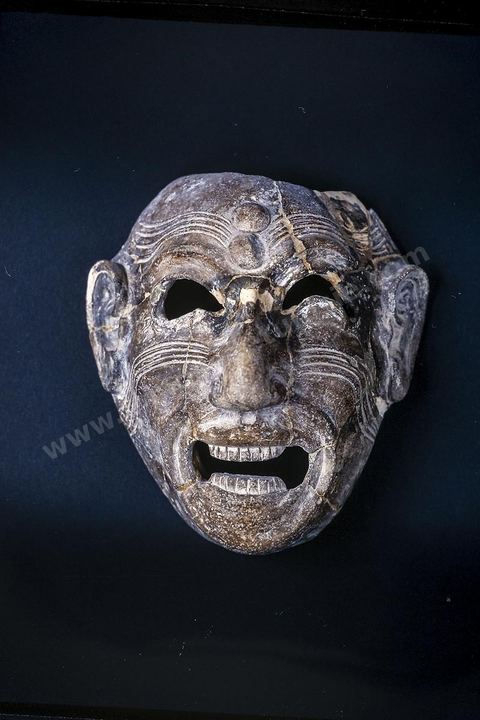
_DSF3814
_DSF3814 · 2021
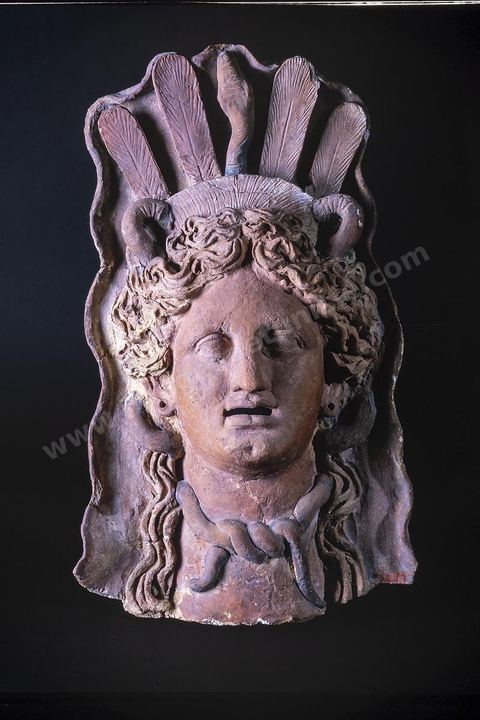
_DSF3809
_DSF3809 · 2021
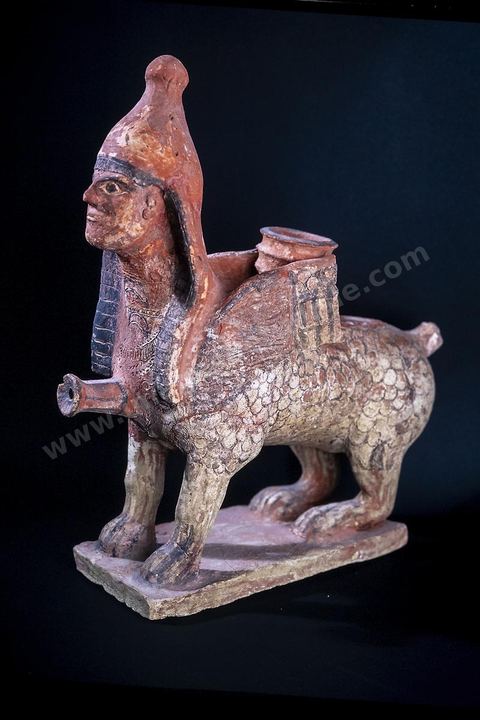
_DSF3804
_DSF3804 · 2021
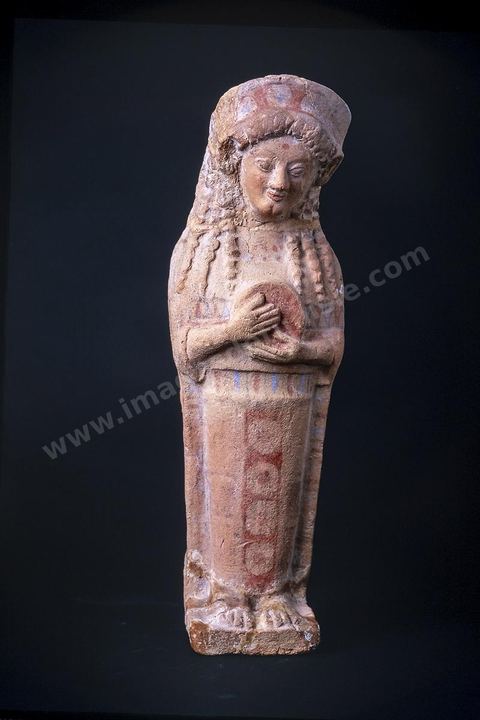
_DSF3794
_DSF3794 · 2021
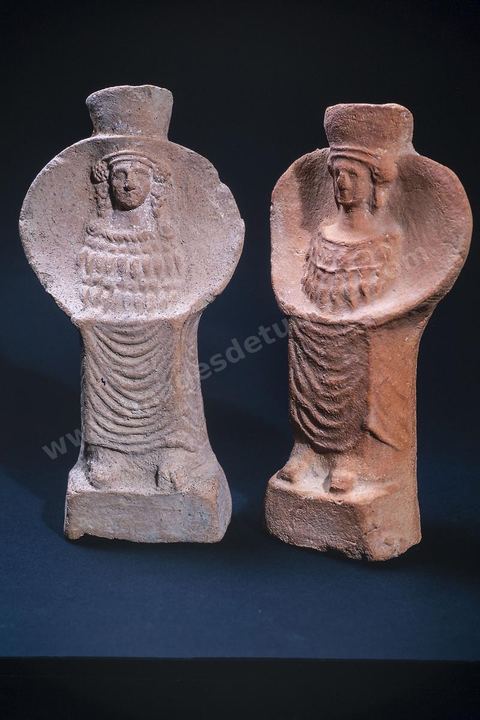
_DSF3789
_DSF3789 · 2021
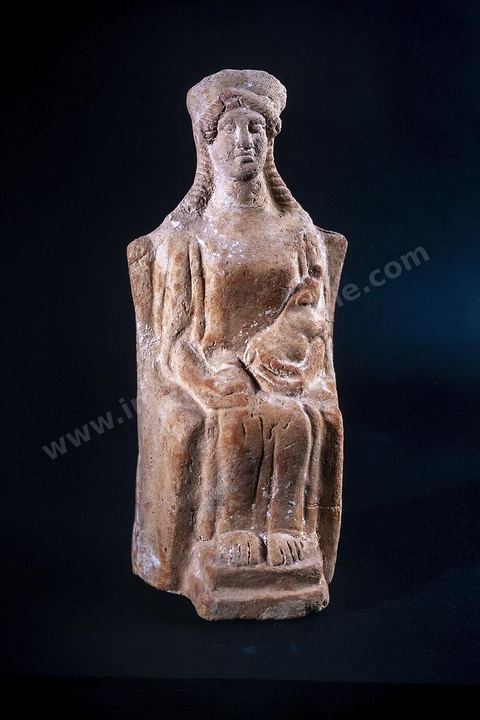
_DSF3784
_DSF3784 · 2021
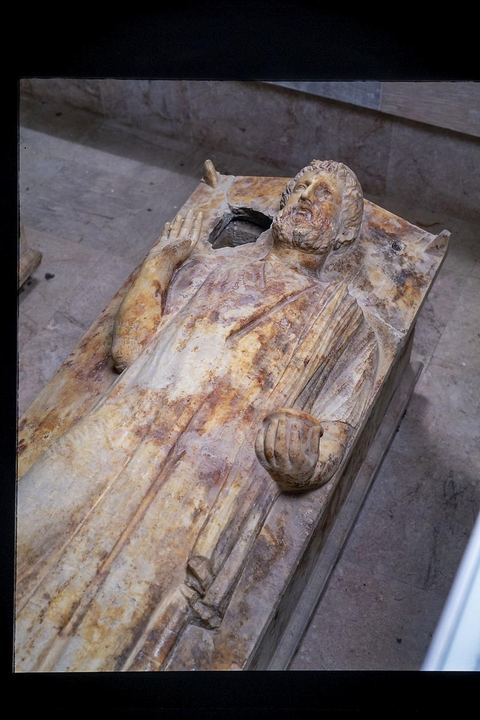
_DSF3779
_DSF3779 · 2021
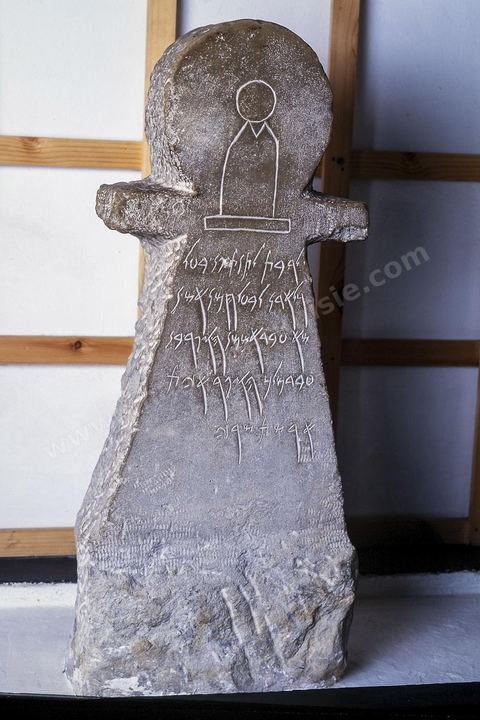
_DSF3774
_DSF3774 · 2021
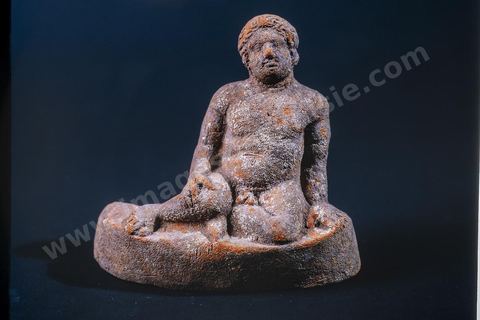
_DSF3769
_DSF3769 · 2021
_DSF3764
_DSF3764 · 2021
_DSF3754
_DSF3754 · 2021
_DSF3749
_DSF3749 · 2021
_DSF3744
_DSF3744 · 2021
_DSF3739
_DSF3739 · 2021
_DSF3734
_DSF3734 · 2021
_DSF3729
_DSF3729 · 2021
_DSF3724
_DSF3724 · 2021
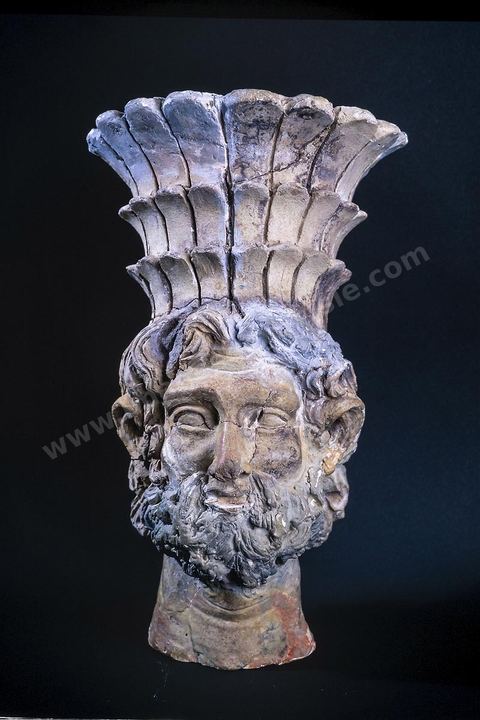
_DSF3719
_DSF3719 · 2021
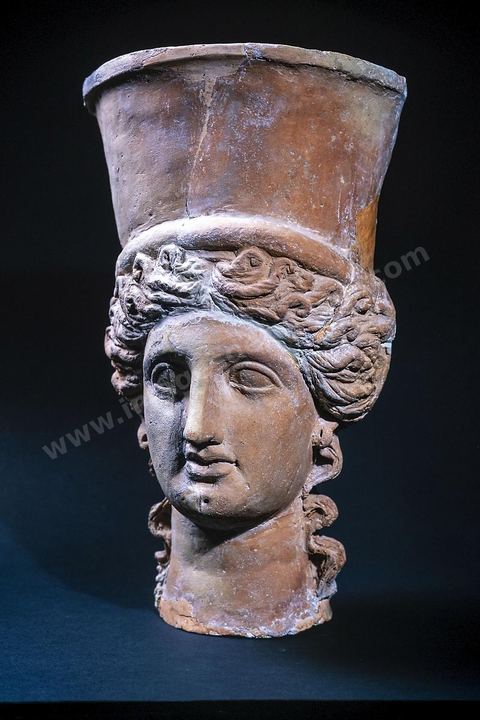
_DSF3714
_DSF3714 · 2021
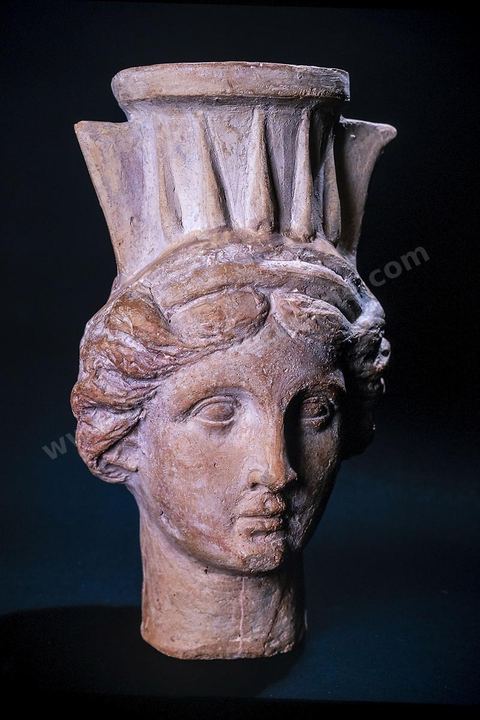
_DSF3709
_DSF3709 · 2021
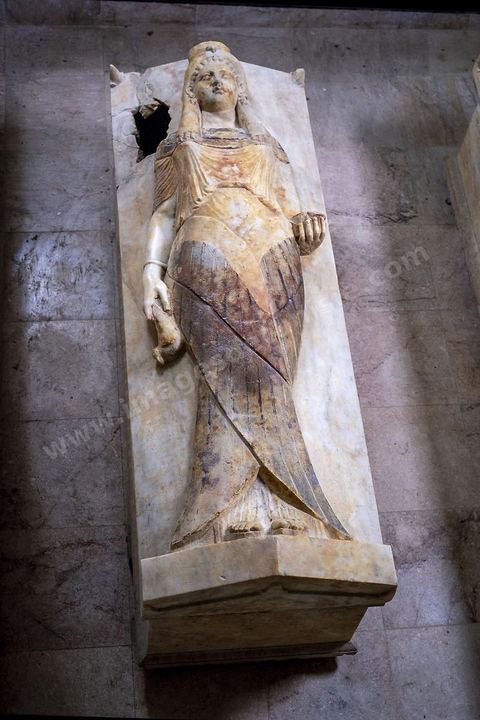
_DSF3702
_DSF3702 · 2021
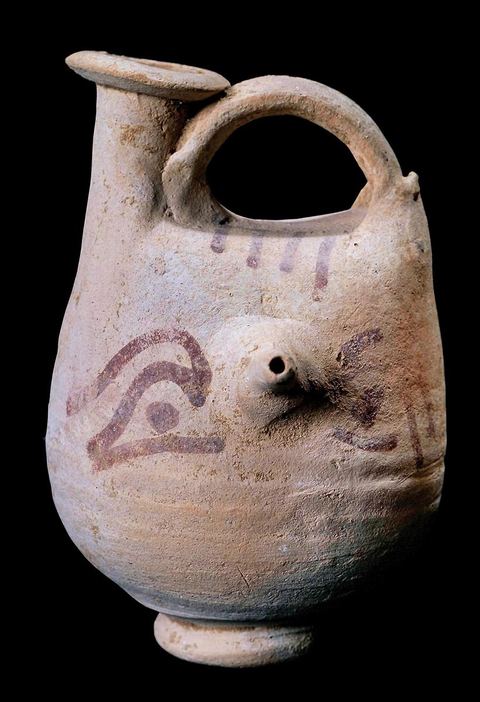
Punic terracotta bottle-shaped vase decorated with a painted human mask in which the nose serves as a nipple: the shape and decoration serve as a charm to ward off evil and are believed to protect the child from harm (H.‑11‑cm, Punic necropolis of Carthage, 3rd century B.C., Bardo Museum). Punic section—Bardo Museum
A14-45_01 · 2021
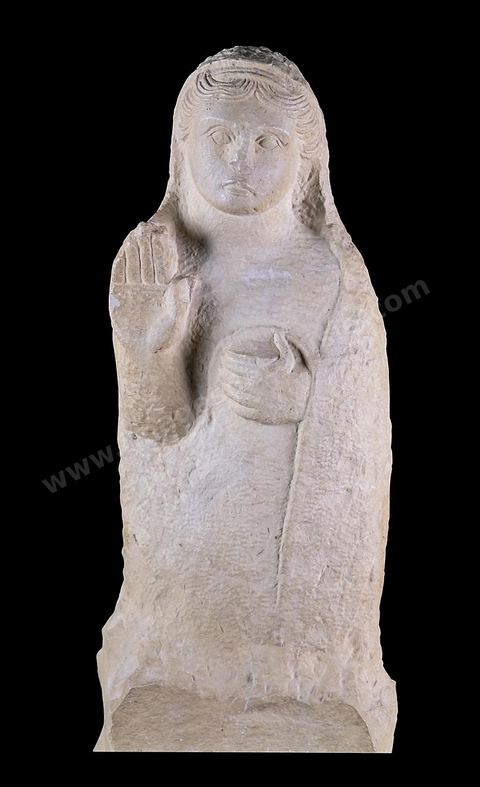
A funerary stele in the form of a statue depicting a female figure standing on a pedestal. A veil draped over the back of her head envelops almost her entire body; the carefully rendered hair suggests an Archaic Greek influence. Her right hand is raised in prayer, while her left holds a pyxis. This stele was erected above the burial shaft of a tomb in Carthage (H. 73.5 cm, Borj Jedid Necropolis, Carthage, 4th–3rd centuries B.C., Bardo Museum). Punic section—Bardo Museum
A14-48_01 · 2021
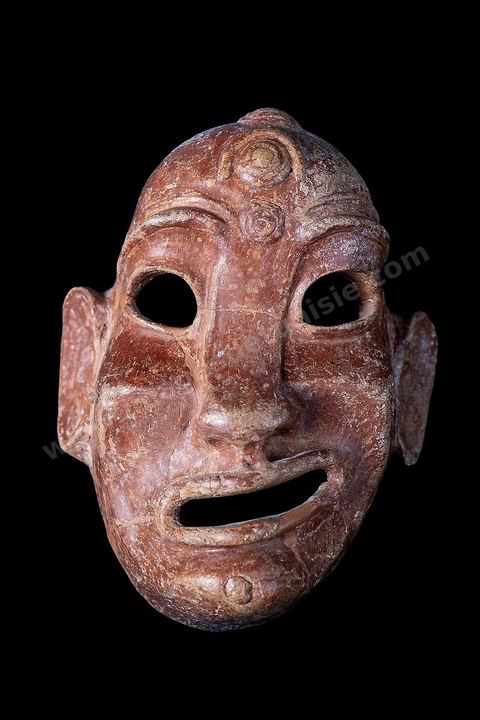
Masque en terre cuite négroïde au visage déformé par un rictus. Le front porte en relief le croissant lunaire et un disque, les oreilles sont ornées d’anneaux en terre cuite (H. 20‑cm, nécropole de Douimès, Carthage, fin du VIIe-début du VIe‑siècle av.‑J.-C., musée du Bardo). Section punique - musée du Bardo
A14-20_02 · 2021
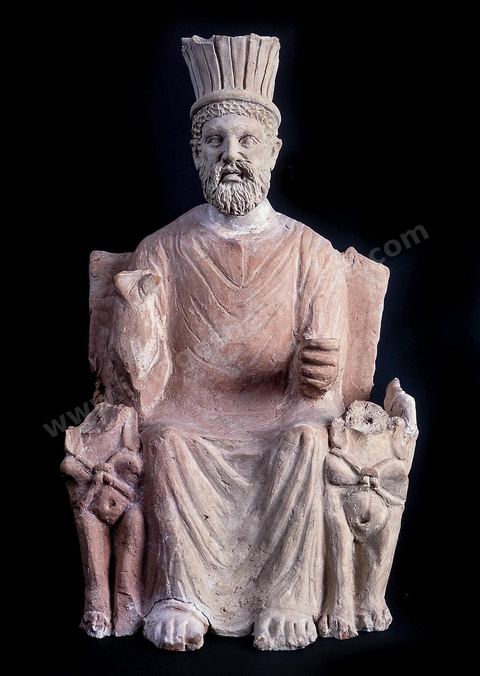
Statuette en terre cuite de Baal Hammon . Assis sur un trône dont les accoudoirs sont des sphinx, vêtu d’une longue tunique orientale et coiffé d’une tiare à plumes d’origine mésopotamienne, le dieu dégage une impression de gravité et de sérénité. Sa main droite est levée en signe de bénédiction (H.‑40‑cm, sanctuaire de Thinissut, ier‑ou‑iie‑siècle ap.‑J.-C., musée du Bardo). section punique - musée du Bardo
A14-15_02 · 2021
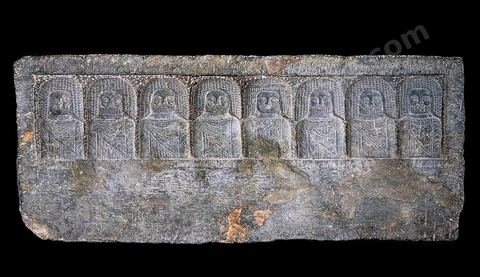
bas relief des huit divinites libyques, musee du bardo, Chemtou
B10-65_02 · 2021
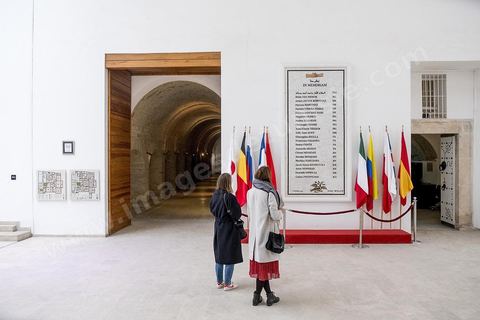
December 28, 2018, at 12:57 p.m.
DSCF0908 · 2017
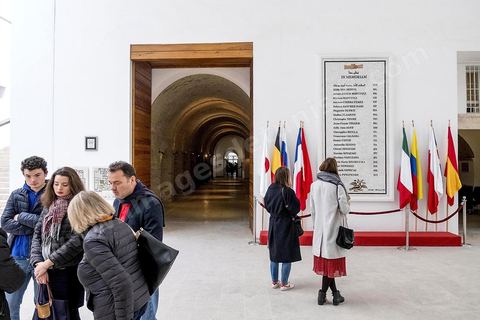
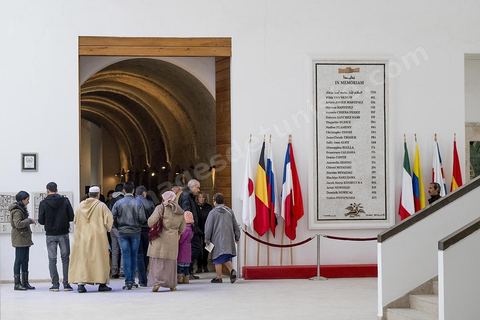
December 28, 2018, at 12:57 p.m.: In the all-white lobby of the Bardo Museum, the memorial to the March 18, 2015, attack serves as a reminder of the day when 22 foreign tourists lost their lives at this iconic Tunisian cultural landmark. It has become a must-see stop for today’s tourists, whether for a photo or a moment of reflection.
DSCF0906 · 2017
28 décembre 2018 à 12h54
DSCF0867 · 2017
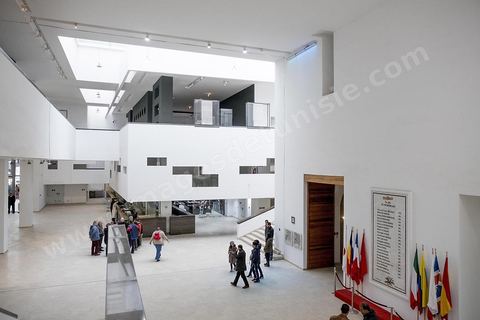
December 28, 2018, at 12:50 p.m.
DSCF0859 · 2017
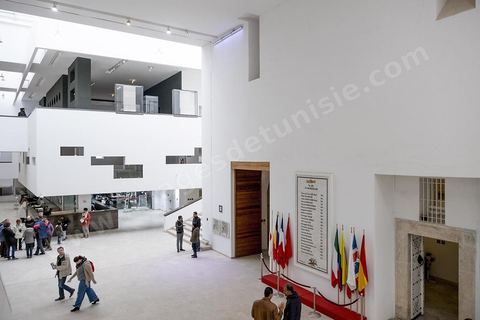
December 28, 2018, at 12:50 p.m.
DSCF0854 · 2017
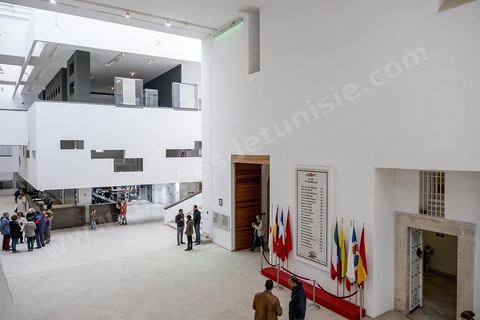
December 28, 2018, at 12:50 p.m.
DSCF0848 · 2017
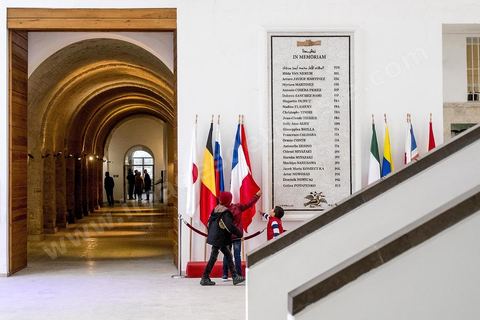
December 28, 2018, at 12:48 p.m.: In the all-white lobby of the Bardo Museum, the memorial to the March 18, 2015, attack serves as a reminder of the day when 22 foreign tourists lost their lives at this iconic Tunisian cultural landmark. It has become a must-see stop for today’s tourists, whether to take a photo or to observe a moment of silence.
DSCF0840 · 2017
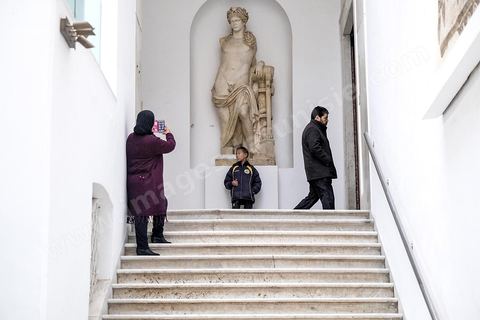
December 28, 2018, at 12:30 p.m.: On the palace’s grand staircase, the statue of Apollo welcomes visitors to the Bardo Museum. The small bullet hole in the white wall to the left of the statue serves as a reminder of the attack on March 18, 2015. Few works of art were damaged or affected by the attack, such as this large statue of Apollo.
DSCF0757 · 2017
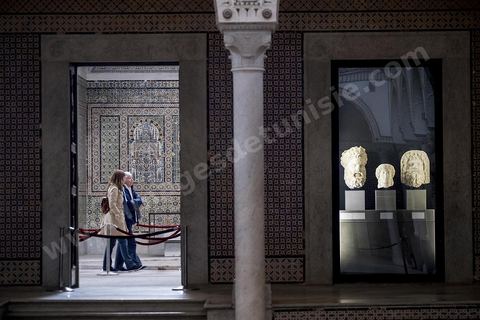
28 décembre 2018 à 12h26
DSCF0731 · 2017
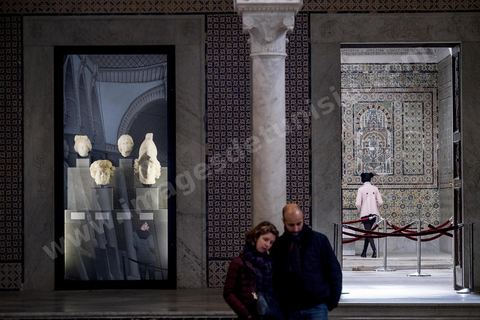
28 décembre 2018 à 12h26
DSCF0728 · 2017
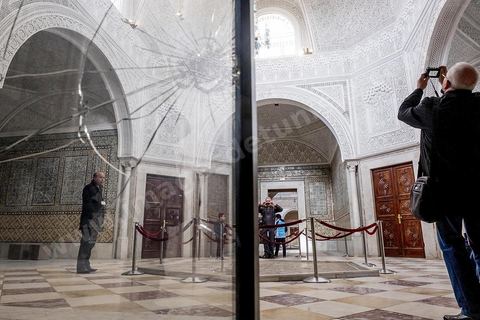
28 décembre 2018 à 12h18
DSCF0703 · 2017
28 décembre 2018 à 12h17
DSCF0694 · 2017
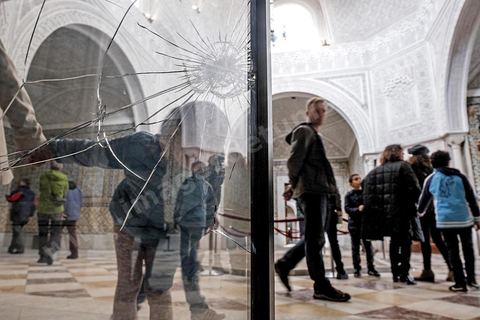
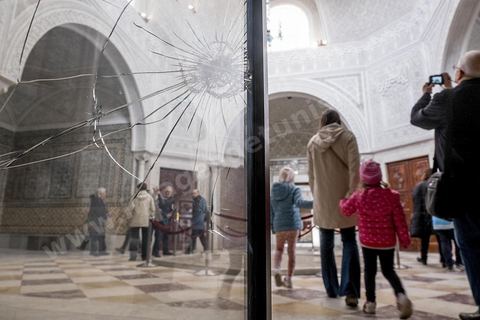
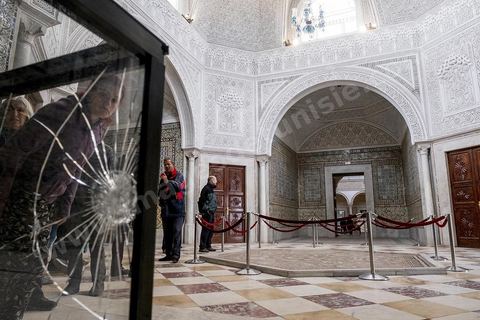
December 28, 2018, at 12:17 p.m.: In the Virgile Room, a former chamber of the Bey’s palace, the opulence of the stuccoed dome and wall ceramics coexists with bullet holes in the display cases and walls. Management decided to preserve these bullet holes so that the terrible attack of March 18, 2015—which claimed 22 lives—would not be forgotten; today, they have become a tourist attraction.
DSCF0678 · 2017
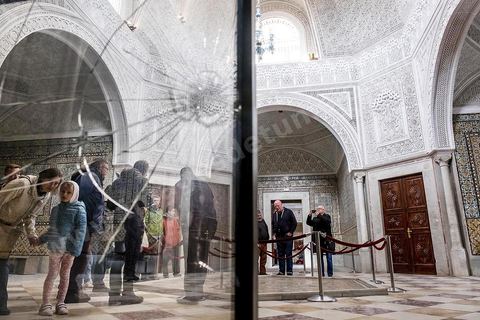
December 28, 2018, at 12:15 p.m.: In the Virgile Room, a former bedroom in the Bey’s Palace, the opulence of the stuccoed dome and the ceramic wall tiles coexists with bullet holes in the display cases and walls. Management decided to preserve these bullet holes so that the terrible attack of March 18, 2015—which claimed 22 lives—would not be forgotten; today, they serve as a tourist attraction.
DSCF0662 · 2017
December 28, 2018, at 12:12 p.m.
DSCF0630 · 2017
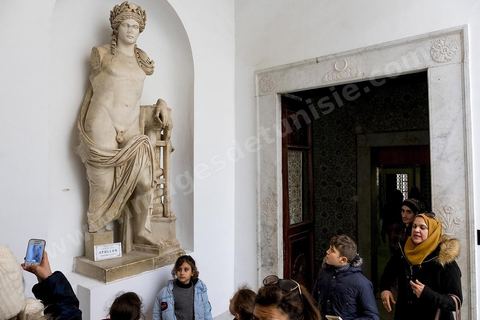
December 28, 2018, at 11:45 a.m.
DSCF0523 · 2017
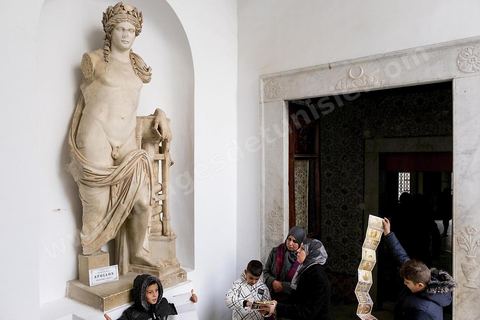
December 28, 2018, at 11:45 a.m.: On the palace’s grand staircase, the statue of Apollo welcomes visitors to the Bardo Museum. The small bullet hole in the white wall to the left of the statue serves as a reminder of the attack on March 18, 2015. Few works of art were damaged or affected by the attack, such as this large statue of Apollo.
DSCF0495 · 2017