M36-300 Medenine Refugee Reception Center, June 5, 2017
1–50 of 58 · page 1/2
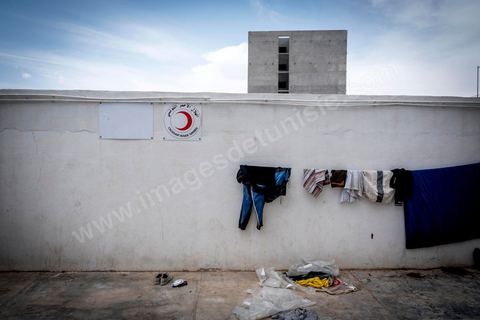
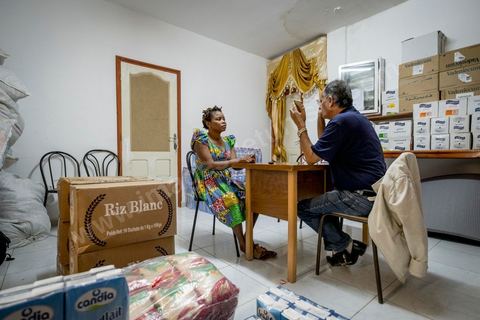
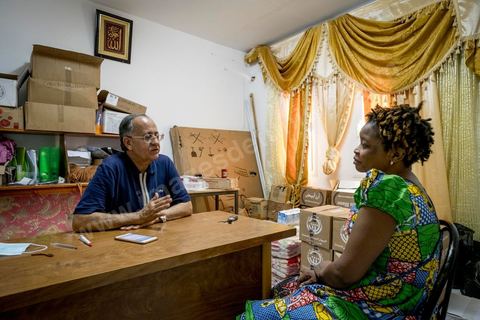
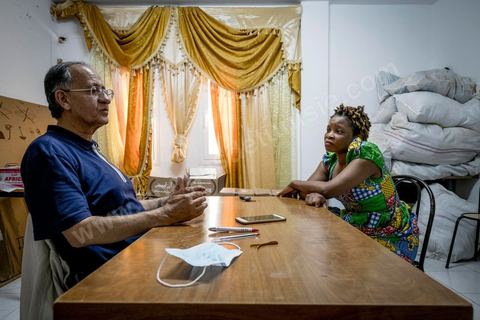
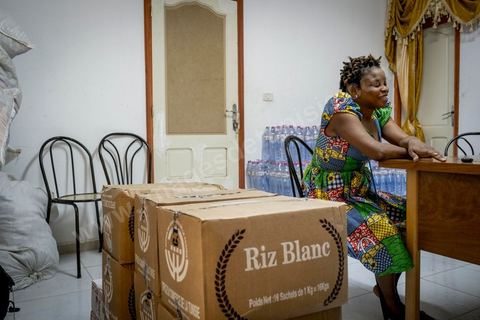
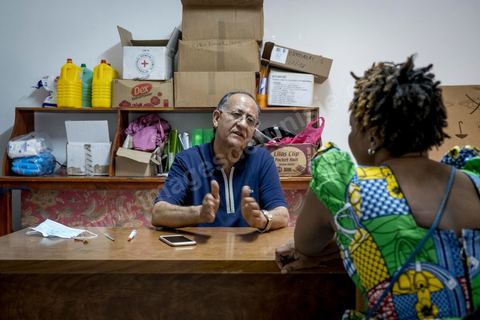
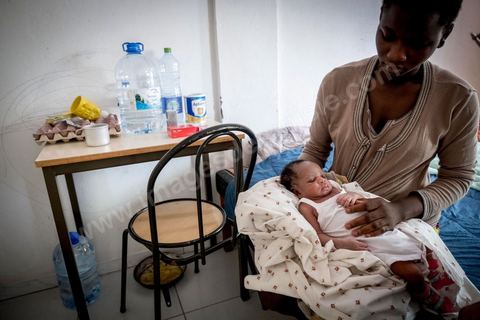
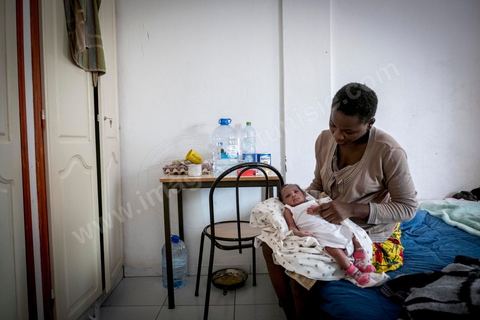
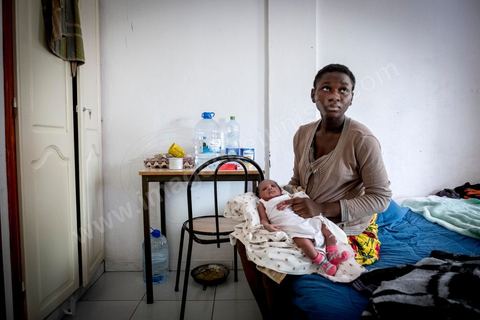
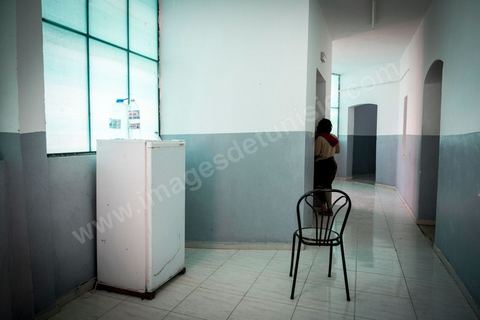
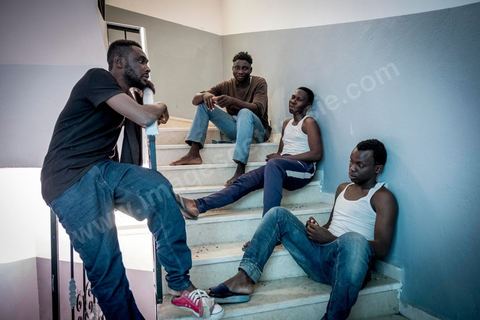
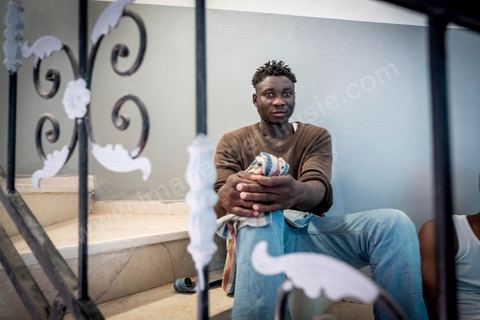
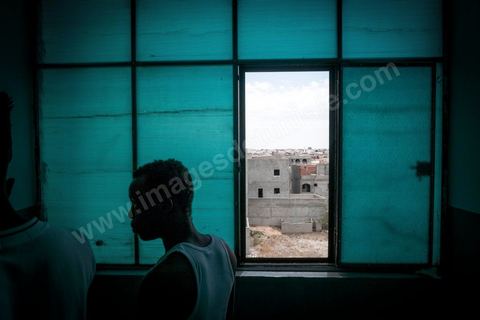
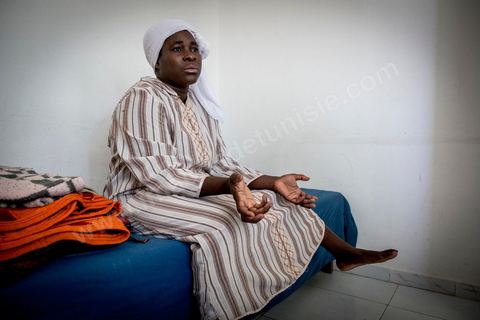
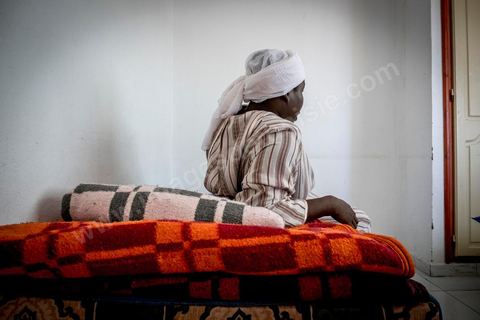
June 10, 2017: At the reception center for African migrants in Medenine, in southern Tunisia, more than 250 refugees have found shelter and rest here after long, dangerous, and exhausting journeys. Coming from Côte d’Ivoire, Burkina Faso, Mali, Sierra Leone, and other countries—dozens of nationalities from sub-Saharan Africa—they have reached the Tunisian coast on their journey toward a better future. Welcomed by volunteers from the Tunisian Red Crescent under the leadership of Dr. Mongi Slim, the teams in Medenine work tirelessly every day to provide quality care and a place for rest and reflection, despite limited resources. Each of these migrants has endured an ordeal—often a long and terrible story—including exposure to Libya’s networks of slavery and human exploitation. Newborns, children, women—many of whom are pregnant—and men find one of their very first moments of respite in this university dormitory.
M36-300 · 2017
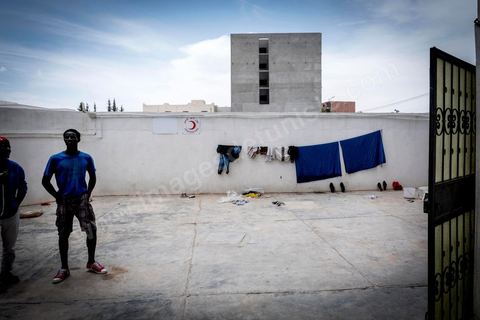
June 10, 2017: At the reception center for African migrants in Medenine, in southern Tunisia, more than 250 refugees have found shelter and rest here after long, dangerous, and exhausting journeys. Coming from Côte d’Ivoire, Burkina Faso, Mali, Sierra Leone, and other countries—dozens of nationalities from sub-Saharan Africa—they have reached the Tunisian coast on their journey toward a better future. Welcomed by volunteers from the Tunisian Red Crescent under the leadership of Dr. Mongi Slim, the teams in Medenine work tirelessly every day to provide quality care and a place for rest and reflection, despite limited resources. Each of these migrants has endured an ordeal—often a long and terrible story—including exposure to Libya’s networks of slavery and human exploitation. Newborns, children, women—many of whom are pregnant—and men find one of their very first moments of respite in this university dormitory.
M36-301 · 2017
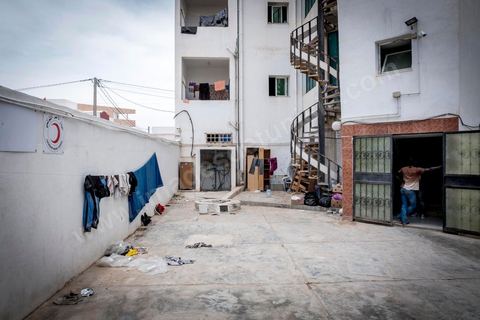
June 10, 2017: At the reception center for African migrants in Medenine, in southern Tunisia, more than 250 refugees have found shelter and rest here after long, dangerous, and exhausting journeys. Coming from Côte d’Ivoire, Burkina Faso, Mali, Sierra Leone, and other countries—dozens of nationalities from sub-Saharan Africa—they have reached the Tunisian coast on their journey toward a better future. Welcomed by volunteers from the Tunisian Red Crescent under the leadership of Dr. Mongi Slim, the teams in Medenine work tirelessly every day to provide quality care and a place for rest and reflection, despite limited resources. Each of these migrants has endured an ordeal—often a long and terrible story—including exposure to Libya’s networks of slavery and human exploitation. Newborns, children, women—many of whom are pregnant—and men find one of their very first moments of respite in this university dormitory.
M36-302 · 2017
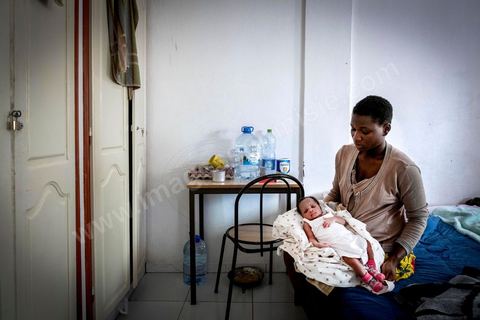
June 10, 2017: At the reception center for African migrants in Medenine, in southern Tunisia, more than 250 refugees have found shelter and rest here after long, dangerous, and exhausting journeys. Coming from Côte d’Ivoire, Burkina Faso, Mali, Sierra Leone, and other countries—dozens of nationalities from sub-Saharan Africa—they have reached the Tunisian coast on their journey toward a better future. Welcomed by volunteers from the Tunisian Red Crescent under the leadership of Dr. Mongi Slim, the teams in Medenine work tirelessly every day to provide quality care and a place for rest and reflection, despite limited resources. Each of these migrants has endured an ordeal—often a long and terrible story—including exposure to Libya’s networks of slavery and human exploitation. Newborns, children, women—many of whom are pregnant—and men find one of their very first moments of respite in this university dormitory.
M36-303 · 2017
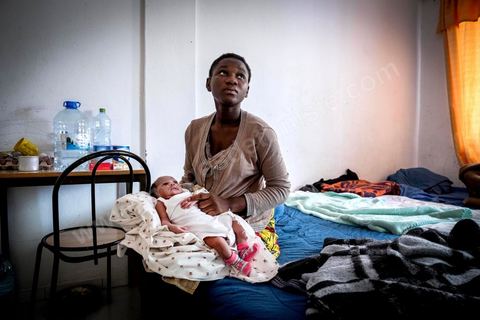
June 10, 2017: At the reception center for African migrants in Medenine, in southern Tunisia, more than 250 refugees have found shelter and rest here after long, dangerous, and exhausting journeys. Coming from Côte d’Ivoire, Burkina Faso, Mali, Sierra Leone, and other countries—dozens of nationalities from sub-Saharan Africa—they have reached the Tunisian coast on their journey toward a better future. Welcomed by volunteers from the Tunisian Red Crescent under the leadership of Dr. Mongi Slim, the teams in Medenine work tirelessly every day to provide quality care and a place for rest and reflection, despite limited resources. Each of these migrants has endured an ordeal—often a long and terrible story—including exposure to Libya’s networks of slavery and human exploitation. Newborns, children, women—many of whom are pregnant—and men find one of their very first moments of respite in this university dormitory.
M36-304 · 2017
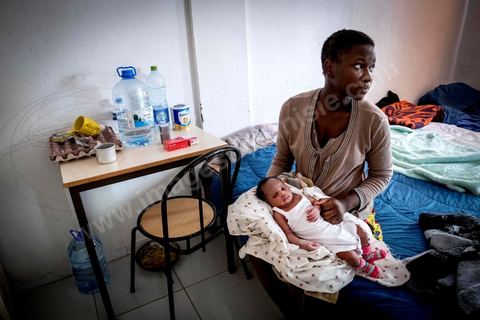
June 10, 2017: At the reception center for African migrants in Medenine, in southern Tunisia, more than 250 refugees have found shelter and rest here after long, dangerous, and exhausting journeys. Coming from Côte d’Ivoire, Burkina Faso, Mali, Sierra Leone, and other countries—dozens of nationalities from sub-Saharan Africa—they have reached the Tunisian coast on their journey toward a better future. Welcomed by volunteers from the Tunisian Red Crescent under the leadership of Dr. Mongi Slim, the teams in Medenine work tirelessly every day to provide quality care and a place for rest and reflection, despite limited resources. Each of these migrants has endured an ordeal—often a long and terrible story—including exposure to Libya’s networks of slavery and human exploitation. Newborns, children, women—many of whom are pregnant—and men find one of their very first moments of respite in this university dormitory.
M36-305 · 2017
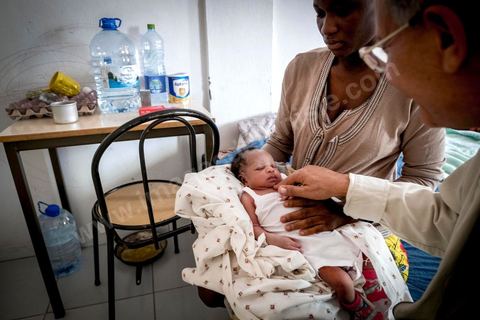
June 10, 2017: At the reception center for African migrants in Medenine, in southern Tunisia, more than 250 refugees have found shelter and rest here after long, dangerous, and exhausting journeys. Coming from Côte d’Ivoire, Burkina Faso, Mali, Sierra Leone, and other countries—dozens of nationalities from sub-Saharan Africa—they have reached the Tunisian coast on their journey toward a better future. Welcomed by volunteers from the Tunisian Red Crescent under the leadership of Dr. Mongi Slim, the teams in Medenine work tirelessly every day to provide quality care and a place for rest and reflection, despite limited resources. Each of these migrants has endured an ordeal—often a long and terrible story—including exposure to Libya’s networks of slavery and human exploitation. Newborns, children, women—many of whom are pregnant—and men find one of their very first moments of respite in this university dormitory.
M36-306 · 2017
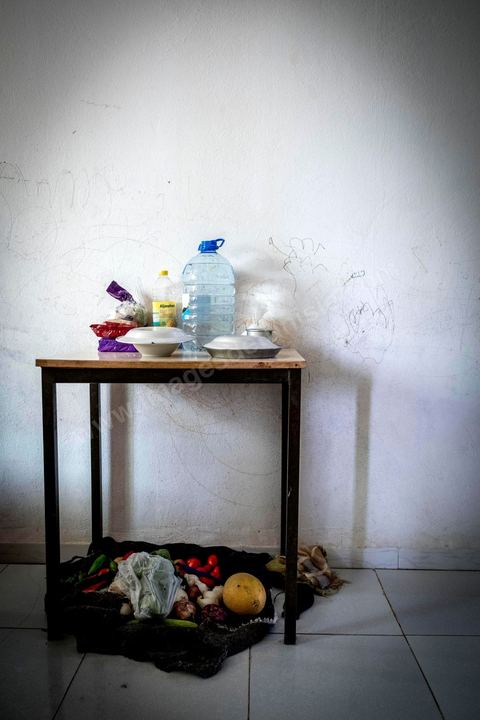
June 10, 2017: At the reception center for African migrants in Medenine, in southern Tunisia, more than 250 refugees have found shelter and rest here after long, dangerous, and exhausting journeys. Coming from Côte d’Ivoire, Burkina Faso, Mali, Sierra Leone, and other countries—dozens of nationalities from sub-Saharan Africa—they have reached the Tunisian coast on their journey toward a better future. Welcomed by volunteers from the Tunisian Red Crescent under the leadership of Dr. Mongi Slim, the teams in Medenine work tirelessly every day to provide quality care and a place for rest and reflection, despite limited resources. Each of these migrants has endured an ordeal—often a long and terrible story—including exposure to Libya’s networks of slavery and human exploitation. Newborns, children, women—many of whom are pregnant—and men find one of their very first moments of respite in this university dormitory.
M36-307 · 2017
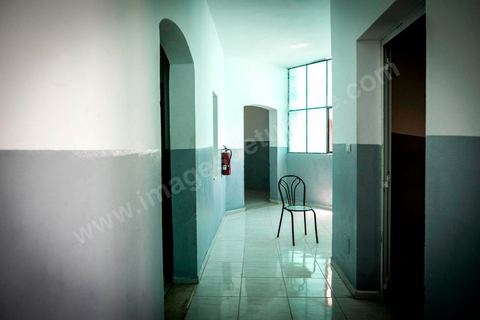
June 10, 2017: At the reception center for African migrants in Medenine, in southern Tunisia, more than 250 refugees have found shelter and rest here after long, dangerous, and exhausting journeys. Coming from Côte d’Ivoire, Burkina Faso, Mali, Sierra Leone, and other countries—dozens of nationalities from sub-Saharan Africa—they have reached the Tunisian coast on their journey toward a better future. Welcomed by volunteers from the Tunisian Red Crescent under the leadership of Dr. Mongi Slim, the teams in Medenine work tirelessly every day to provide quality care and a place for rest and reflection, despite limited resources. Each of these migrants has endured an ordeal—often a long and terrible story—including exposure to Libya’s networks of slavery and human exploitation. Newborns, children, women—many of whom are pregnant—and men find one of their very first moments of respite in this university dormitory.
M36-308 · 2017
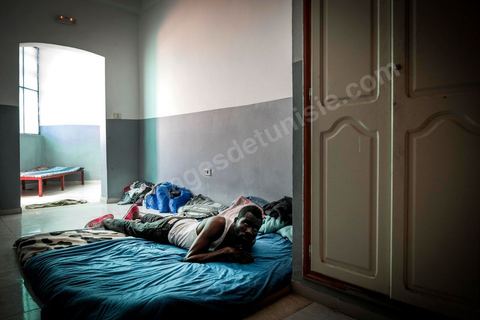
June 10, 2017: At the reception center for African migrants in Medenine, in southern Tunisia, more than 250 refugees have found shelter and rest here after long, dangerous, and exhausting journeys. Coming from Côte d’Ivoire, Burkina Faso, Mali, Sierra Leone, and other countries—dozens of nationalities from sub-Saharan Africa—they have reached the Tunisian coast on their journey toward a better future. Welcomed by volunteers from the Tunisian Red Crescent under the leadership of Dr. Mongi Slim, the teams in Medenine work tirelessly every day to provide quality care and a place for rest and reflection, despite limited resources. Each of these migrants has endured an ordeal—often a long and terrible story—including exposure to Libya’s networks of slavery and human exploitation. Newborns, children, women—many of whom are pregnant—and men find one of their very first moments of respite in this university dormitory.
M36-309 · 2017
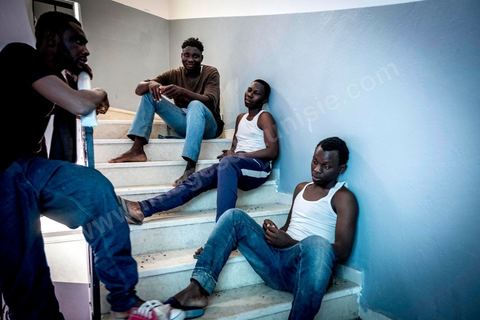
June 10, 2017: At the reception center for African migrants in Medenine, in southern Tunisia, more than 250 refugees have found shelter and rest here after long, dangerous, and exhausting journeys. Coming from Côte d’Ivoire, Burkina Faso, Mali, Sierra Leone, and other countries—dozens of nationalities from sub-Saharan Africa—they have reached the Tunisian coast on their journey toward a better future. Welcomed by volunteers from the Tunisian Red Crescent under the leadership of Dr. Mongi Slim, the teams in Medenine work tirelessly every day to provide quality care and a place for rest and reflection, despite limited resources. Each of these migrants has endured an ordeal—often a long and terrible story—including exposure to Libya’s networks of slavery and human exploitation. Newborns, children, women—many of whom are pregnant—and men find one of their very first moments of respite in this university dormitory.
M36-310 · 2017
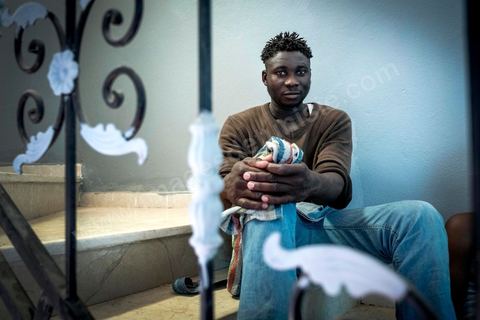
June 10, 2017: At the reception center for African migrants in Medenine, in southern Tunisia, more than 250 refugees have found shelter and rest here after long, dangerous, and exhausting journeys. Coming from Côte d’Ivoire, Burkina Faso, Mali, Sierra Leone, and other countries—dozens of nationalities from sub-Saharan Africa—they have reached the Tunisian coast on their journey toward a better future. Welcomed by volunteers from the Tunisian Red Crescent under the leadership of Dr. Mongi Slim, the teams in Medenine work tirelessly every day to provide quality care and a place for rest and reflection, despite limited resources. Each of these migrants has endured an ordeal—often a long and terrible story—including exposure to Libya’s networks of slavery and human exploitation. Newborns, children, women—many of whom are pregnant—and men find one of their very first moments of respite in this university dormitory.
M36-311 · 2017
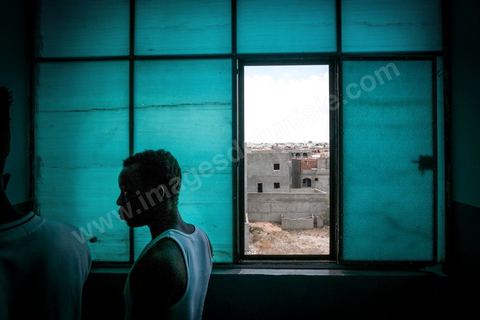
June 10, 2017: At the reception center for African migrants in Medenine, in southern Tunisia, more than 250 refugees have found shelter and rest here after long, dangerous, and exhausting journeys. Coming from Côte d’Ivoire, Burkina Faso, Mali, Sierra Leone, and other countries—dozens of nationalities from sub-Saharan Africa—they have reached the Tunisian coast on their journey toward a better future. Welcomed by volunteers from the Tunisian Red Crescent under the leadership of Dr. Mongi Slim, the teams in Medenine work tirelessly every day to provide quality care and a place for rest and reflection, despite limited resources. Each of these migrants has endured an ordeal—often a long and terrible story—including exposure to Libya’s networks of slavery and human exploitation. Newborns, children, women—many of whom are pregnant—and men find one of their very first moments of respite in this university dormitory.
M36-312 · 2017
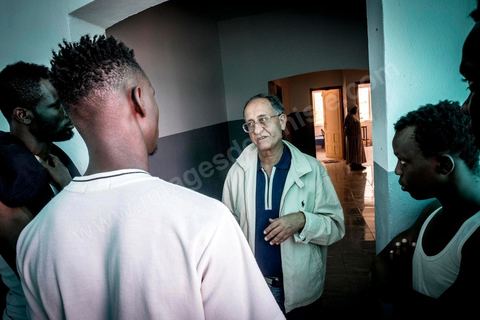
June 10, 2017: At the reception center for African migrants in Medenine, in southern Tunisia, more than 250 refugees have found shelter and rest here after long, dangerous, and exhausting journeys. Coming from Côte d’Ivoire, Burkina Faso, Mali, Sierra Leone, and other countries—dozens of nationalities from sub-Saharan Africa—they have reached the Tunisian coast on their journey toward a better future. Welcomed by volunteers from the Tunisian Red Crescent under the leadership of Dr. Mongi Slim, the teams in Medenine work tirelessly every day to provide quality care and a place for rest and reflection, despite limited resources. Each of these migrants has endured an ordeal—often a long and terrible story—including exposure to Libya’s networks of slavery and human exploitation. Newborns, children, women—many of whom are pregnant—and men find one of their very first moments of respite in this university dormitory.
M36-313 · 2017
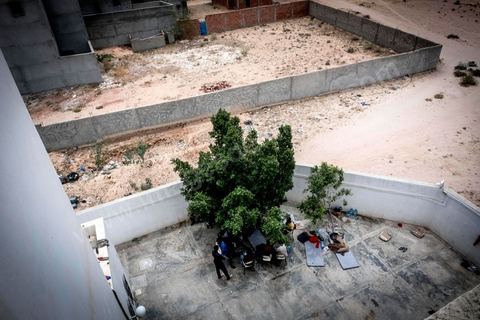
June 10, 2017: At the reception center for African migrants in Medenine, in southern Tunisia, more than 250 refugees have found shelter and rest here after long, dangerous, and exhausting journeys. Coming from Côte d’Ivoire, Burkina Faso, Mali, Sierra Leone, and other countries—dozens of nationalities from sub-Saharan Africa—they have reached the Tunisian coast on their journey toward a better future. Welcomed by volunteers from the Tunisian Red Crescent under the leadership of Dr. Mongi Slim, the teams in Medenine work tirelessly every day to provide quality care and a place for rest and reflection, despite limited resources. Each of these migrants has endured an ordeal—often a long and terrible story—including exposure to Libya’s networks of slavery and human exploitation. Newborns, children, women—many of whom are pregnant—and men find one of their very first moments of respite in this university dormitory.
M36-314 · 2017
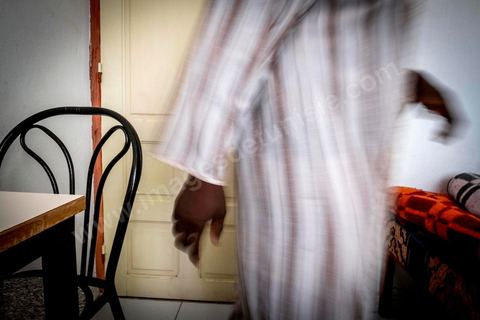
June 10, 2017: At the reception center for African migrants in Medenine, in southern Tunisia, more than 250 refugees have found shelter and rest here after long, dangerous, and exhausting journeys. Coming from Côte d’Ivoire, Burkina Faso, Mali, Sierra Leone, and other countries—dozens of nationalities from sub-Saharan Africa—they have reached the Tunisian coast on their journey toward a better future. Welcomed by volunteers from the Tunisian Red Crescent under the leadership of Dr. Mongi Slim, the teams in Medenine work tirelessly every day to provide quality care and a place for rest and reflection, despite limited resources. Each of these migrants has endured an ordeal—often a long and terrible story—including exposure to Libya’s networks of slavery and human exploitation. Newborns, children, women—many of whom are pregnant—and men find one of their very first moments of respite in this university dormitory.
M36-315 · 2017
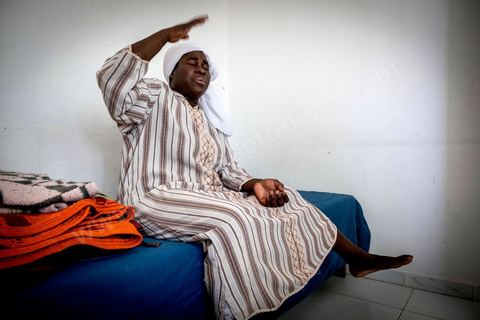
June 10, 2017: At the reception center for African migrants in Medenine, in southern Tunisia, more than 250 refugees have found shelter and rest here after long, dangerous, and exhausting journeys. Coming from Côte d’Ivoire, Burkina Faso, Mali, Sierra Leone, and other countries—dozens of nationalities from sub-Saharan Africa—they have reached the Tunisian coast on their journey toward a better future. Welcomed by volunteers from the Tunisian Red Crescent under the leadership of Dr. Mongi Slim, the teams in Medenine work tirelessly every day to provide quality care and a place for rest and reflection, despite limited resources. Each of these migrants has endured an ordeal—often a long and terrible story—including exposure to Libya’s networks of slavery and human exploitation. Newborns, children, women—many of whom are pregnant—and men find one of their very first moments of respite in this university dormitory.
M36-316 · 2017
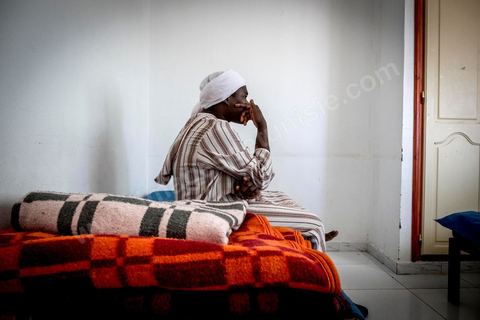
June 10, 2017: At the reception center for African migrants in Medenine, in southern Tunisia, more than 250 refugees have found shelter and rest here after long, dangerous, and exhausting journeys. Coming from Côte d’Ivoire, Burkina Faso, Mali, Sierra Leone, and other countries—dozens of nationalities from sub-Saharan Africa—they have reached the Tunisian coast on their journey toward a better future. Welcomed by volunteers from the Tunisian Red Crescent under the leadership of Dr. Mongi Slim, the teams in Medenine work tirelessly every day to provide quality care and a place for rest and reflection, despite limited resources. Each of these migrants has endured an ordeal—often a long and terrible story—including exposure to Libya’s networks of slavery and human exploitation. Newborns, children, women—many of whom are pregnant—and men find one of their very first moments of respite in this university dormitory.
M36-317 · 2017
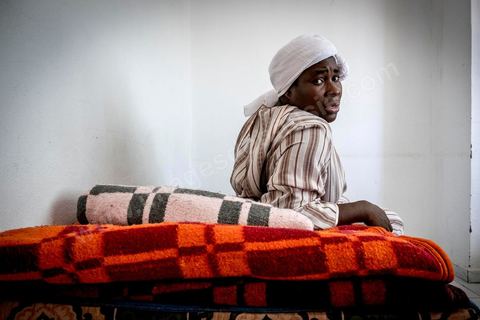
June 10, 2017: At the reception center for African migrants in Medenine, in southern Tunisia, more than 250 refugees have found shelter and rest here after long, dangerous, and exhausting journeys. Coming from Côte d’Ivoire, Burkina Faso, Mali, Sierra Leone, and other countries—dozens of nationalities from sub-Saharan Africa—they have reached the Tunisian coast on their journey toward a better future. Welcomed by volunteers from the Tunisian Red Crescent under the leadership of Dr. Mongi Slim, the teams in Medenine work tirelessly every day to provide quality care and a place for rest and reflection, despite limited resources. Each of these migrants has endured an ordeal—often a long and terrible story—including exposure to Libya’s networks of slavery and human exploitation. Newborns, children, women—many of whom are pregnant—and men find one of their very first moments of respite in this university dormitory.
M36-318 · 2017
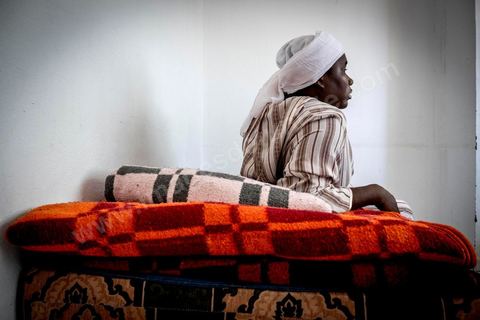
June 10, 2017: At the reception center for African migrants in Medenine, in southern Tunisia, more than 250 refugees have found shelter and rest here after long, dangerous, and exhausting journeys. Coming from Côte d’Ivoire, Burkina Faso, Mali, Sierra Leone, and other countries—dozens of nationalities from sub-Saharan Africa—they have reached the Tunisian coast on their journey toward a better future. Welcomed by volunteers from the Tunisian Red Crescent under the leadership of Dr. Mongi Slim, the teams in Medenine work tirelessly every day to provide quality care and a place for rest and reflection, despite limited resources. Each of these migrants has endured an ordeal—often a long and terrible story—including exposure to Libya’s networks of slavery and human exploitation. Newborns, children, women—many of whom are pregnant—and men find one of their very first moments of respite in this university dormitory.
M36-319 · 2017
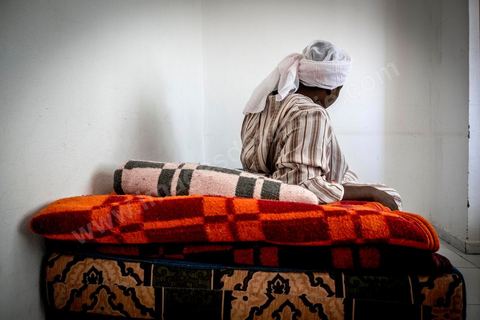
June 10, 2017: At the reception center for African migrants in Medenine, in southern Tunisia, more than 250 refugees have found shelter and rest here after long, dangerous, and exhausting journeys. Coming from Côte d’Ivoire, Burkina Faso, Mali, Sierra Leone, and other countries—dozens of nationalities from sub-Saharan Africa—they have reached the Tunisian coast on their journey toward a better future. Welcomed by volunteers from the Tunisian Red Crescent under the leadership of Dr. Mongi Slim, the teams in Medenine work tirelessly every day to provide quality care and a place for rest and reflection, despite limited resources. Each of these migrants has endured an ordeal—often a long and terrible story—including exposure to Libya’s networks of slavery and human exploitation. Newborns, children, women—many of whom are pregnant—and men find one of their very first moments of respite in this university dormitory.
M36-320 · 2017
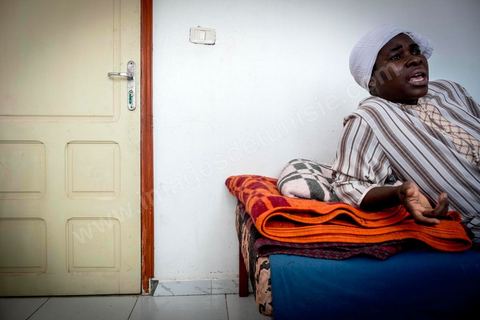
June 10, 2017: At the reception center for African migrants in Medenine, in southern Tunisia, more than 250 refugees have found shelter and rest here after long, dangerous, and exhausting journeys. Coming from Côte d’Ivoire, Burkina Faso, Mali, Sierra Leone, and other countries—dozens of nationalities from sub-Saharan Africa—they have reached the Tunisian coast on their journey toward a better future. Welcomed by volunteers from the Tunisian Red Crescent under the leadership of Dr. Mongi Slim, the teams in Medenine work tirelessly every day to provide quality care and a place for rest and reflection, despite limited resources. Each of these migrants has endured an ordeal—often a long and terrible story—including exposure to Libya’s networks of slavery and human exploitation. Newborns, children, women—many of whom are pregnant—and men find one of their very first moments of respite in this university dormitory.
M36-321 · 2017
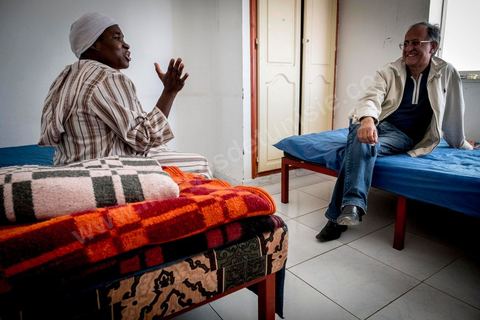
June 10, 2017: At the reception center for African migrants in Medenine, in southern Tunisia, more than 250 refugees have found shelter and rest here after long, dangerous, and exhausting journeys. Coming from Côte d’Ivoire, Burkina Faso, Mali, Sierra Leone, and other countries—dozens of nationalities from sub-Saharan Africa—they have reached the Tunisian coast on their journey toward a better future. Welcomed by volunteers from the Tunisian Red Crescent under the leadership of Dr. Mongi Slim, the teams in Medenine work tirelessly every day to provide quality care and a place for rest and reflection, despite limited resources. Each of these migrants has endured an ordeal—often a long and terrible story—including exposure to Libya’s networks of slavery and human exploitation. Newborns, children, women—many of whom are pregnant—and men find one of their very first moments of respite in this university dormitory.
M36-322 · 2017
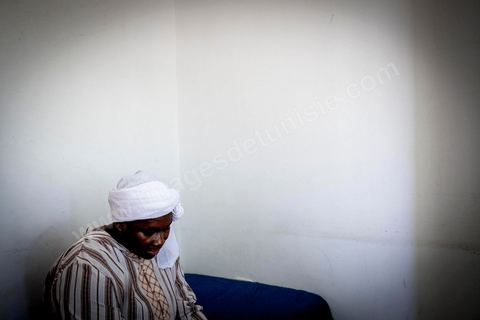
June 10, 2017: At the reception center for African migrants in Medenine, in southern Tunisia, more than 250 refugees have found shelter and rest here after long, dangerous, and exhausting journeys. Coming from Côte d’Ivoire, Burkina Faso, Mali, Sierra Leone, and other countries—dozens of nationalities from sub-Saharan Africa—they have reached the Tunisian coast on their journey toward a better future. Welcomed by volunteers from the Tunisian Red Crescent under the leadership of Dr. Mongi Slim, the teams in Medenine work tirelessly every day to provide quality care and a place for rest and reflection, despite limited resources. Each of these migrants has endured an ordeal—often a long and terrible story—including exposure to Libya’s networks of slavery and human exploitation. Newborns, children, women—many of whom are pregnant—and men find one of their very first moments of respite in this university dormitory.
M36-323 · 2017
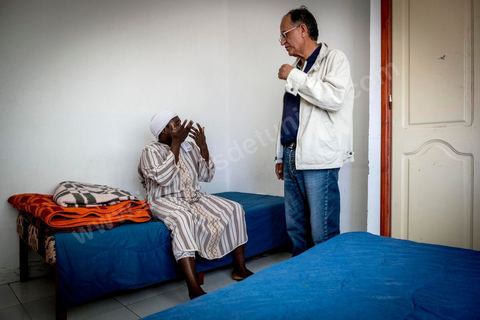
June 10, 2017: At the reception center for African migrants in Medenine, in southern Tunisia, more than 250 refugees have found shelter and rest here after long, dangerous, and exhausting journeys. Coming from Côte d’Ivoire, Burkina Faso, Mali, Sierra Leone, and other countries—dozens of nationalities from sub-Saharan Africa—they have reached the Tunisian coast on their journey toward a better future. Welcomed by volunteers from the Tunisian Red Crescent under the leadership of Dr. Mongi Slim, the teams in Medenine work tirelessly every day to provide quality care and a place for rest and reflection, despite limited resources. Each of these migrants has endured an ordeal—often a long and terrible story—including exposure to Libya’s networks of slavery and human exploitation. Newborns, children, women—many of whom are pregnant—and men find one of their very first moments of respite in this university dormitory.
M36-324 · 2017
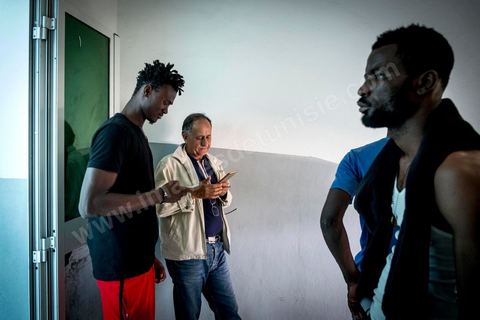
June 10, 2017: At the reception center for African migrants in Medenine, in southern Tunisia, more than 250 refugees have found shelter and rest here after long, dangerous, and exhausting journeys. Coming from Côte d’Ivoire, Burkina Faso, Mali, Sierra Leone, and other countries—dozens of nationalities from sub-Saharan Africa—they have reached the Tunisian coast on their journey toward a better future. Welcomed by volunteers from the Tunisian Red Crescent under the leadership of Dr. Mongi Slim, the teams in Medenine work tirelessly every day to provide quality care and a place for rest and reflection, despite limited resources. Each of these migrants has endured an ordeal—often a long and terrible story—including exposure to Libya’s networks of slavery and human exploitation. Newborns, children, women—many of whom are pregnant—and men find one of their very first moments of respite in this university dormitory.
M36-325 · 2017
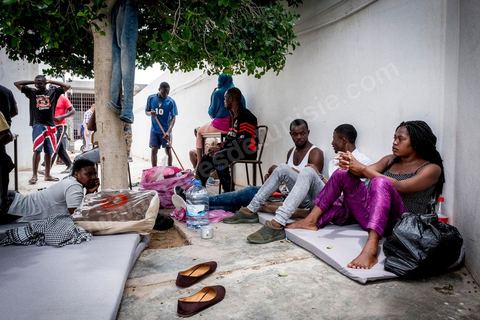
June 10, 2017: At the reception center for African migrants in Medenine, in southern Tunisia, more than 250 refugees have found shelter and rest here after long, dangerous, and exhausting journeys. Coming from Côte d’Ivoire, Burkina Faso, Mali, Sierra Leone, and other countries—dozens of nationalities from sub-Saharan Africa—they have reached the Tunisian coast on their journey toward a better future. Welcomed by volunteers from the Tunisian Red Crescent under the leadership of Dr. Mongi Slim, the teams in Medenine work tirelessly every day to provide quality care and a place for rest and reflection, despite limited resources. Each of these migrants has endured an ordeal—often a long and terrible story—including exposure to Libya’s networks of slavery and human exploitation. Newborns, children, women—many of whom are pregnant—and men find one of their very first moments of respite in this university dormitory.
M36-326 · 2017
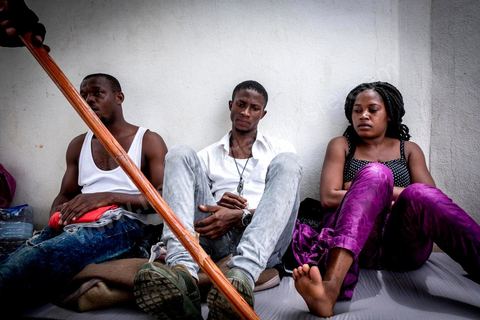
June 10, 2017: At the reception center for African migrants in Medenine, in southern Tunisia, more than 250 refugees have found shelter and rest here after long, dangerous, and exhausting journeys. Coming from Côte d’Ivoire, Burkina Faso, Mali, Sierra Leone, and other countries—dozens of nationalities from sub-Saharan Africa—they have reached the Tunisian coast on their journey toward a better future. Welcomed by volunteers from the Tunisian Red Crescent under the leadership of Dr. Mongi Slim, the teams in Medenine work tirelessly every day to provide quality care and a place for rest and reflection, despite limited resources. Each of these migrants has endured an ordeal—often a long and terrible story—including exposure to Libya’s networks of slavery and human exploitation. Newborns, children, women—many of whom are pregnant—and men find one of their very first moments of respite in this university dormitory.
M36-327 · 2017
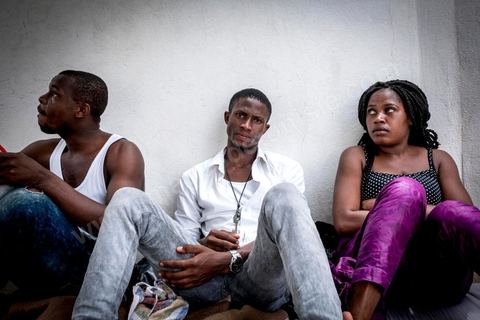
June 10, 2017: At the reception center for African migrants in Medenine, in southern Tunisia, more than 250 refugees have found shelter and rest here after long, dangerous, and exhausting journeys. Coming from Côte d’Ivoire, Burkina Faso, Mali, Sierra Leone, and other countries—dozens of nationalities from sub-Saharan Africa—they have reached the Tunisian coast on their journey toward a better future. Welcomed by volunteers from the Tunisian Red Crescent under the leadership of Dr. Mongi Slim, the teams in Medenine work tirelessly every day to provide quality care and a place for rest and reflection, despite limited resources. Each of these migrants has endured an ordeal—often a long and terrible story—including exposure to Libya’s networks of slavery and human exploitation. Newborns, children, women—many of whom are pregnant—and men find one of their very first moments of respite in this university dormitory.
M36-328 · 2017
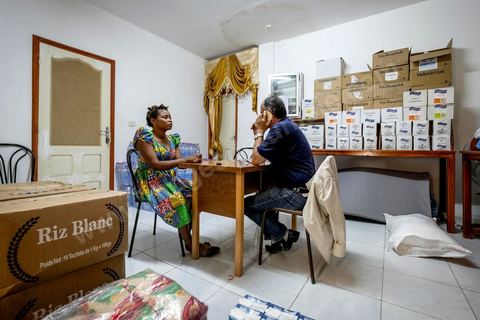
June 10, 2017: At the reception center for African migrants in Medenine, in southern Tunisia, more than 250 refugees have found shelter and rest here after long, dangerous, and exhausting journeys. Coming from Côte d’Ivoire, Burkina Faso, Mali, Sierra Leone, and other countries—dozens of nationalities from sub-Saharan Africa—they have reached the Tunisian coast on their journey toward a better future. Welcomed by volunteers from the Tunisian Red Crescent under the leadership of Dr. Mongi Slim, the teams in Medenine work tirelessly every day to provide quality care and a place for rest and reflection, despite limited resources. Each of these migrants has endured an ordeal—often a long and terrible story—including exposure to Libya’s networks of slavery and human exploitation. Newborns, children, women—many of whom are pregnant—and men find one of their very first moments of respite in this university dormitory.
M36-329 · 2017
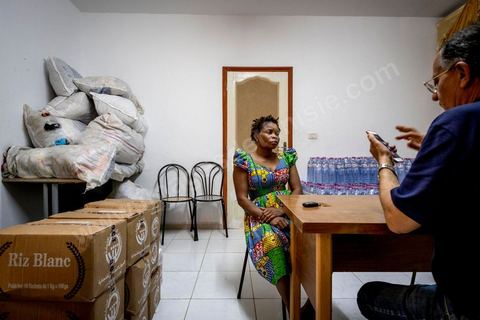
June 10, 2017: At the reception center for African migrants in Medenine, in southern Tunisia, more than 250 refugees have found shelter and rest here after long, dangerous, and exhausting journeys. Coming from Côte d’Ivoire, Burkina Faso, Mali, Sierra Leone, and other countries—dozens of nationalities from sub-Saharan Africa—they have reached the Tunisian coast on their journey toward a better future. Welcomed by volunteers from the Tunisian Red Crescent under the leadership of Dr. Mongi Slim, the teams in Medenine work tirelessly every day to provide quality care and a place for rest and reflection, despite limited resources. Each of these migrants has endured an ordeal—often a long and terrible story—including exposure to Libya’s networks of slavery and human exploitation. Newborns, children, women—many of whom are pregnant—and men find one of their very first moments of respite in this university dormitory.
M36-330 · 2017
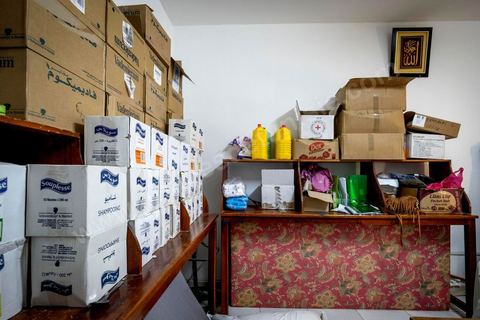
June 10, 2017: At the reception center for African migrants in Medenine, in southern Tunisia, more than 250 refugees have found shelter and rest here after long, dangerous, and exhausting journeys. Coming from Côte d’Ivoire, Burkina Faso, Mali, Sierra Leone, and other countries—dozens of nationalities from sub-Saharan Africa—they have reached the Tunisian coast on their journey toward a better future. Welcomed by volunteers from the Tunisian Red Crescent under the leadership of Dr. Mongi Slim, the teams in Medenine work tirelessly every day to provide quality care and a place for rest and reflection, despite limited resources. Each of these migrants has endured an ordeal—often a long and terrible story—including exposure to Libya’s networks of slavery and human exploitation. Newborns, children, women—many of whom are pregnant—and men find one of their very first moments of respite in this university dormitory.
M36-331 · 2017
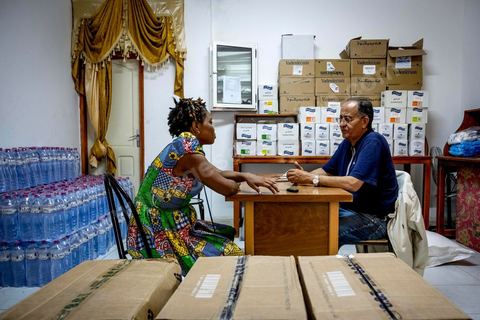
June 10, 2017: At the reception center for African migrants in Medenine, in southern Tunisia, more than 250 refugees have found shelter and rest here after long, dangerous, and exhausting journeys. Coming from Côte d’Ivoire, Burkina Faso, Mali, Sierra Leone, and other countries—dozens of nationalities from sub-Saharan Africa—they have reached the Tunisian coast on their journey toward a better future. Welcomed by volunteers from the Tunisian Red Crescent under the leadership of Dr. Mongi Slim, the teams in Medenine work tirelessly every day to provide quality care and a place for rest and reflection, despite limited resources. Each of these migrants has endured an ordeal—often a long and terrible story—including exposure to Libya’s networks of slavery and human exploitation. Newborns, children, women—many of whom are pregnant—and men find one of their very first moments of respite in this university dormitory.
M36-332 · 2017
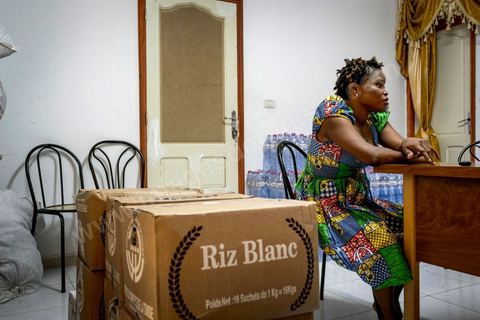
June 10, 2017: At the reception center for African migrants in Medenine, in southern Tunisia, more than 250 refugees have found shelter and rest here after long, dangerous, and exhausting journeys. Coming from Côte d’Ivoire, Burkina Faso, Mali, Sierra Leone, and other countries—dozens of nationalities from sub-Saharan Africa—they have reached the Tunisian coast on their journey toward a better future. Welcomed by volunteers from the Tunisian Red Crescent under the leadership of Dr. Mongi Slim, the teams in Medenine work tirelessly every day to provide quality care and a place for rest and reflection, despite limited resources. Each of these migrants has endured an ordeal—often a long and terrible story—including exposure to Libya’s networks of slavery and human exploitation. Newborns, children, women—many of whom are pregnant—and men find one of their very first moments of respite in this university dormitory.
M36-333 · 2017
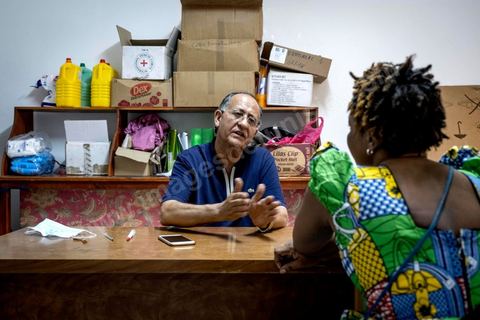
June 10, 2017: At the reception center for African migrants in Medenine, in southern Tunisia, more than 250 refugees have found shelter and rest here after long, dangerous, and exhausting journeys. Coming from Côte d’Ivoire, Burkina Faso, Mali, Sierra Leone, and other countries—dozens of nationalities from sub-Saharan Africa—they have reached the Tunisian coast on their journey toward a better future. Welcomed by volunteers from the Tunisian Red Crescent under the leadership of Dr. Mongi Slim, the teams in Medenine work tirelessly every day to provide quality care and a place for rest and reflection, despite limited resources. Each of these migrants has endured an ordeal—often a long and terrible story—including exposure to Libya’s networks of slavery and human exploitation. Newborns, children, women—many of whom are pregnant—and men find one of their very first moments of respite in this university dormitory.
M36-334 · 2017
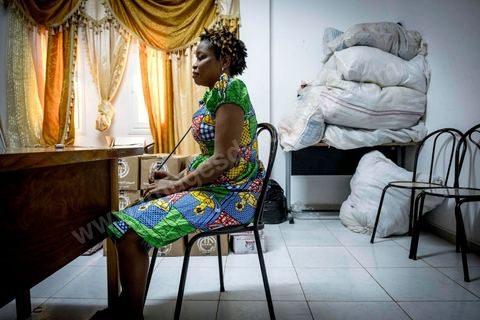
June 10, 2017: At the reception center for African migrants in Medenine, in southern Tunisia, more than 250 refugees have found shelter and rest here after long, dangerous, and exhausting journeys. Coming from Côte d’Ivoire, Burkina Faso, Mali, Sierra Leone, and other countries—dozens of nationalities from sub-Saharan Africa—they have reached the Tunisian coast on their journey toward a better future. Welcomed by volunteers from the Tunisian Red Crescent under the leadership of Dr. Mongi Slim, the teams in Medenine work tirelessly every day to provide quality care and a place for rest and reflection, despite limited resources. Each of these migrants has endured an ordeal—often a long and terrible story—including exposure to Libya’s networks of slavery and human exploitation. Newborns, children, women—many of whom are pregnant—and men find one of their very first moments of respite in this university dormitory.
M36-335 · 2017
XPR25507
XPR25507 · 2017
XPR25531
XPR25531 · 2017
XPR25561
XPR25561 · 2017
XT206662
XT206662 · 2017
XT206711
XT206711 · 2017
XT206752
XT206752 · 2017
XT206781
XT206781 · 2017
XT206801
XT206801 · 2017
XT206850
XT206850 · 2017
XT206900
XT206900 · 2017
XT206933
XT206933 · 2017
XT206966
XT206966 · 2017
XT207004
XT207004 · 2017
XT207040
XT207040 · 2017