Zaghouan
1–50 of 85 · page 1/2
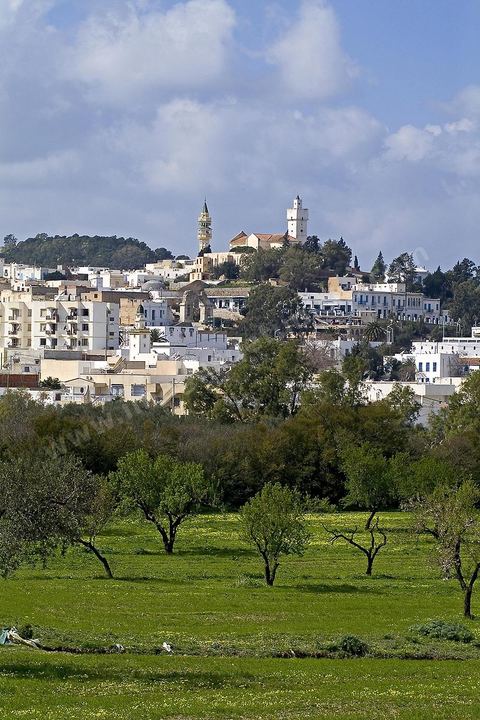
Zaghouan is an agricultural town of Roman origin (Ziqua) built at the foot of Jebel Zaghouan (1,295 m) and rich in spring-fed fountains. It is a charming little medina clinging to the slopes of the wooded hill. Its religious architecture reflects deep Andalusian influences, as a community of Andalusian refugees settled there in the 17th century.
A04-001 · 2006
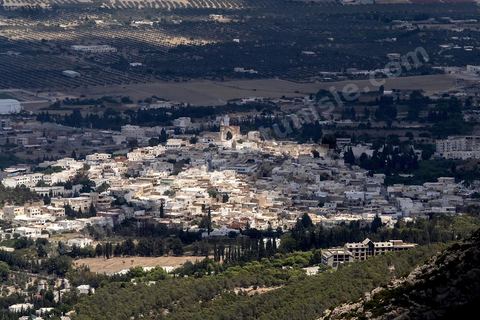
Zaghouan is an agricultural town of Roman origin (Ziqua) built at the foot of Jebel Zaghouan (1,295 m) and rich in spring-fed fountains. It is a charming little medina clinging to the slopes of the wooded hill. Its religious architecture reflects deep Andalusian influences, as a community of Andalusian refugees settled there in the 17th century.
A04-002 · 2016
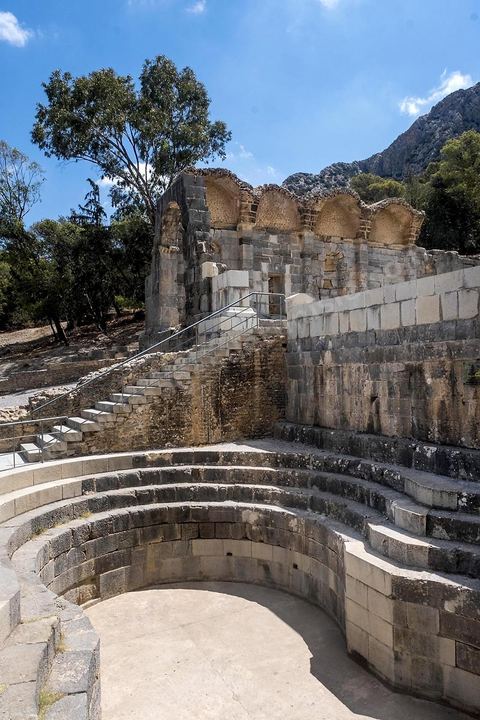
The Temple of the Waters, located at the foot of the jebel, is the largest temple from Roman antiquity in the Mediterranean basin. It served as the starting point for the distribution of water to Roman Carthage via the aqueduct, featuring a large and a small temple, as well as the beginning of the pipeline that remains in operation to this day. Zaghouan is an agricultural town of Roman origin (Ziqua) built at the foot of Jebel Zaghouan (1,295 m) and rich in spring-fed fountains. It is a charming little medina clinging to the slopes of the wooded hill. Its sacred architecture reflects deep Andalusian influences, as a community of Andalusian refugees settled there in the 17th century.
A04-003 · 2016
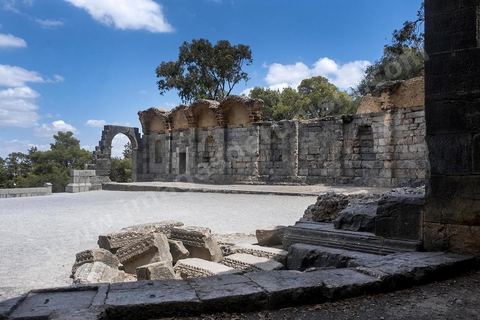
The Temple of the Waters, located at the foot of the jebel, is the largest temple from Roman antiquity in the Mediterranean basin. It served as the starting point for the distribution of water to Roman Carthage via the aqueduct, featuring a large and a small temple, as well as the beginning of the pipeline that remains in operation to this day. Zaghouan is an agricultural town of Roman origin (Ziqua) built at the foot of Jebel Zaghouan (1,295 m) and rich in spring-fed fountains. It is a charming little medina clinging to the slopes of the wooded hill. Its sacred architecture reflects deep Andalusian influences, as a community of Andalusian refugees settled there in the 17th century.
A04-004 · 2016
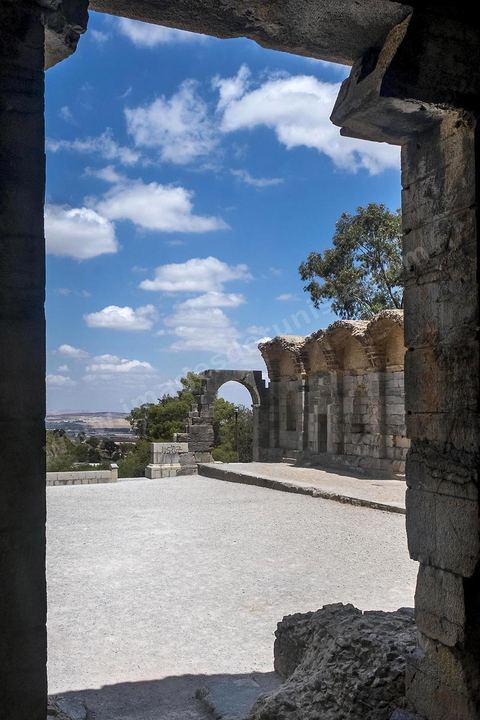
The Temple of the Waters, located at the foot of the jebel, is the largest temple from Roman antiquity in the Mediterranean basin. It served as the starting point for the distribution of water to Roman Carthage via the aqueduct, featuring a large and a small temple, as well as the beginning of the pipeline that remains in operation to this day. Zaghouan is an agricultural town of Roman origin (Ziqua) built at the foot of Jebel Zaghouan (1,295 m) and rich in spring-fed fountains. It is a charming little medina clinging to the slopes of the wooded hill. Its sacred architecture reflects deep Andalusian influences, as a community of Andalusian refugees settled there in the 17th century.
A04-005 · 2016
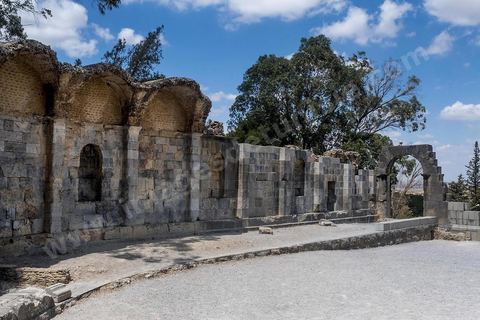
The Temple of the Waters, located at the foot of the jebel, is the largest temple from Roman antiquity in the Mediterranean basin. It served as the starting point for the distribution of water to Roman Carthage via the aqueduct, featuring a large and a small temple, as well as the beginning of the pipeline that remains in operation to this day. Zaghouan is an agricultural town of Roman origin (Ziqua) built at the foot of Jebel Zaghouan (1,295 m) and rich in spring-fed fountains. It is a charming little medina clinging to the slopes of the wooded hill. Its sacred architecture reflects deep Andalusian influences, as a community of Andalusian refugees settled there in the 17th century.
A04-006 · 2016
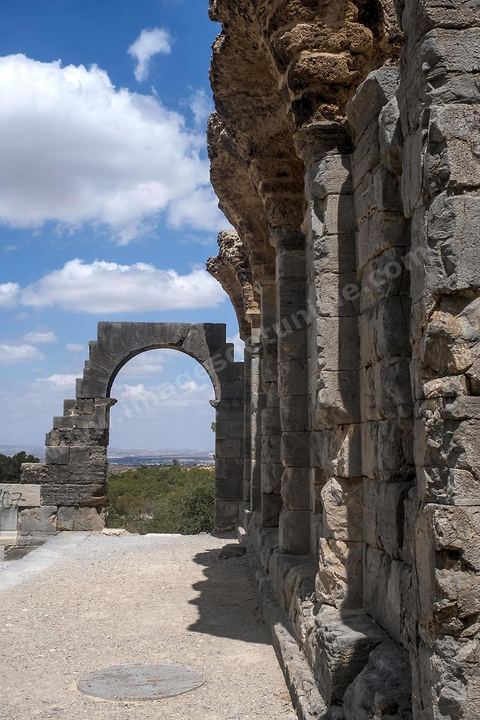
The Temple of the Waters, located at the foot of the jebel, is the largest temple from Roman antiquity in the Mediterranean basin. It served as the starting point for the distribution of water to Roman Carthage via the aqueduct, featuring a large and a small temple, as well as the beginning of the pipeline that remains in operation to this day. Zaghouan is an agricultural town of Roman origin (Ziqua) built at the foot of Jebel Zaghouan (1,295 m) and rich in spring-fed fountains. It is a charming little medina clinging to the slopes of the wooded hill. Its sacred architecture reflects deep Andalusian influences, as a community of Andalusian refugees settled there in the 17th century.
A04-007 · 2016
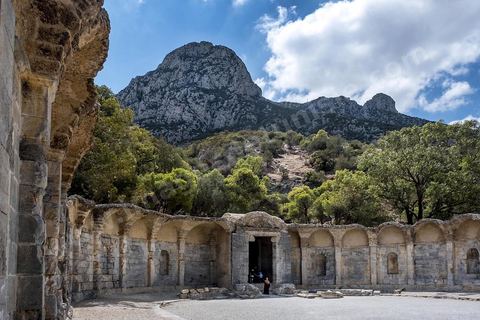
The Temple of the Waters, located at the foot of the jebel, is the largest temple from Roman antiquity in the Mediterranean basin. It served as the starting point for the distribution of water to Roman Carthage via the aqueduct, featuring a large and a small temple, as well as the beginning of the pipeline that remains in operation to this day. Zaghouan is an agricultural town of Roman origin (Ziqua) built at the foot of Jebel Zaghouan (1,295 m) and rich in spring-fed fountains. It is a charming little medina clinging to the slopes of the wooded hill. Its sacred architecture reflects deep Andalusian influences, as a community of Andalusian refugees settled there in the 17th century.
A04-008 · 2016
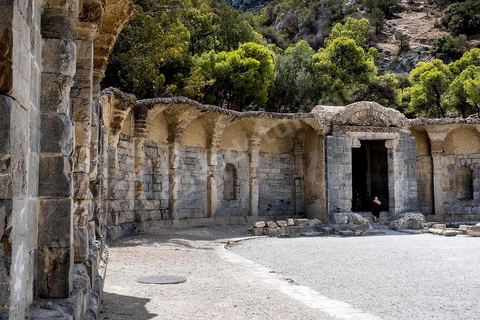
The Temple of the Waters, located at the foot of the jebel, is the largest temple from Roman antiquity in the Mediterranean basin. It served as the starting point for the distribution of water to Roman Carthage via the aqueduct, featuring a large and a small temple, as well as the beginning of the pipeline that remains in operation to this day. Zaghouan is an agricultural town of Roman origin (Ziqua) built at the foot of Jebel Zaghouan (1,295 m) and rich in spring-fed fountains. It is a charming little medina clinging to the slopes of the wooded hill. Its sacred architecture reflects deep Andalusian influences, as a community of Andalusian refugees settled there in the 17th century.
A04-009 · 2016
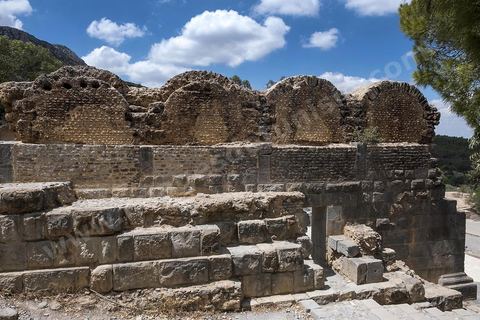
The Temple of the Waters, located at the foot of the jebel, is the largest temple from Roman antiquity in the Mediterranean basin. It served as the starting point for the distribution of water to Roman Carthage via the aqueduct, featuring a large and a small temple, as well as the beginning of the pipeline that remains in operation to this day. Zaghouan is an agricultural town of Roman origin (Ziqua) built at the foot of Jebel Zaghouan (1,295 m) and rich in spring-fed fountains. It is a charming little medina clinging to the slopes of the wooded hill. Its sacred architecture reflects deep Andalusian influences, as a community of Andalusian refugees settled there in the 17th century.
A04-010 · 2016
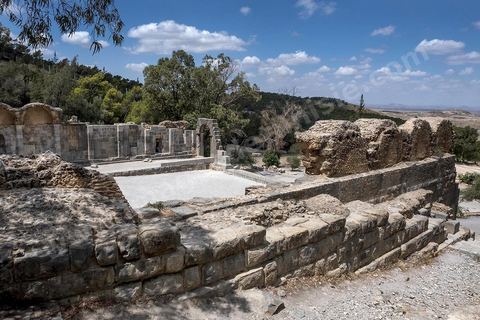
The Temple of the Waters, located at the foot of the jebel, is the largest temple from Roman antiquity in the Mediterranean basin. It served as the starting point for the distribution of water to Roman Carthage via the aqueduct, featuring a large and a small temple, as well as the beginning of the pipeline that remains in operation to this day. Zaghouan is an agricultural town of Roman origin (Ziqua) built at the foot of Jebel Zaghouan (1,295 m) and rich in spring-fed fountains. It is a charming little medina clinging to the slopes of the wooded hill. Its sacred architecture reflects deep Andalusian influences, as a community of Andalusian refugees settled there in the 17th century.
A04-011 · 2016
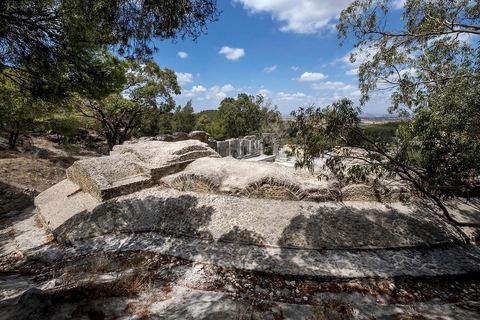
The Temple of the Waters, located at the foot of the jebel, is the largest temple from Roman antiquity in the Mediterranean basin. It served as the starting point for the distribution of water to Roman Carthage via the aqueduct, featuring a large and a small temple, as well as the beginning of the pipeline that remains in operation to this day. Zaghouan is an agricultural town of Roman origin (Ziqua) built at the foot of Jebel Zaghouan (1,295 m) and rich in spring-fed fountains. It is a charming little medina clinging to the slopes of the wooded hill. Its sacred architecture reflects deep Andalusian influences, as a community of Andalusian refugees settled there in the 17th century.
A04-012 · 2016
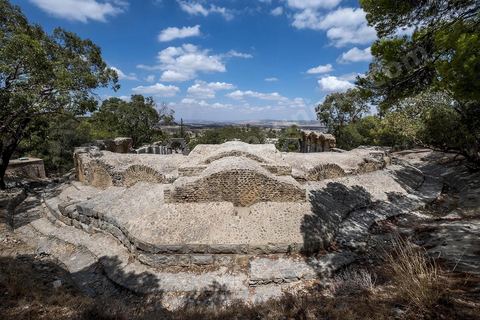
The Temple of the Waters, located at the foot of the jebel, is the largest temple from Roman antiquity in the Mediterranean basin. It served as the starting point for the distribution of water to Roman Carthage via the aqueduct, featuring a large and a small temple, as well as the beginning of the pipeline that remains in operation to this day. Zaghouan is an agricultural town of Roman origin (Ziqua) built at the foot of Jebel Zaghouan (1,295 m) and rich in spring-fed fountains. It is a charming little medina clinging to the slopes of the wooded hill. Its sacred architecture reflects deep Andalusian influences, as a community of Andalusian refugees settled there in the 17th century.
A04-013 · 2016
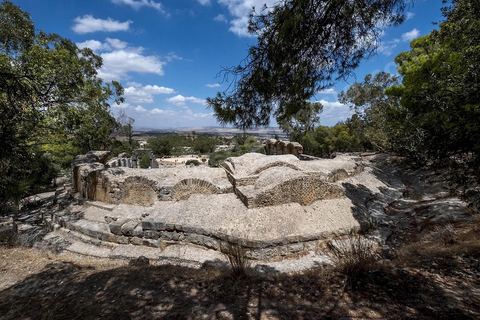
The Temple of the Waters, located at the foot of the jebel, is the largest temple from Roman antiquity in the Mediterranean basin. It served as the starting point for the distribution of water to Roman Carthage via the aqueduct, featuring a large and a small temple, as well as the beginning of the pipeline that remains in operation to this day. Zaghouan is an agricultural town of Roman origin (Ziqua) built at the foot of Jebel Zaghouan (1,295 m) and rich in spring-fed fountains. It is a charming little medina clinging to the slopes of the wooded hill. Its sacred architecture reflects deep Andalusian influences, as a community of Andalusian refugees settled there in the 17th century.
A04-014 · 2016
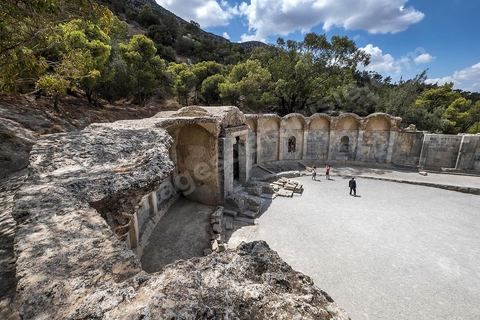
The Temple of the Waters, located at the foot of the jebel, is the largest temple from Roman antiquity in the Mediterranean basin. It served as the starting point for the distribution of water to Roman Carthage via the aqueduct, featuring a large and a small temple, as well as the beginning of the pipeline that remains in operation to this day. Zaghouan is an agricultural town of Roman origin (Ziqua) built at the foot of Jebel Zaghouan (1,295 m) and rich in spring-fed fountains. It is a charming little medina clinging to the slopes of the wooded hill. Its sacred architecture reflects deep Andalusian influences, as a community of Andalusian refugees settled there in the 17th century.
A04-015 · 2016
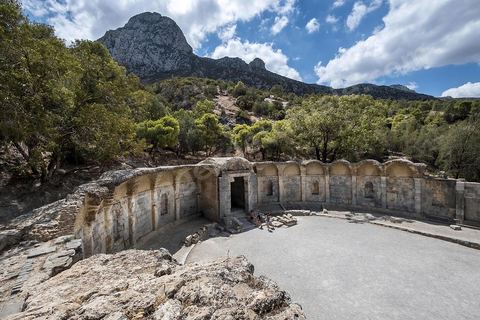
The Temple of the Waters, located at the foot of the jebel, is the largest temple from Roman antiquity in the Mediterranean basin. It served as the starting point for the distribution of water to Roman Carthage via the aqueduct, featuring a large and a small temple, as well as the beginning of the pipeline that remains in operation to this day. Zaghouan is an agricultural town of Roman origin (Ziqua) built at the foot of Jebel Zaghouan (1,295 m) and rich in spring-fed fountains. It is a charming little medina clinging to the slopes of the wooded hill. Its sacred architecture reflects deep Andalusian influences, as a community of Andalusian refugees settled there in the 17th century.
A04-016 · 2016
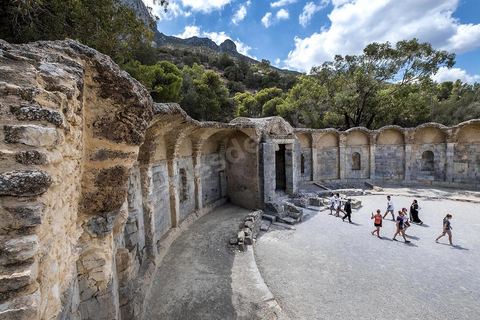
The Temple of the Waters, located at the foot of the jebel, is the largest temple from Roman antiquity in the Mediterranean basin. It served as the starting point for the distribution of water to Roman Carthage via the aqueduct, featuring a large and a small temple, as well as the beginning of the pipeline that remains in operation to this day. Zaghouan is an agricultural town of Roman origin (Ziqua) built at the foot of Jebel Zaghouan (1,295 m) and rich in spring-fed fountains. It is a charming little medina clinging to the slopes of the wooded hill. Its sacred architecture reflects deep Andalusian influences, as a community of Andalusian refugees settled there in the 17th century.
A04-017 · 2016
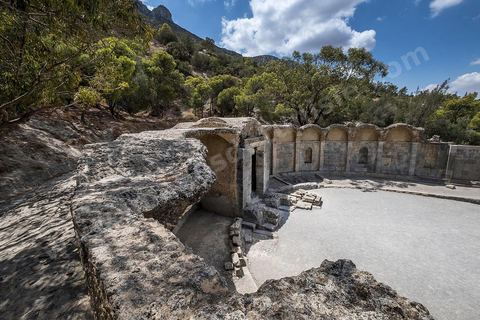
The Temple of the Waters, located at the foot of the jebel, is the largest temple from Roman antiquity in the Mediterranean basin. It served as the starting point for the distribution of water to Roman Carthage via the aqueduct, featuring a large and a small temple, as well as the beginning of the pipeline that remains in operation to this day. Zaghouan is an agricultural town of Roman origin (Ziqua) built at the foot of Jebel Zaghouan (1,295 m) and rich in spring-fed fountains. It is a charming little medina clinging to the slopes of the wooded hill. Its sacred architecture reflects deep Andalusian influences, as a community of Andalusian refugees settled there in the 17th century.
A04-018 · 2016
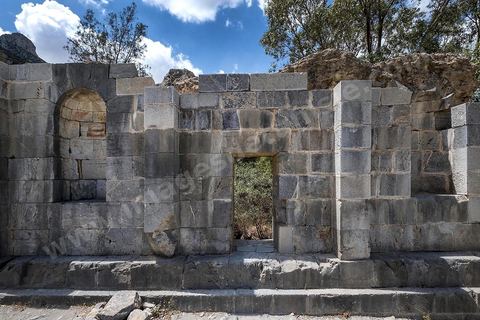
The Temple of the Waters, located at the foot of the jebel, is the largest temple from Roman antiquity in the Mediterranean basin. It served as the starting point for the distribution of water to Roman Carthage via the aqueduct, featuring a large and a small temple, as well as the beginning of the pipeline that remains in operation to this day. Zaghouan is an agricultural town of Roman origin (Ziqua) built at the foot of Jebel Zaghouan (1,295 m) and rich in spring-fed fountains. It is a charming little medina clinging to the slopes of the wooded hill. Its sacred architecture reflects deep Andalusian influences, as a community of Andalusian refugees settled there in the 17th century.
A04-019 · 2016
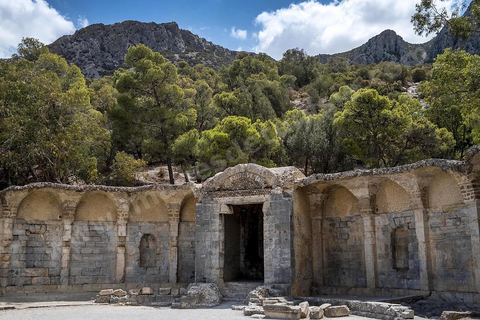
The Temple of the Waters, located at the foot of the jebel, is the largest temple from Roman antiquity in the Mediterranean basin. It served as the starting point for the distribution of water to Roman Carthage via the aqueduct, featuring a large and a small temple, as well as the beginning of the pipeline that remains in operation to this day. Zaghouan is an agricultural town of Roman origin (Ziqua) built at the foot of Jebel Zaghouan (1,295 m) and rich in spring-fed fountains. It is a charming little medina clinging to the slopes of the wooded hill. Its sacred architecture reflects deep Andalusian influences, as a community of Andalusian refugees settled there in the 17th century.
A04-020 · 2016
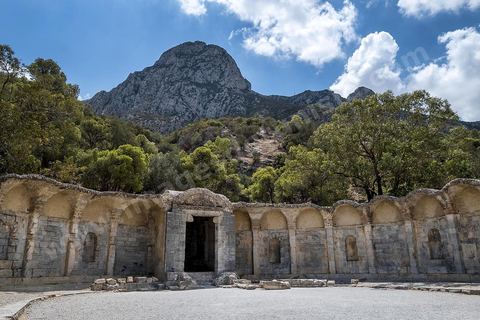
The Temple of the Waters, located at the foot of the jebel, is the largest temple from Roman antiquity in the Mediterranean basin. It served as the starting point for the distribution of water to Roman Carthage via the aqueduct, featuring a large and a small temple, as well as the beginning of the pipeline that remains in operation to this day. Zaghouan is an agricultural town of Roman origin (Ziqua) built at the foot of Jebel Zaghouan (1,295 m) and rich in spring-fed fountains. It is a charming little medina clinging to the slopes of the wooded hill. Its sacred architecture reflects deep Andalusian influences, as a community of Andalusian refugees settled there in the 17th century.
A04-021 · 2016
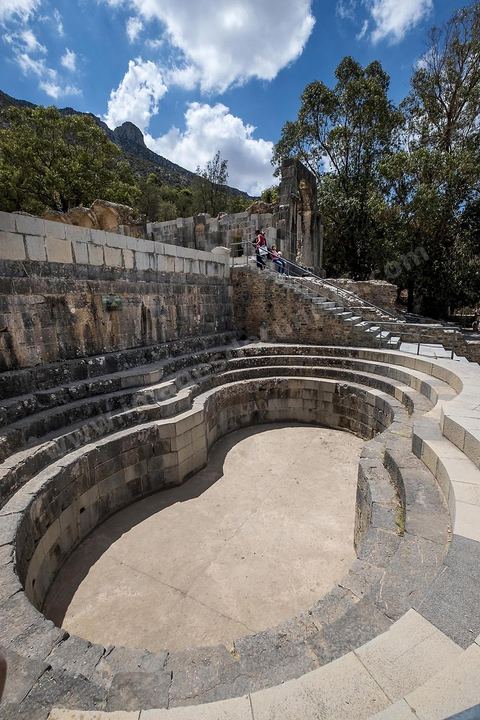
The Temple of the Waters, located at the foot of the jebel, is the largest temple from Roman antiquity in the Mediterranean basin. It served as the starting point for the distribution of water to Roman Carthage via the aqueduct, featuring a large and a small temple, as well as the beginning of the pipeline that remains in operation to this day. Zaghouan is an agricultural town of Roman origin (Ziqua) built at the foot of Jebel Zaghouan (1,295 m) and rich in spring-fed fountains. It is a charming little medina clinging to the slopes of the wooded hill. Its sacred architecture reflects deep Andalusian influences, as a community of Andalusian refugees settled there in the 17th century.
A04-022 · 2016
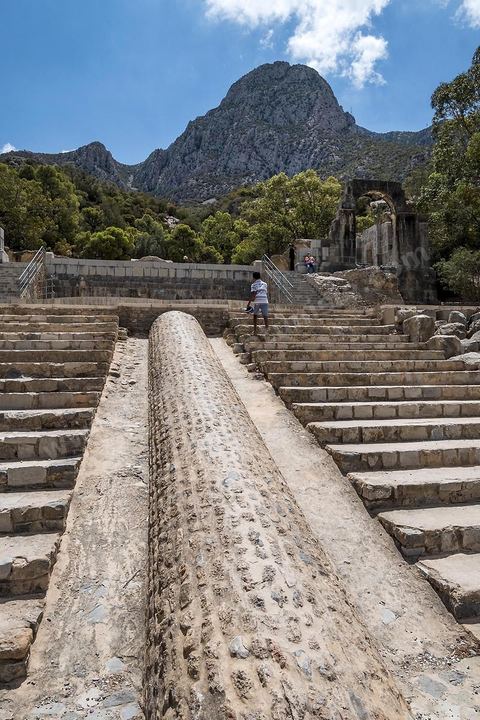
The Temple of the Waters, located at the foot of the jebel, is the largest temple from Roman antiquity in the Mediterranean basin. It served as the starting point for the distribution of water to Roman Carthage via the aqueduct, featuring a large and a small temple, as well as the beginning of the pipeline that remains in operation to this day. Zaghouan is an agricultural town of Roman origin (Ziqua) built at the foot of Jebel Zaghouan (1,295 m) and rich in spring-fed fountains. It is a charming little medina clinging to the slopes of the wooded hill. Its sacred architecture reflects deep Andalusian influences, as a community of Andalusian refugees settled there in the 17th century.
A04-023 · 2016
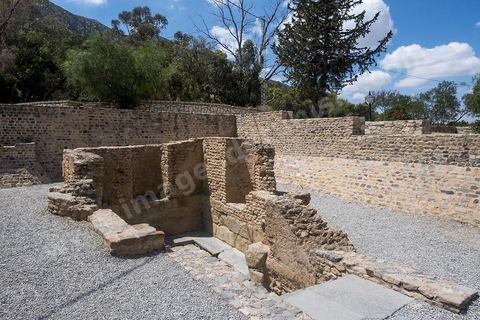
The Small Temple. The Temple of the Waters, located at the foot of the jebel, is the largest from Roman antiquity in the Mediterranean basin. It served as the starting point for the distribution of water to Roman Carthage via the aqueduct, featuring a large and a small temple, as well as the beginning of the pipeline that remains in operation to this day. Zaghouan is an agricultural town of Roman origin (Ziqua) built at the foot of Jebel Zaghouan (1,295 m) and rich in spring-fed fountains. It is a charming little medina clinging to the slopes of the wooded hill. Its sacred architecture reflects deep Andalusian influences, as a community of Andalusian refugees settled there in the 17th century.
A04-024 · 2016
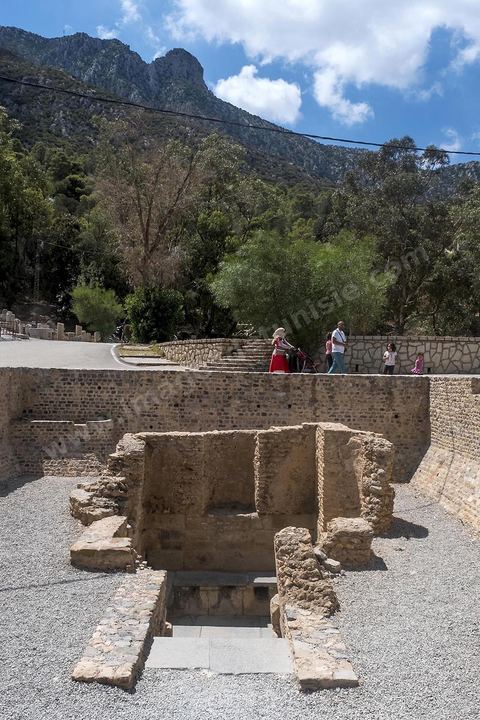
The Small Temple. The Temple of the Waters, located at the foot of the jebel, is the largest from Roman antiquity in the Mediterranean basin. It served as the starting point for the distribution of water to Roman Carthage via the aqueduct, featuring a large and a small temple, as well as the beginning of the pipeline that remains in operation to this day. Zaghouan is an agricultural town of Roman origin (Ziqua) built at the foot of Jebel Zaghouan (1,295 m) and rich in spring-fed fountains. It is a charming little medina clinging to the slopes of the wooded hill. Its sacred architecture reflects deep Andalusian influences, as a community of Andalusian refugees settled there in the 17th century.
A04-025 · 2016
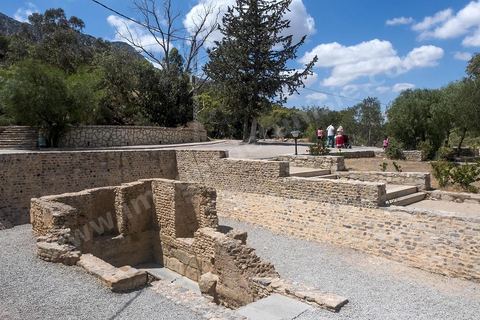
The Small Temple. The Temple of the Waters, located at the foot of the jebel, is the largest from Roman antiquity in the Mediterranean basin. It served as the starting point for the distribution of water to Roman Carthage via the aqueduct, featuring a large and a small temple, as well as the beginning of the pipeline that remains in operation to this day. Zaghouan is an agricultural town of Roman origin (Ziqua) built at the foot of Jebel Zaghouan (1,295 m) and rich in spring-fed fountains. It is a charming little medina clinging to the slopes of the wooded hill. Its sacred architecture reflects deep Andalusian influences, as a community of Andalusian refugees settled there in the 17th century.
A04-026 · 2016
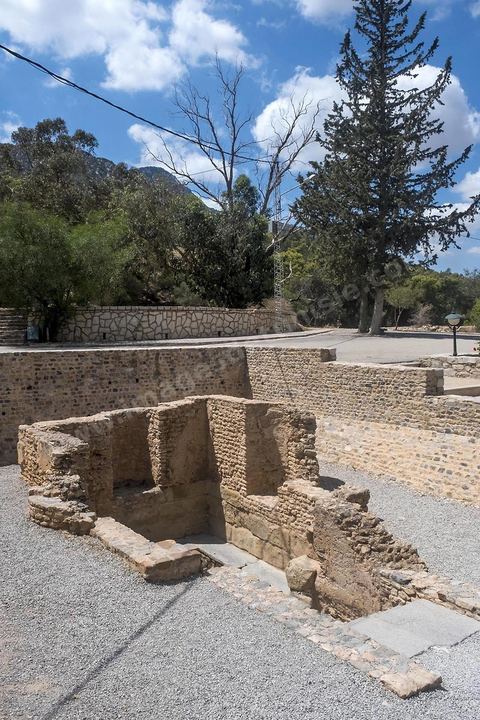
The Small Temple. The Temple of the Waters, located at the foot of the jebel, is the largest from Roman antiquity in the Mediterranean basin. It served as the starting point for the distribution of water to Roman Carthage via the aqueduct, featuring a large and a small temple, as well as the beginning of the pipeline that remains in operation to this day. Zaghouan is an agricultural town of Roman origin (Ziqua) built at the foot of Jebel Zaghouan (1,295 m) and rich in spring-fed fountains. It is a charming little medina clinging to the slopes of the wooded hill. Its sacred architecture reflects deep Andalusian influences, as a community of Andalusian refugees settled there in the 17th century.
A04-027 · 2016
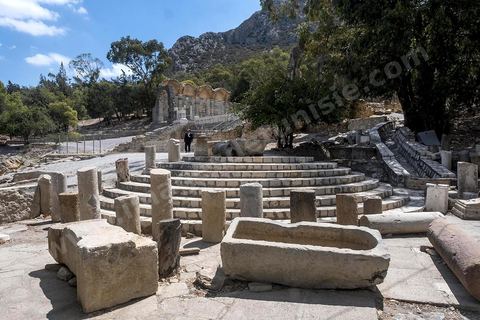
The Temple of the Waters, located at the foot of the jebel, is the largest temple from Roman antiquity in the Mediterranean basin. It served as the starting point for the distribution of water to Roman Carthage via the aqueduct, featuring a large and a small temple, as well as the beginning of the pipeline that remains in operation to this day. Zaghouan is an agricultural town of Roman origin (Ziqua) built at the foot of Jebel Zaghouan (1,295 m) and rich in spring-fed fountains. It is a charming little medina clinging to the slopes of the wooded hill. Its sacred architecture reflects deep Andalusian influences, as a community of Andalusian refugees settled there in the 17th century.
A04-028 · 2016
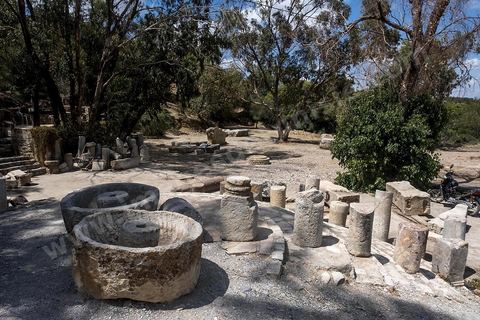
The Temple of the Waters, located at the foot of the jebel, is the largest temple from Roman antiquity in the Mediterranean basin. It served as the starting point for the distribution of water to Roman Carthage via the aqueduct, featuring a large and a small temple, as well as the beginning of the pipeline that remains in operation to this day. Zaghouan is an agricultural town of Roman origin (Ziqua) built at the foot of Jebel Zaghouan (1,295 m) and rich in spring-fed fountains. It is a charming little medina clinging to the slopes of the wooded hill. Its sacred architecture reflects deep Andalusian influences, as a community of Andalusian refugees settled there in the 17th century.
A04-029 · 2016
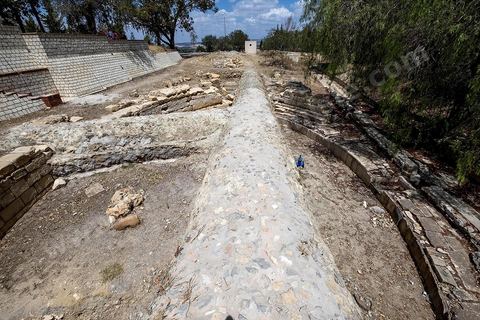
The Temple of the Waters, located at the foot of the jebel, is the largest temple from Roman antiquity in the Mediterranean basin. It served as the starting point for the distribution of water to Roman Carthage via the aqueduct, featuring a large and a small temple, as well as the beginning of the pipeline that remains in operation to this day. Zaghouan is an agricultural town of Roman origin (Ziqua) built at the foot of Jebel Zaghouan (1,295 m) and rich in spring-fed fountains. It is a charming little medina clinging to the slopes of the wooded hill. Its sacred architecture reflects deep Andalusian influences, as a community of Andalusian refugees settled there in the 17th century.
A04-030 · 2016
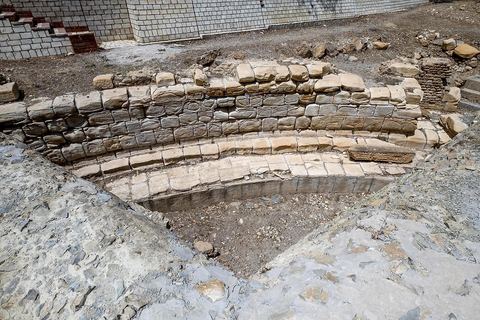
The Temple of the Waters, located at the foot of the jebel, is the largest temple from Roman antiquity in the Mediterranean basin. It served as the starting point for the distribution of water to Roman Carthage via the aqueduct, featuring a large and a small temple, as well as the beginning of the pipeline that remains in operation to this day. Zaghouan is an agricultural town of Roman origin (Ziqua) built at the foot of Jebel Zaghouan (1,295 m) and rich in spring-fed fountains. It is a charming little medina clinging to the slopes of the wooded hill. Its sacred architecture reflects deep Andalusian influences, as a community of Andalusian refugees settled there in the 17th century.
A04-031 · 2016
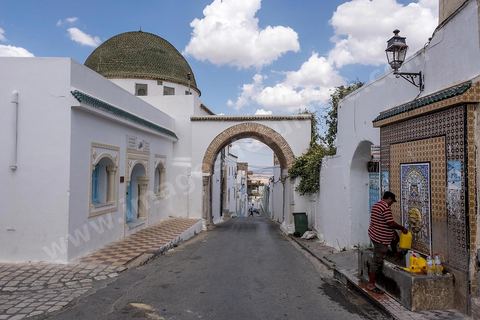
Zaghouan is an agricultural town of Roman origin (Ziqua) built at the foot of Jebel Zaghouan (1,295 m) and rich in spring-fed fountains. It is a charming little medina clinging to the slopes of the wooded hill. Its religious architecture reflects deep Andalusian influences, as a community of Andalusian refugees settled there in the 17th century.
A04-050 · 2016
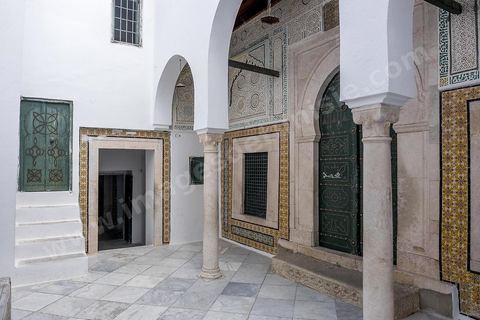
Zaghouan is an agricultural town of Roman origin (Ziqua) built at the foot of Jebel Zaghouan (1,295 m) and rich in spring-fed fountains. It is a charming little medina clinging to the slopes of the wooded hill. Its religious architecture reflects deep Andalusian influences, as a community of Andalusian refugees settled there in the 17th century.
A04-051 · 2016
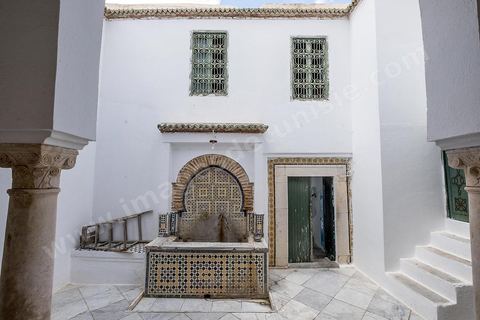
Zaghouan is an agricultural town of Roman origin (Ziqua) built at the foot of Jebel Zaghouan (1,295 m) and rich in spring-fed fountains. It is a charming little medina clinging to the slopes of the wooded hill. Its religious architecture reflects deep Andalusian influences, as a community of Andalusian refugees settled there in the 17th century.
A04-052 · 2016
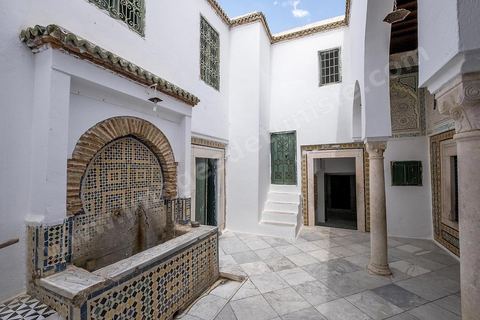
Zaghouan is an agricultural town of Roman origin (Ziqua) built at the foot of Jebel Zaghouan (1,295 m) and rich in spring-fed fountains. It is a charming little medina clinging to the slopes of the wooded hill. Its religious architecture reflects deep Andalusian influences, as a community of Andalusian refugees settled there in the 17th century.
A04-053 · 2016
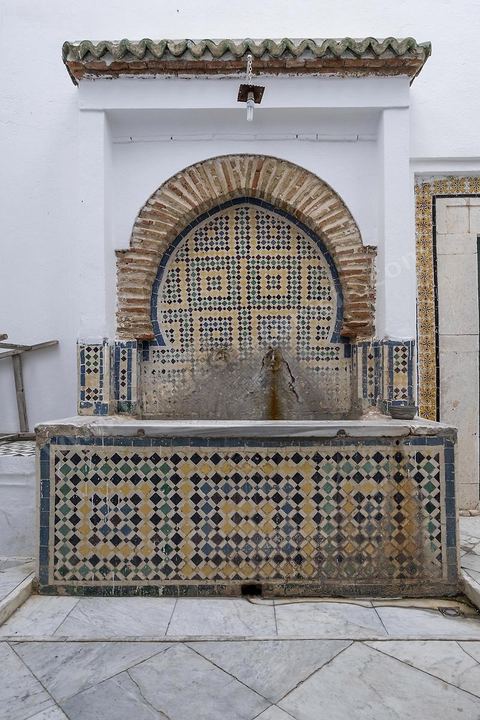
Zaghouan is an agricultural town of Roman origin (Ziqua) built at the foot of Jebel Zaghouan (1,295 m) and rich in spring-fed fountains. It is a charming little medina clinging to the slopes of the wooded hill. Its religious architecture reflects deep Andalusian influences, as a community of Andalusian refugees settled there in the 17th century.
A04-054 · 2016
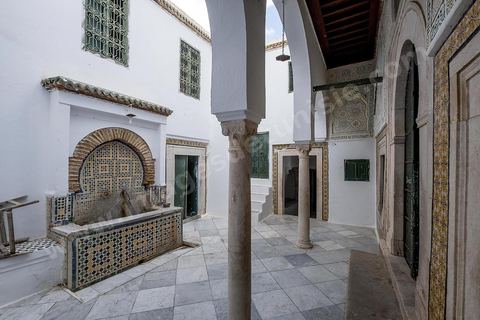
Zaghouan is an agricultural town of Roman origin (Ziqua) built at the foot of Jebel Zaghouan (1,295 m) and rich in spring-fed fountains. It is a charming little medina clinging to the slopes of the wooded hill. Its religious architecture reflects deep Andalusian influences, as a community of Andalusian refugees settled there in the 17th century.
A04-055 · 2016
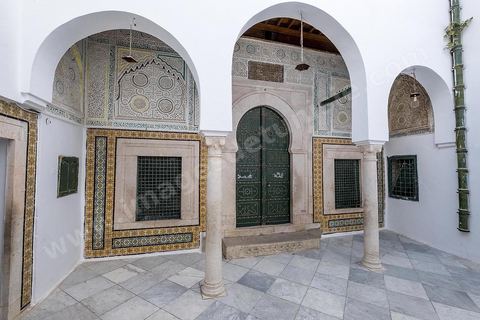
Zaghouan is an agricultural town of Roman origin (Ziqua) built at the foot of Jebel Zaghouan (1,295 m) and rich in spring-fed fountains. It is a charming little medina clinging to the slopes of the wooded hill. Its religious architecture reflects deep Andalusian influences, as a community of Andalusian refugees settled there in the 17th century.
A04-056 · 2016
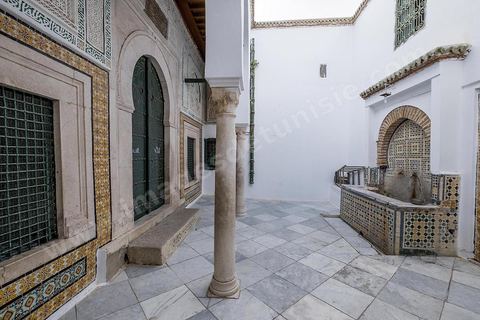
Zaghouan is an agricultural town of Roman origin (Ziqua) built at the foot of Jebel Zaghouan (1,295 m) and rich in spring-fed fountains. It is a charming little medina clinging to the slopes of the wooded hill. Its religious architecture reflects deep Andalusian influences, as a community of Andalusian refugees settled there in the 17th century.
A04-057 · 2016
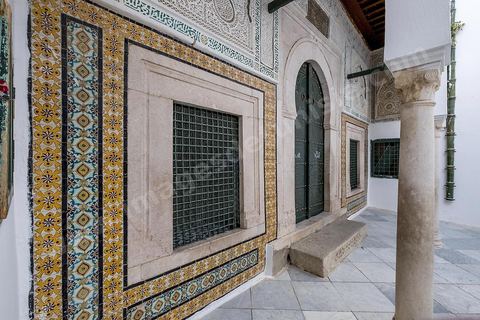
Zaghouan is an agricultural town of Roman origin (Ziqua) built at the foot of Jebel Zaghouan (1,295 m) and rich in spring-fed fountains. It is a charming little medina clinging to the slopes of the wooded hill. Its religious architecture reflects deep Andalusian influences, as a community of Andalusian refugees settled there in the 17th century.
A04-058 · 2016
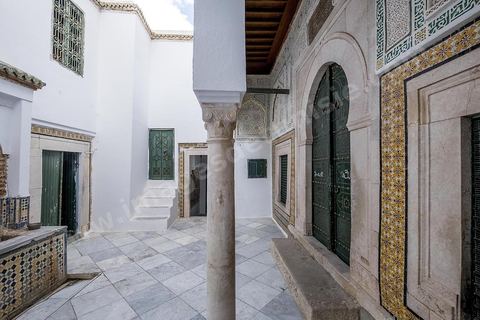
Zaghouan is an agricultural town of Roman origin (Ziqua) built at the foot of Jebel Zaghouan (1,295 m) and rich in spring-fed fountains. It is a charming little medina clinging to the slopes of the wooded hill. Its religious architecture reflects deep Andalusian influences, as a community of Andalusian refugees settled there in the 17th century.
A04-059 · 2016
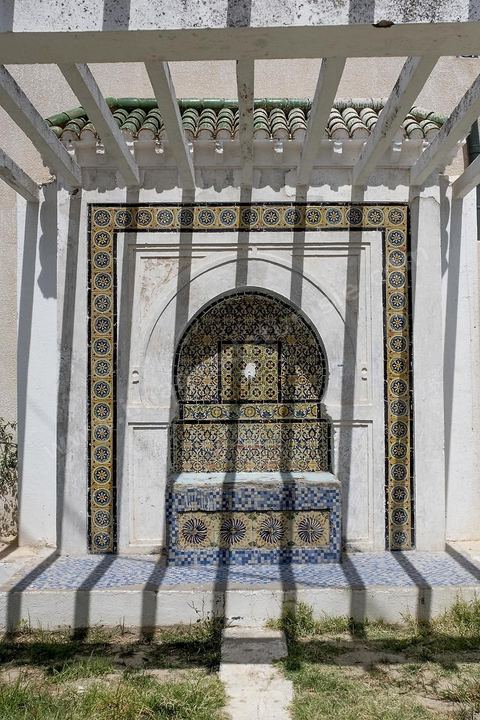
Zaghouan is an agricultural town of Roman origin (Ziqua) built at the foot of Jebel Zaghouan (1,295 m) and rich in spring-fed fountains. It is a charming little medina clinging to the slopes of the wooded hill. Its religious architecture reflects deep Andalusian influences, as a community of Andalusian refugees settled there in the 17th century.
A04-060 · 2016
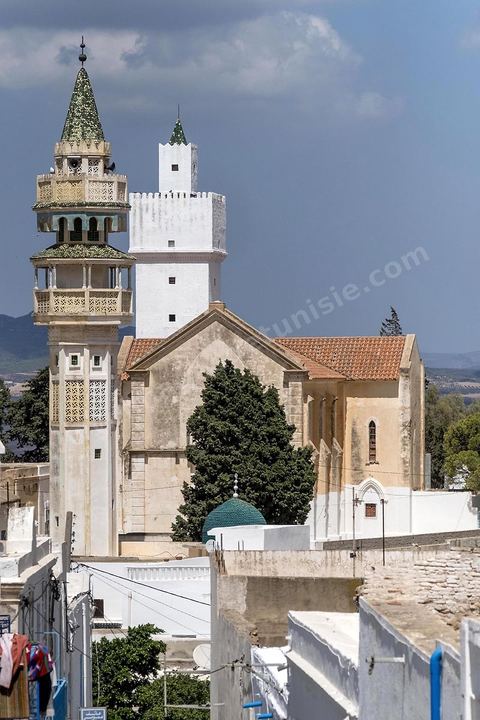
Zaghouan is an agricultural town of Roman origin (Ziqua) built at the foot of Jebel Zaghouan (1,295 m) and rich in spring-fed fountains. It is a charming little medina clinging to the slopes of the wooded hill. Its religious architecture reflects deep Andalusian influences, as a community of Andalusian refugees settled there in the 17th century.
A04-061 · 2016
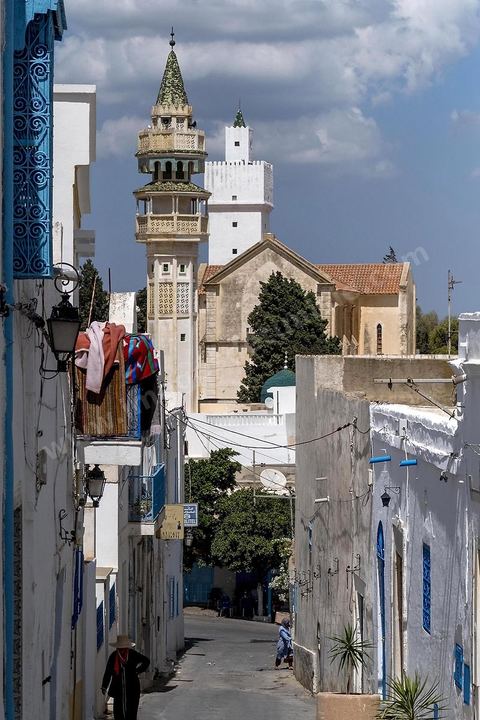
Zaghouan is an agricultural town of Roman origin (Ziqua) built at the foot of Jebel Zaghouan (1,295 m) and rich in spring-fed fountains. It is a charming little medina clinging to the slopes of the wooded hill. Its religious architecture reflects deep Andalusian influences, as a community of Andalusian refugees settled there in the 17th century.
A04-062 · 2016
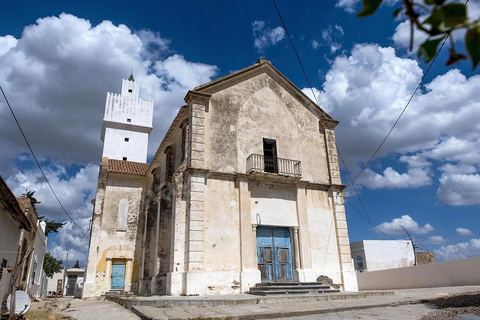
Zaghouan is an agricultural town of Roman origin (Ziqua) built at the foot of Jebel Zaghouan (1,295 m) and rich in spring-fed fountains. It is a charming little medina clinging to the slopes of the wooded hill. Its religious architecture reflects deep Andalusian influences, as a community of Andalusian refugees settled there in the 17th century.
A04-063 · 2016
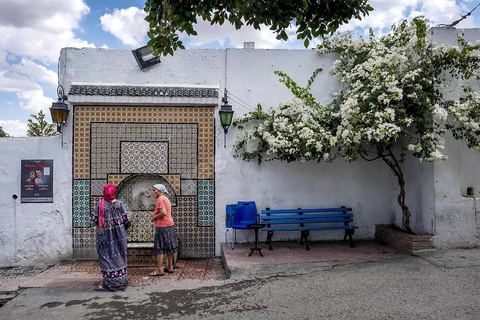
Zaghouan is an agricultural town of Roman origin (Ziqua) built at the foot of Jebel Zaghouan (1,295 m) and rich in spring-fed fountains. It is a charming little medina clinging to the slopes of the wooded hill. Its religious architecture reflects deep Andalusian influences, as a community of Andalusian refugees settled there in the 17th century.
A04-064 · 2016
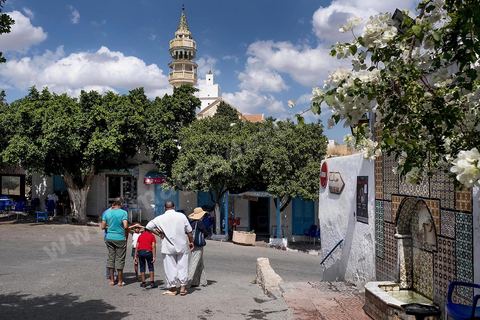
Zaghouan is an agricultural town of Roman origin (Ziqua) built at the foot of Jebel Zaghouan (1,295 m) and rich in spring-fed fountains. It is a charming little medina clinging to the slopes of the wooded hill. Its religious architecture reflects deep Andalusian influences, as a community of Andalusian refugees settled there in the 17th century.
A04-065 · 2016
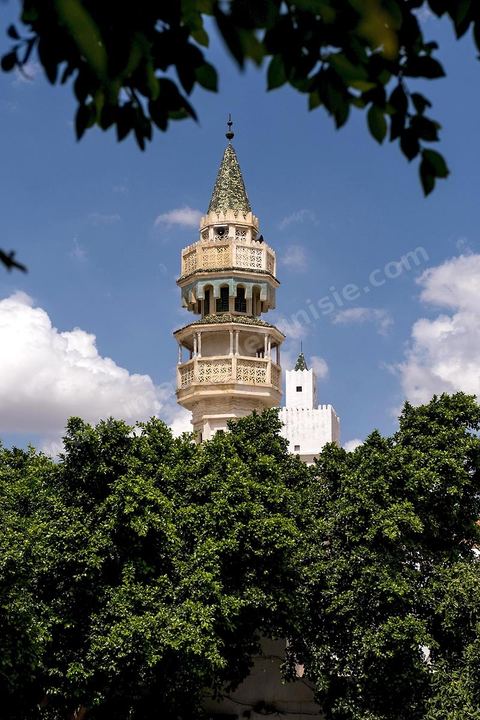
Zaghouan is an agricultural town of Roman origin (Ziqua) built at the foot of Jebel Zaghouan (1,295 m) and rich in spring-fed fountains. It is a charming little medina clinging to the slopes of the wooded hill. Its religious architecture reflects deep Andalusian influences, as a community of Andalusian refugees settled there in the 17th century.
A04-066 · 2016
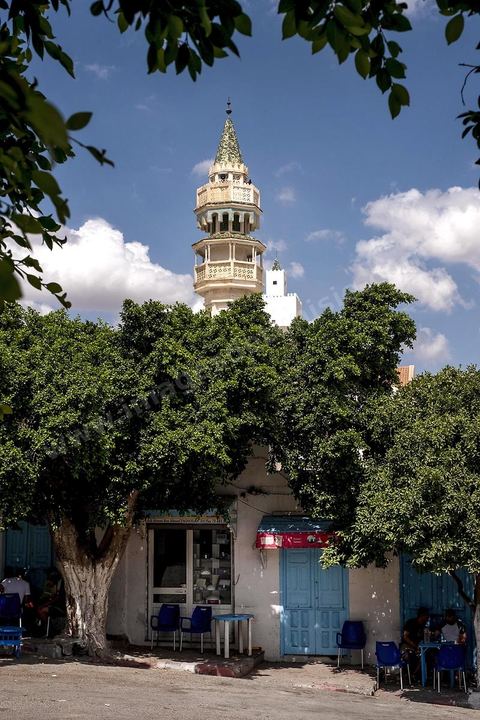
Zaghouan is an agricultural town of Roman origin (Ziqua) built at the foot of Jebel Zaghouan (1,295 m) and rich in spring-fed fountains. It is a charming little medina clinging to the slopes of the wooded hill. Its religious architecture reflects deep Andalusian influences, as a community of Andalusian refugees settled there in the 17th century.
A04-067 · 2016
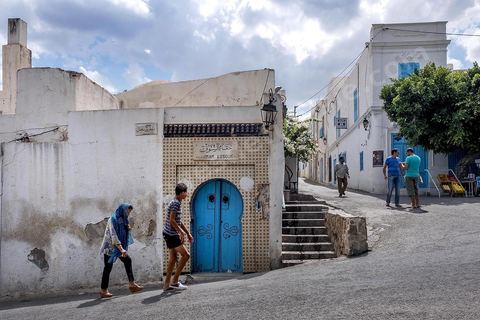
Zaghouan is an agricultural town of Roman origin (Ziqua) built at the foot of Jebel Zaghouan (1,295 m) and rich in spring-fed fountains. It is a charming little medina clinging to the slopes of the wooded hill. Its religious architecture reflects deep Andalusian influences, as a community of Andalusian refugees settled there in the 17th century.
A04-068 · 2016