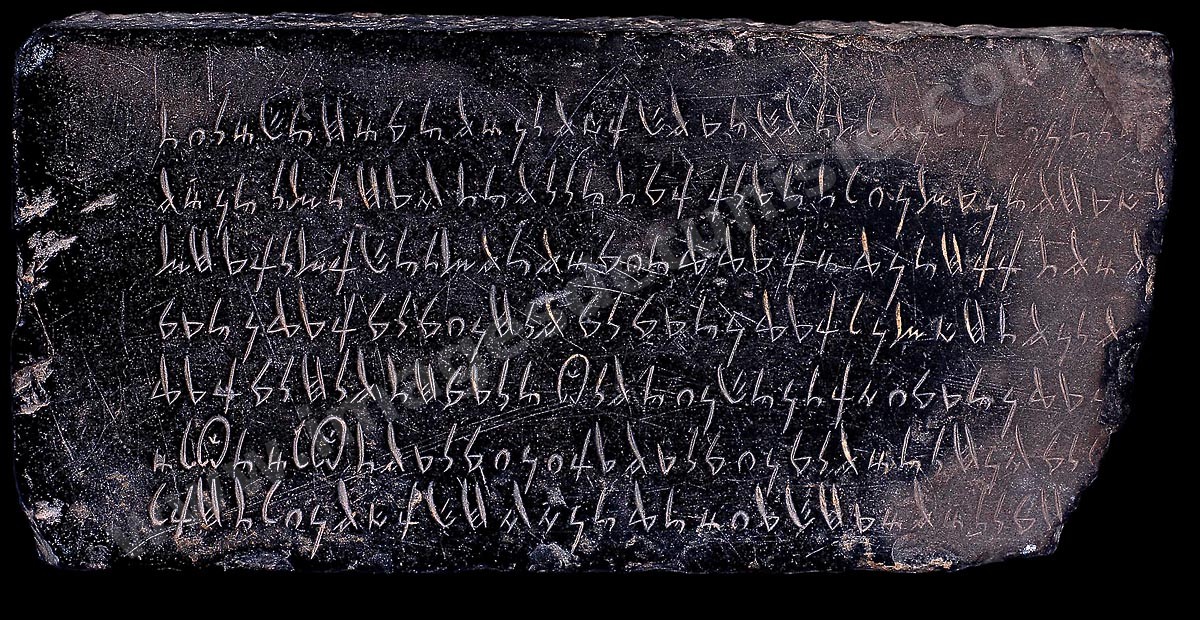
This Punic inscription, which refers to urban development projects, is engraved on a small slab of black marble discovered in 1954 in Carthage and likely dating from the 3rd century. It commemorates the completion of a major public works project involving several trades: the construction of a new road or a new gate. (L. 25 cm, W. 11 cm, Carthage, 3rd century B.C., Carthage Museum).© Images de Tunisie — watermarked preview

Photos from the same series

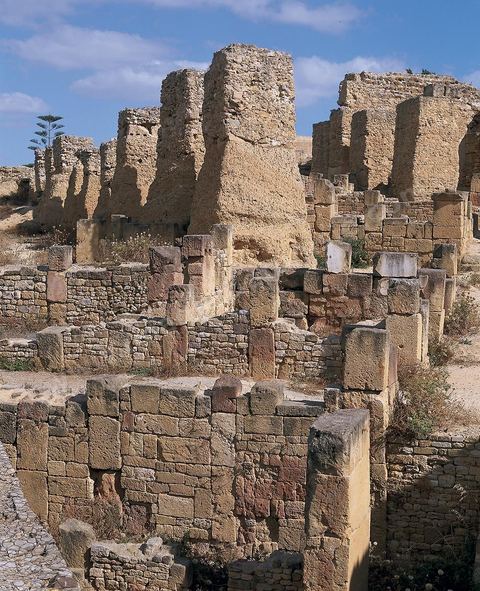
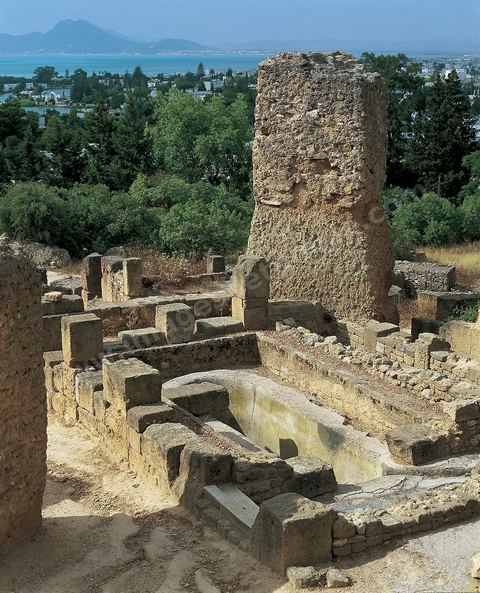
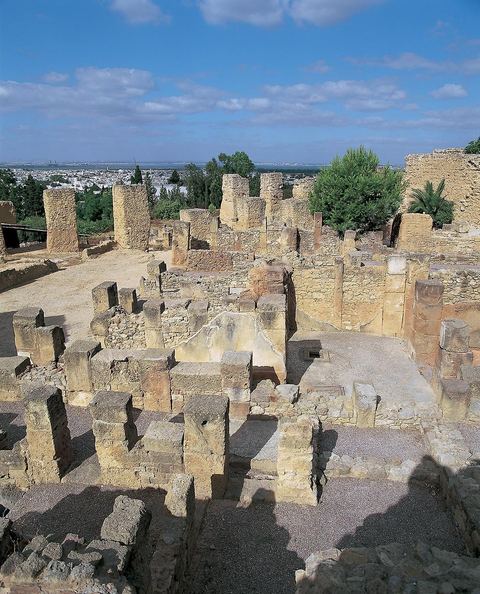
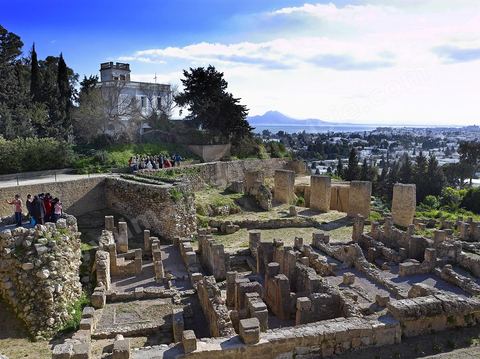
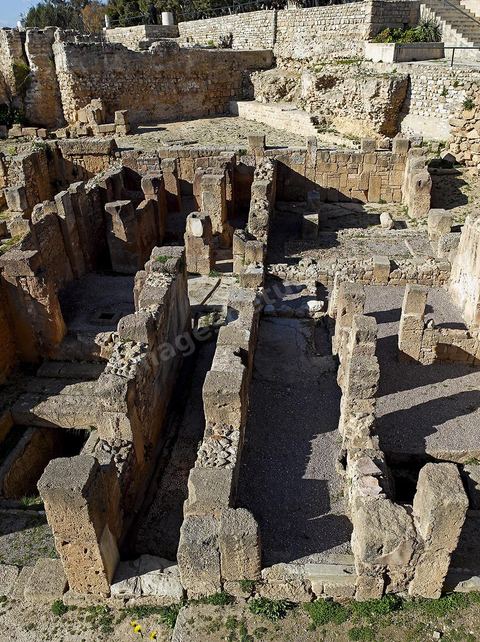
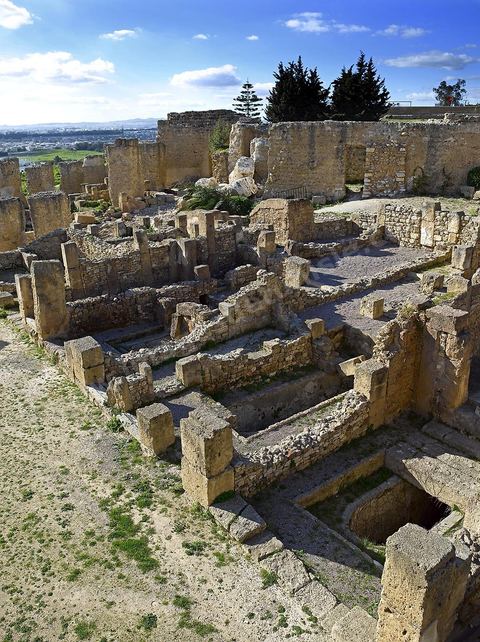
A Punic residential quarter on Byrsa Hill in Carthage. At the summit of Byrsa Hill, the site of the Roman forum, a Punic residential quarter dating from the city’s final century of existence—more precisely, the early 2nd century BCE—has been unearthed. The settlement is typical and even stereotypical, with a room facing the street that could be used as a store, a cistern installed in the basement to collect water for domestic use, and a long corridor on the right-hand side leading to a courtyard with a well, around which a series of small rooms of varying numbers are arranged.A Punic residential quarter on Byrsa Hill in Carthage. At the summit of Byrsa Hill, the site of the Roman forum, a Punic residential quarter dating from the city’s final century of existence—more precisely, the early 2nd century BCE—has been unearthed. The settlement is typical and even stereotypical, with a room facing the street that could be used as a store, a cistern installed in the basement to collect water for domestic use, and a long corridor on the right-hand side leading to a courtyard with a well, around which a series of small rooms of varying numbers are arranged.A Punic residential quarter on Byrsa Hill in Carthage. At the summit of Byrsa Hill, the site of the Roman forum, a Punic residential quarter dating from the city’s final century of existence—more precisely, the early 2nd century BCE—has been unearthed. The settlement is typical and even stereotypical, with a room facing the street that could be used as a store, a cistern installed in the basement to collect water for domestic use, and a long corridor on the right-hand side leading to a courtyard with a well, around which a series of small rooms of varying numbers are arranged.A Punic residential quarter on Byrsa Hill in Carthage. At the summit of Byrsa Hill, the site of the Roman forum, a Punic residential quarter dating from the city’s final century of existence—more precisely, the early 2nd century BCE—has been unearthed. The settlement is typical and even stereotypical, with a room facing the street that could be used as a store, a cistern installed in the basement to collect water for domestic use, and a long corridor on the right-hand side leading to a courtyard with a well, around which a series of small rooms of varying numbers are arranged.A Punic residential quarter on Byrsa Hill in Carthage. At the summit of Byrsa Hill, the site of the Roman forum, a Punic residential quarter dating from the city’s final century of existence—more precisely, the early 2nd century BCE—has been unearthed. The settlement is typical and even stereotypical, with a room facing the street that could be used as a store, a cistern installed in the basement to collect water for domestic use, and a long corridor on the right-hand side leading to a courtyard with a well, around which a series of small rooms of varying numbers are arranged.A Punic residential quarter on Byrsa Hill in Carthage. At the summit of Byrsa Hill, the site of the Roman forum, a Punic residential quarter dating from the city’s final century of existence—more precisely, the early 2nd century BCE—has been unearthed. The settlement is typical and even stereotypical, with a room facing the street that could be used as a store, a cistern installed in the basement to collect water for domestic use, and a long corridor on the right-hand side leading to a courtyard with a well, around which a series of small rooms of varying numbers are arranged.
RM

A02-051

This Punic inscription, which refers to urban development projects, is engraved on a small slab of black marble discovered in 1954 in Carthage and likely dating from the 3rd century. It commemorates the completion of a major public works project involving several trades: the construction of a new road or a new gate. (L. 25 cm, W. 11 cm, Carthage, 3rd century B.C., Carthage Museum).

ReferenceA02-051
CategoryVilles et Régions / Tunis and its suburbs / Carthage
LicenceRM — rights managed
Photographer© Nicolas Fauqué / www.imagesd
Copyright© Nicolas Fauqué / www.imagesdetunisie.com

No online payment: licensing is quoted individually based on usage, print run and duration of use.