Le musée du Bardo
1–50 of 340 · page 1/7
Detail of a Roman mosaic, a medallion depicting spring, part of a floor adorned with laurel garlands and featuring the four seasons (Ras-Boutria - Acholla, the so-called House of the Red Columns, second half of the 2nd century AD, Bardo Museum). Roman section – Bardo Museum
A014-35
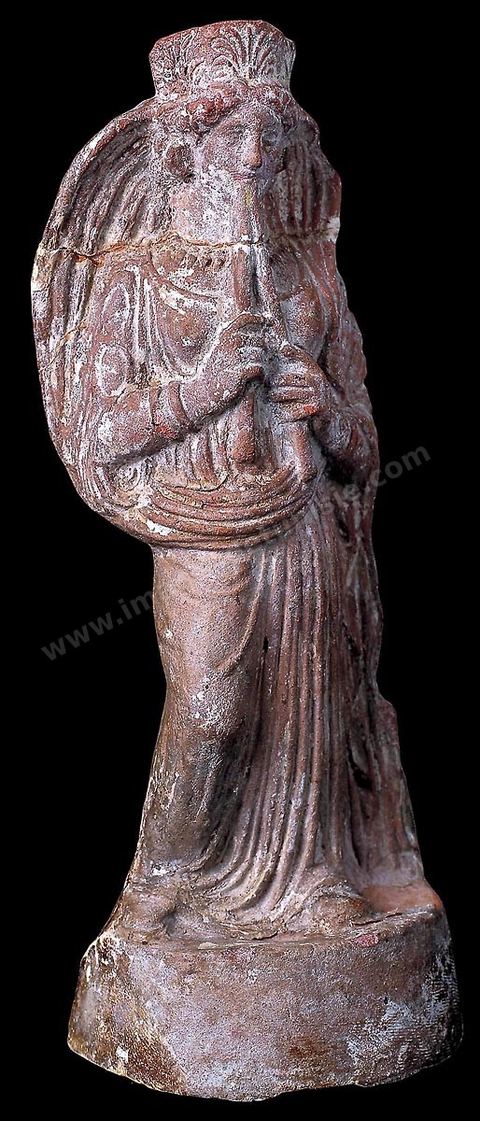
Figurine en terre cuite représentant une femme jouant de la double flûte. Elle porte une tunique longue te un manteau formant voile autour de sa tête, un diadème à palmette et des bijoux (H. 23 cm, nécropole de Borj Jedid, Carthage, IVème siècle avant JC, musée de Carthage).
A02-059
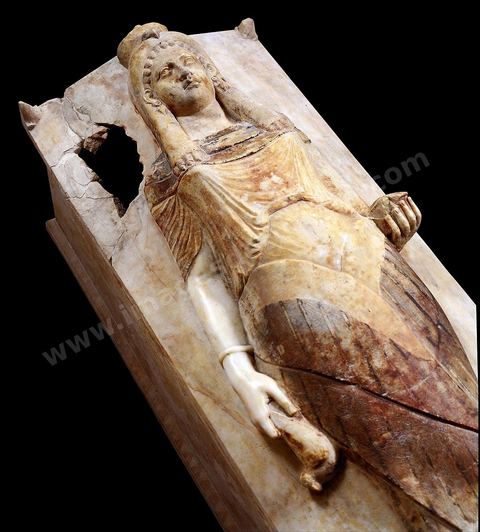
A sarcophagus known as the “Priestess’s Sarcophagus,” made of white marble and decorated with a female figure in high relief. She wears a long pleated robe cinched at the bottom by two large crossed wings. A veil topped with a falcon’s head covers her head in the style of the Klaft. In her right hand she holds a dove, and in her left, an incense burner (H. 93 cm, L. 193 cm, W. 67 cm; Necropolis of Saint Monica, Carthage; 3rd century BCE; Carthage Museum).
A02-088
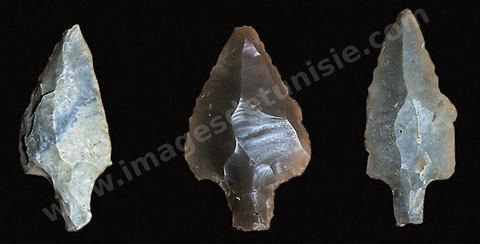
outils tailles prehistorique, musee du Bardo
A14-01
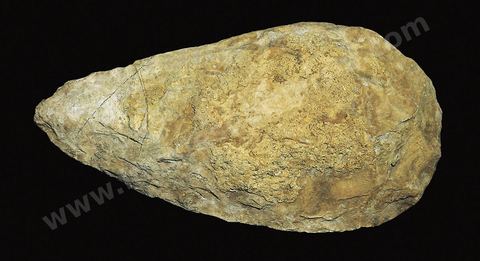
biface acheuleen, 300000 à 100000 avt JC, musee du Bardo
A14-02
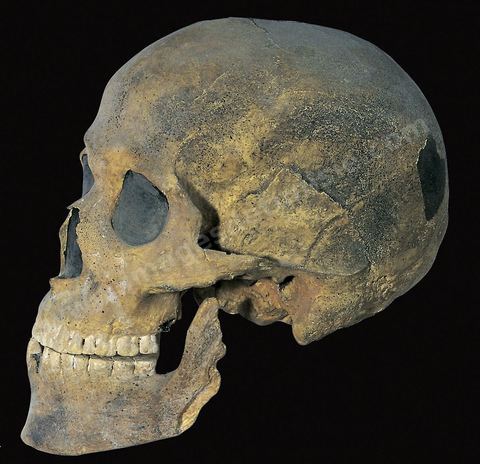
Capsian skull, 7000–4500 BC, Bardo Museum
A14-03
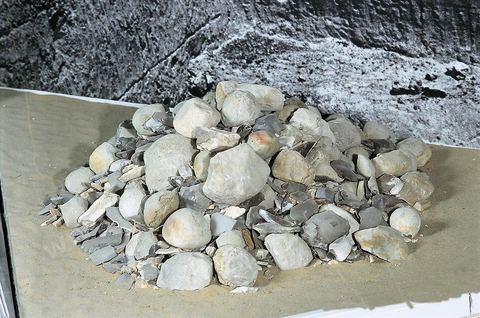
Hermaion of El Guettar, 40,000 BC, Bardo Museum
A14-04
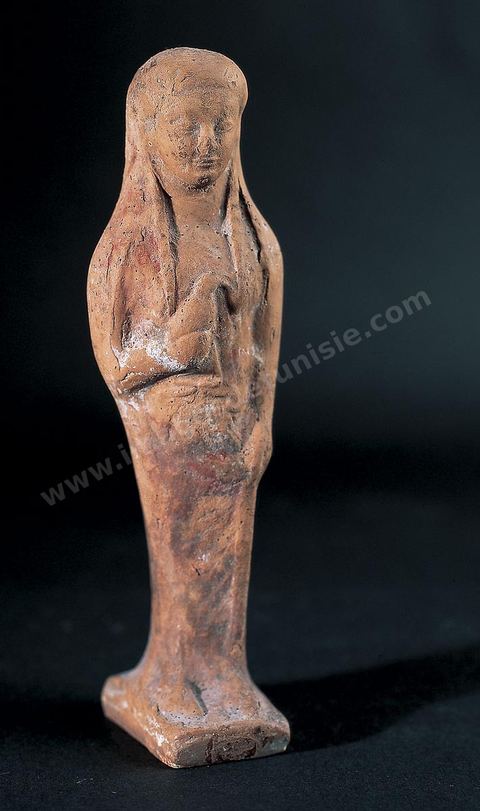
A goddess holding a dove. This is Astarte and the bird that serves as her attribute. Found in a 6th-century B.C. tomb in Carthage, it was believed to ensure the protection of the deceased—Punic section—Bardo Museum
A14-06
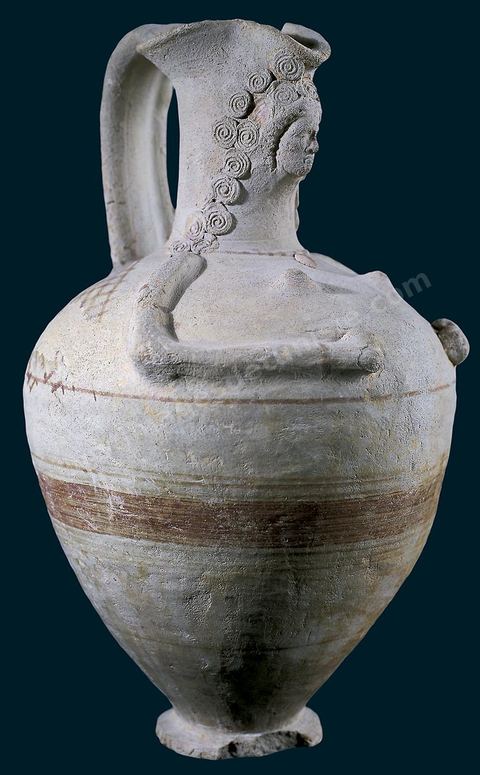
An anthropomorphic oenochoe with a trilobed spout, evoking a pregnant woman. Attached to the neck of the jug, the finely rendered head features a profusion of wavy hair that frames a face with regular features. The neck is adorned with a necklace whose beads are accented with touches of paint. The breasts are depicted on the upper part of the body. The arms, drawn in front, wear dark-colored bracelets. Here one can see the influence of ancient Mesopotamian traditions associated with the theme of the Mother Goddess (H. 31 cm, ø 19 cm, Henchir Beni Nafaa, near Bizerte, 3rd century B.C.E.), Punic section—Bardo Museum
A14-07
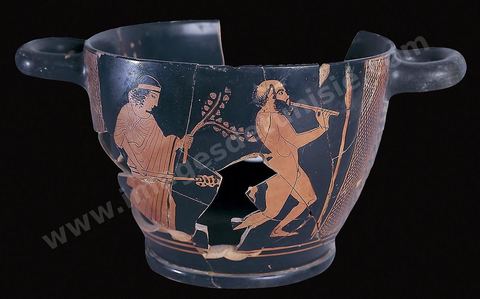
Vase à boire (skyphos) à deux anses et à figures rouges sur fond noir représentant un satyre et une bacchante (nécropole d’Ardh el Morali, Carthage, ve‑siècle av.‑J.-C., musée du Bardo) section punique - musée du bardo
A14-08
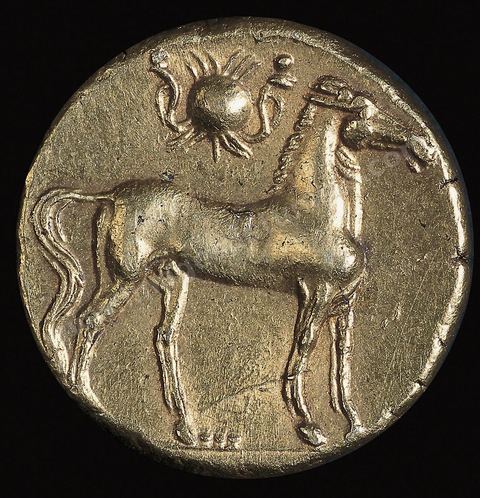
Monnaie punique en or. Avers‑: tête féminine diadémée portant boucles d’oreilles et collier‑; revers‑: cheval surmonté d’un uraeus (milieu du iiie‑siècle av.‑J.-C., musée du Bardo) section punique - musée du bardo
A14-09
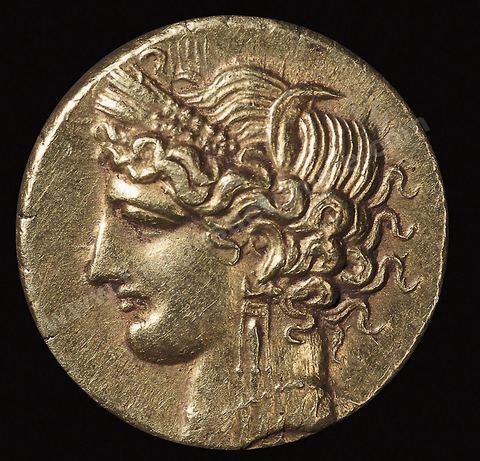
Monnaie punique en or. Avers‑: tête féminine diadémée portant boucles d’oreilles et collier‑; revers‑: cheval surmonté d’un uraeus (milieu du iiie‑siècle av.‑J.-C., musée du Bardo) section punique - musée du bardo
A14-10
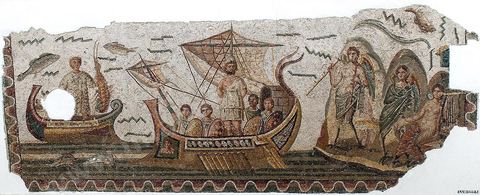
Ulysses and the Sirens, 3rd century AD, Dougga, Bardo Museum - Mosaic from the Bardo National Museum - Tunis
A14-100 · 2008
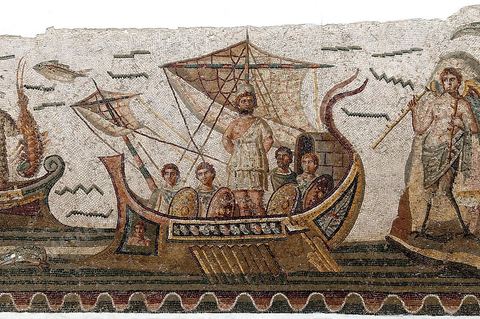
Ulysses and the Sirens, 3rd century AD, Dougga, Bardo Museum - Mosaic from the Bardo National Museum - Tunis
A14-101 · 2008
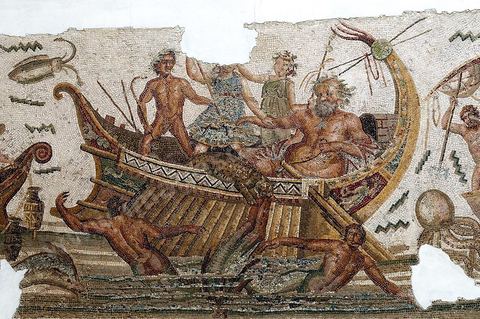
Ulysses and the Sirens, 3rd century AD, Dougga, Bardo Museum - Mosaic from the Bardo National Museum - Tunis
A14-102 · 2008
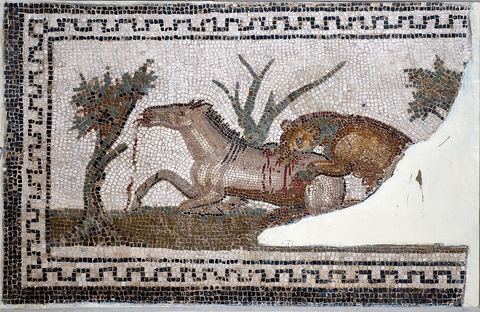
Mosaic at the Bardo National Museum - Tunis
A14-103 · 2008
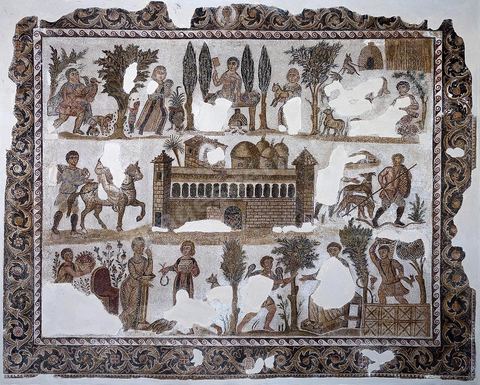
Mosaic at the Bardo National Museum - Tunis
A14-104 · 2008
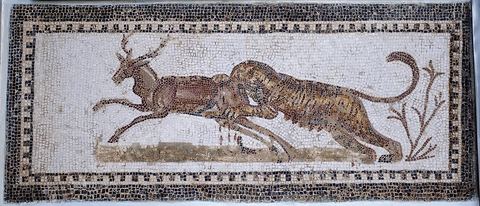
Mosaic at the Bardo National Museum - Tunis
A14-105 · 2008
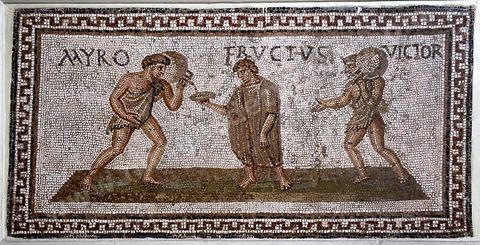
Mosaic at the Bardo National Museum - Tunis
A14-106 · 2008
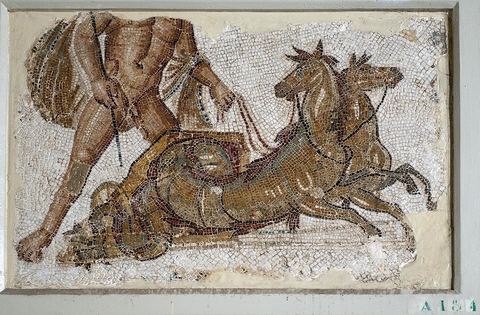
Mosaic at the Bardo National Museum - Tunis
A14-107 · 2008
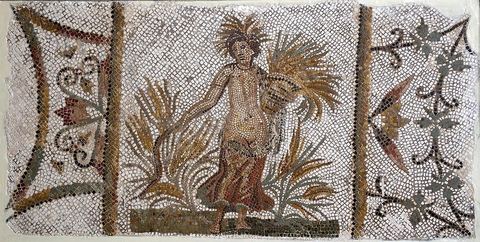
Mosaic at the Bardo National Museum - Tunis
A14-108 · 2008
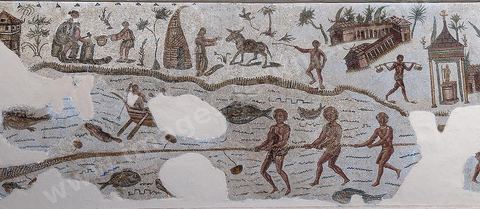
Mosaic at the Bardo National Museum - Tunis
A14-109 · 2008
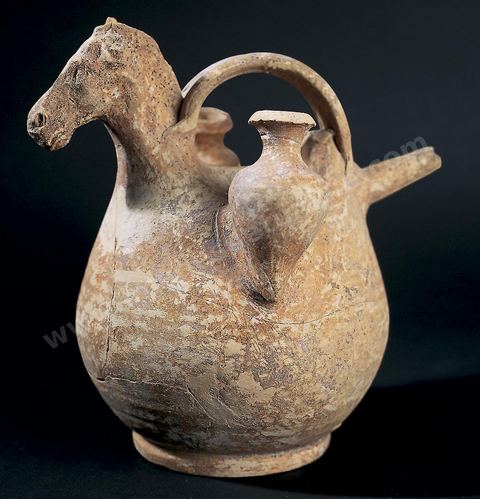
Vase (askos) shaped like a horse laden with amphorae, a common scene from daily life at the time that is frequently found in the late necropolises of Carthage (H. 16 cm, W. 11 cm, 3rd–2nd centuries B.C., Bardo Museum) Punic section – Bardo Museum
A14-11
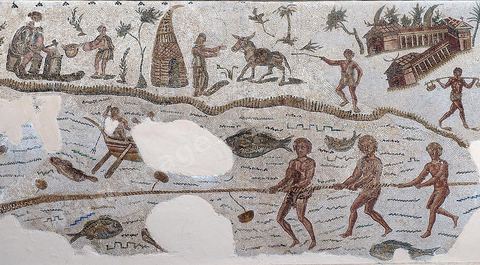
Mosaic at the Bardo National Museum - Tunis
A14-110 · 2008
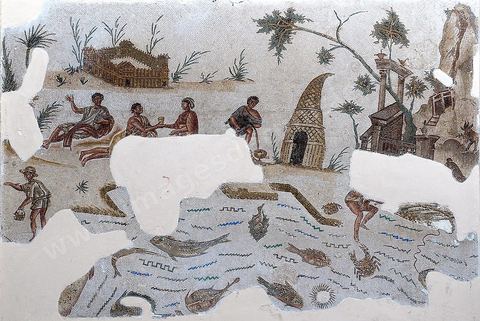
Mosaic at the Bardo National Museum - Tunis
A14-111 · 2008
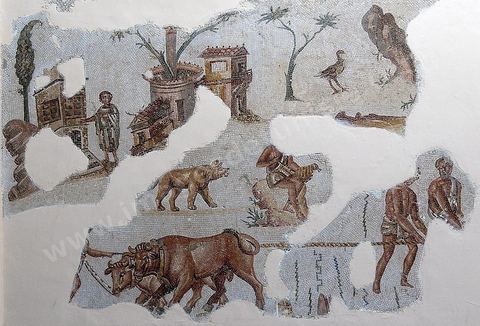
Mosaic at the Bardo National Museum - Tunis
A14-112 · 2008
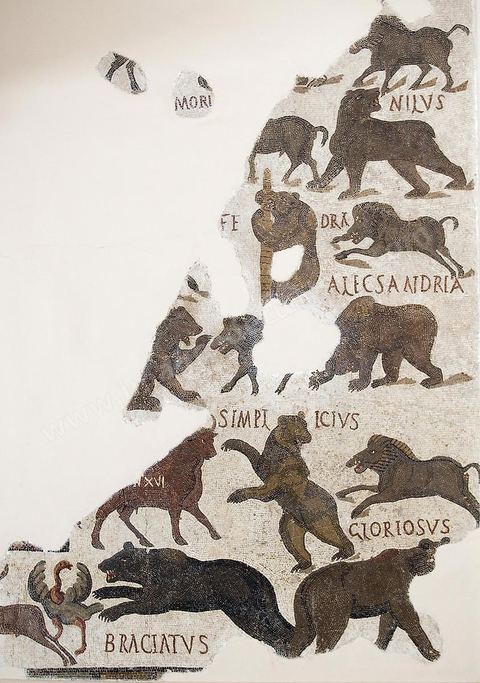
Mosaic at the Bardo National Museum - Tunis
A14-113 · 2008
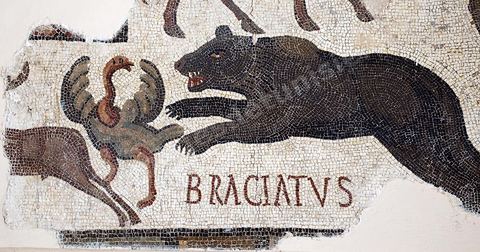
Mosaic at the Bardo National Museum - Tunis
A14-114 · 2008
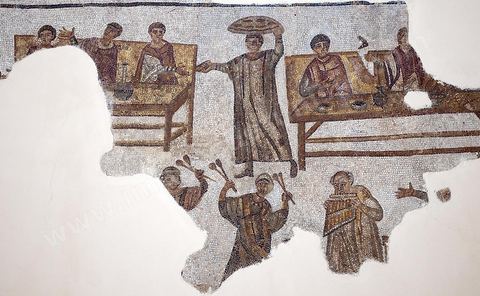
Mosaic at the Bardo National Museum - Tunis
A14-115 · 2008
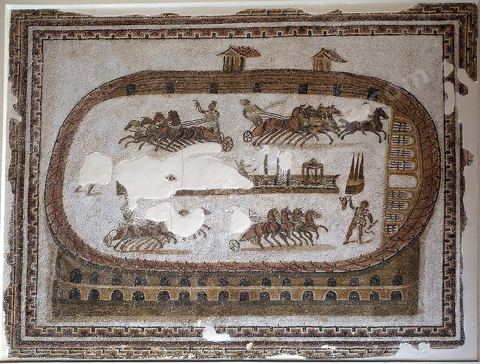
Mosaic at the Bardo National Museum - Tunis
A14-116 · 2008
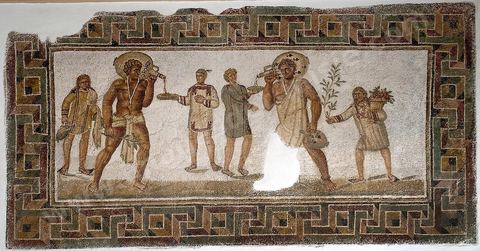
Mosaic at the Bardo National Museum - Tunis
A14-117 · 2008
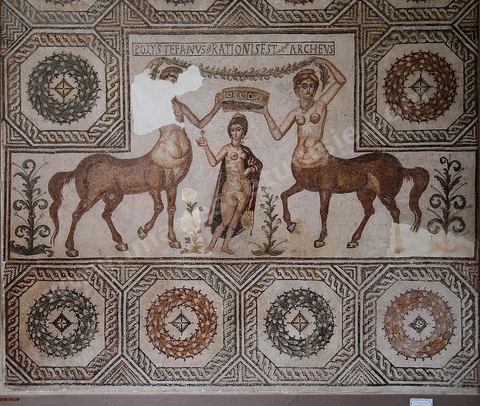
Mosaic at the Bardo National Museum - Tunis
A14-118 · 2008
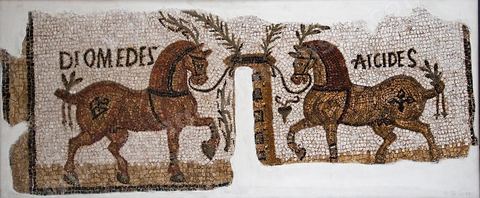
Mosaic at the Bardo National Museum - Tunis
A14-119 · 2008
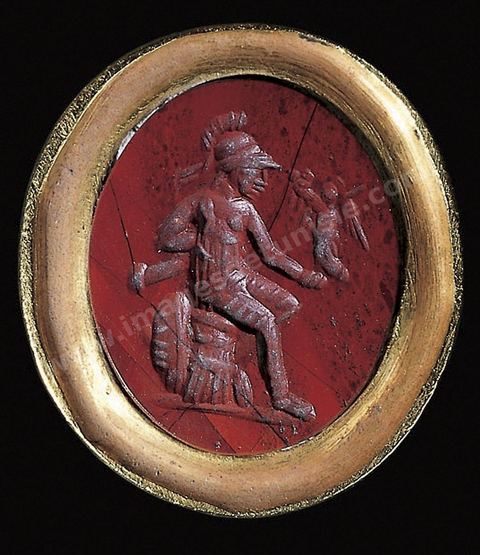
On a carnelian stone framed in gold, a seated figure, wearing a helmet and carrying a weapon, is preparing to welcome a figure who appears to be Love—Punic section—Bardo Museum
A14-12
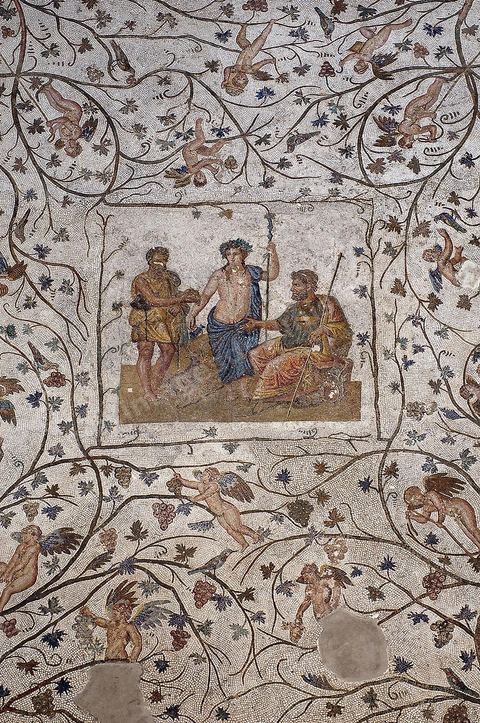
Mosaic at the Bardo National Museum - Tunis
A14-120 · 2008
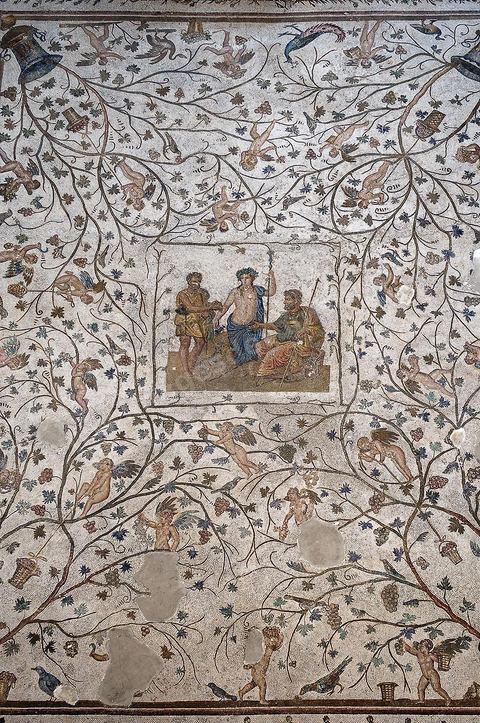
Mosaic at the Bardo National Museum - Tunis
A14-121 · 2008
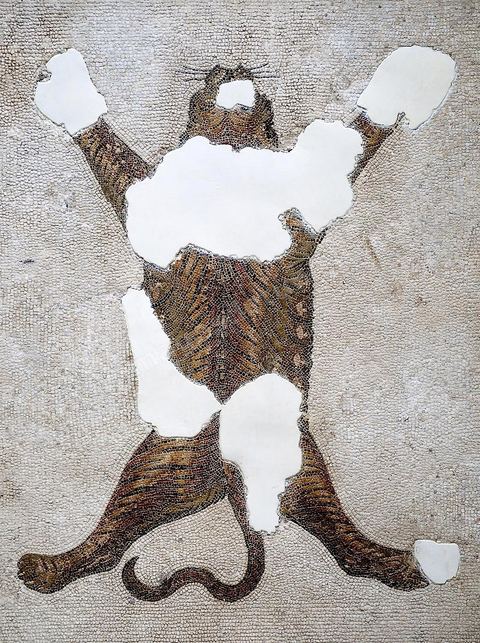
Mosaic at the Bardo National Museum - Tunis
A14-122 · 2008
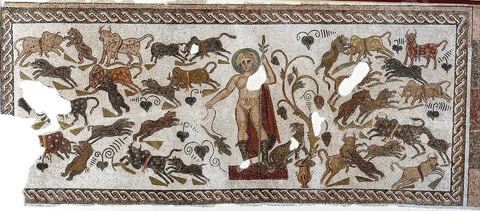
Mosaic at the Bardo National Museum - Tunis
A14-123 · 2008
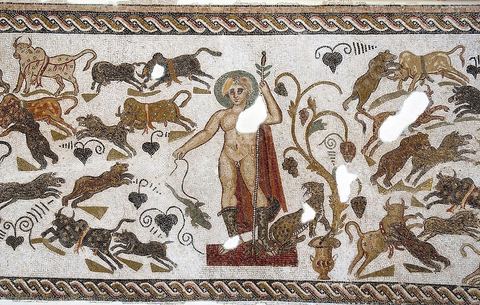
Mosaic at the Bardo National Museum - Tunis
A14-124 · 2008
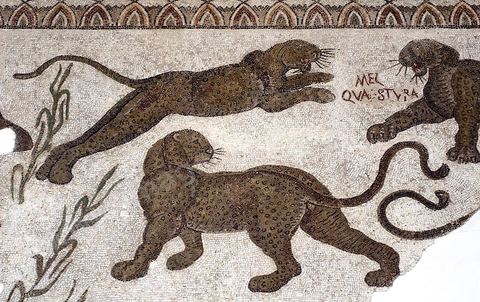
Mosaic at the Bardo National Museum - Tunis
A14-125 · 2008
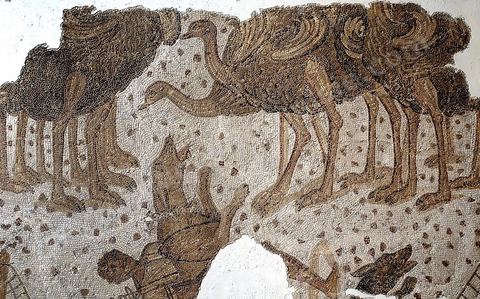
Mosaic at the Bardo National Museum - Tunis
A14-126 · 2008
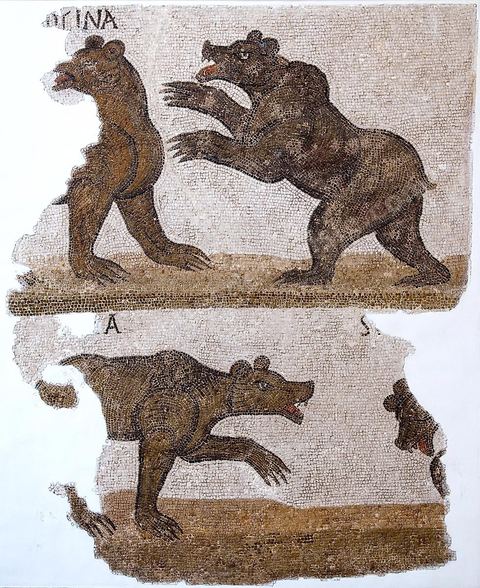
Mosaic at the Bardo National Museum - Tunis
A14-127 · 2008
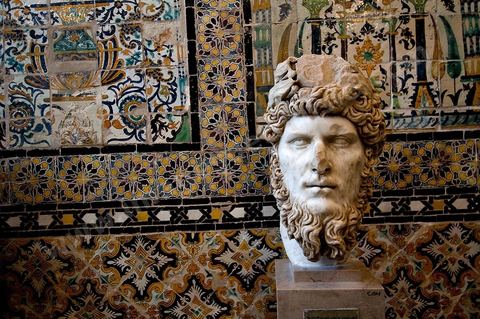
Hall of the Bardo Palace - Bardo National Museum - Tunis
A14-128 · 2008
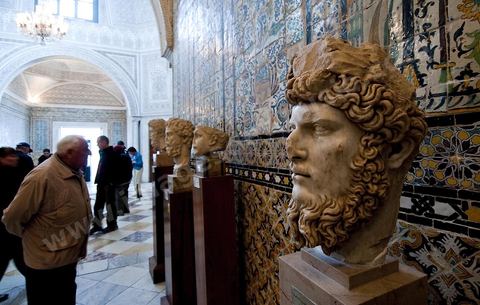
Hall of the Bardo Palace - Bardo National Museum - Tunis
A14-129 · 2008
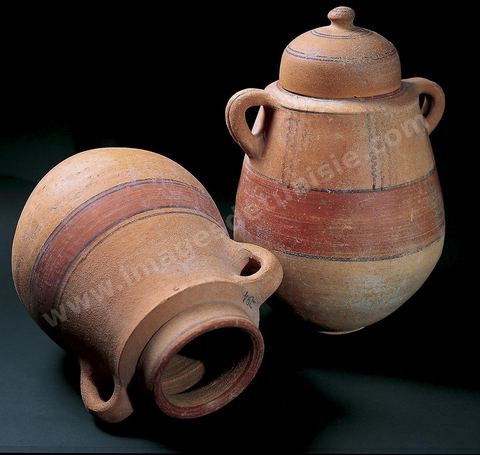
Amphores, dites à épaulement, produites à Carthage à l’époque archaïque et souvent mises au jour‑au niveau Tanit I du tophet (viiie-VIIe‑siècles). Décor de bandes rouges et de lignes noires (H. 25 à 30‑cm, tophet, Carthage, musée‑de‑Carthage). Section punique
A14-13
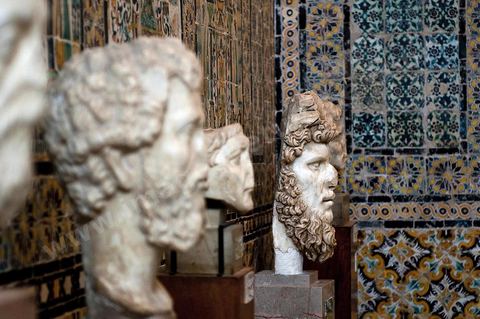
Hall of the Bardo Palace - Bardo National Museum - Tunis
A14-130 · 2008
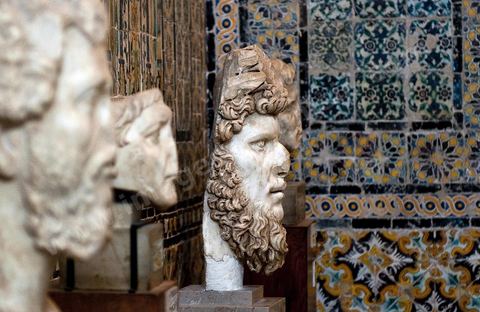
Hall of the Bardo Palace - Bardo National Museum - Tunis
A14-131 · 2008
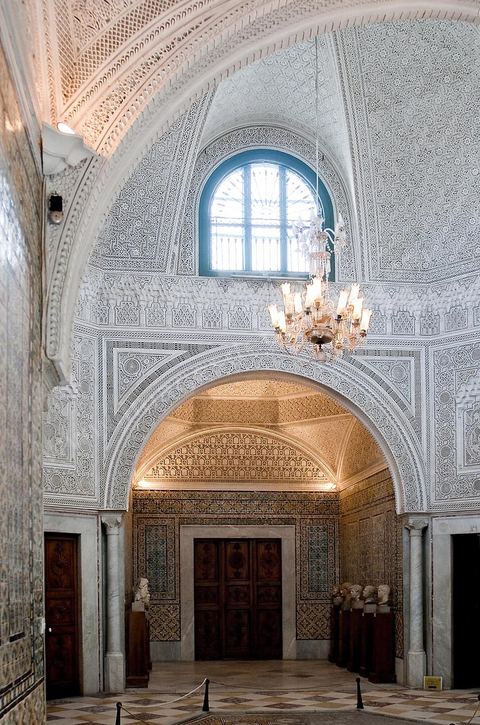
Hall of the Bardo Palace - Bardo National Museum - Tunis
A14-132 · 2008
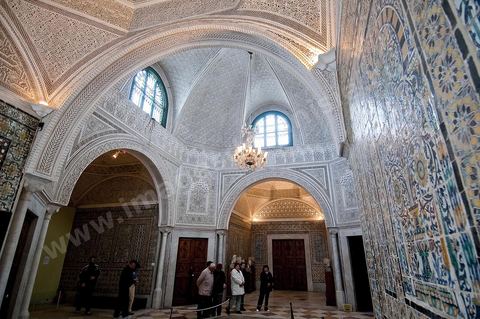
Hall of the Bardo Palace - Bardo National Museum - Tunis
A14-133 · 2008
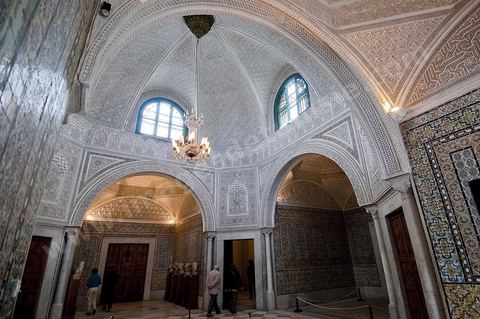
Hall of the Bardo Palace - Bardo National Museum - Tunis
A14-134 · 2008