Carthage
1–200 of 229 · page 4/5
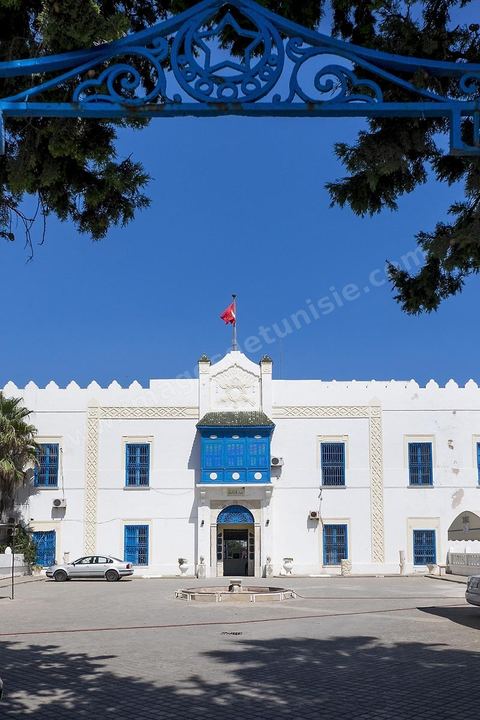
Beit El Hilma in Carthage
A02-168 · 2015
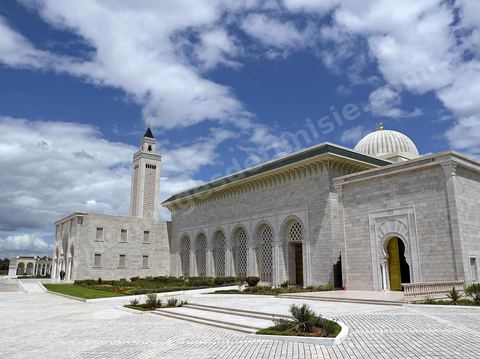
La mosquée El Abidine de Carthage est située au-dessus de la ville de Carthage. Elle est érigée au lieu-dit « La Colline de l'Odéon », au cœur du site archéologique de Carthage. Ouvert en 2003, l'édifice comporte une salle de prière pouvant accueillir 1 000 fidèles, une cour intérieure couvrant 1 500 m2, une esplanade de 2 500 m2 et un minaret d'une base de 9 mètres et haut de 55 mètres.
A02-200
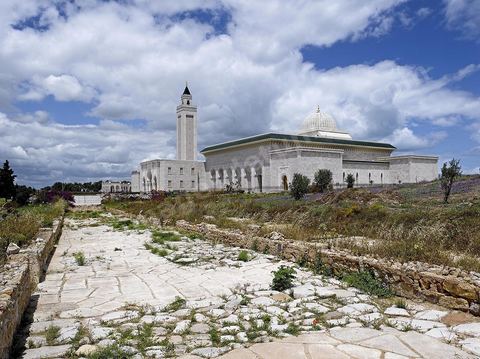
La mosquée El Abidine de Carthage est située au-dessus de la ville de Carthage. Elle est érigée au lieu-dit « La Colline de l'Odéon », au cœur du site archéologique de Carthage. Ouvert en 2003, l'édifice comporte une salle de prière pouvant accueillir 1 000 fidèles, une cour intérieure couvrant 1 500 m2, une esplanade de 2 500 m2 et un minaret d'une base de 9 mètres et haut de 55 mètres.
A02-202
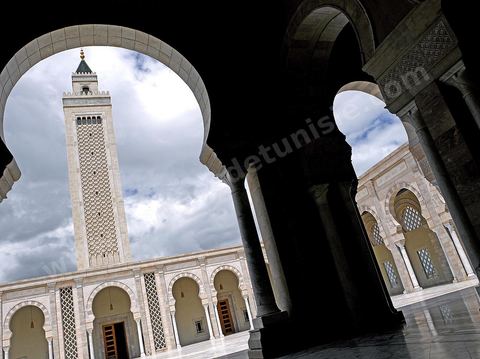
La mosquée El Abidine de Carthage est située au-dessus de la ville de Carthage. Elle est érigée au lieu-dit « La Colline de l'Odéon », au cœur du site archéologique de Carthage. Ouvert en 2003, l'édifice comporte une salle de prière pouvant accueillir 1 000 fidèles, une cour intérieure couvrant 1 500 m2, une esplanade de 2 500 m2 et un minaret d'une base de 9 mètres et haut de 55 mètres.
A02-203
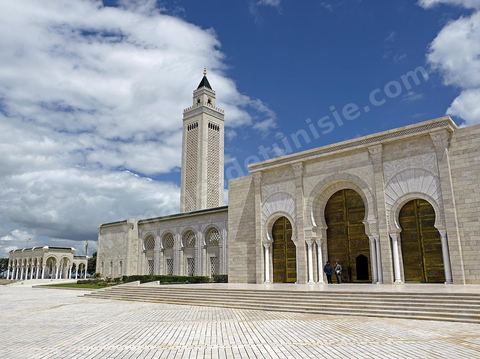
La mosquée El Abidine de Carthage est située au-dessus de la ville de Carthage. Elle est érigée au lieu-dit « La Colline de l'Odéon », au cœur du site archéologique de Carthage. Ouvert en 2003, l'édifice comporte une salle de prière pouvant accueillir 1 000 fidèles, une cour intérieure couvrant 1 500 m2, une esplanade de 2 500 m2 et un minaret d'une base de 9 mètres et haut de 55 mètres.
A02-204 · 2008
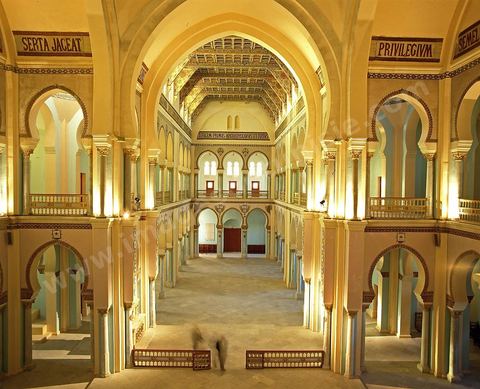
Interior of St. Louis Cathedral in Carthage
A02-230
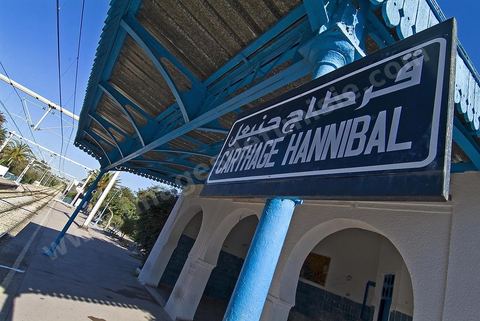
TGM Carthage Hannibal Station in Carthage
A02-300 · 2008
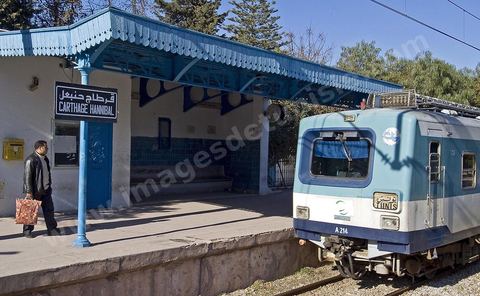
TGM Carthage Hannibal Station in Carthage
A02-301 · 2008
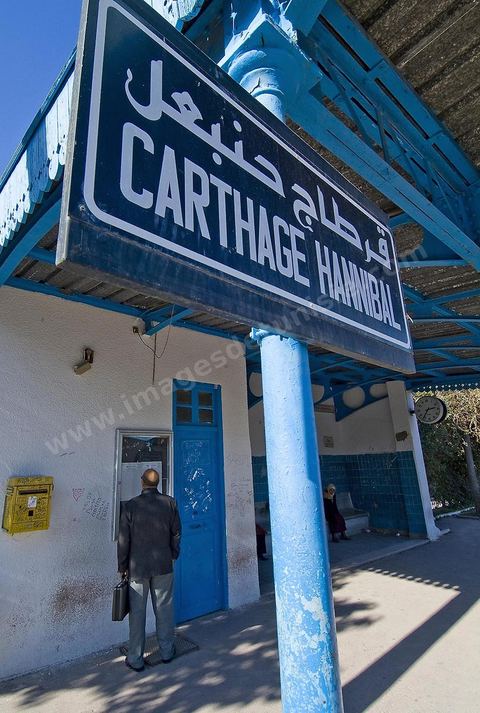
TGM Carthage Hannibal Station in Carthage
A02-302 · 2008
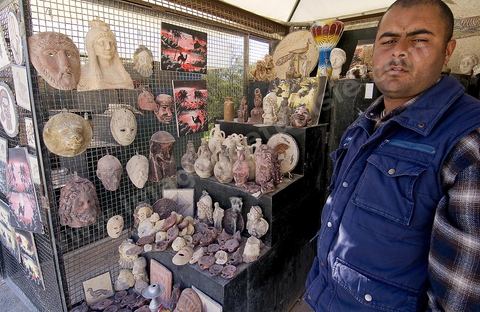
Souvenir vendor in front of the Archaeological Museum of Carthage
A02-303 · 2008
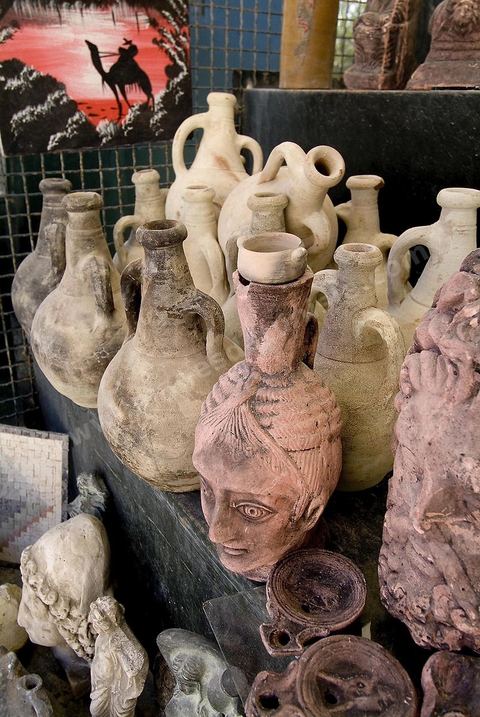
Souvenir vendor in front of the Archaeological Museum of Carthage
A02-304 · 2008
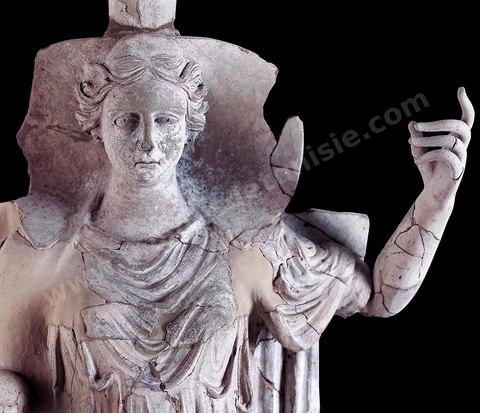
Statue de Déméter en terre cuite, presque grandeur nature, assise sur un trône en posture divine, vêtue d’une robe plissée, la tête coiffée d’une tiare cylindrique en forme de boisseau ou polos, et encadrée d’un voile rigide évoquant une conque. Son culte et celui de Coré furent officiellement introduits à Carthage en 396‑av. J.-C. pour réparer la profanation d’un de ses temples à Syracuse. Très présente dans les sanctuaires ruraux du Cap Bon, on l’y trouve tantôt associée à Baal Hammon et Tanit , tantôt accompagnée de ses parèdres Coré et Pluton, comme à Korba. Elle semble porter la réminiscence d’un modèle dû aux coroplathes siciliens des IVe-IIIe siècles av. J.-C. ( sanctuaire rural près de Korba , fin‑IVe-début IIIe siècle av. J.-C., musée du Bardo ).
A14-299
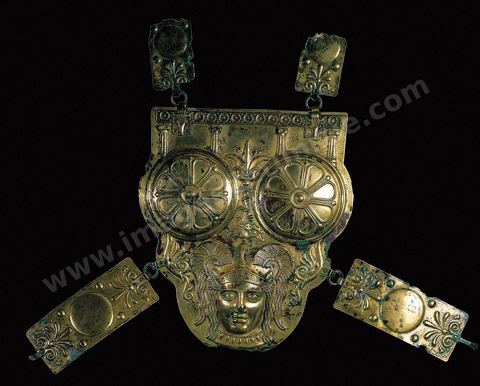
A ceremonial bronze breastplate of Campanian or Apulian origin, consisting of a front plate bearing a helmeted head of Minerva and an ornately worked back plate. This cuirass was likely brought back from the Italian campaign by a soldier in Hannibal’s army who wished to keep it with him in his tomb (H. 30 cm, tomb in the Ksour-Essaf region, late 3rd century B.C., Bardo Museum). Punic Section—Bardo Museum
A14-38
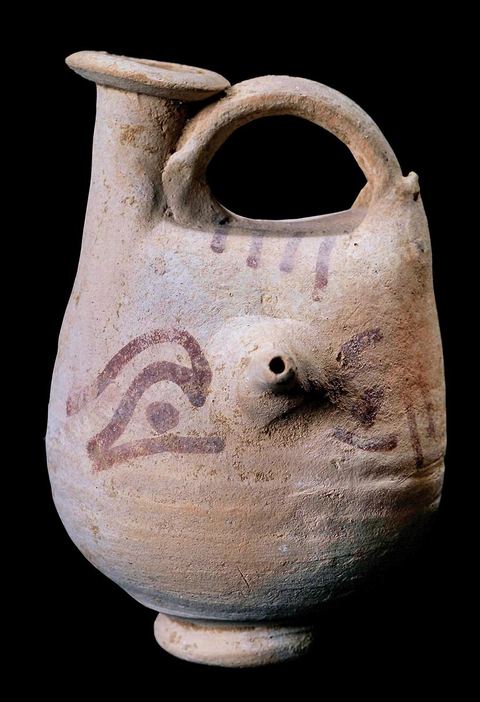
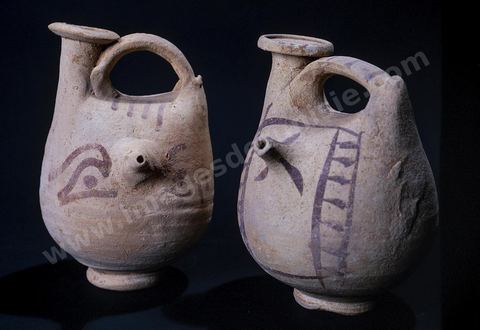
Punic terracotta bottle-shaped vase decorated with a painted human mask in which the nose serves as a nipple: the shape and decoration serve as a charm to ward off evil and are believed to protect the child from harm (H.‑11‑cm, Punic necropolis of Carthage, 3rd century B.C., Bardo Museum). Punic section—Bardo Museum
A14-45_01 · 2021
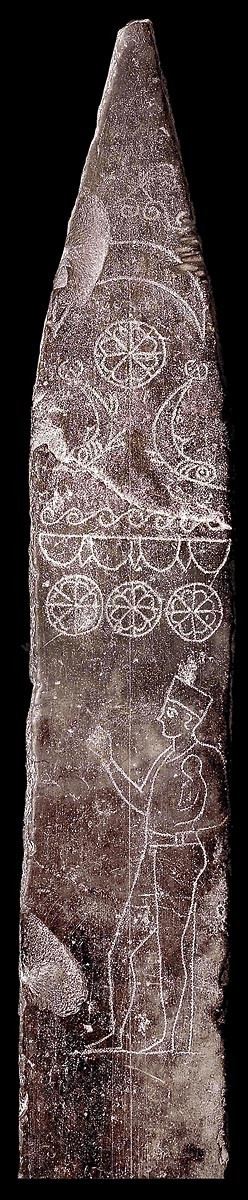
Stèle en calcaire, en forme d’obélisque, portant un décor gravé représentant un prêtre ( kohen ), vêtu comme ceux d’Égypte d’une robe de lin transparente et coiffé du bonnet cylindrique des kohanim. Sa main droite est levée dans un geste de prière, et il tient sur son bras gauche un enfant qu’il s’apprête à sacrifier selon la conception traditionnelle du tophet, ou à «restituer» à la divinité selon des interprétations récentes. Le fronton de la stèle est orné du disque solaire et du croissant ( symboles de Baal et de Tanit ) surplombant deux dauphins qui évoquent l’Océan céleste. Cette stèle est l’un des arguments principaux de ceux qui pensent que des sacrifices d’enfants étaient effectués dans le tophet ( H. 120 cm, tophet de Carthage, IIIe siècle, musée du Bardo ). Section punique - musée du Bardo
A14-47
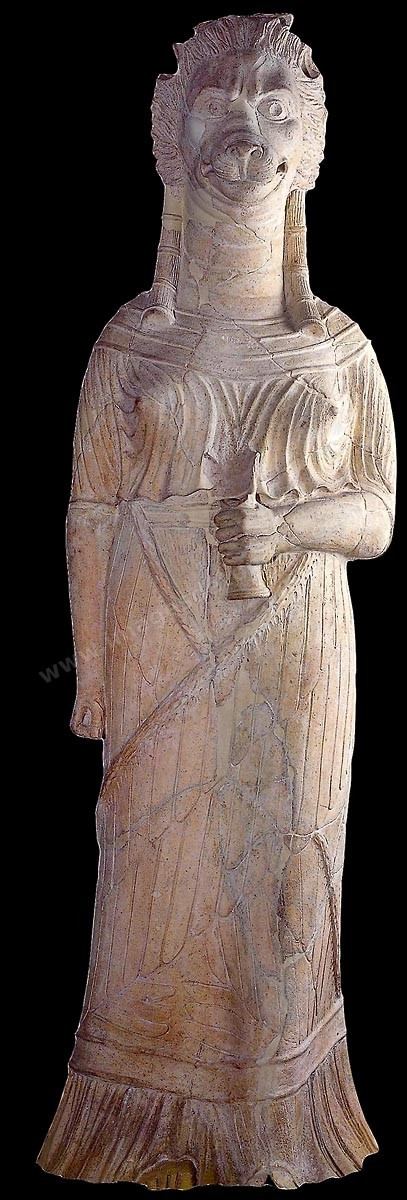
A terracotta lion-headed goddess depicting Tanit, identified thanks to a Roman coin dating from 46 B.C., on which she appears accompanied by the initials G.T.A. (Genius Terrae Africae, spirit of the land of Africa). As the personification of Africa and the ruler of its destiny, she was all the more suited to take on the lion’s head, since the king of the animals and the forces of nature has always been one of the continent’s essential symbols (H. 150 cm, W 46 cm, D 36 cm, Thinissut sanctuary, near Bir Bouregba, 1st century A.D., Bardo Museum). Numidian Section—Bardo Museum
A14-52
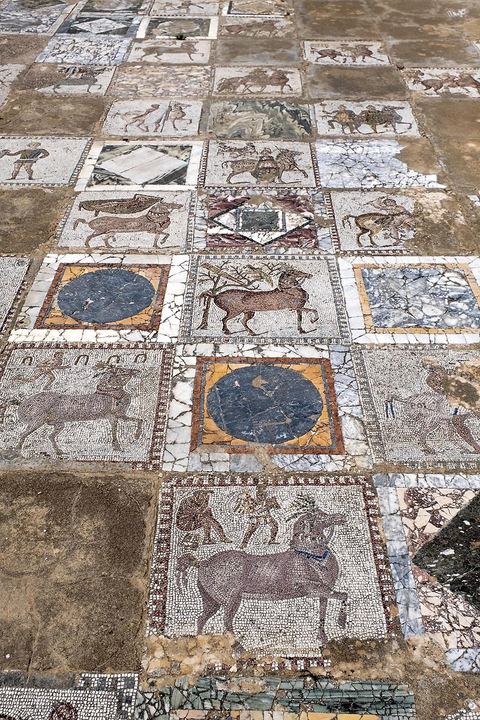
Villa Volière in the Carthage Archaeological Park
XT202616 · 2017
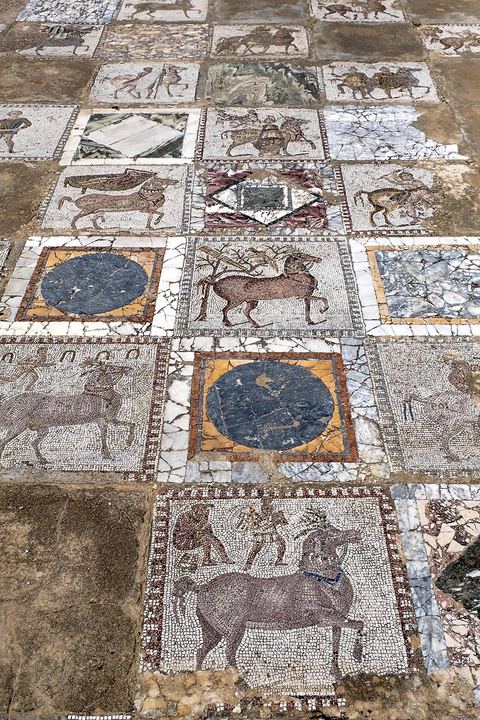
Villa Volière in the Carthage Archaeological Park
XT202621 · 2017
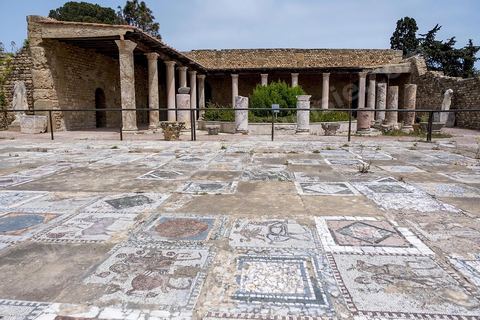
XT202623
XT202623 · 2017
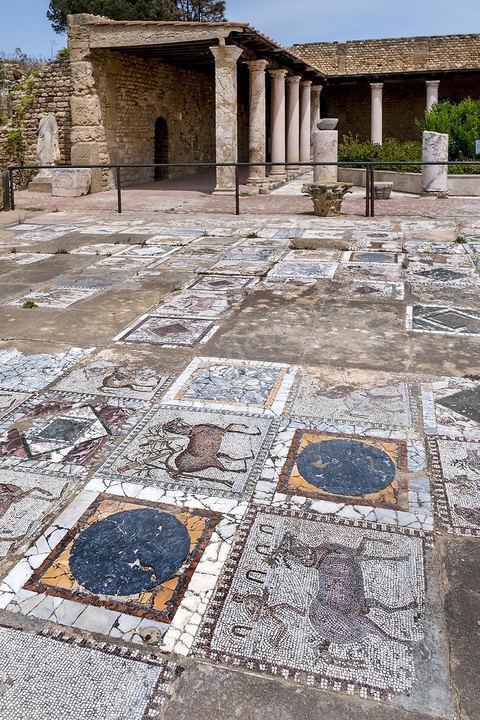
Villa Volière in the Carthage Archaeological Park
XT202630 · 2017
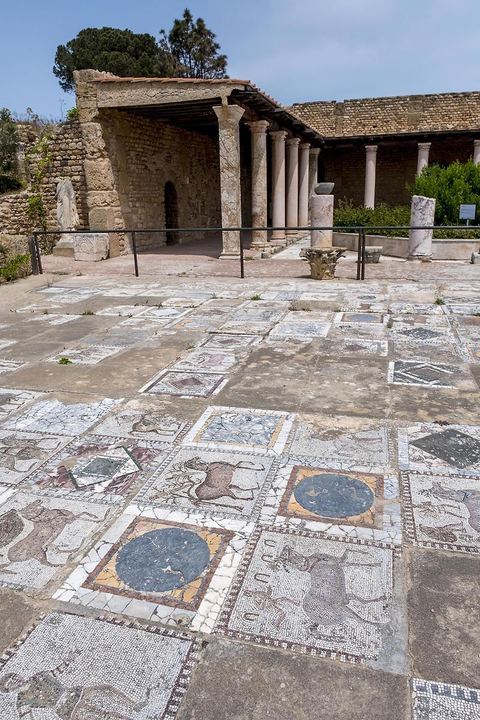
XT202630_1
XT202630_1 · 2017
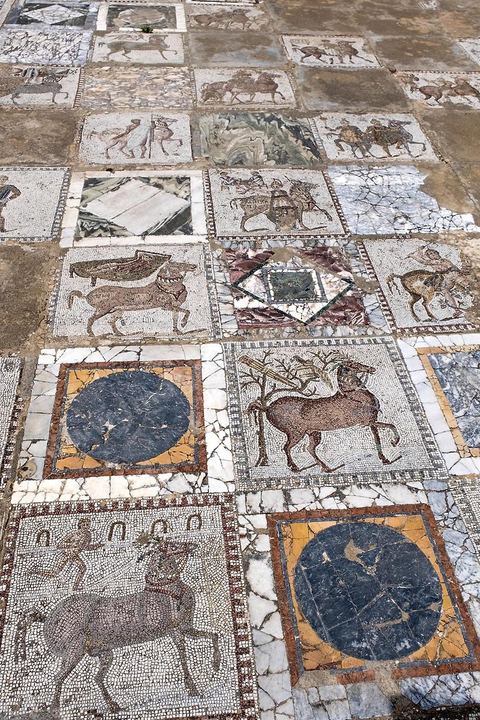
Villa Volière in the Carthage Archaeological Park
XT202631 · 2017
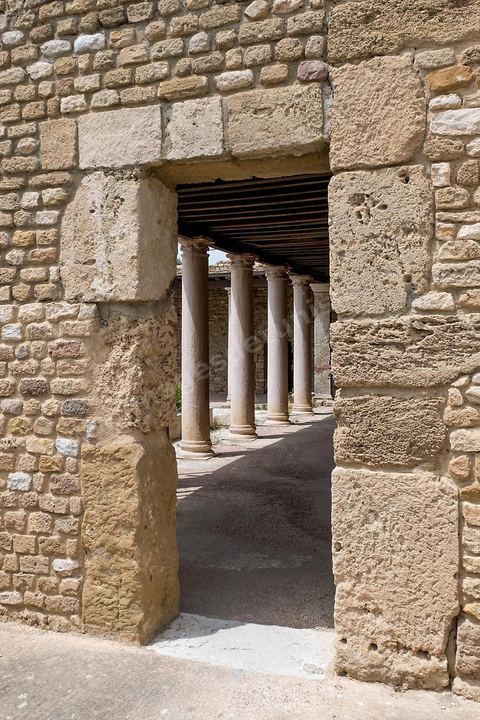
Villa Volière in the Carthage Archaeological Park
XT202659 · 2017
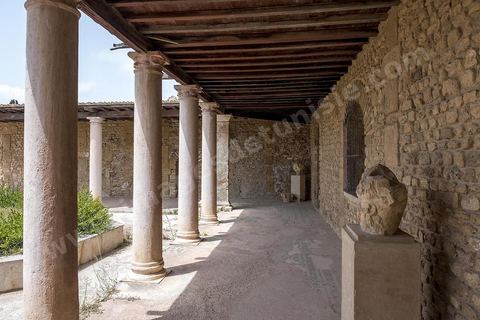
XT202668
XT202668 · 2017
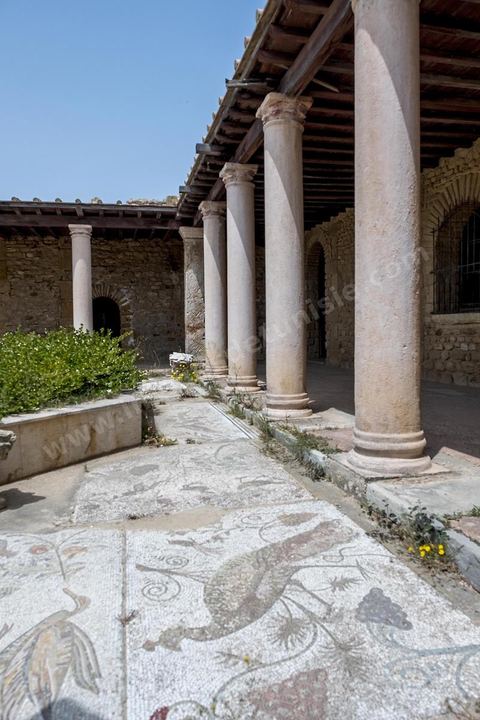
XT202672
XT202672 · 2017
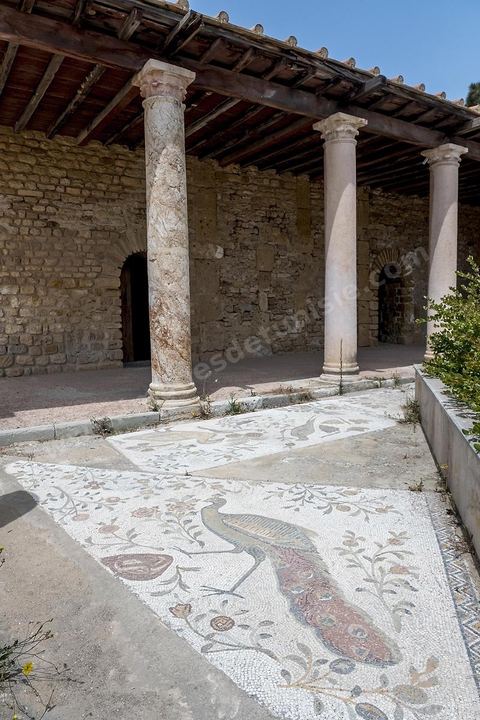
XT202681
XT202681 · 2017
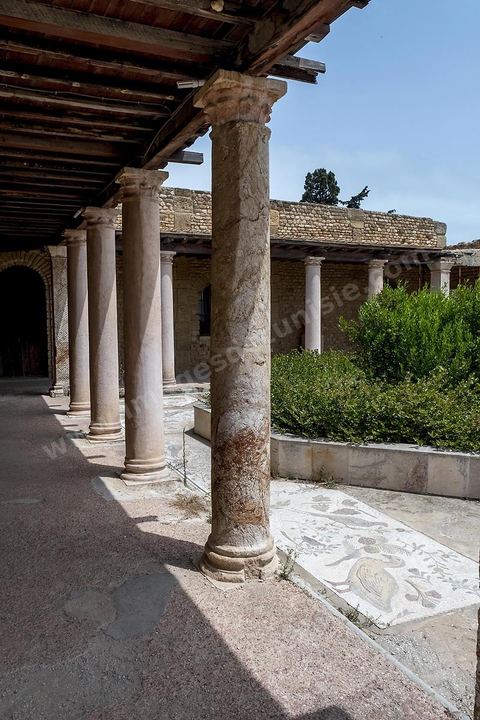
XT202692
XT202692 · 2017
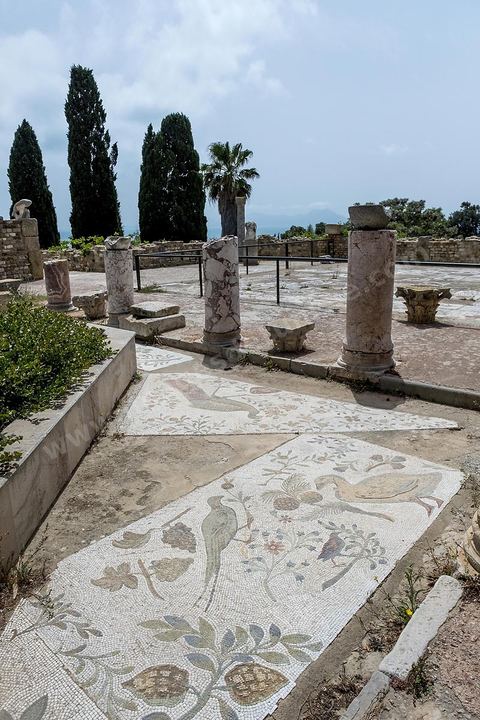
XT202698
XT202698 · 2017
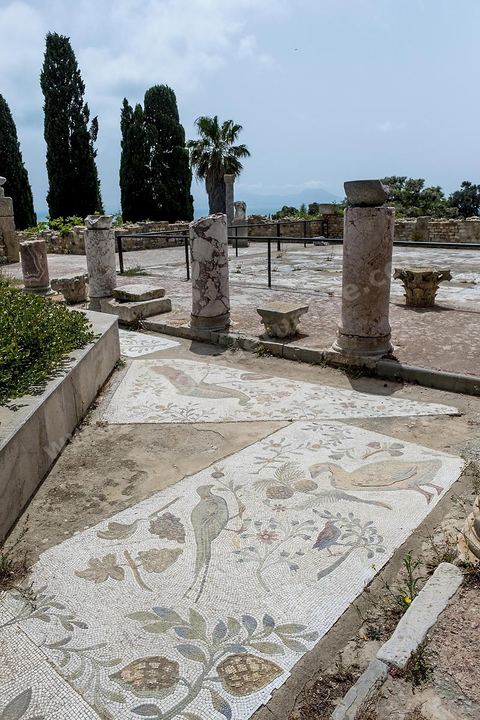
XT202707
XT202707 · 2017
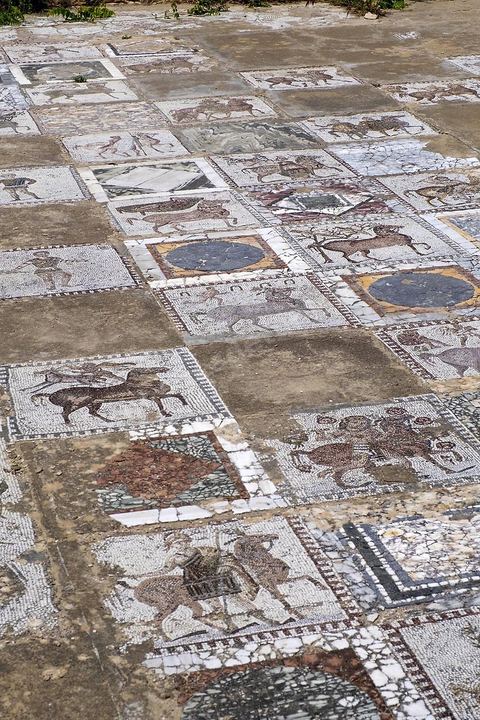
Villa Volière in the Carthage Archaeological Park
XT202719 · 2017
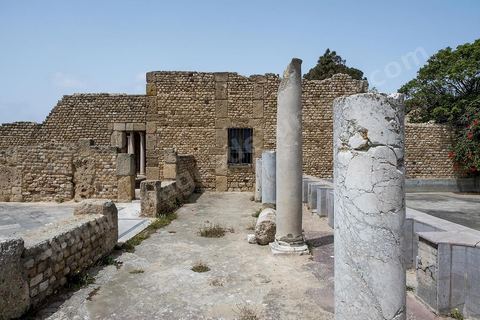
XT202725
XT202725 · 2017
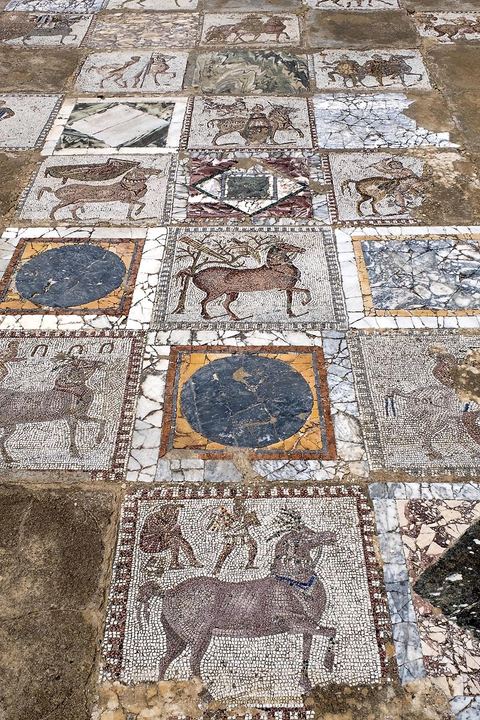
Villa Volière in the Carthage Archaeological Park
XT202736 · 2017
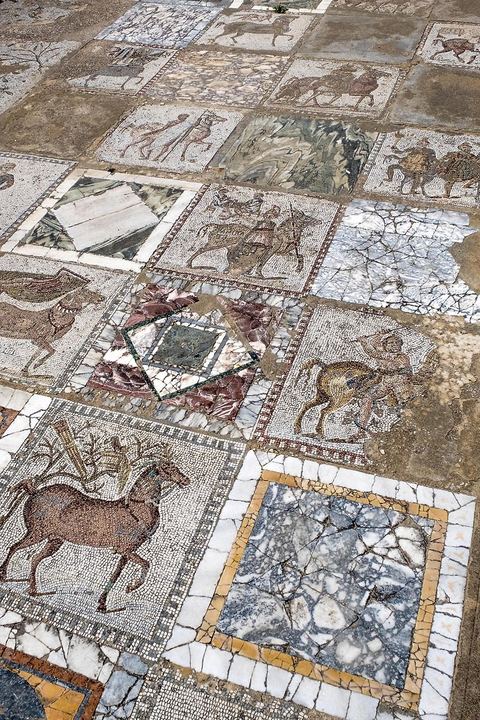
Villa Volière in the Carthage Archaeological Park
XT202749 · 2017
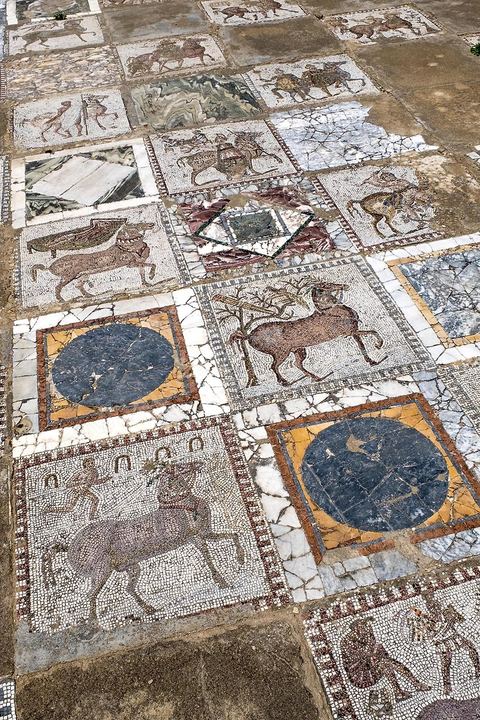
Villa Volière in the Carthage Archaeological Park
XT202753 · 2017
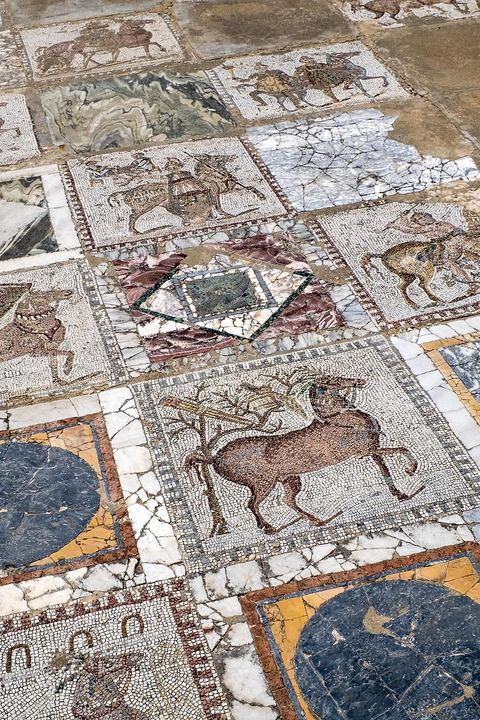
Villa Volière in the Carthage Archaeological Park
XT202756 · 2017
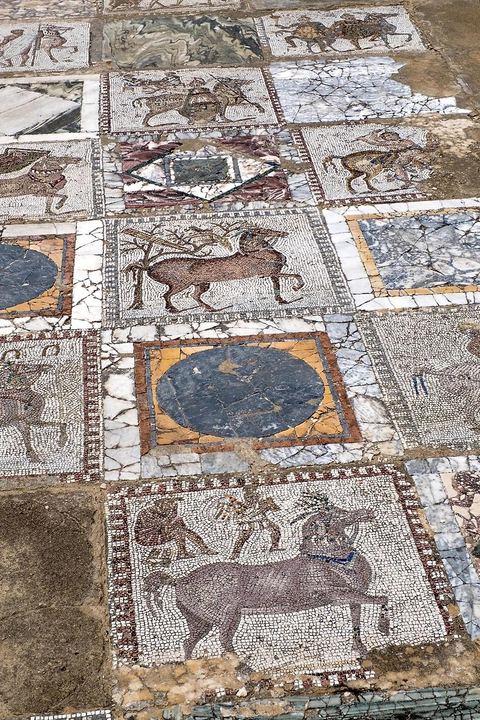
Villa Volière in the Carthage Archaeological Park
XT202761 · 2017
XT202775
XT202775 · 2017
XT202778
XT202778 · 2017
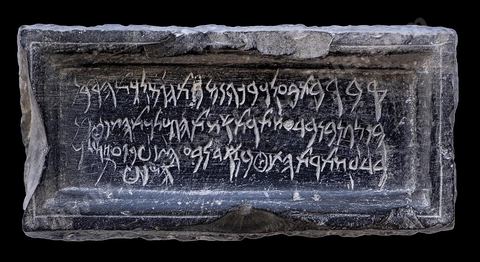
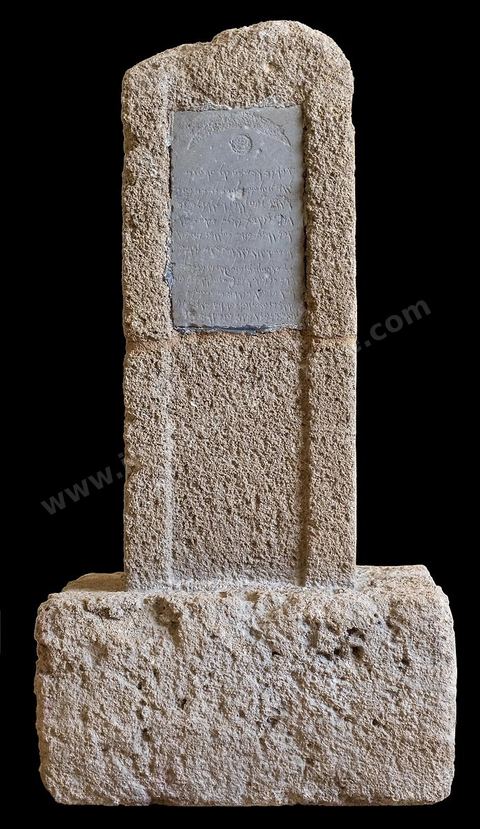
Epitaphe de la prêtresse Batbaal, cheffe du clergé. Calcaire métamorphisé noir. Musée national de Carthage
XT500732
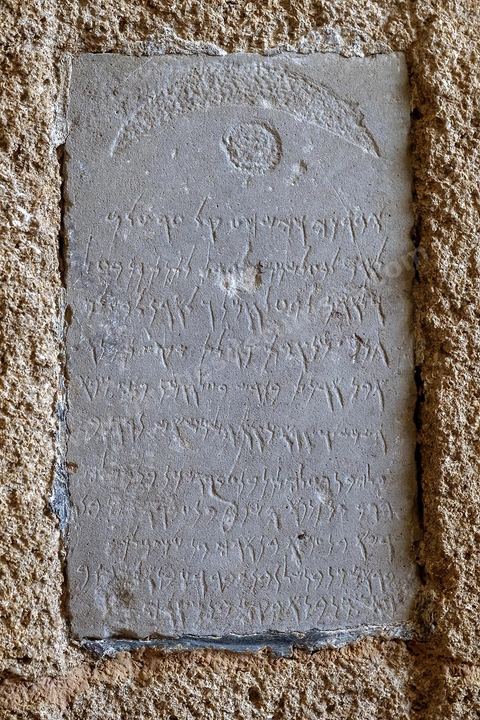
Votive stele dedicated to Baal Shamim and Tanit. Compact sandstone and metamorphosed limestone. National Museum of Carthage
XT500763 · 2024
Votive stele dedicated to Baal Shamim and Tanit. Compact sandstone and metamorphosed limestone. National Museum of Carthage
XT500777 · 2024
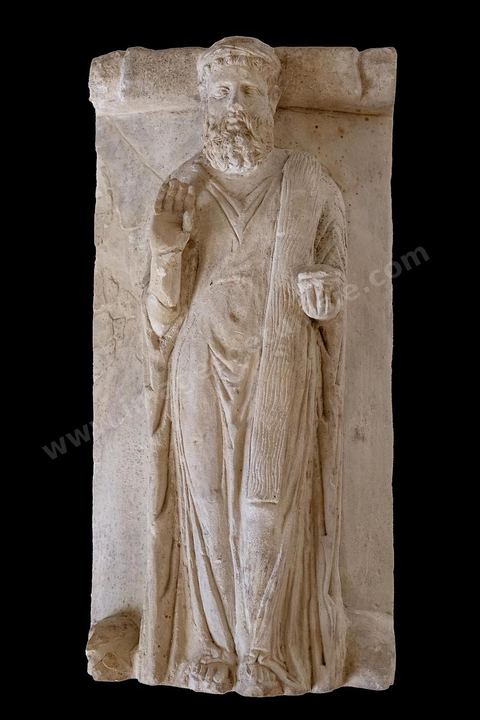
Small anthropomorphic ossuary with a figure in prayer: Borj Jedid necropolis. Soft clay. National Museum of Carthage
XT500809 · 2024
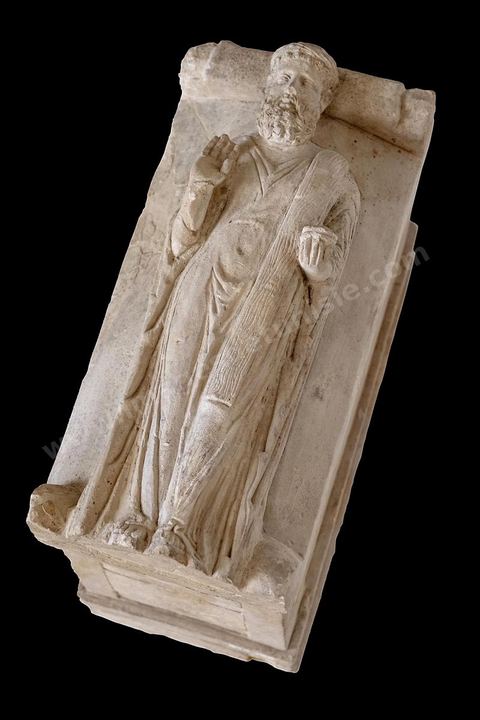
Small anthropomorphic ossuary with a figure in prayer: Borj Jedid necropolis. Soft clay. National Museum of Carthage
XT500828 · 2024
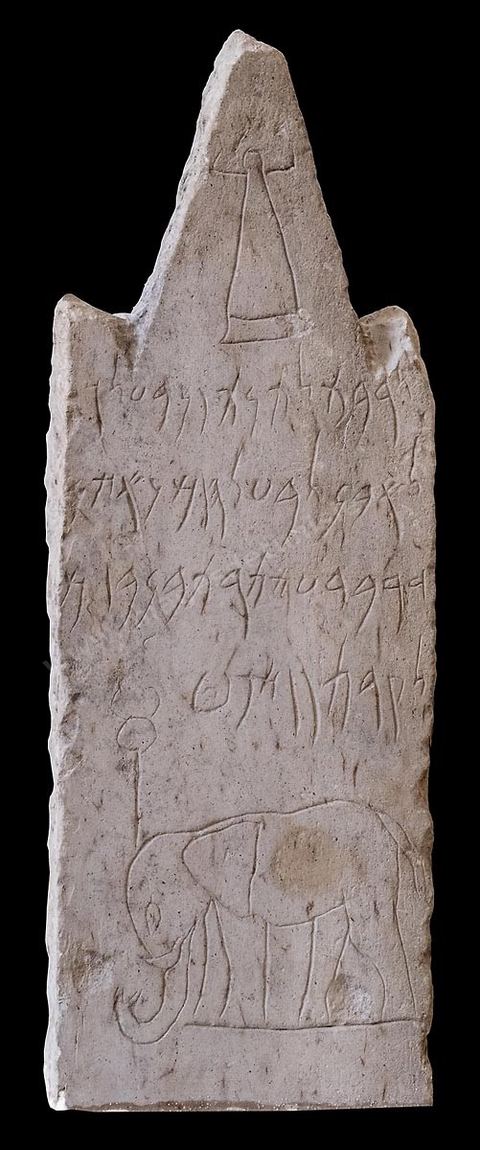
Stèle votive à l'éléphant. Calcaire compacté. Musée National de Carthage
XT500940 · 2024
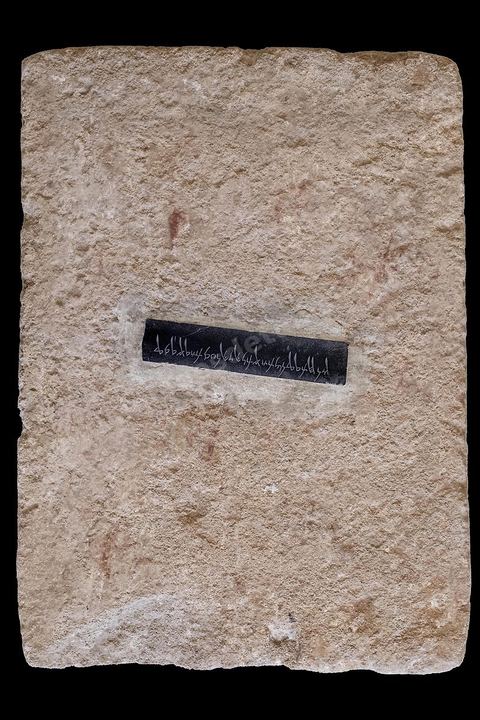
Epitaph on the sarcophagus: Aristabal, priestess of Melqart. Limestone and a tablet of boirr marble. National Museum of Carthage
XT500960 · 2024
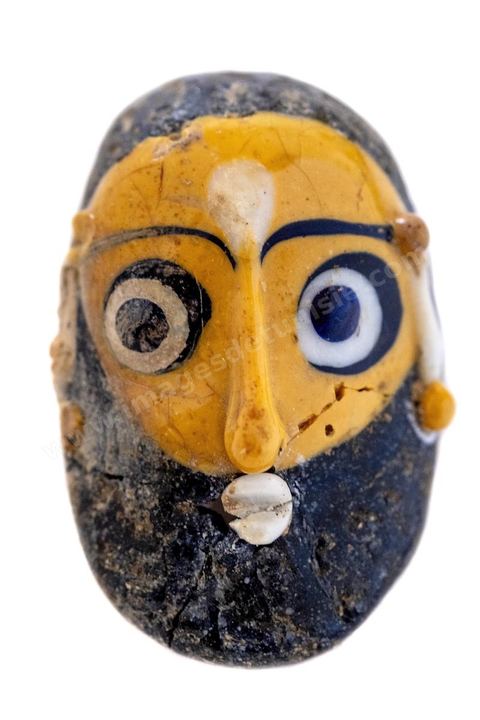
Men's amulet made of siliceous material. National Museum of Carthage
XT501037 · 2024
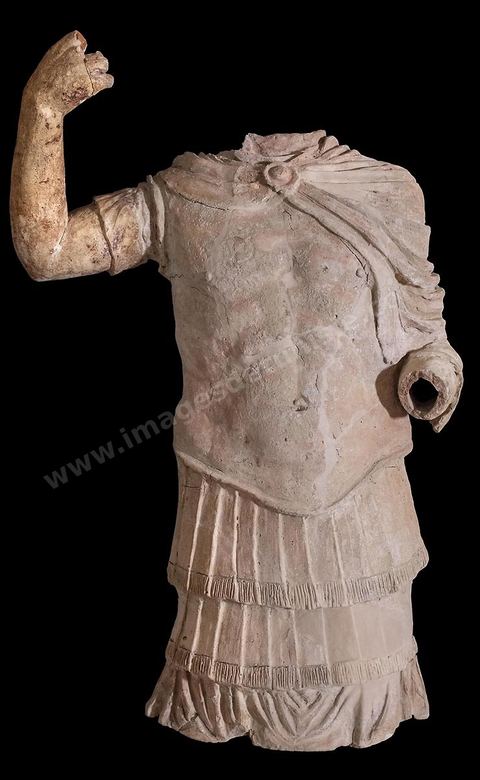
Soldat punique en terre cuite. Musée National de Carthage
XT501141 · 2024
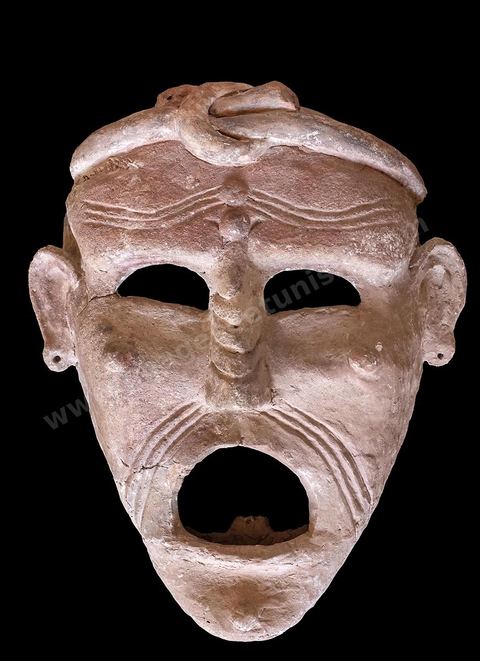
Punic terracotta mask. National Museum of Carthage
XT501168 · 2024
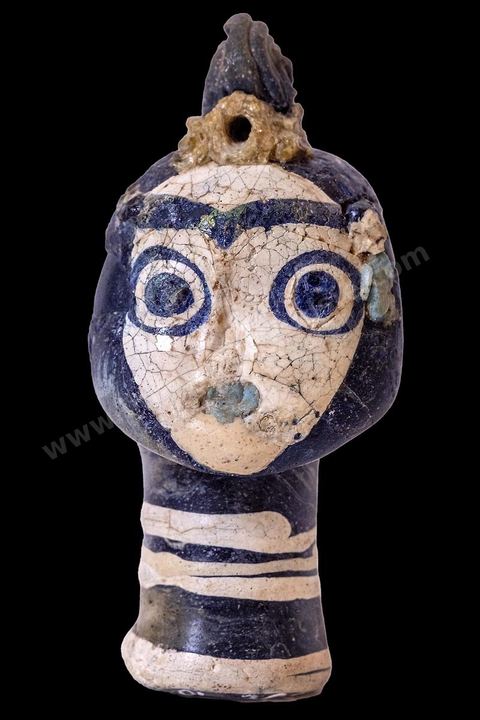
National Museum of Carthage
XT501189
_DSF3654
_DSF3654 · 2021