Le musée du Bardo
1–150 of 340 · page 3/7
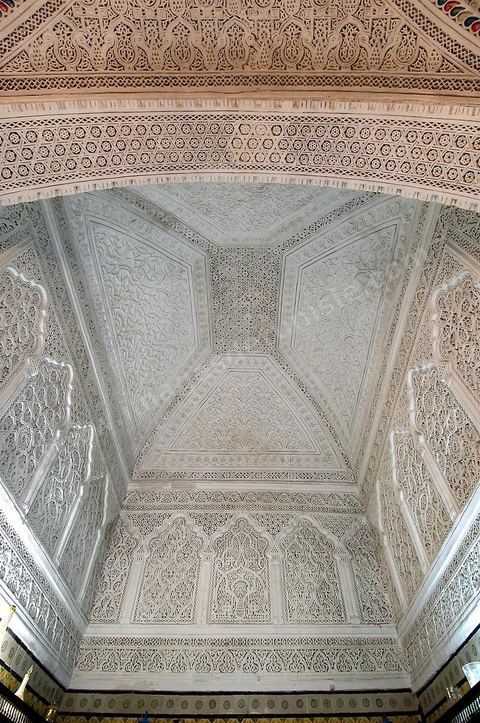
Hall of the Bardo Palace - Bardo National Museum - Tunis
A14-180 · 2008
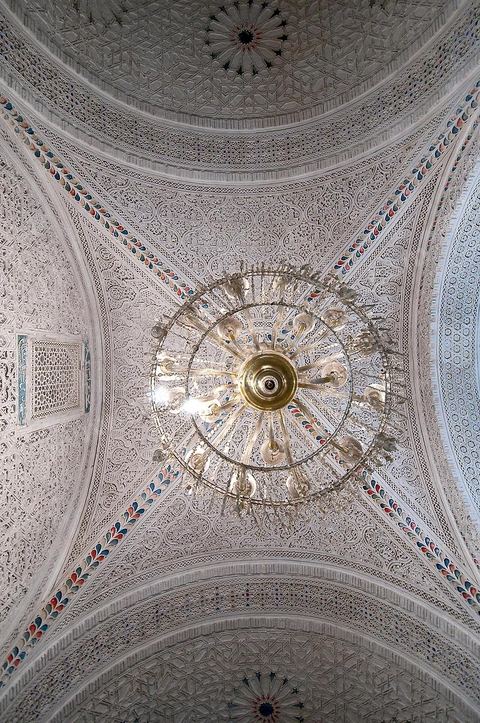
Hall of the Bardo Palace - Bardo National Museum - Tunis
A14-181 · 2008
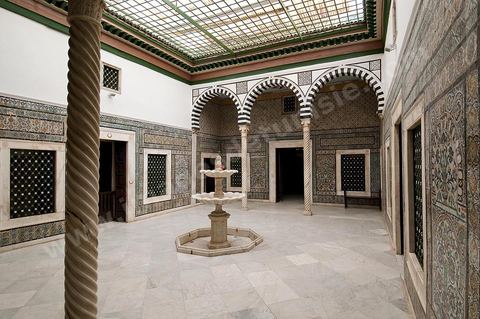
Hall of the Bardo Palace - Bardo National Museum - Tunis
A14-182 · 2008
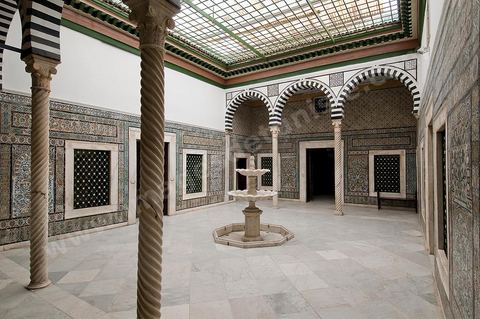
Hall of the Bardo Palace - Bardo National Museum - Tunis
A14-183 · 2008
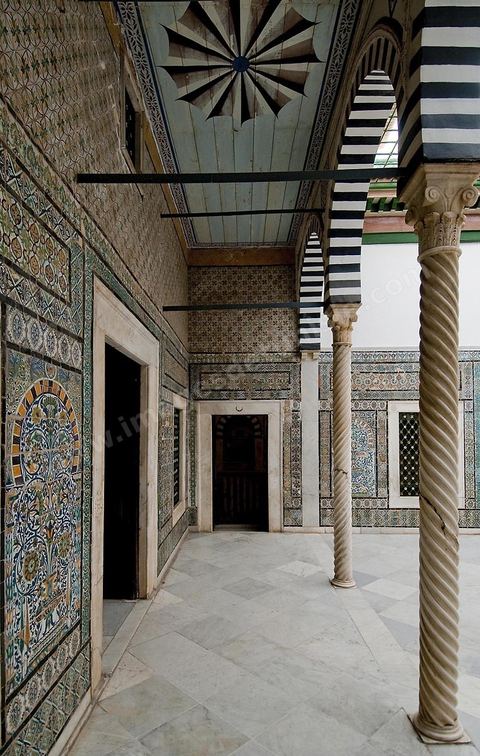
Hall of the Bardo Palace - Bardo National Museum - Tunis
A14-184 · 2008
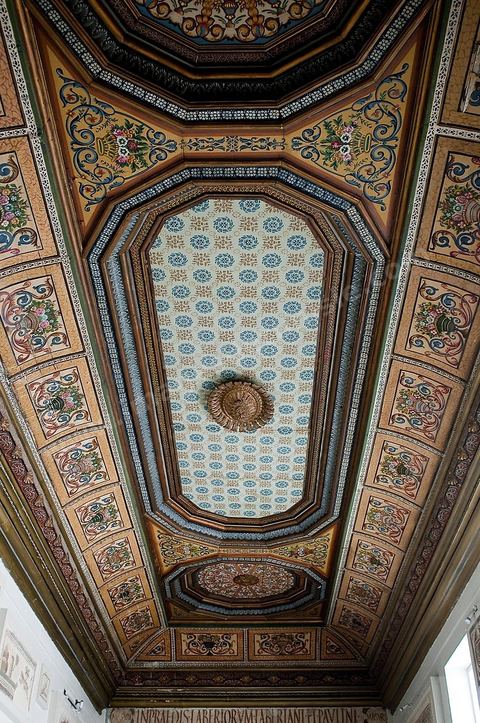
Hall of the Bardo Palace - Bardo National Museum - Tunis
A14-185 · 2008
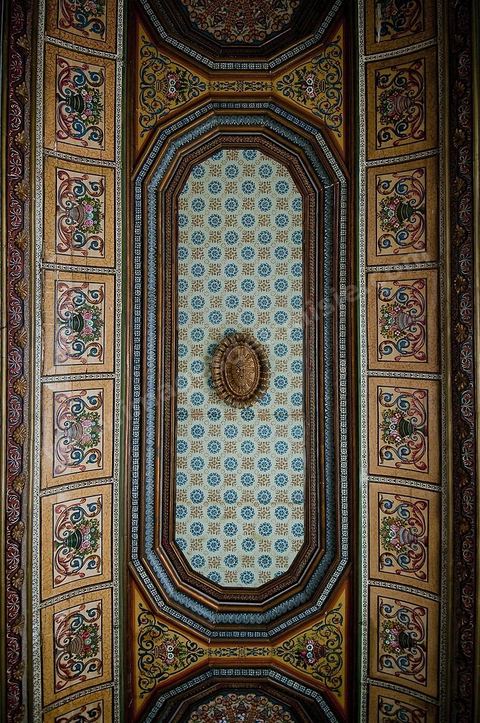
Hall of the Bardo Palace - Bardo National Museum - Tunis
A14-186 · 2008
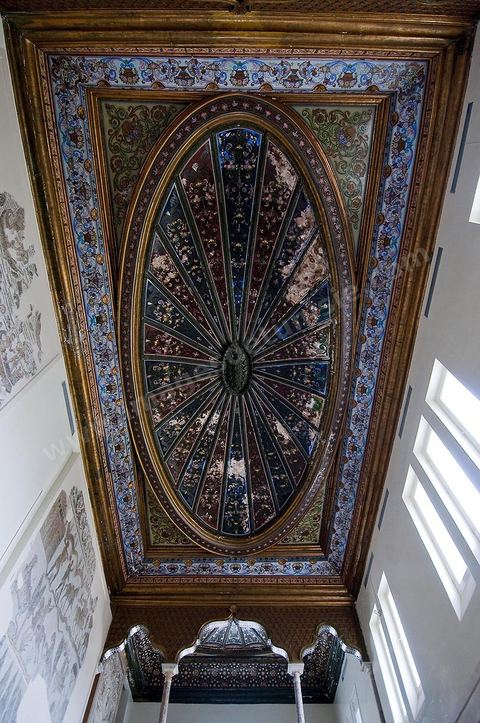
Hall of the Bardo Palace - Bardo National Museum - Tunis
A14-187 · 2008
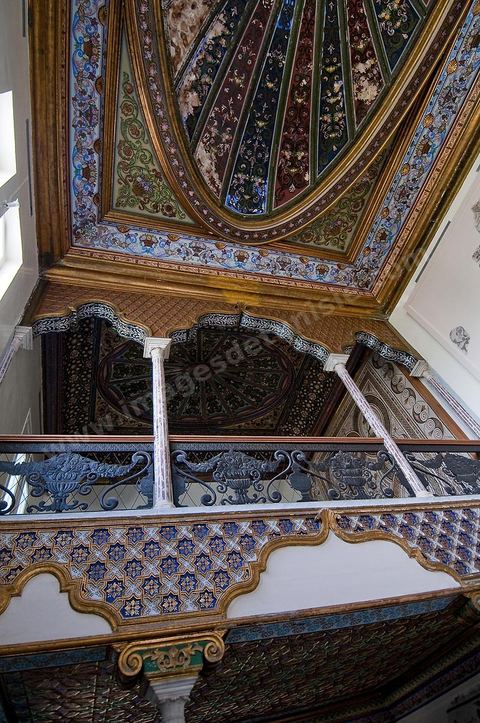
Hall of the Bardo Palace - Bardo National Museum - Tunis
A14-188 · 2008
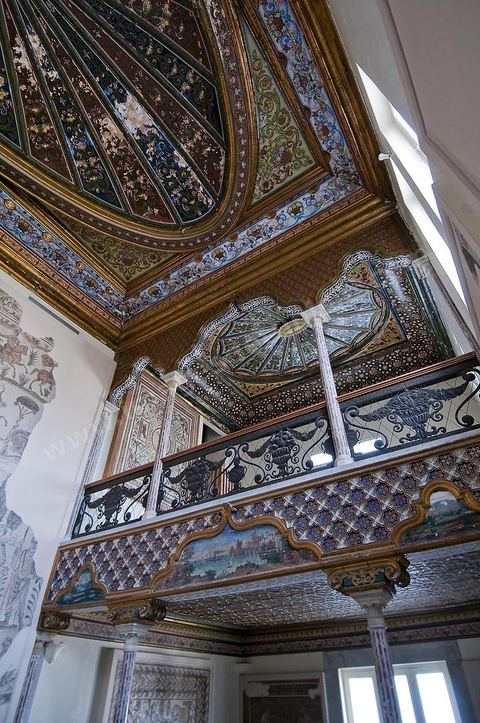
Hall of the Bardo Palace - Bardo National Museum - Tunis
A14-189 · 2008
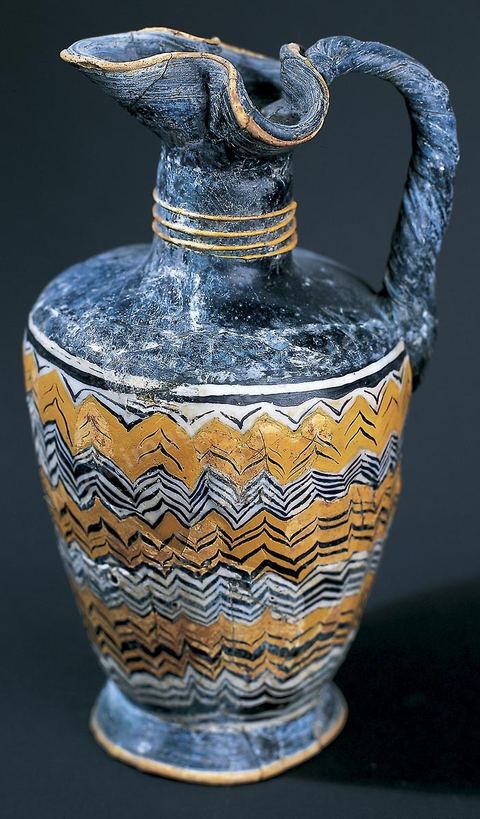
Oenochoes and amphoriska made of polychrome glass paste, inspired by Greek and Hellenistic terracotta models. Carthaginian glassmakers produced them as early as the 7th century. Large jug with a trefoil spout, H. 18 cm, Carthage, 3rd century B.C., Punic section—Bardo Museum
A14-19
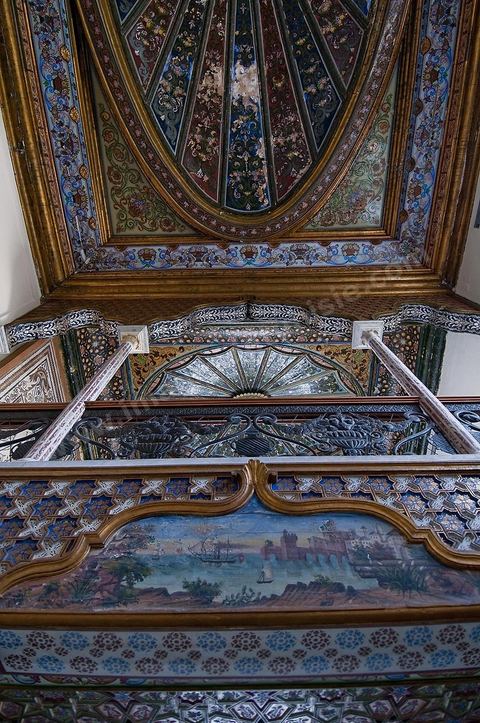
Hall of the Bardo Palace - Bardo National Museum - Tunis
A14-190 · 2008
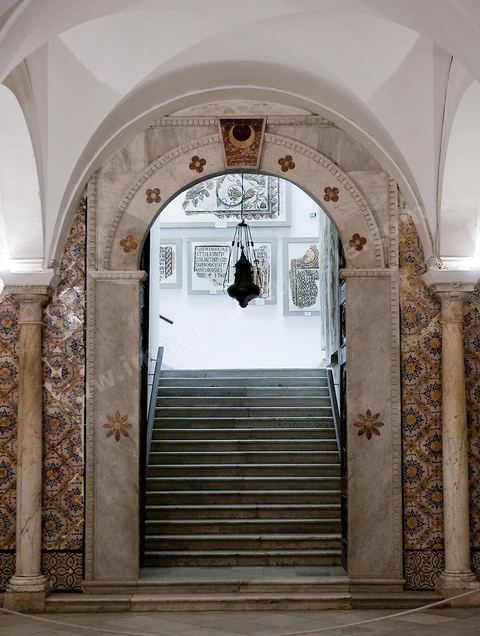
Hall of the Bardo Palace - Bardo National Museum - Tunis
A14-191 · 2008
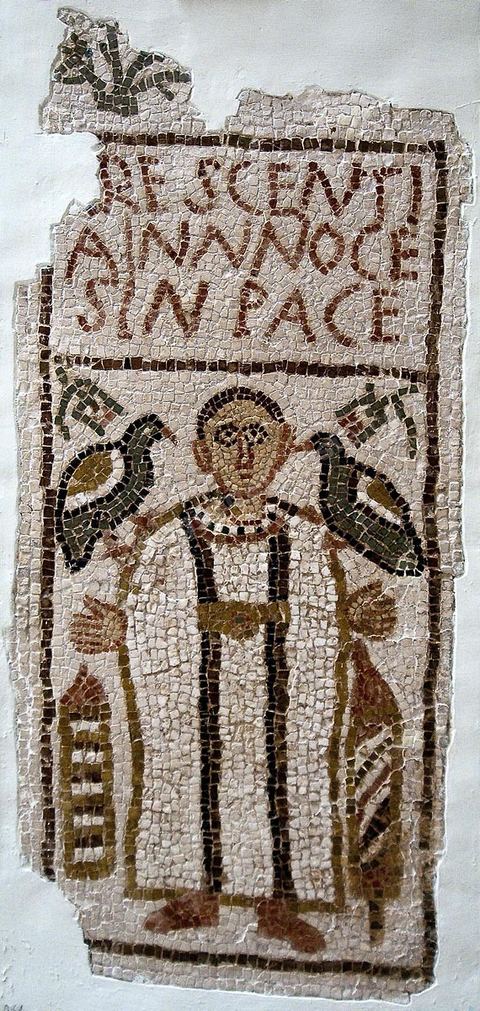
Mosaqiue du Musee National du Bardo - Tunis
A14-192 · 2008
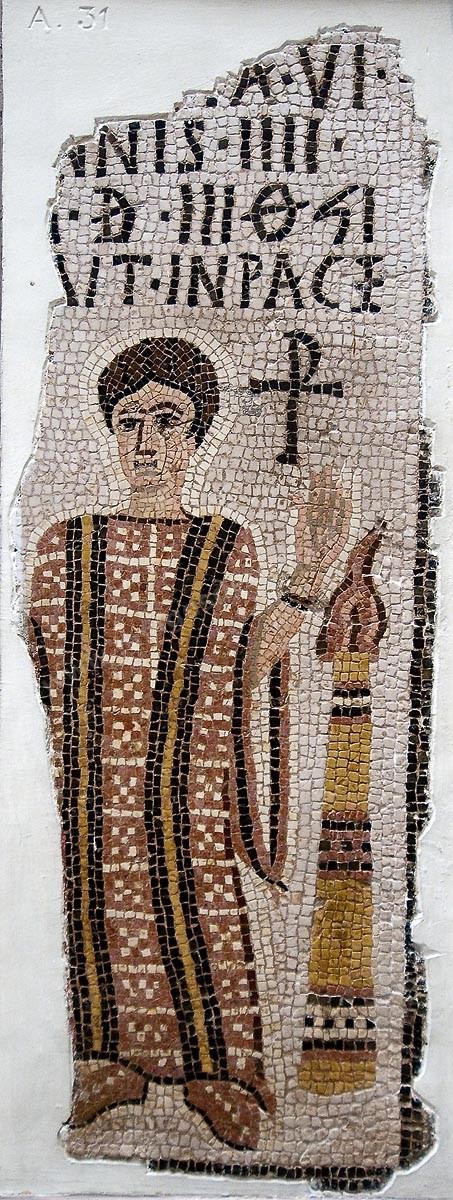
Mosaqiue du Musee National du Bardo - Tunis
A14-193 · 2008
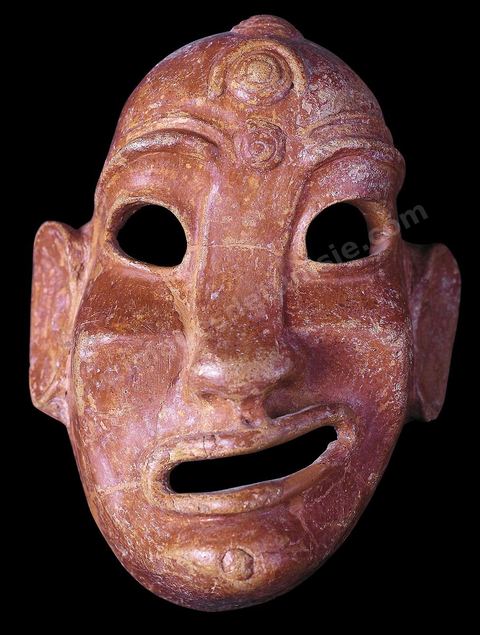
Masque en terre cuite négroïde au visage déformé par un rictus. Le front porte en relief le croissant lunaire et un disque, les oreilles sont ornées d’anneaux en terre cuite (H. 20‑cm, nécropole de Douimès, Carthage, fin du VIIe-début du VIe‑siècle av.‑J.-C., musée du Bardo). Section punique - musée du Bardo
A14-20
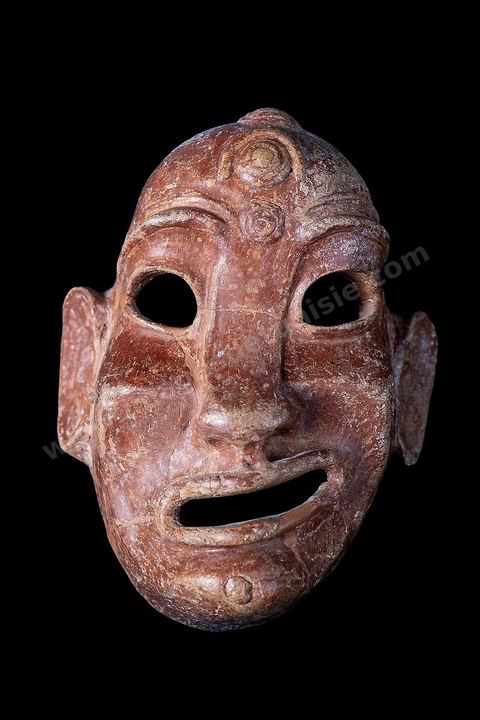
Masque en terre cuite négroïde au visage déformé par un rictus. Le front porte en relief le croissant lunaire et un disque, les oreilles sont ornées d’anneaux en terre cuite (H. 20‑cm, nécropole de Douimès, Carthage, fin du VIIe-début du VIe‑siècle av.‑J.-C., musée du Bardo). Section punique - musée du Bardo
A14-20_02 · 2021
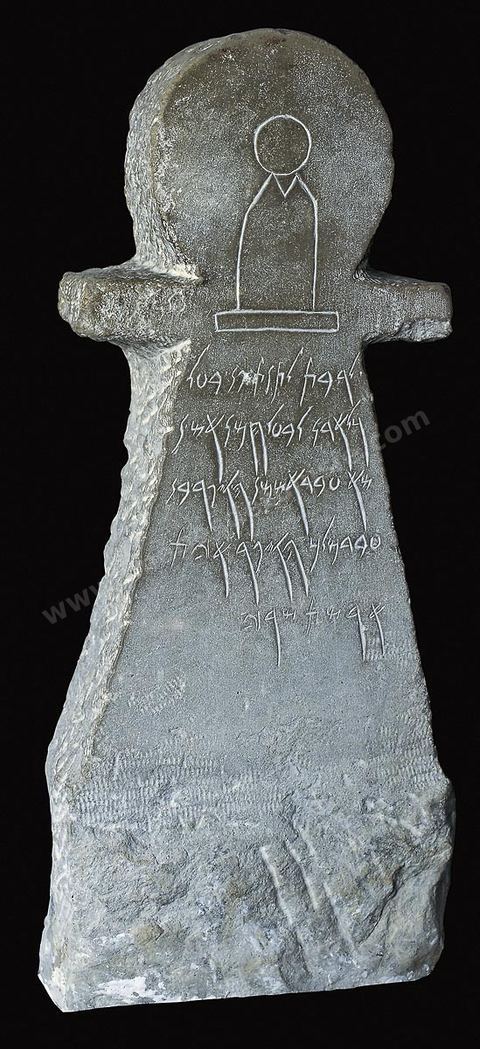
L’intérêt de cette stèle votive réside dans le fait qu’elle a‑été taillée en‑forme de signe dit de Tanit. En outre, elle porte, gravé dans sa partie supérieure, le « signe de la bouteille » également apparenté à Tanit. L’inscription est‑une dédicace à Baal Hammon et Tanit faite par un certain Abdeshmoun, scribe (H. 62‑cm, l.‑25‑cm, tophet, Carthage, ive‑siècle‑av.‑J.-C., musée du Bardo). section punique - musée du Bardo
A14-21
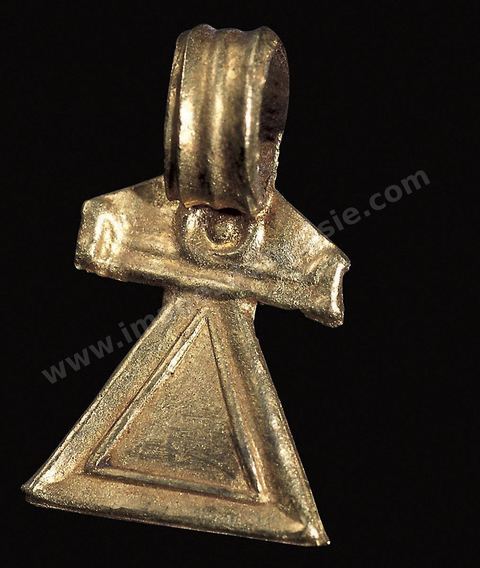
Pendentif en or représentant le signe dit de Tanit - section punique - musée du Bardo
A14-22
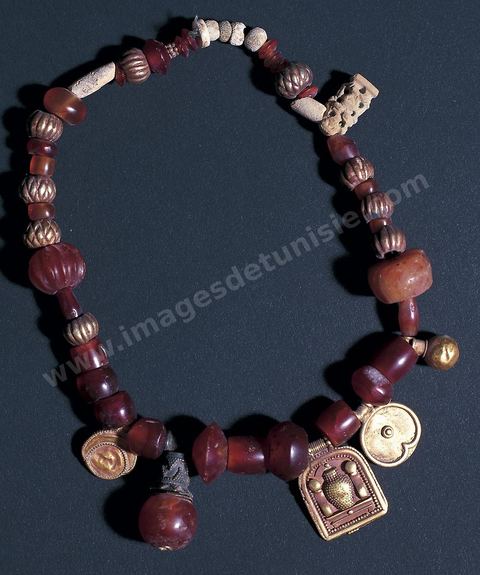
Punic necklace composed of amulets and various elements: a gold pendant with Egyptian-style decoration, gold discs, and beads made of carnelian, amber, and enameled siliceous paste (Dermech necropolis, late 7th–early 6th century B.C., Bardo Museum). Punic Section—Bardo Museum
A14-23
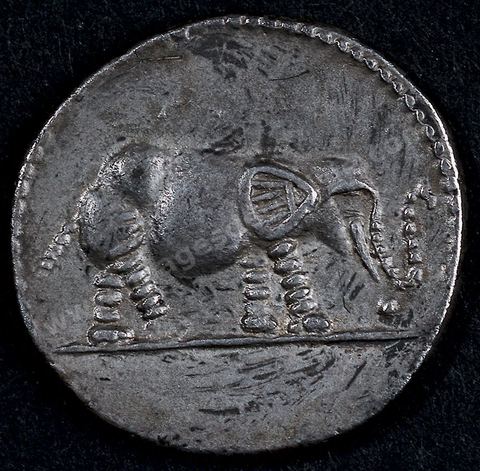
A silver coin featuring, on the obverse, the bust of Juba II, King of Mauretania (25 B.C.–24 A.D.), whose head is covered with a lion’s pelt. An elephant is depicted on the reverse. This coin bears traditional African motifs such as the elephant, and the reference to Heracles (the lion’s skin) recalls the legend tracing the royal family back to Heracles Melqart, thereby establishing and legitimizing a royal cult in the Hellenistic tradition. Punic Section—Bardo Museum
A14-25
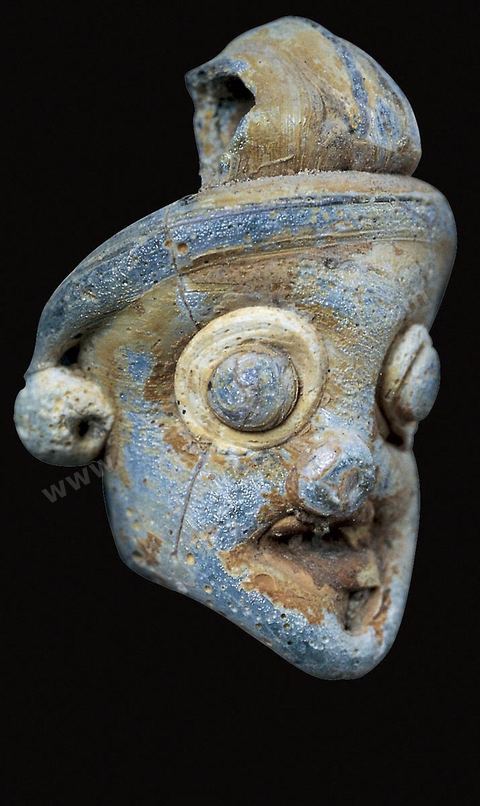
Glass paste masks and pendants in various colors (gray and blue, white and black, blue and yellow). Highly stylized, they feature bulging eyes with dilated irises, and hair and beards that are often disheveled and twisted into curls. An eyelet allows them to be strung on necklaces or worn as pendants. They were particularly popular in the 4th and 3rd centuries (H. 4–6 cm, necropolises of Carthage, 4th–3rd century BCE, Bardo Museums). Punic Section—Bardo Museum
A14-26
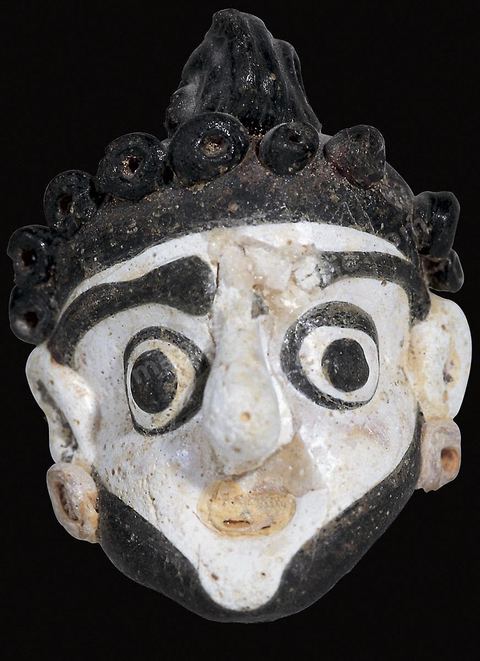
Glass paste masks and pendants in various colors (gray and blue, white and black, blue and yellow). Highly stylized, they feature bulging eyes with dilated irises, and hair and beards that are often disheveled and twisted into curls. An eyelet allows them to be strung on necklaces or worn as pendants. They were particularly popular in the 4th and 3rd centuries (H. 4–6 cm, necropolises of Carthage, 4th–3rd century BCE, Bardo Museums). Punic Section—Bardo Museum
A14-27
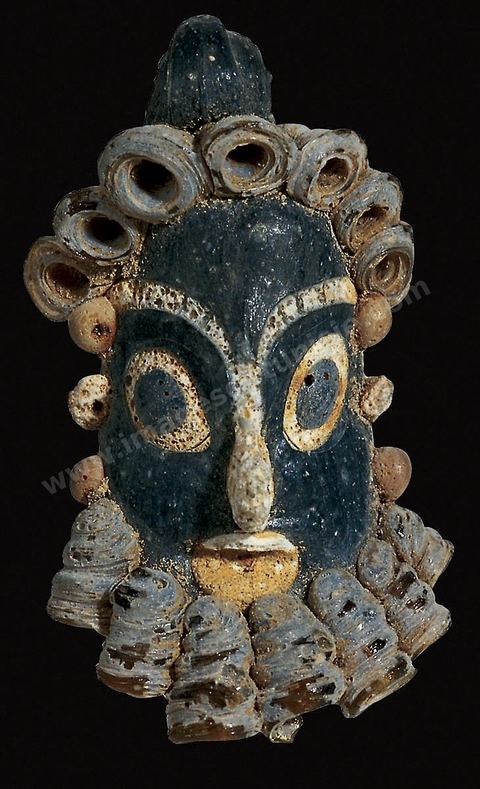
Glass paste masks and pendants in various colors (gray and blue, white and black, blue and yellow). Highly stylized, they feature bulging eyes with dilated irises, and hair and beards that are often disheveled and twisted into curls. An eyelet allows them to be strung on necklaces or worn as pendants. They were particularly popular in the 4th and 3rd centuries (H. 4–6 cm, necropolises of Carthage, 4th–3rd century BCE, Bardo Museums). Punic Section—Bardo Museum
A14-28
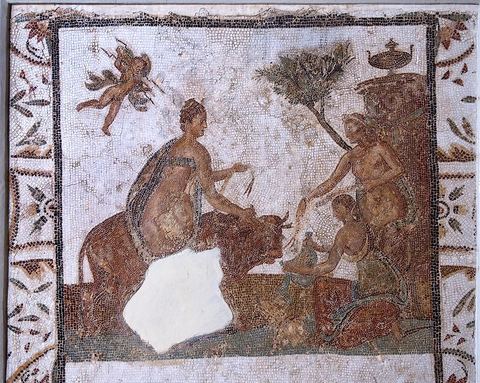
Mosaqiue du Musee National du Bardo - Tunis
A14-287 · 2008
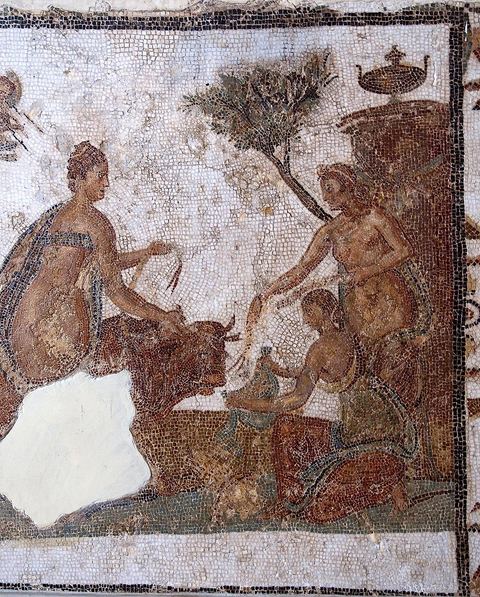
Mosaqiue du Musee National du Bardo - Tunis
A14-288 · 2008
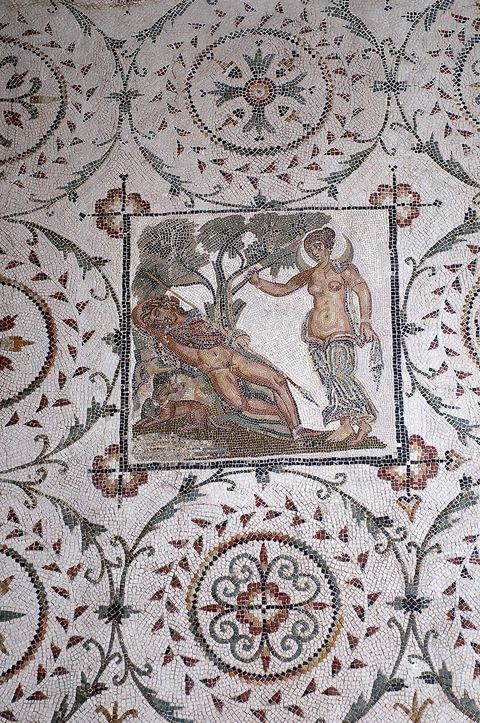
Mosaqiue du Musee National du Bardo - Tunis
A14-289 · 2008
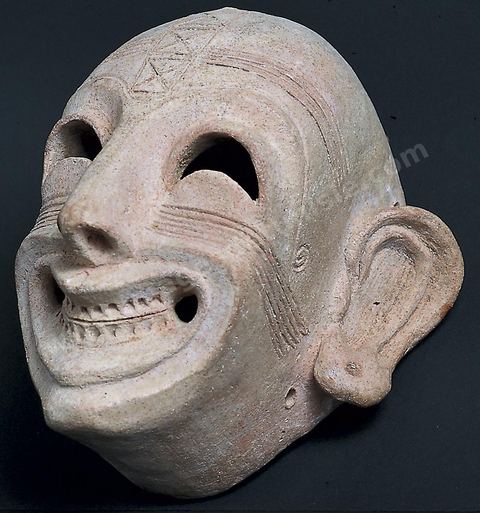
Grimacing terracotta mask: the face is deeply creased and wrinkled, topped with a headband. It appears to be inspired by Mesopotamian art (the demon Humbaba) (H. 16 cm, Dermech Necropolis, Carthage, late 6th century B.C., Bardo Museum). Punic Section—Bardo Museum
A14-29
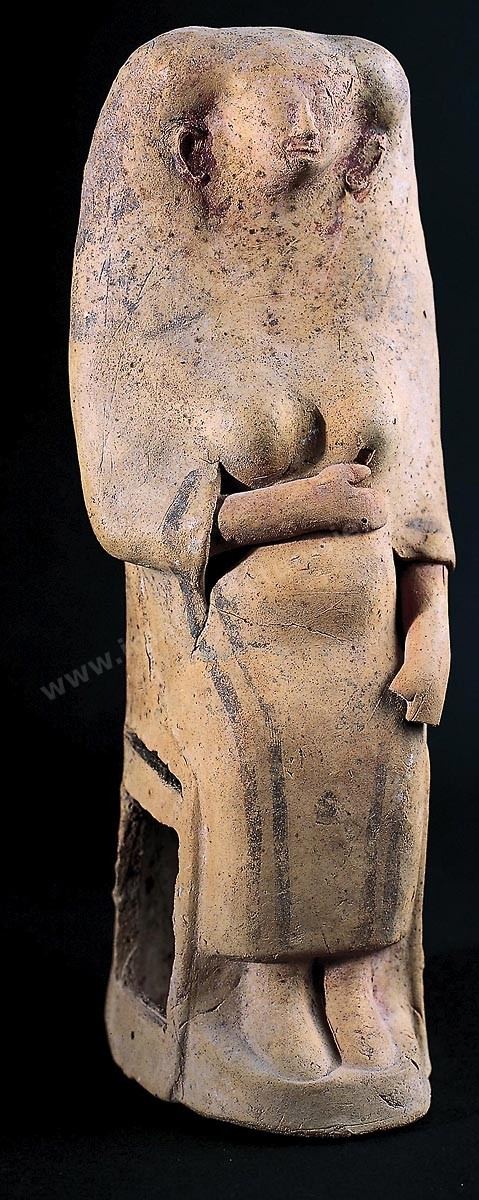
Statuette en terre cuite d’une déesse mère assise sur un trône d’osier, la main droite posée sur son ventre bombé (H. 25 cm, nécropole de Dermech, Carthage, viiie‑siècle av.‑J.-C., musée du Bardo ). section punique - musée du Bardo
A14-290
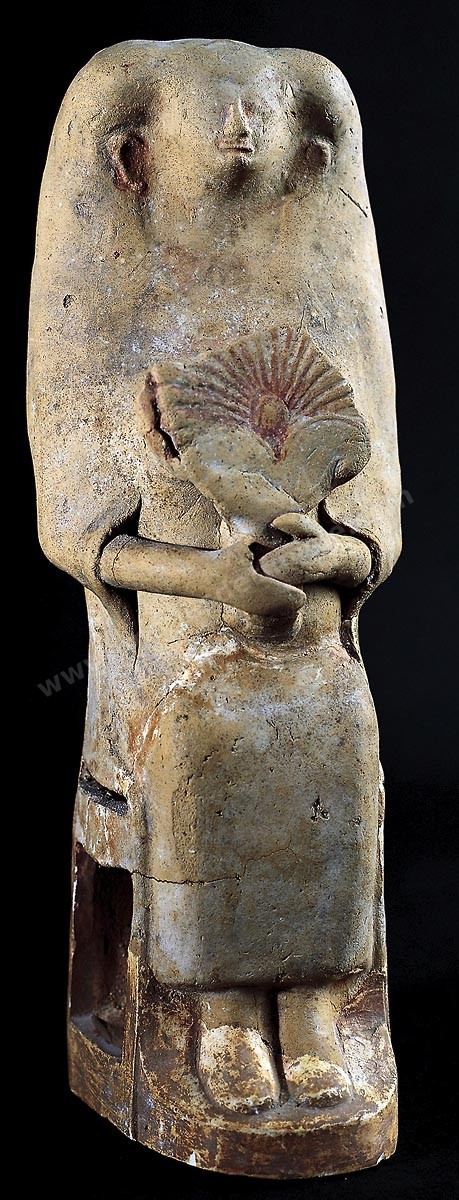
Statuette en terre cuite d’une déesse mère sur un trône à haut dossier, vêtue d’une longue robe, tenant un éventail en forme de palmette ( H.‑25‑cm, nécropole de Dermech, Carthage, VIIIe-VIIe siècles av. J.-C., musée du Bardo ). Section punique - musée du Bardo
A14-291
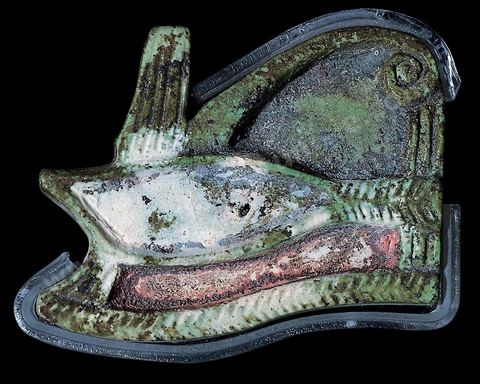
Egyptian-style amulets made of silica paste. Intricately crafted, they are often used as pendants for necklaces and are found by the dozens in the richest tombs. Whether imported from Egypt or made locally, they are believed to possess magical powers that protect life, and after death, they watch over the soul of the deceased. They most often depict the eye of the god Horus, or “Udja.” They are rarely more than 2 to 5 cm tall (H.‑8.2‑cm and 7‑cm, Carthage, 5th–4th centuries B.C., Carthage Museum). Punic section
A14-292
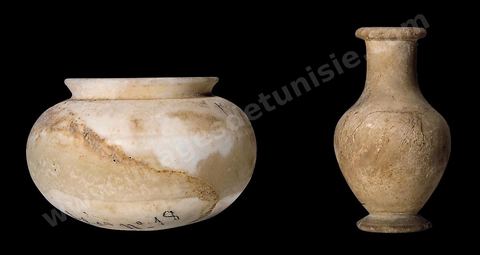
Vase and perfume bottle of Egyptian origin, Punic period—Bardo Museum
A14-293
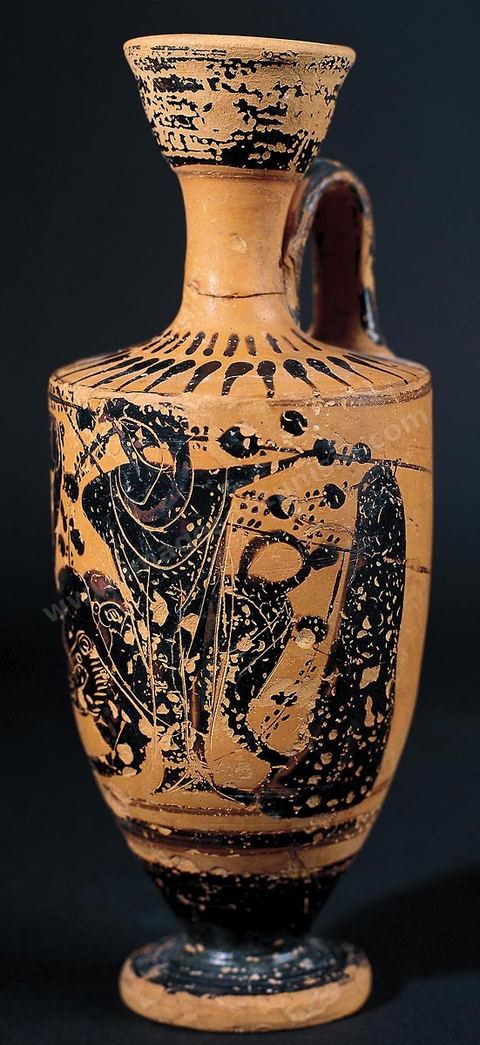
A Corinthian oenochoe decorated with a mythological scene (late 7th–early 6th century B.C., Bardo Museum—Punic section).
A14-295
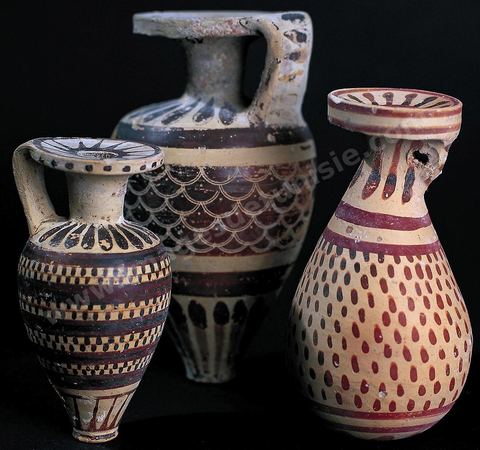
Imported ceramics that reflect the significance of the trade networks established by the Carthaginians and the richness of their trade: spherical Cypriot gourds decorated with concentric lines and circles from the 7th century; a pear-shaped vase from the Greek world; Bardo Museum—Punic section
A14-296
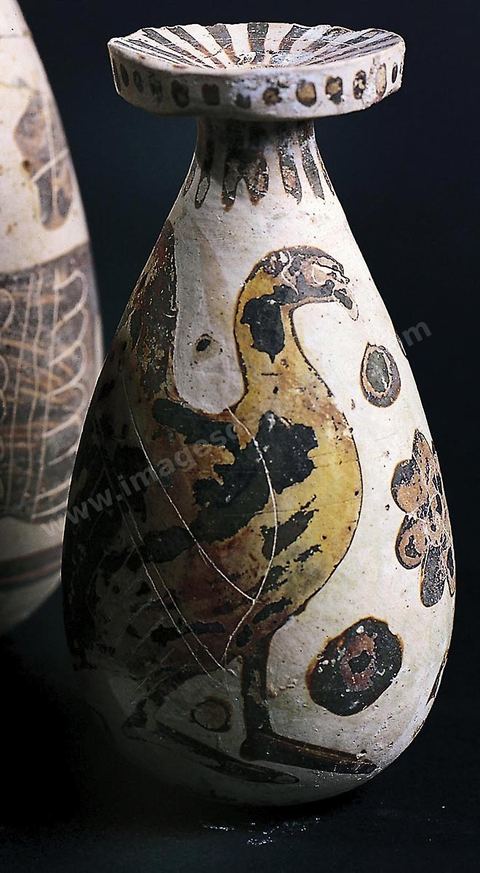
Imported ceramics that reflect the importance of the trade networks established by the Carthaginians and the richness of their trade: 7th-century Cypriot gourd-shaped vessels decorated with concentric lines and circles; a 6th-century vase in the Corinthian tradition; Bardo Museum—Punic section
A14-297
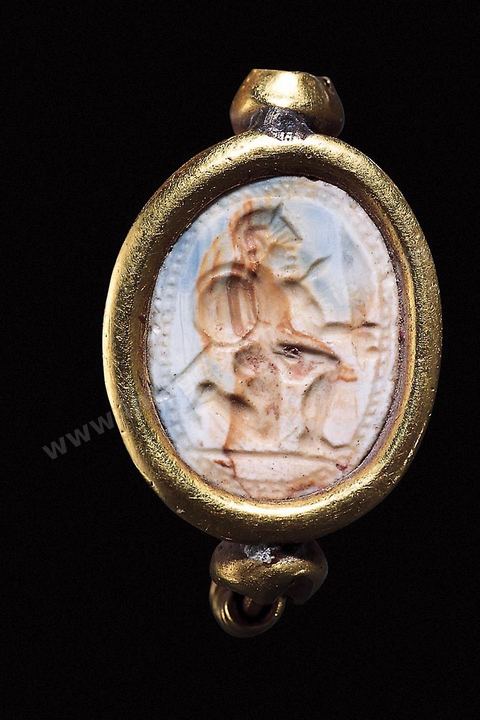
Scarabée en pierre d’un gris bleuté serti d’or, représentant un guerrier agenouillé portant casque, lance et bouclier ( Utique, IVe siècle av. J.-C., musée du Bardo ). section punique - musée du bardo
A14-298
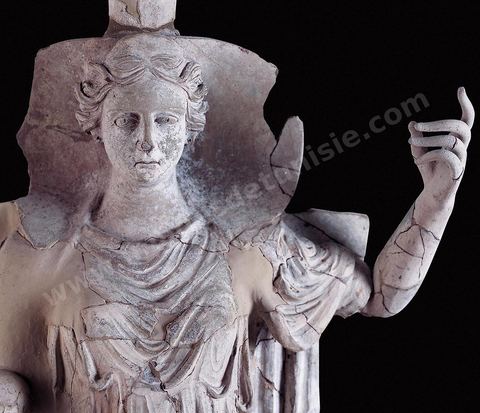
Statue de Déméter en terre cuite, presque grandeur nature, assise sur un trône en posture divine, vêtue d’une robe plissée, la tête coiffée d’une tiare cylindrique en forme de boisseau ou polos, et encadrée d’un voile rigide évoquant une conque. Son culte et celui de Coré furent officiellement introduits à Carthage en 396‑av. J.-C. pour réparer la profanation d’un de ses temples à Syracuse. Très présente dans les sanctuaires ruraux du Cap Bon, on l’y trouve tantôt associée à Baal Hammon et Tanit , tantôt accompagnée de ses parèdres Coré et Pluton, comme à Korba. Elle semble porter la réminiscence d’un modèle dû aux coroplathes siciliens des IVe-IIIe siècles av. J.-C. ( sanctuaire rural près de Korba , fin‑IVe-début IIIe siècle av. J.-C., musée du Bardo ).
A14-299
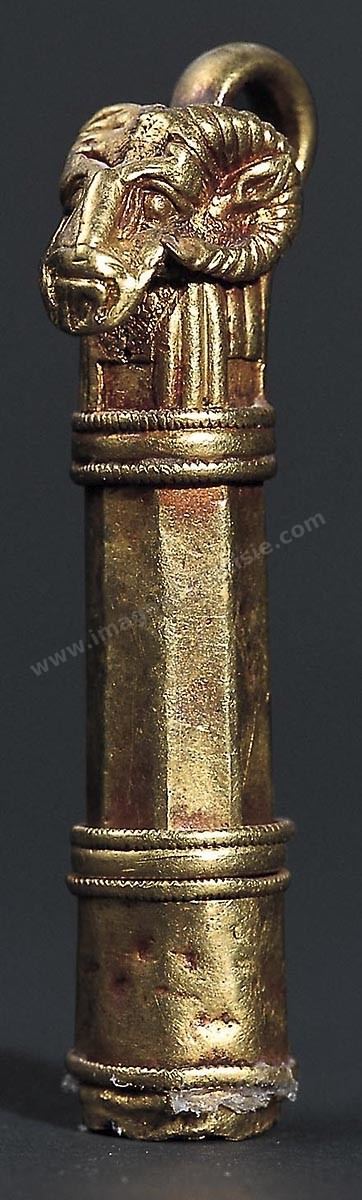
Pendentifs porte amulettes en or, ornés de la tête du dieu bélier Amon-Rê (H. 4,6 cm, nécropole de Dermech, Carthage, VIe siècle av.J.-C., musée du Bardo). section punique - musée du Bardo
A14-30
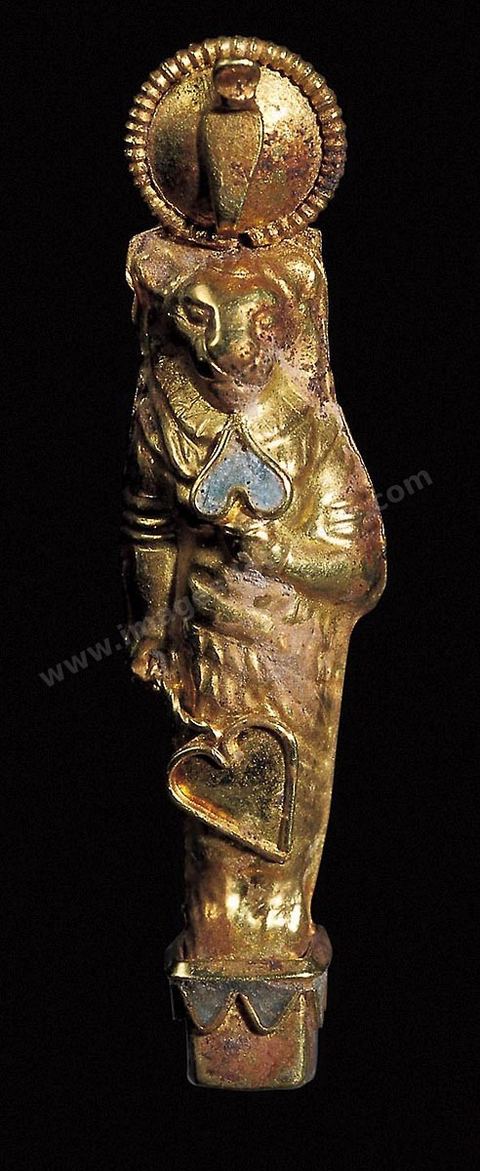
Gold amulet pendants adorned with the head of the lioness goddess Sekhmet (H. 4.6 cm, Dermech Necropolis, Carthage, 6th century B.C., Bardo Museum). Punic Section – Bardo Museum
A14-31
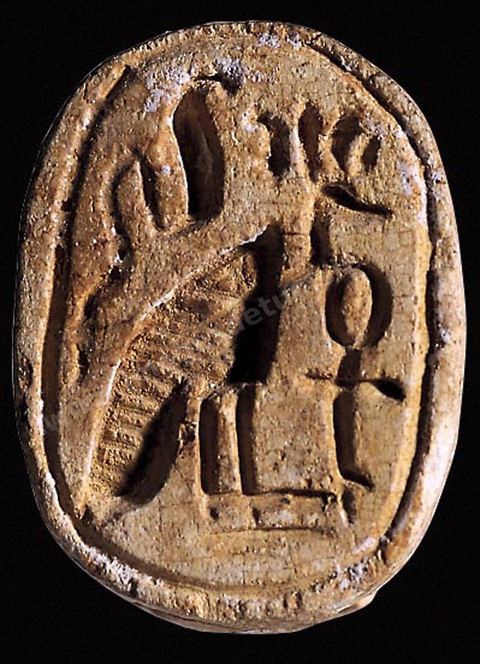
Ornement de chaton de bague en pâte siliceuse décoré d’un faucon (Horus ?) et d’un serpent (musée du Bardo). section punique - musée du Bardo
A14-32
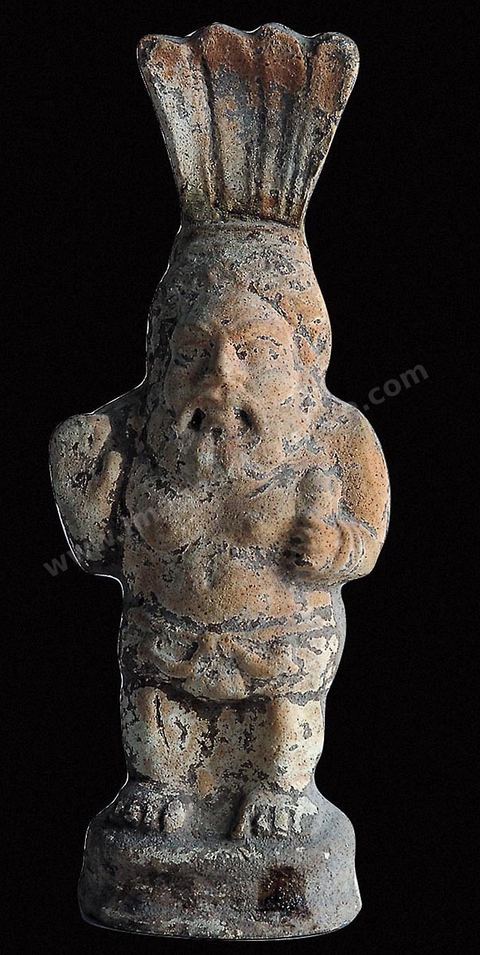
Statuette en terre cuite du dieu Bès, censé protéger contre les êtres nuisibles et assister les femmes enceintes (musée du Bardo). section punique - musée du Bardo
A14-33
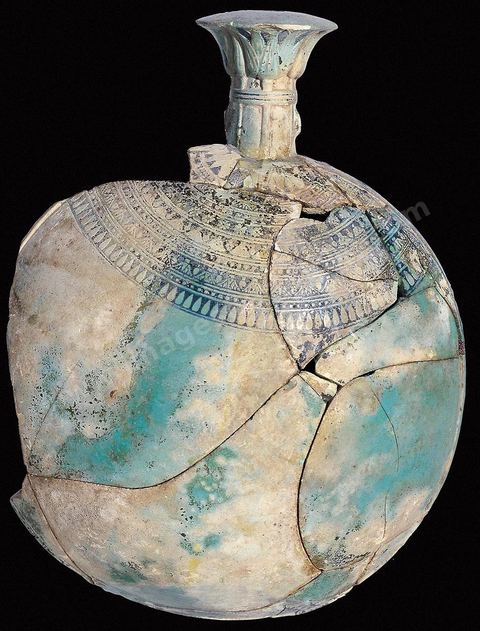
An Egyptian-style glazed earthenware vial decorated with flowers and lotus blossoms around the neck. Rosettes, beads, lanceolate leaves, and lotus buds adorn the body. The name of Pharaoh Ahmasisineiter is inscribed in hieroglyphs near the neck. Dating from the 6th century B.C., it was found in a 4th-century B.C. tomb in Carthage (H. 21 cm, ø 16 cm, Bardo Museum). Punic Section – Bardo Museum
A14-34
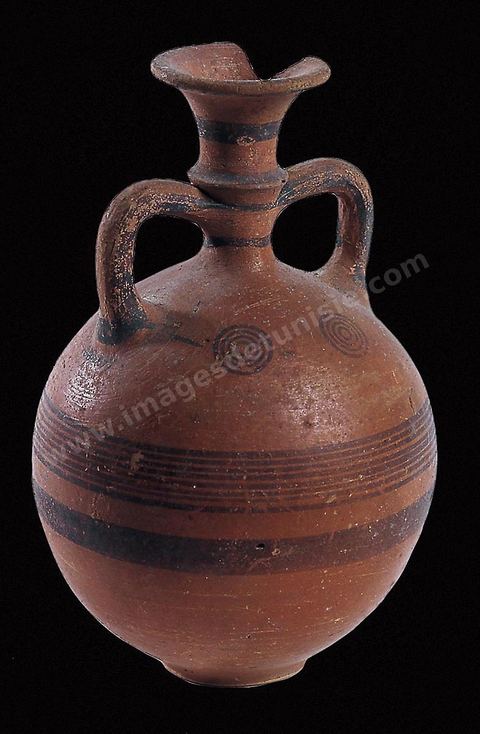
Imported pottery that reflects the significance of the trade networks established by the Carthaginians and the richness of their trade: a 6th-century Corinthian-style vase—Punic section—Bardo Museum
A14-36
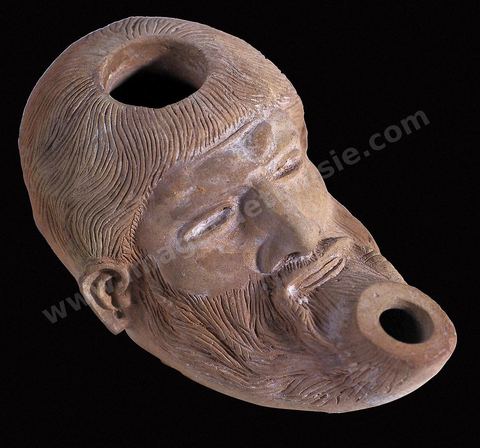
A terracotta lamp depicting the head of a figure with long hair, a beard, and a mustache, featuring finely rendered features and a highly expressive face. This type of lamp was apparently imported from Alexandria or produced locally and modeled after Alexandrian examples. This one is thought to represent a deity or a deified figure (5th–3rd centuries B.C., Bardo Museum). Punic Section – Bardo Museum
A14-37
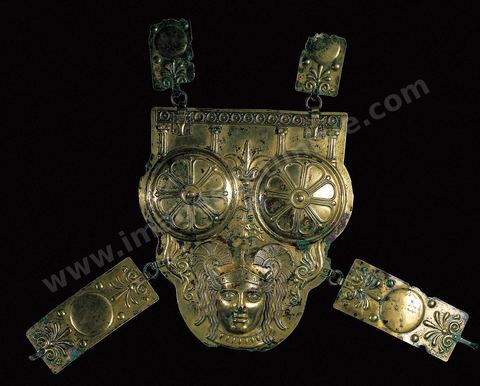
A ceremonial bronze breastplate of Campanian or Apulian origin, consisting of a front plate bearing a helmeted head of Minerva and an ornately worked back plate. This cuirass was likely brought back from the Italian campaign by a soldier in Hannibal’s army who wished to keep it with him in his tomb (H. 30 cm, tomb in the Ksour-Essaf region, late 3rd century B.C., Bardo Museum). Punic Section—Bardo Museum
A14-38
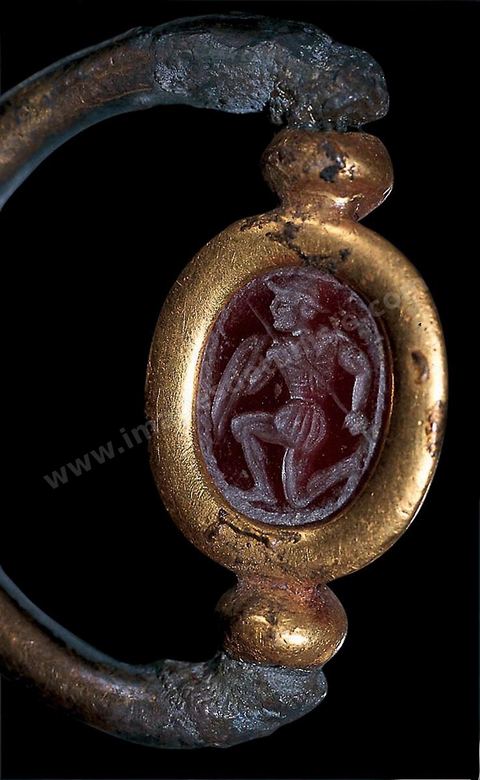
A seal scarab made of a semiprecious material, mounted on a movable setting that pivots around an axis, decorated with the god Bes depicted as a kneeling warrior armed with a shield and a spear. The warrior motif, inspired by archaic Greek stelae, is fairly common in the Punic world (Bardo Museum). Punic section – Bardo Museum
A14-39
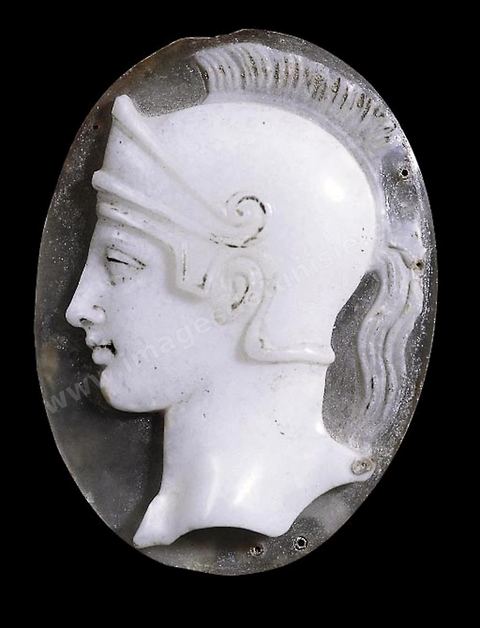
A two-layered sardonyx cameo depicting the helmeted head of Athena, the goddess who combines the formidable power of Zeus with the wisdom of Metis. Punic section—Bardo Museum
A14-40
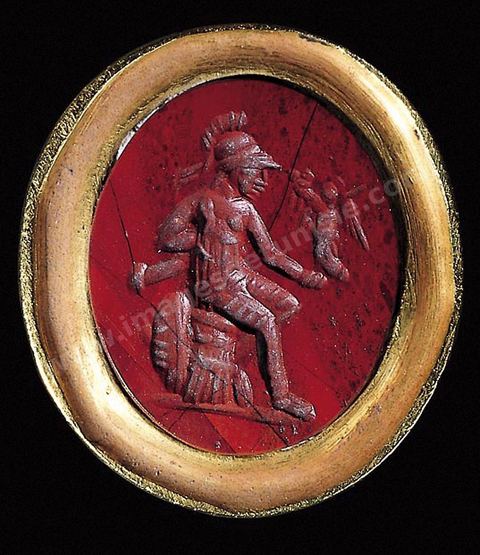
A14-41
A14-41
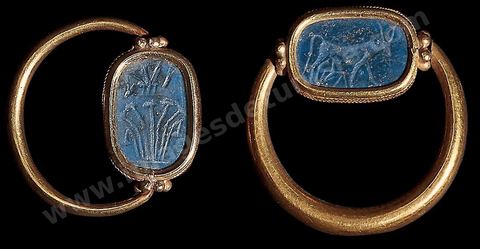
Two gold rings with movable settings made of lapis lazuli, one decorated with a cow and the other with a palmette (4th century B.C., Bardo Museum). Punic section—Bardo Museum
A14-42
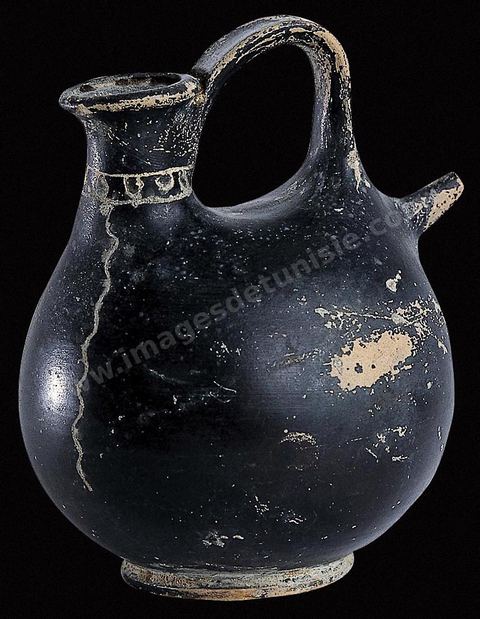
Black-glazed ceramic drinking vessel (askos) of Sicilian manufacture, dating from the 3rd century (Bardo Museum). Punic Section—Bardo Museum
A14-43